
9 Cultural Destinations Across Europe That Deliver Authentic History Without the Tourist Crowds
Cultural destinations across Europe are getting a reset. The continent’s most-photographed cities still pull crowds, but a growing share of travelers are skipping the queues for places that promise something more local, more layered and harder to find on a top-10 list. The result is a quieter map of Europe — one shaped by myth, food, architecture and history that most tourists never reach.
That shift is showing up in the data. According to Skift research from 2025, 86% of travelers now prioritize immersive experiences over traditional sightseeing, with millennials (80%) and Gen Z (75%) driving the trend. A 2026 study by the European Travel Commission found long-haul visitors are equally open to destinations beyond the main tourism routes.
For more information: 8 Global Cultural Festivals Offering the Ultimate Immersive Travel Experiences in 2026
“Long-haul travellers are increasingly seeking experiences that are authentic, locally rooted and environmentally conscious. Europe is uniquely positioned to meet these expectations thanks to its diverse destinations, rich local cultures and extensive rail network,” said Eduardo Santander, CEO of the European Travel Commission.
Why Travelers Are Seeking Cultural Destinations Off the Beaten Path
The appeal of immersive travel isn’t subtle. Younger travelers in particular are looking for entertainment, sports and cultural activities that connect them to a place rather than just letting them photograph it. The Skift data points to 86% of travelers actively seeking out those kinds of experiences when they plan a trip — a number that reframes what “sightseeing” even means in 2025. For many, the value of a destination now lies in how lived-in and unfiltered it feels, and that’s pushing them toward smaller cities and rural regions that have historically been overlooked.
The Best Cultural Destinations in Europe Beyond the Tourist Crowds
Each of these places offers something the headline cities can’t, including fewer crowds, deeper history or a culture that hasn’t been polished for visitors. They span fairytale towns, Roman ruins, volcanic islands and mountain villages, and they’re all reachable without joining a tour bus line. Some are easy day trips from a major hub; others reward the kind of slow travel that’s harder to find on a quick city break. What ties them together is that the experience comes first.
- Odense, Denmark — The birthplace of Hans Christian Andersen, Odense is the third-largest city in Denmark and has been the capital of Funen for more than 1,000 years. Museums, statues and sculptures dedicated to Andersen’s life and stories thread through cyclist- and pedestrian-friendly streets, giving the city a fairytale atmosphere that feels woven into the architecture itself.
- Maastricht, The Netherlands — Arguably as beautiful as Amsterdam and far less crowded, Maastricht sits on both sides of the Meuse River, surrounded by stunning countryside and historic castles. One of the oldest cities in the Netherlands, it’s easily explored on foot. A must-do is the underground tour of the casemates — a network of passages beneath the city — and the area is also known for its vineyards, art galleries and excellent restaurants.
- Belgrade, Serbia — The Serbian capital is adventurous, loud and shaped by a chaotic past. Divided by the Sava River, Belgrade embodies both old and new, with daily markets, traditional Kafana cafes and an intense, layered history that makes it one of the most unique cities in Europe.
- Ithaca, Greece — The legendary home of Odysseus, Ithaca is steeped in mythology and offers quaint towns and stunning beaches without the hustle of Mykonos. It draws visitors in with its uniqueness and a beauty that matches its mythological reputation.
- Sibiu, Romania — A fusion of Romanian, German and Hungarian cultures, Sibiu’s architecture dates back to the Middle Ages and was built by German settlers. The city is cyclist-friendly and easily explored by bike or on foot. Don’t miss the Citadel of Sibiu, one of the best-fortified and best-preserved citadels in Europe.
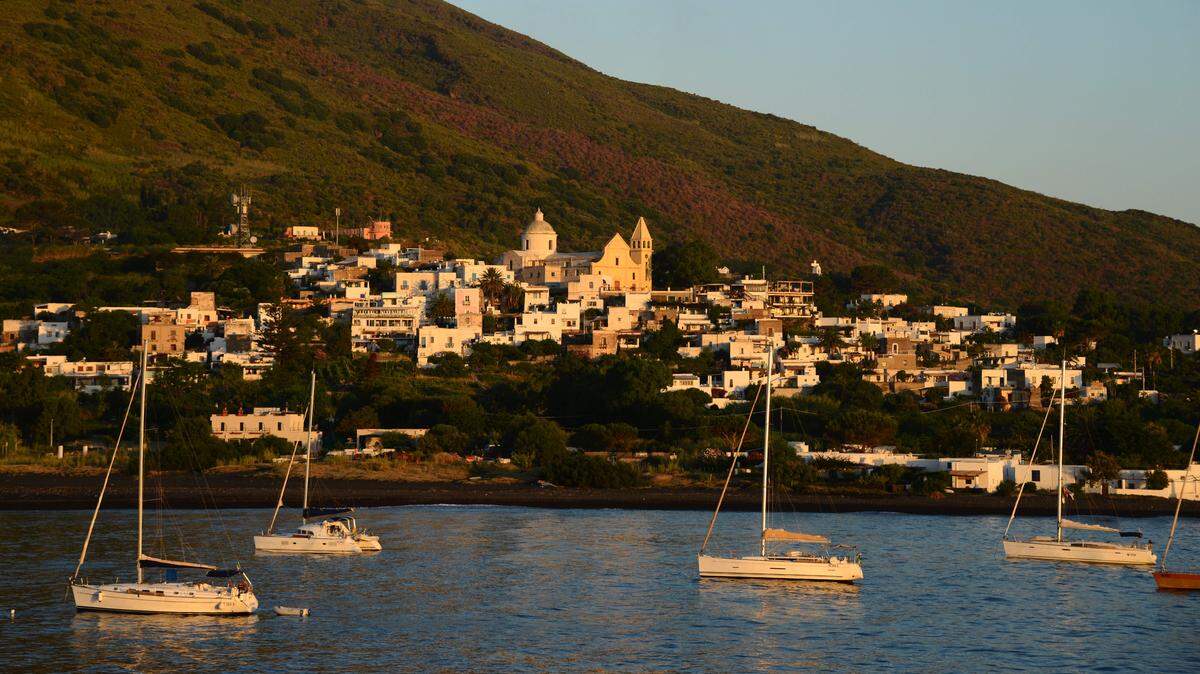
- Aeolian Islands, Italy — This archipelago north of Sicily is largely unknown compared with its neighbor. The seven islands — Vulcano, Filicudi, Salina, Stromboli, Panarea and Lipari among them — each have a distinct character. Salina is known for colorful buildings and lush vineyards, Stromboli for its active volcano and lava eruptions, and Panarea for its upscale restaurants and yachting crowd. The islands are best experienced by boat.
- Plovdiv, Bulgaria — One of the oldest continuously inhabited cities in the world, Plovdiv has an impeccably preserved Roman amphitheater, vibrant arts districts and traditional 19th-century Bulgarian Revival architecture. It’s a budget-friendly hub for history lovers.
- Rovinj, Croatia — This old town on a peninsula is lesser known than Dubrovnik or Split. It gets busy in summer but nowhere near the scale of bigger Croatian cities, and it’s worth seeking out for its charm and character.
- Troodos Mountains, Cyprus — Located in the center of Cyprus with a highest point of more than 1,900 meters at Mount Olympus, the Troodos region offers hiking and cycling in warmer months and, surprisingly, skiing in winter. Highlights include Casale Panayiotis — a luxury hotel, restaurant and spa — and Lofou, a traditional mountain village with spectacular views.
How to Experience Cultural Destinations Like a Local
Getting the most out of these places isn’t about packing more in — it’s about slowing down. The travelers who come back from Europe with the strongest stories tend to be the ones who picked a smaller city, planted themselves there for a few days and let the place set the pace. Logistics matter too: when transportation and accommodations are sorted, there’s more energy left for the unplanned detours that make a trip memorable.
For more information: 8 Global Cultural Festivals Offering the Ultimate Immersive Travel Experiences in 2026
A few practical strategies:
- Choose small towns over big cities.
- Pick one neighborhood and stay there. Half a day walking, sitting and eating beats a checklist.
- Use trains for short distances. Slow travel between smaller cities is often more memorable than the destination itself.
- Remove friction from your trip. Smooth logistics mean more energy to explore spontaneously.
This article was created by content specialists using various tools, including AI.
.jpeg)