
What Is an Inn-to-Inn Walking Tour? The Slow Travel Trend Taking Off Worldwide
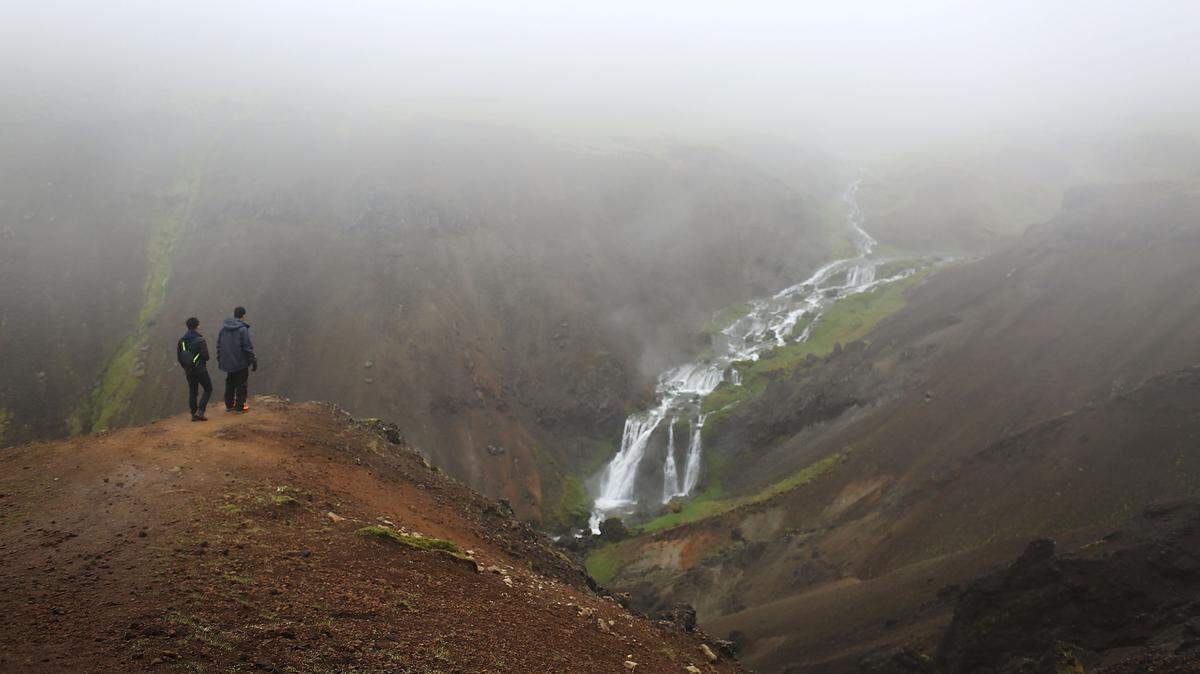
Walking holidays are becoming one of the biggest forms of slow travel in Europe, as travelers swap fast-paced city-hopping for longer stays and scenic routes built around hiking, nature and local culture. An inn-to-inn walking tour sits at the center of that shift — and it might be the most rewarding way to see a country on foot.
The format is simple: walk by day, eat well by night, and let someone else move your luggage. For couples, friends and solo travelers looking for something more meaningful than a packed bus tour, it has become the trip to beat.
How an Inn-to-Inn Walking Tour Works
Each morning starts with a full breakfast at your lodging. You step out onto a new trail, carrying only a day pack with drinks, snacks and a lunch supplied by the innkeeper or picked up locally. The heavier luggage? A tour company moves it ahead to your next inn while you walk.
By evening, a clean room, hot shower and hearty meal are waiting. Tour providers typically supply route notes, maps and sometimes GPS, so you are never guessing which way to turn. Expect warm hospitality and homemade local cuisine at every stop.
The appeal lines up with what slow travel creator Gi Shieh described to The Good Trade: “At its core, I think slow travel is about intentionality and connection. It’s about spending more time at a destination to immerse yourself fully in the beauty and uniqueness of the land and its people.”
Why Walking Tours Are Good For You
The health case is hard to ignore. Walking is exercise proven to help ward off anxiety, depression, dementia and Alzheimer’s, while boosting self-esteem and dopamine levels. Add nature to the equation and the benefits multiply.
Multiple studies link time outdoors to gains in happiness and overall wellbeing. The appreciation of our natural surroundings, reports the Mental Health Foundation, has a direct relationship to keeping us “emotionally, psychologically, and physically healthy.”
Shieh put the mindset this way: “Slow travel also means taking the time to note all the little details that make a place beautiful. Traveling slowly gives you a more mindful connection to the place you’re visiting.”
Guided vs. Self-Guided vs. DIY
Self-guided offers the most flexibility. You set your own pace, take spontaneous detours and start on whichever day suits your schedule. It is also more budget-friendly. Costs typically cover lodging, several meals, hiking itineraries and luggage transfers.
Guided tours hand off route information and equipment to a leader who walks with you — a better fit for travelers who want structure or are tackling more challenging terrain.
DIY trips skip the tour company entirely. Travelers arrange their own bookings with hiker-friendly inns willing to transfer bags, or stay in one base location and day-hike from there.
The Best Inn-to-Inn Walking Tours Around the World
A few standouts span Europe and North America:
- Camino de Santiago, Spain — A 500-plus-mile pilgrimage trail with more than 1,000 years of history, ending at the tomb of the apostle Saint James in Santiago de Compostela. Inns and guesthouses dot the entire network.
- Coast-to-Coast Walk, England — Nearly 200 miles connecting the Irish Sea to the North Sea.
- Cumbria Way, Lake District — A 5- to 6-day route lined with pubs and B&Bs. May or September deliver the best weather and lighter crowds.
- West Highland Way, Scotland — Easy village-to-village walking through the western highlands. Doable in 5 days, more relaxed in 7 or 8. Go in May to dodge midges and summer crowds.
- Tour du Mont Blanc — Circles Mont Blanc through France, Italy and Switzerland over 8 to 10 days, mixing catered huts with village stops. Late August into early September is the sweet spot.
- Sunshine Coast Trail, British Columbia — Canada’s longest free hut-to-hut hiking trail, running 112 miles from Sarah Point to the Saltery Bay ferry terminal, with 14 handcrafted public huts.
- AMC Huts, White Mountain National Forest — A hut network across New Hampshire’s White Mountains.
- Vermont Inn-to-Inn — A 40-plus-mile circle route through southern Vermont with 4 days of walking, daily distances of 7 to 13 miles, gourmet breakfasts and specialty dinners prepared by innkeepers.
How to Plan Your Own Inn-to-Inn Walking Tour
Europe is the easiest entry point thanks to its extensive national networks of well-maintained, marked paths. From there, the choice is whether to book through a tour company or piece the trip together yourself.
Consider whether you want to move each night or stay in one base location and radiate out. And factor in the season — weather and crowds make a real difference on nearly every route on this list.
This article was created by content specialists using various tools, including AI.
.jpeg)