COVID-19 shaming in Charlotte: ‘We are all looking for ways to feel in control.’

Judgment is one of the side effects of COVID-19 that even those who aren’t infected can’t seem to shake. Whether it’s an angry neighbor venting about a group of children playing outdoors, a viral photo on social media expressing outrage at the lack of social distancing or one generation scolding another for not taking restrictions seriously, no one is immune from judging during this time.
As North Carolina navigates through the phases of Gov. Roy Cooper’s stay-at-home order, the divide only deepens. Mecklenburg County has seen a total of 4,519 coronavirus cases, an increase of 107 cases from Monday, according to state health data on Tuesday, June 2. The number is cumulative since mid-March. Yet, restaurants are reopening with limited capacity, retailers are able to open their doors to shoppers again, and we’re even allowed to get haircuts now.
It’s understandable that some may be anxious to get out and visit friends, family and local businesses, while others may determine that staying at home is safer.
A recent New York Times article proclaimed, “indoor finger-pointing is one of the few hobbies still accessible to those sheltering in place.” But does the public shaming of those with different views work? Are Facebook and Instagram posts, tweets, online diatribes or even the popular hashtag #covidiot really working to change perspectives?
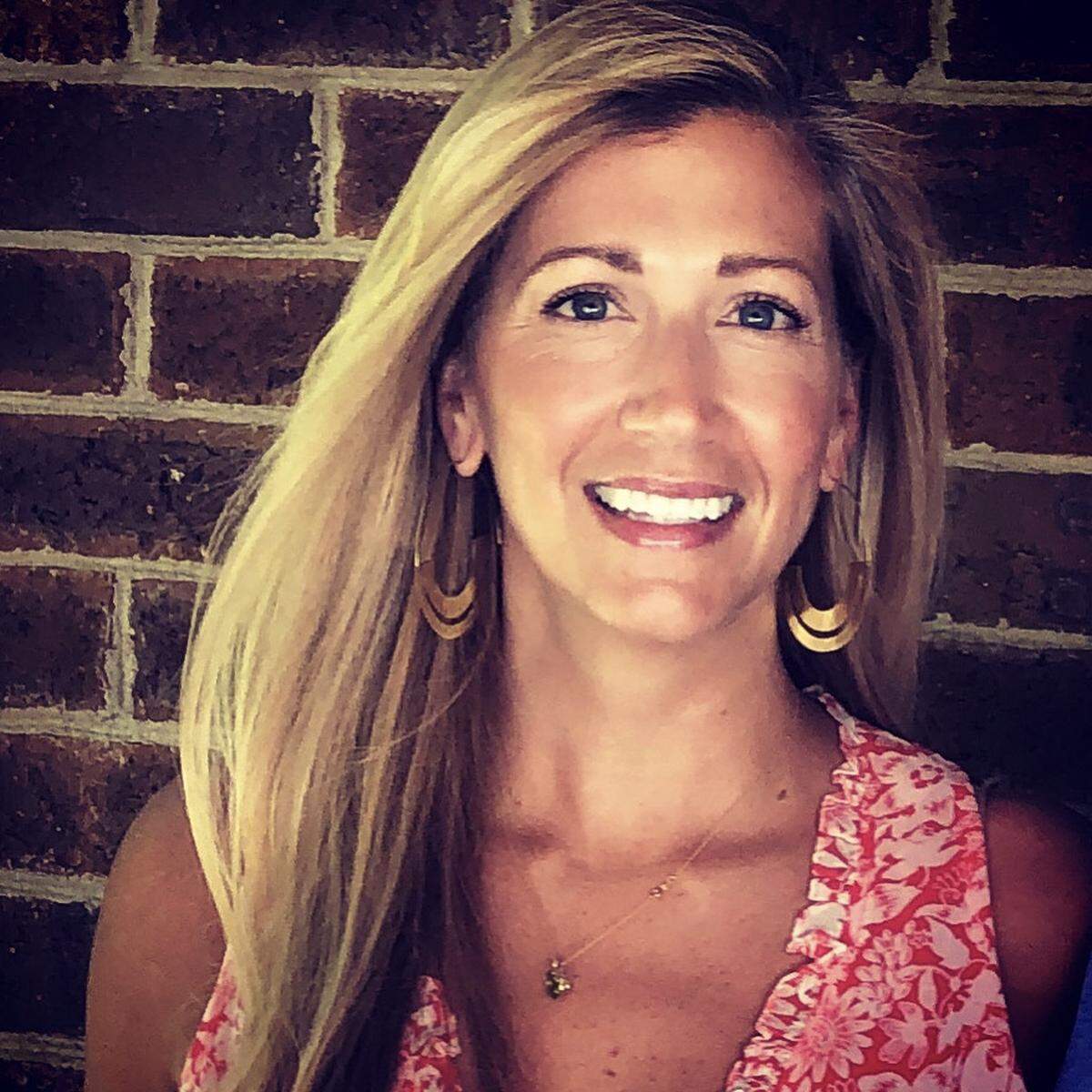
“There is so much fear and uncertainty right now. We are all looking for ways to feel in control,” said Courtenay Monfore, a Charlotte licensed clinical mental health counselor. “People want to feel heard and understood; however, social media is such a poor outlet for that because it rarely creates room for discussion in a way that helps people understand each other. Instead it creates an environment where people spend time defending their actions.”

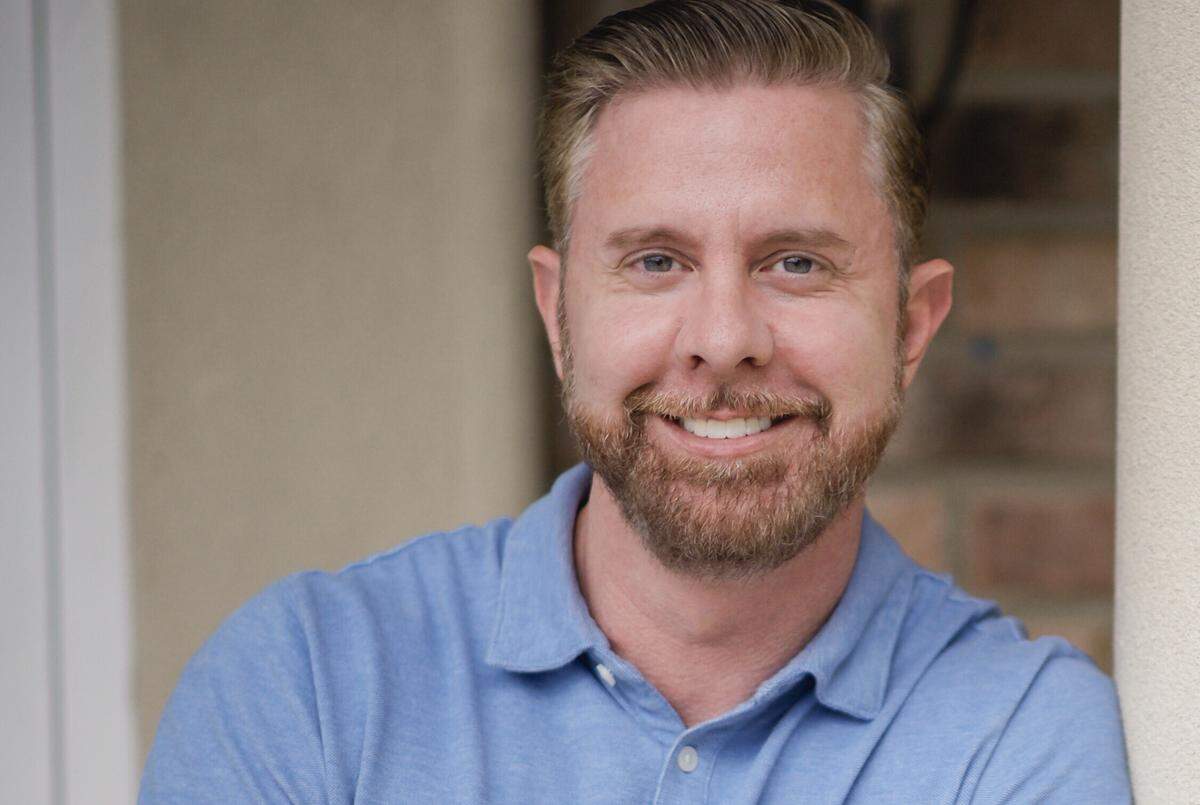
“Often, shaming others is about gaining some control over them,” said licensed clinical social worker Ed Nissen, who works in Matthews. “But shaming is really counterproductive to progress.”
People have long taken to the internet to validate thoughts, collect supporters and garner public outrage. In a time when we are physically distanced from one another, the online connection has become our lifeline to the outside world. But as stress and anxiety surrounding the COVID-19 pandemic continue to mount, the divisive cracks seem to have grown larger.
Charlotte business owner Juli Cher took to Facebook to lobby for a more united community front. “There is a public, violent, hate-filled argument happening which is NO good for ANYONE. So Please! If you’re adamantly on the #OpenNC or #StayAtHomeNC argument - do us all a favor & PLEASE try to understand the other side.There are SOOOO many sides to this issue. Until we start working TOGETHER towards the reality of opening ((whenever the date is bc it will happen)) then we will be pitted against each other at a time we need to be working #together.”
Nissen explained that we are seeing a lot of what he calls “overconfidence,” an idea by Nobel Prize winner Daniel Kahneman that “ultimately what you see is all there is.” Nissen said, “We are often likely to misjudge our environment because we assess our world so quickly. Then, our thinking only works to confirm our established belief. For example, just because someone is openly advocating for the country to open does not mean they want people to die. Conversely, just because someone is against businesses reopening, doesn’t mean they don’t care about people losing their livelihoods. There needs to be a level of intellectual humility and openness to looking at other sides.”
Fear and uncertainty can make it difficult to be open minded to the opinions of others. “Fear comes up when we see loved ones not taking their health seriously, such as not wearing a mask when they go out, or when a store is creating new rules for how their customers should shop. The social distance shaming that’s seen on social media mostly involves shaming others for their point of view or their actions, and having a sense of entitlement of what they deserve,” Monfore said. “This creates more fear, hurt and animosity, and yes, it is counterproductive. It makes us see each other as the enemy.”
There are arguments to be made that social pressure can be an effective way to establish norms and to create a new social etiquette. We weren’t born knowing to say please and thank you or to cover our mouths when we sneeze. A Yahoo article noted that shaming can force people to consider their impact on others and might influence people to forgo risky behavior.
Cher has another suggestion: “If you feel that passionately about something, like wearing a mask for example, then redirect your energy. Start a phone campaign, call your city council leaders — do something about it. The root word of activism is act.”
This story was originally published June 2, 2020 at 3:54 PM.