Charlotte among worst in the nation for bicycle-friendly cities, despite progress
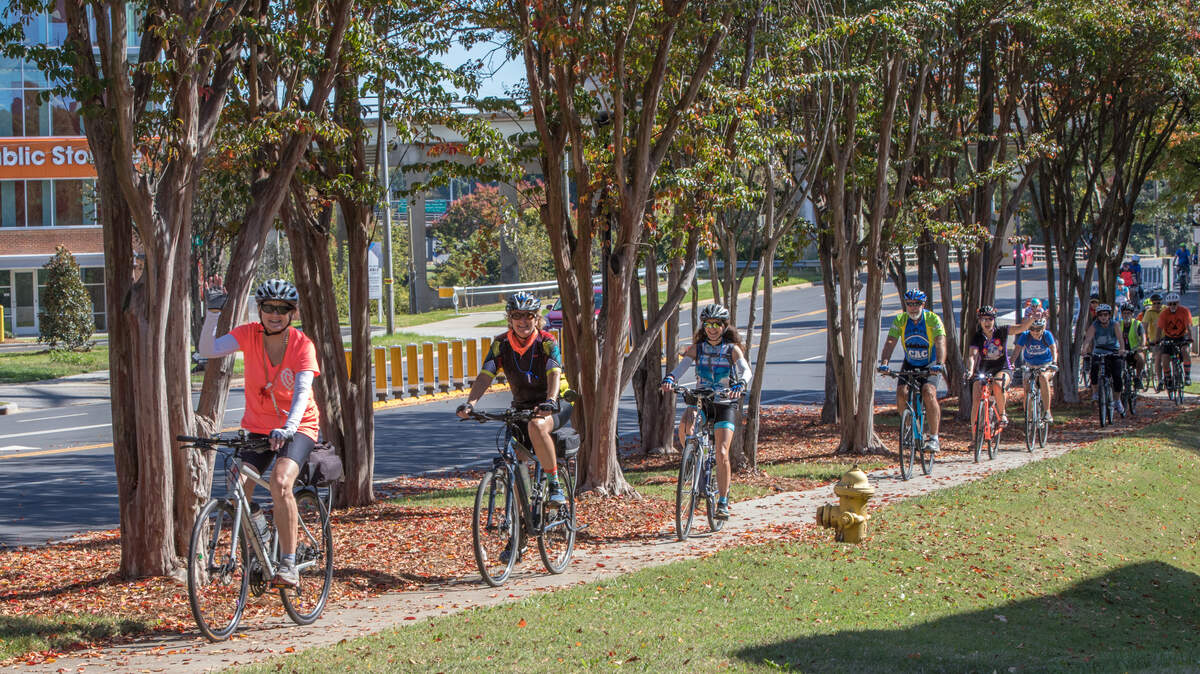
We’re No. 435.
That’s not really catchy. And it’s certainly not reassuring for bicyclists getting ready for a ride. A new study by People For Bikes shows Charlotte ranks 435 out of 566 in its study America’s Best Places for Bikes.
A lack of reporting by Charlotte officials may, however, make the ranking artificially low.
Recreational riding vs. commuting
The pro-bicycling nonprofit has conducted this “best places” study for three years and analyzes data points from a number of different sources, including the government.
Charlotte received an overall score of 1.3 out of 5. Low marks came from safety (1.2), network (1.3) and acceleration (0.5). Taking a closer look at ridership numbers, while bicycle commuting in Charlotte is extremely low, those choosing to ride for fun or exercise ranks fairly high.
“Recreational riding looks to be pretty good in Charlotte, but as you compare it to bicycle commuting for more practical purposes, it’s really, really low,” Kyle Wagenschutz with People For Bikes said.
“I’m not surprised by Charlotte’s ranking,” said Spencer Lueders, a longtime cyclist and founder of the 24 Foundation, a nonprofit helping cancer patients. “A lack of infrastructure, poor street design and many other factors have inhibited Charlotte’s growth in the factors that make up this study. The upshot is that we can only get better from here.”
The low score for safety also doesn’t come as a surprise. A 2017 survey showed Charlotte’s cyclist fatality rate per million population was 5.69. That’s the third highest in the country behind Phoenix and Sacramento. Another study that year showed Charlotte was the 12th most dangerous city in the country for bicycling.
Those numbers represent people. Earlier this year, 62-year-old Karim Abdul Akbar was killed while riding his bike. Less thank two weeks later, 24-year-old Franklin Leal was killed by a hit-and-run driver while riding his bicycle in February.
“I have had some close encounters,” Lueders said. “I recall one event where a car grazed me with the side mirror. It startled me, but perhaps through years and years of close quarters bike racing I was able to stay up, and actually chased down the driver. They seemed confused why I was yelling at them through their window, which told me they had no clue they hit me. That’s the scary part, the lack of attentiveness and distractions from our phones, etc.”
Most bicyclists seem to have their own “near-miss” stories.
“Safety is a barrier. Perception and actual safety numbers are really low. It’s really hard to encourage people to ride if they don’t feel it’s safe,” Wagenschutz said.
Transportation officials in Charlotte are aware of the opportunities for improvement. “The City of Charlotte would like to affirm that it is committed to make walking and bicycling easier in Charlotte and the City is committed to building a more walkable and bikeable community,” said Vivian Coleman, transportation planning section manager.
Accelerating progress
The city’s lowest score came in acceleration. This measures the city’s commitment to growing bicycling quickly. The study suggested the overall perception of progress is a solid 2.7. Growth in bike facilities and events received hash marks.
Charlotte city officials, however, say the numbers don’t tell the whole story.
“We’ve made some great progress adding new sidewalks, bike lanes and trails over the past few years with the adoption of the Charlotte BIKES and Charlotte WALKS plans,” Coleman said. “For over a decade, there has been dedicated sidewalk project funding, and recently, new Bicycle Program funding was allocated through the 2018 bonds. The City’s current capital program includes signature projects such as the Cross Charlotte Trail and the 6th Street Cycle Track.”
The city also started the Charlotte Shared Streets pilot. These are streets that are temporarily designated and signed for street walking, wheelchair rolling, biking, skateboarding and rollerblading. There are currently eight shared streets in Charlotte.
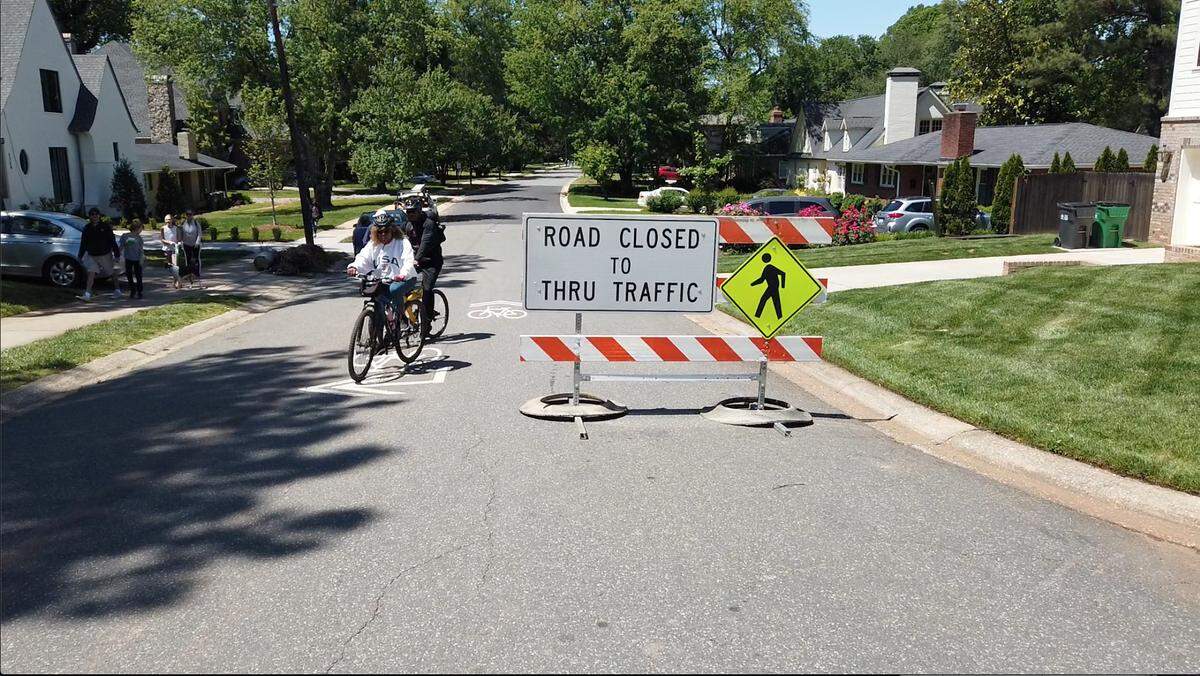
“The Shared Streets pilot program is a great opportunity for the Charlotte Department of Transportation and other partners to continue to explore ways to facilitate safer and more comfortable walking and biking environments,” Coleman said.
The city is not yet done working on pedestrian and bicycle safety. The City Manager’s FY2021 Budget includes $15 million for the pedestrian program and $4 million for the bicycle program.
The city is partially to blame for its low score. Not for a lack of action, but for a lack of reporting. Bikes For People submitted a request for information last September giving municipalities three months to respond. The last time Charlotte submitted a response was 2018.
If the city responded, Wagenschutz said the acceleration and overall number would be substantially higher.
“It feels like the city is taking the right steps to fundamentally address the correct kind of things,” Wagenschutz added.
Even with that in mind, Sustain Charlotte leaders say much more needs to be done.
“Our bicycle network today does not connect to very many destinations, does not reach everyone equally, does not feel safe to most people and non-recreational bicycle ridership is extremely low. Our score reflects these realities,” said Shannon Binns, executive director of Sustain Charlotte. “The City now has some solid plans in place to make our streets safer for cycling, and if we can turn those plans into reality quickly, our score will improve. This will require continued pressure from residents and continued commitment by City Council Members and city staff to prioritize bicycle safety over moving and parking cars.
“Booty” goes virtual
Since 2002, thousands of cyclists have spent 24 hours riding to raise money for cancer research in Myers Park. Due to coronavirus, “24 Hours of Booty” is going virtual, meaning all of those riders will be out there on their own or in much smaller groups.
“I am excited to see how people bring Booty into their own neighborhoods. There are many grassroots events being planned, and the organization is encouraging folks to go ‘unlooped’ however it makes sense to them that is safe,” Lueders said.
The group already surpassed $300,000 raised last week and expects to raise a lot more money in the next month before the event on July 24-25. There is still ample time to sign up and raise money.
This story was originally published June 25, 2020 at 11:27 AM.