‘These people don’t care.’ Do you? Charlotteans react to Trump events during COVID-19
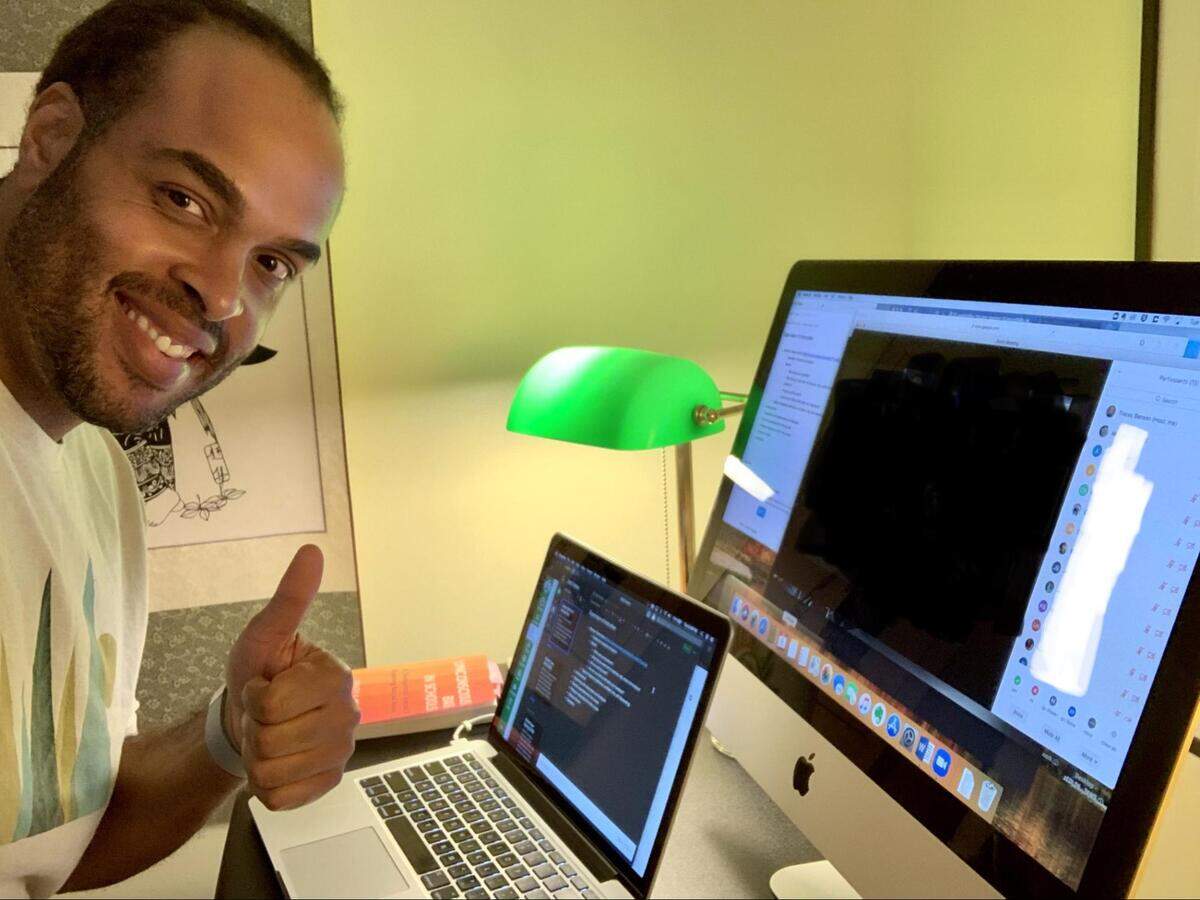
On the afternoon of Sept. 26, Tracey Benson of Charlotte was preparing to serve on a two-hour virtual panel for Communities Ending Racism Now. Instead of in a room with other panelists, he stood at his standing desk, in front of the computer screen listening to others, engaging with participants using the chat feature and contributing to the discussion of policing in our country’s schools. It was safer that way, without any risk of getting or spreading COVID-19.
Later that evening, the assistant professor of educational leadership at UNC Charlotte served as a virtual guest speaker for San Francisco State University’s doctorate in education leadership program. Again, he was behind a screen while he addressed structural racism in K-12 education.
Between the two virtual engagements, he relaxed and engaged in an American pastime, watching college football teams battle on Saturday afternoon — on TV of course, another virtual activity.
Around the same time, more than 200 people filled the White House Rose Garden. There was nothing virtual about this Washington event, as most of us know — the now-infamous gathering has been shown in repeated news cycles.
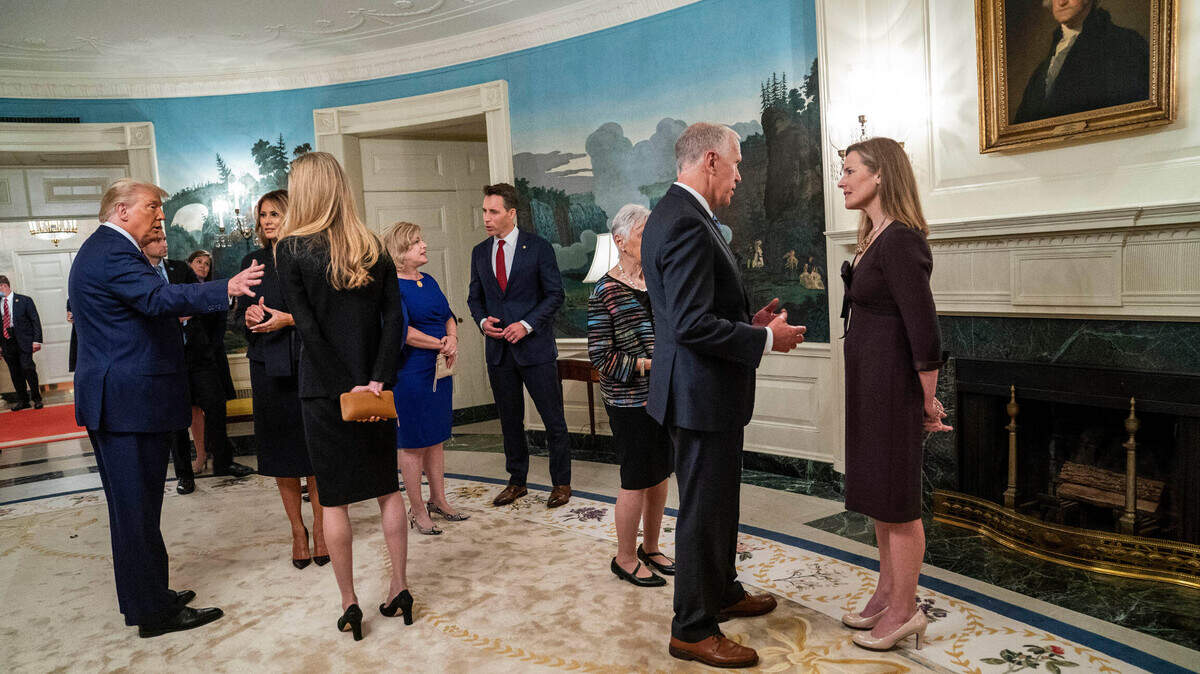
This celebration came with President Trump’s nomination of Amy Coney Barrett as the late Ruth Bader Gingsburg’s replacement on the U.S. Supreme Court. The outdoor portion of the event in the Rose Garden showed attendees standing closer than six feet and many without masks. There was also an indoor reception where Trump socialized with smaller groups of attendees.
While Benson and many other Charlotte residents have followed stay-at-home and safer-at-home mandates to prevent the community spread of COVID-19 for several months, the White House’s ceremony was a stark contrast. Afterward, multiple attendees tested positive for the coronavirus, including Trump, his wife and U.S. Sen. Thom Tillis of North Carolina.
Since then, Trump has returned to the campaign trail, hosting a rally in Sanford, Florida, earlier this week for a crowd of supporters, many of whom were maskless, according to the New York Times. “I’ll kiss everyone in that audience. I’ll kiss the guys and the beautiful women. Just give you a big fat kiss,” Trump said before leaving Washington for the rally, the Times reported.
How do Charlotteans feel about the White House events?
Republican Party representatives in the area have remained quiet on the event. CharlotteFive reached out to vice chairman of the Mecklenburg GOP, Sarah Reidy-Jones. The organization declined to comment. Charlotte Republicans and Charlotte-Mecklenburg Republican Women also did not reply to requests for comment via phone and email.
Representatives from the office of Tillis, who announced that he tested positive for COVID-19 on Oct. 2, also didn’t return voicemails left with them.
Others have spoken out, including Charlottean Ash Williams, the core organizer for Charlotte Uprising, a coalition of community members who advocate for police accountability and transparency, and social and economic equity.
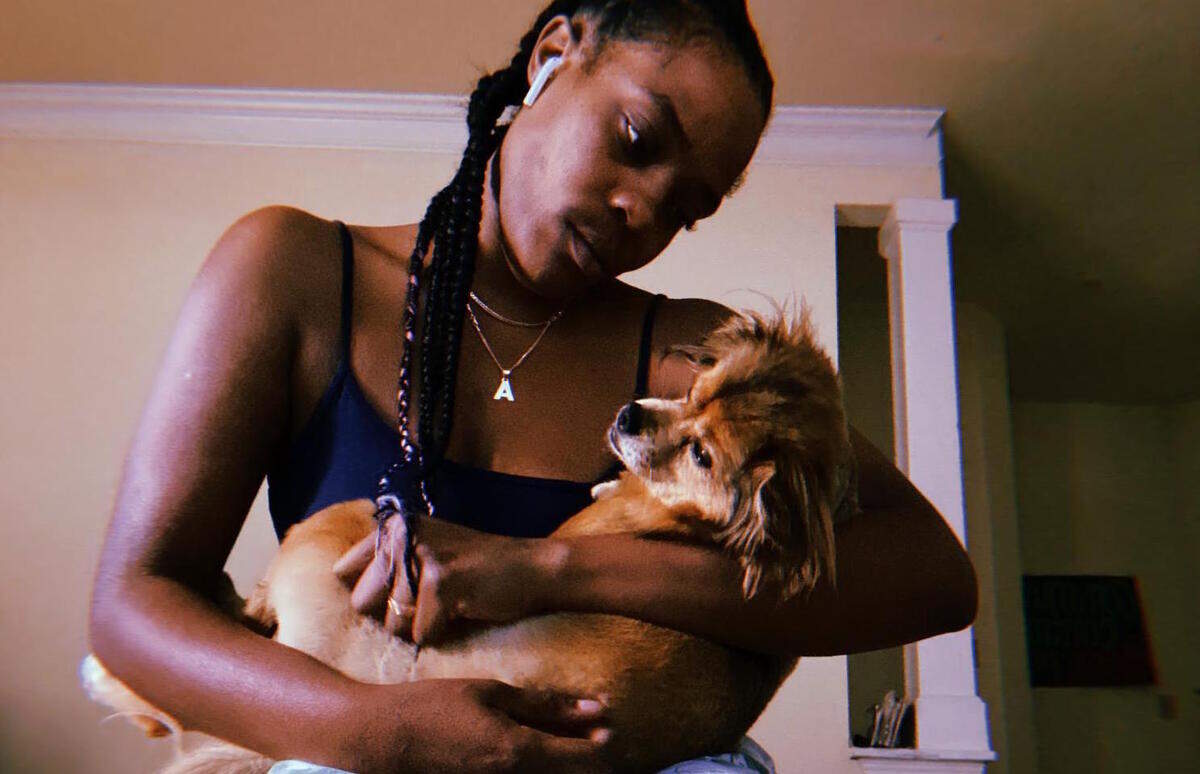
“I think that the behavior that was exhibited by the people who are supposed to be leaders of the country was and is unsafe,” Williams said. “I think it should show the people who live on the occupied lands that these people don’t care about what’s happening and the way this virus is seriously impacting everyone. They definitely are not concerned with the way the virus is impacting those in places of incarceration that they also sanction.”
On a personal and professional level, the group’s members have sacrificed a great deal during COVID-19, Williams said.
Prior to the global pandemic, Williams and their team provided around-the-clock support for three months to the people inside the Mecklenburg County Detention Center. During COVID-19, they has had to be more creative with organizing volunteers and still providing the jail support needed during a sensitive social and political climate.
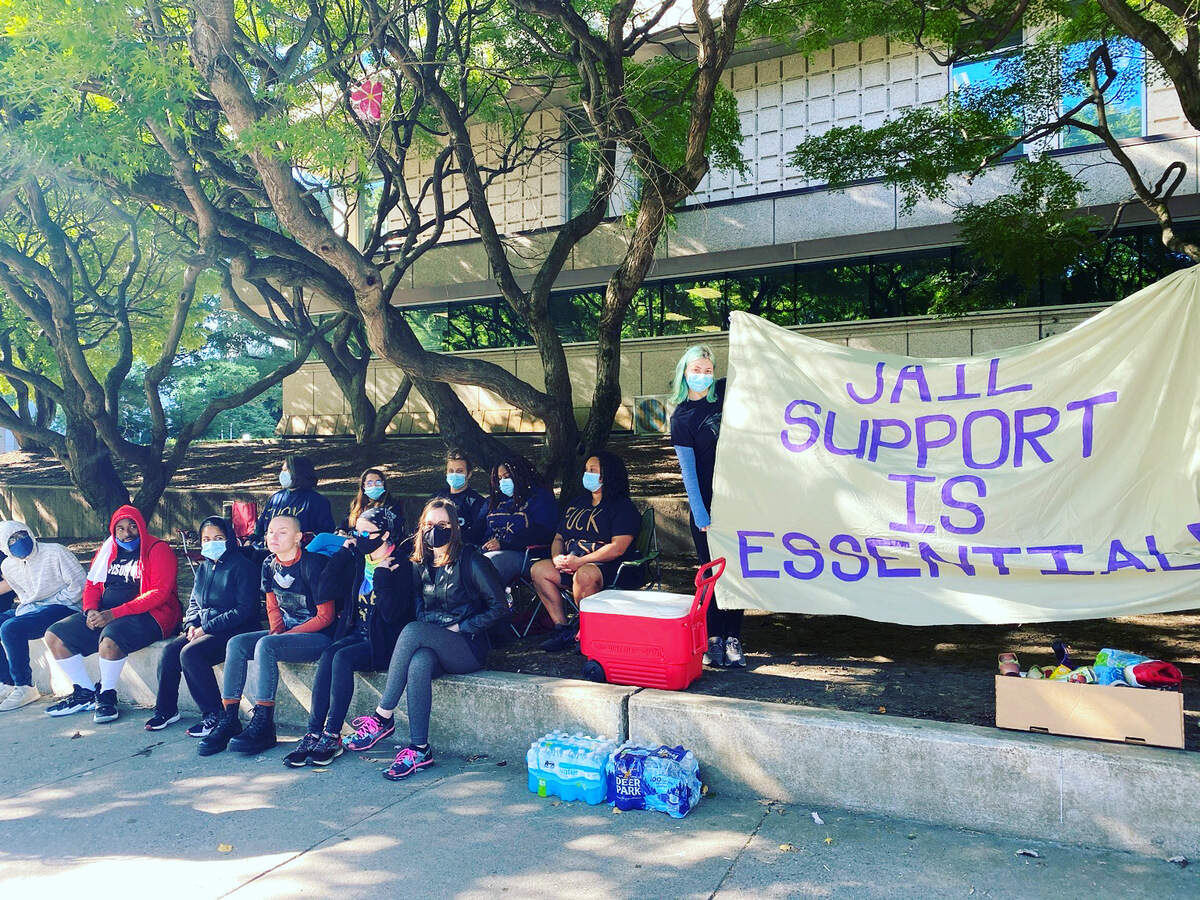
People in jail want and need access to the same precautionary measures as people have on the outside. Masks, hand sanitizer, testing for COVID-19 and treatment for those who have the virus while in jail are their focus. The same care and treatment of someone who may have contracted COVID-19 on the outside is not accessible to people on the inside.
It’s not too dissimilar from a familiar argument that people around the country are making about the president’s treatment options during COVID-19. As he’s tweeting “Don’t be afraid of Covid. Don’t let it dominate your life,” loved ones of the pandemic’s victims are calling his message not only offensive but dangerous.
Travel, social events canceled during COVID-19
Mark Kelso, professor of political science at Queens University of Charlotte, has been teaching virtually since March. It’s not as easy to cultivate strong relationships with students and colleagues in the virtual space. While he usually finds solace in his travels and frequenting restaurants and shows,adjustments had to be made this year. A summer visit to see his niece in New York City, an annual trip to visit his mother-in-law and a vacation to see his brother in Charleston, SC, all had to be canceled.
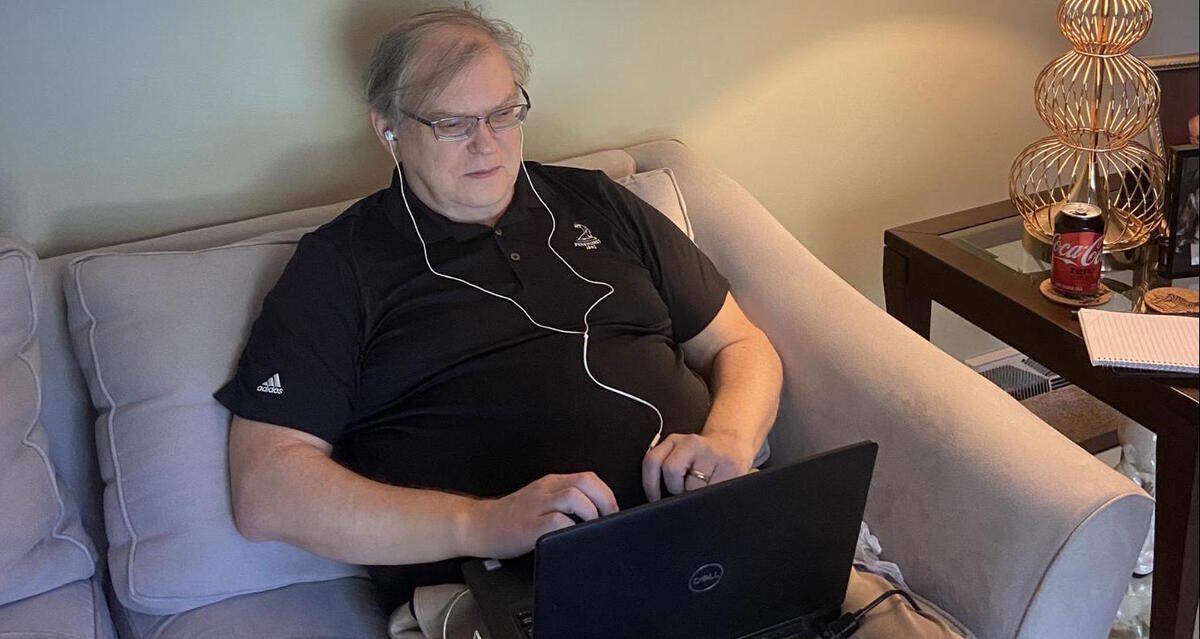
While he said he understands the need to be safe during this time, Kelso and his wife miss their friends and family. He sometimes feels trapped because his family can’t leave their home without taking significant precautions. While he understands why travel and social activities are no longer as accessible, these small joys add to his quality of life.
Kelso disagrees with the rhetoric by the White House during this sensitive time. The event in the Rose Garden is an example of what he calls inappropriate messaging.
“From the very beginning, our leadership at the national level has not taken this pandemic seriously,” he said. “They have downplayed it. They have not done what needs to be done.”
Davidson College Republicans were out canvassing that day
Maya Pillai, a senior at Davidson College, has not been able to do as much community outreach as she’d initially planned during this campaign season. Physical events were quickly replaced with virtual campaigning, which has presented some limitations due to technology and video-conferencing fatigue.
Pillai serves as the president of Davidson College Republicans and Vice Chair of North Carolina Federation of College Republicans. From 9:30 a.m.-2 p.m. on Sept. 26, the same day as the White House Rose Garden event, she and other party affiliates were in Concord, North Carolina canvassing and door knocking for candidates in the upcoming election.
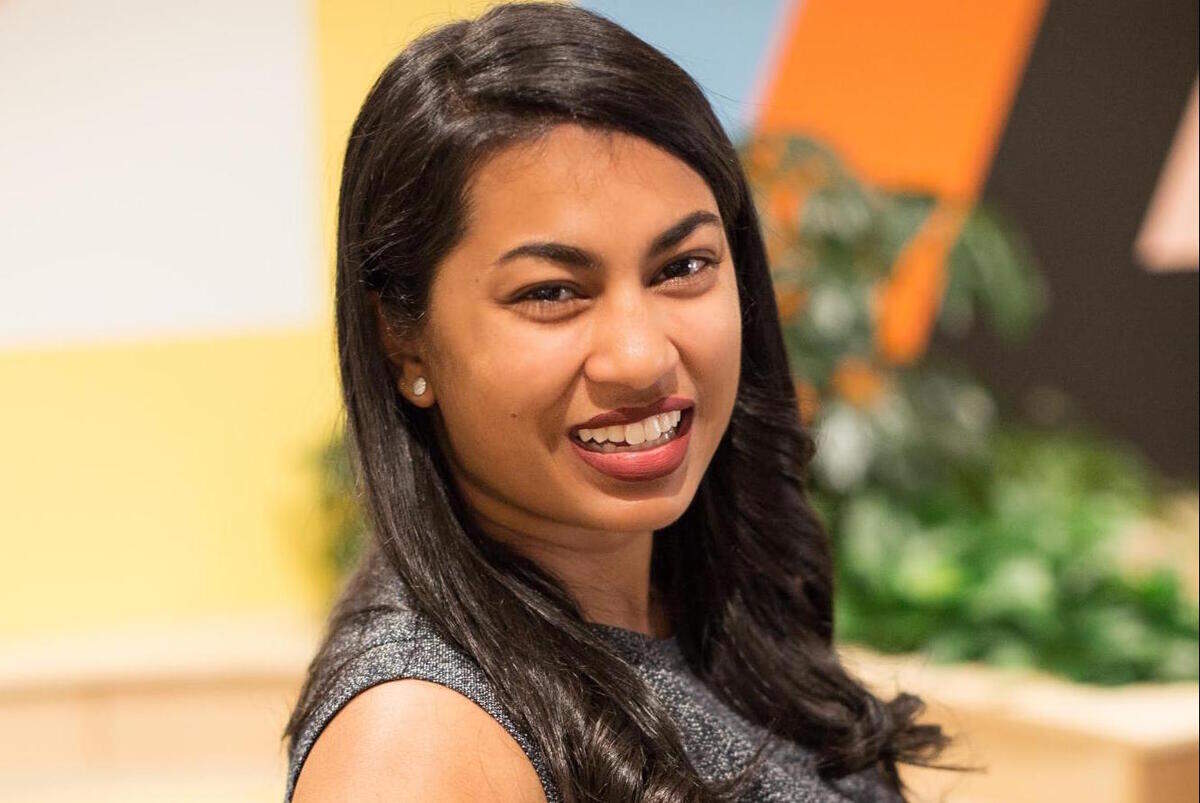
Another aspect of the Rose Garden event narrative needs to be analyzed, she said. It may not always be a political gathering, it can be a social gathering where people contract COVID-19.
“One cannot just attribute a particular event to COVID-19,” Pillai said. “Yes, there were a lot of folks there but those same folks could’ve contracted it from a meeting they had earlier that day or the day prior.”
Making masks instead of socializing
Tommie James, co-chair of the North Carolina Green Party (NCGP) and an active member of the Charlotte Area Green Party, spent the early stages of the pandemic using an old skill to help keep her loved ones safer.
In early March, masks were in high demand. James was among the number of Americans who decided to take matters into their own hands. She spent time at home researching how to make masks. Eventually, she was able to gather mask-making materials and start the process of re-teaching herself how to sew. Though much of the early stages of the process plagued her with frustration, she knew she was being responsible and encouraging the same sentiment to her family and friends.
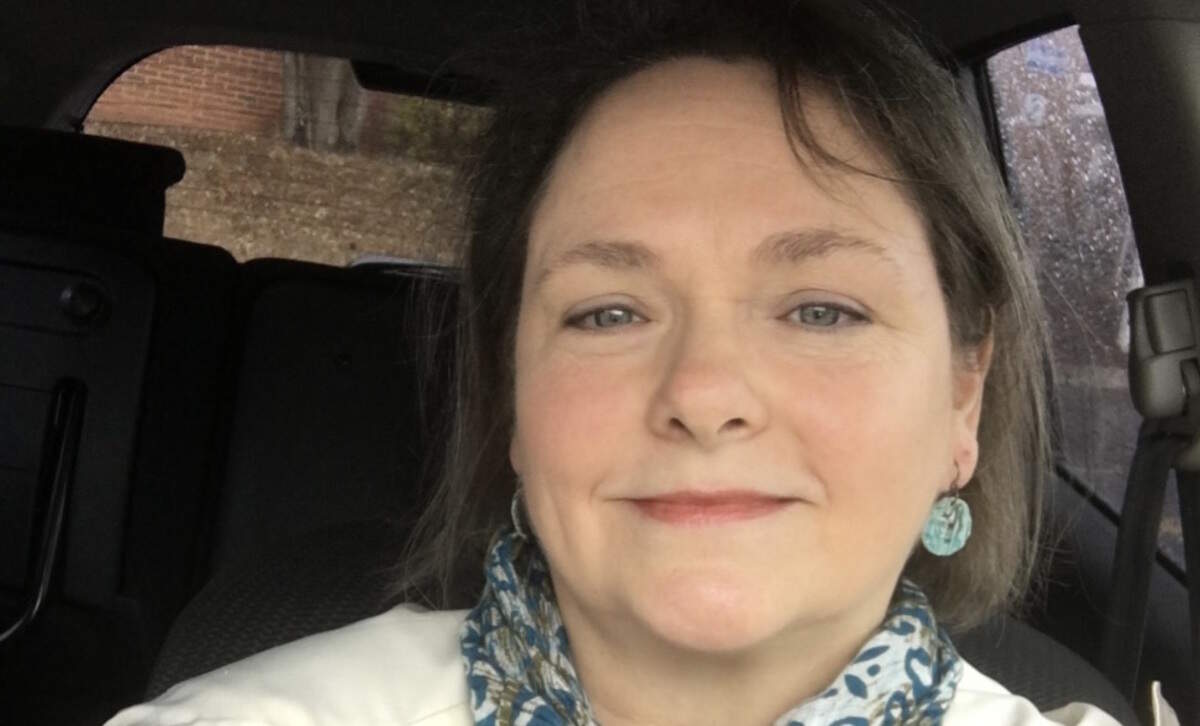
“I believe it is incredibly irresponsible and has unfortunately encouraged too many to follow the president and his administration’s example,” James said. “I think it demonstrates a profound lack of concern for the safety of the people this administration is tasked with protecting.”
Virtual celebrations over Rose Garden celebrations
Benson, the UNC Charlotte assistant professor, has had to adjust tremendously due to COVID-19 — and not just with the virtual speaking events. In February, renovations on his 70-year-old aunt and uncle’s home began, and they came to live with Benson temporarily. All parties expected the new living arrangement to last for only a few months. Due to COVID-19, the renovations have significantly slowed down. Meanwhile, the unpredictable nature of how the virus spreads has forced his family to be extremely cautious, leading them to remain mostly confined to their home.
He and his wife have been working remotely since March. Their son completed his high school education online. They had to be creative with their son’s graduation celebration during COVID-19.
Balloons and streamers covered the family’s living room, setting the scene for the festivities. Benson printed and provided attendees with an official program with the graduate’s image on the front. He and his wife, adorn in doctoral regalia, recited speeches, followed by words from the graduate. His aunt, uncle and grandparents were in attendance, while the ceremony streamed on Facebook Live for those who were unable to attend. A montage of prerecorded well-wishes from family across the country was broadcasted, and a cake decorated in the colors and emblem of his son’s future university was the culmination of the night.
The virtual graduation celebration stands in stark contrast with the Rose Garden gathering.
While Benson has managed to navigate an unpredictable year, he notes the nature of Trump’s behavior during the global pandemic.
“I think he’s being reckless, and it is not outside of his character,” he said. “He will politicize anything. He has chosen to politicize COVID-19 to try to shirk responsibility. It’s for his own benefit and his own image.”
Trump should be the first one to wear a mask and to have frequent messaging that says people should wear masks and the reason why, Benson said. But, since he’s not portraying that — even in some instances after he caught COVID-19 — his followers think everything is fine.
This story was originally published October 14, 2020 at 12:44 PM.