
Charlotte man warned of possible COVID-19 reinfection. Then the victim-blaming began.
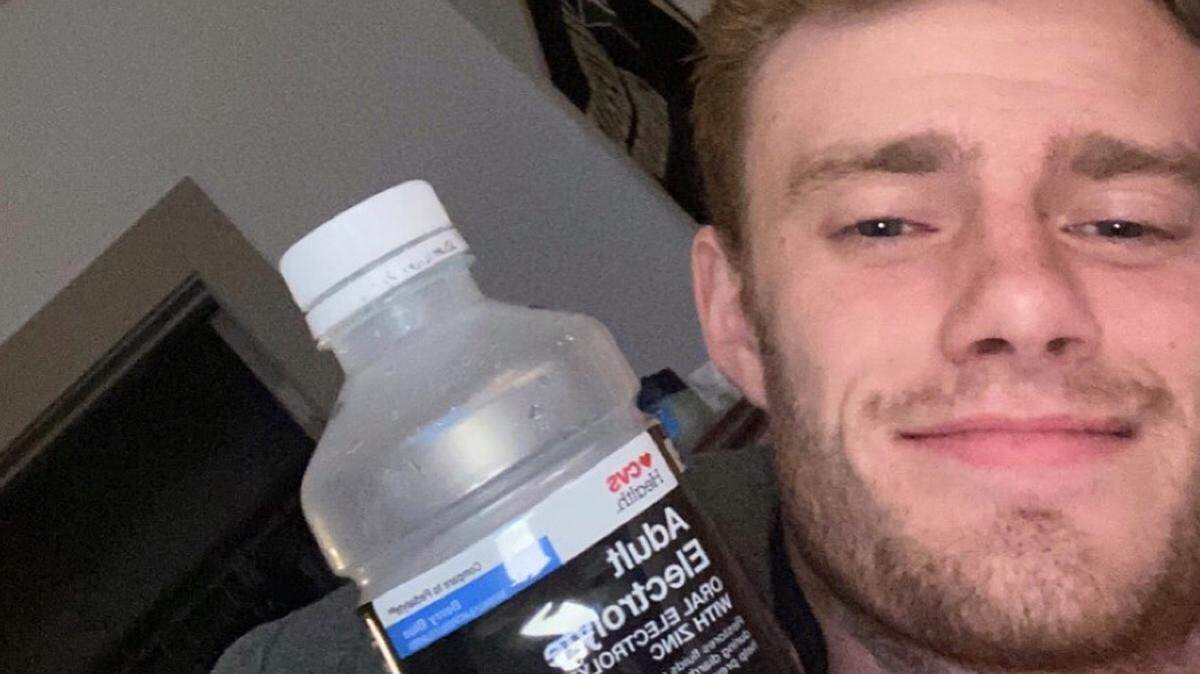
My name is Austin Konkle, and I work at Red Ventures out of our Charlotte/Fort Mill office (and, more recently, out of my studio apartment in South End) as an analyst for the travel brand “The Points Guy.” I recently read Jillian Longsworth’s article profiling her experience with COVID-19 and the phenomenon of “COVID-hiding.”
First off, I found the piece immensely refreshing. I have likewise found that conversations about the real, anecdotal experiences of COVID-19 patients have been few and far between, and learning about the ongoing symptoms from the mouth of a survivor and not from a talking head on a news network was important for me, as I’m sure it was for many. Over the past 7 months now, I myself have also had a peculiar and isolating experience with the novel coronavirus that I have felt both empowered to and discouraged from speaking about.
I often travel (or used to) for my role and spent much of January and February in New York City. Upon returning home to Charlotte in late February, I started noticing potential COVID-19 symptoms on Feb. 24. Of course, at this time, the narrative was that COVID-19 was not widespread beyond China and a few additional isolated populations around the world.
I casually but pessimistically requested a COVID-19 test from a local urgent care facility after my flu, strep and mono tests all returned negative, only to be told that the state of North Carolina only had 3 tests available at that time. Should I have received a test, I may have been the very first documented (though I’m sure far from the very first actual) COVID-19 case in the state on what would have been Feb. 27.
After about 9 days of running a high fever with extreme fatigue, I gradually began to recover, and, about 3-4 weeks later, members of our New York office reported positive COVID-19 cases with symptoms similar to mine. At that time, the jokes around the office about me “bringing the coronavirus to North Carolina” were very real, but short-lived as work from home began very soon after I was healthy enough to return to the office.
Five months later, boyfriend tests positive for COVID-19
Fast forward 5 months, and my boyfriend, Murphy, called me, saying that he had started feeling sick and had just received a positive COVID-19 test. As luck would have it, in clean succession afterward, I started exhibiting the same symptoms in the same order. I messaged my doctor and, out of an abundance of caution, the two of us decided that I should assume that I had COVID-19 (possibly, again) and quarantine for the next 14 days.
Notably, this was the very same day that CNN reported the first possible COVID-19 reinfection case found in the United States in a Nevada man. I may very well have been in his same select boat, but certainly cannot confirm or deny this fact, given that tests were not available when I first contracted my illness back in February.
The symptoms came and went relatively quickly this time. Sore throat transitioned to 2-3 days of relatively high fever, transitioned to some shortness of breath and fatigue. But, more recently, the long-lasting, more insidious effects have started to take hold. They have been almost identical to the ones that Jillian reported: chest pain and tightness, numbness in my hands and feet (predominantly left side) that have actually made walking and typing quite difficult at times, and a brain fog and true exhaustion that are very difficult to describe and feel much more like a physical manifestation of depression than anything else. At 23 years old, all of these symptoms and their lack of a termination timeline are very scary over a month later.
Spreading the word about COVID-19 reinfection
Furthermore, I have also done my part to spread awareness of my situation and symptoms on social media and with my family. And, of course, but unfortunately, that is where most of the victim-blaming has really started to take shape.
After posting something on my Instagram story about the dangers of reinfection, I was immediately greeted with an onslaught of responses questioning my behavior: Was I not social distancing? Was I going to parties? Was I not wearing a mask? I was already expecting assumptions that somehow my sickness was a result of some presumed “irresponsible behavior,” but I hadn’t foreseen it being so forward and accusatory.
Growing up and in college, I was someone who often got sick more frequently than my friends, but it was as if my slightly less fortified immune system was suddenly a moral flaw in addition to a physical one, like I was somehow more at fault for following all necessary precautions and actually contracting the virus than the innumerable people who are not following guidelines and have remained healthy or asymptomatic.
Moreover, I asked online if any of my friends and followers had also had COVID-19, and the number of “yes” responses was staggeringly high, given how few examples of personal COVID-19 stories I’ve seen and heard in the last six months. I suppose other people have also been hesitant to face backlash from the “virtuously healthy” members of their following.
At this point, even my family has leaned into the moral pandemic fallacy of this current environment. My nephew, who lives in Charleston, SC, was born in mid-August, and I still have not been allowed to visit him — less because of my COVID-19 diagnosis over a month ago and more from their questioning of my obviously careless and reckless behavior that I must be engaging in to have potentially contracted the virus twice. (I am certainly not censuring their choice to keep a newborn baby safe and should they have cited that reason for keeping me at arm’s length, it would have been more than viable — but the continual mention of my alleged “behavior” and “groups of people I must be seeing” is the frustrating and scapegoating rationale behind their decision to not let me visit).
Empathy for each other’s exhaustion
All of this is to say that this experience has been lonely. Currently, my boyfriend is undergoing many of the same long-term effects, so we do have a special empathy for one another’s exhaustion right now.
But beyond this, the personal malaise and isolation that is amplified by the scornful and unearned moral high-ground of others, juxtaposed against the painfully emotionless and diagnostic reports of the media, and all falling on the willfully deaf ears of the many citizens and politicians who continue to downplay the severity of the virus creates a mental and emotional bubble that is particularly fragile, disheartening, and, again, lonely.
I am going to continue to work at the best pace that I can, and I am lucky that my company is exceptionally gracious with their employees and their needs during this time. I will continue social distancing outside despite South End’s baffling ability to look eerily as though we aren’t in a global pandemic on most days along the Rail Trail.
I will continue wearing a mask when I go to my apartment’s newly reopened gym at odd nighttime hours of the day (after going multiple times during normal hours and being the only person with a mask each time, even eliciting a few of the kinds of looks from my fellow residents that you give the kid who raises their hand and asks if you have homework at the end of class — yes, I am following “the rules,” and yes, it is posted on the wall clearly for you to see because, yes, it is the law).
If you’ve had COVID-19 and you have ties to Charlotte, email us at charlottefive@charlottefive.com and tell us your experience. We may publish it in an upcoming article.
This story was originally published October 15, 2020 at 10:14 AM.