
Opinion: I didn’t plan on catching COVID-19 for my birthday, yet here we are.
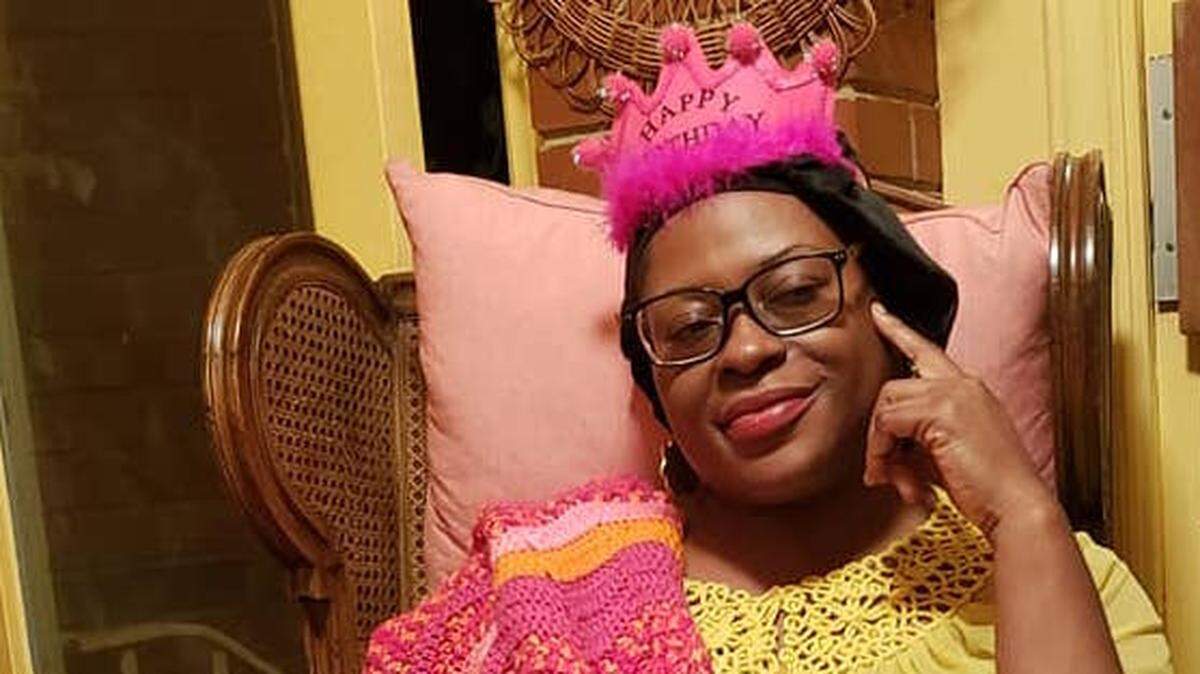
Catching COVID-19 taught me about my own mortality, yes, but it also taught me about the vitality of community. It took a serious illness for me to realize that, even as an introvert distrustful of groups, I have been building community all this time. I just didn’t recognize it because I hadn’t had to rely on it before now.
I’ve always seen myself as a loner. Everything about my identity is the flipside of mainstream narratives. I was born into Third World privilege but raised in First World poverty. I migrated from the urban South to the rural North. I like children but have never, ever wanted to have any, even when I was happily married. And though grateful for the experience, I’ve been even more happily divorced as I fine tune my unorthodox spirituality and sexuality. Being intersectional has made me hypersensitive to social “othering,” when groups define themselves by who is not a part, a practice so common most people don’t even notice when they’re doing it. So I generally shun church and other social organizations where community ties are normally built in favor of individually wrapped friendships.
“Far be it from me to break the fellowship of believers,” I used to say, and mean it. I’d tell myself, people want to be in harmony, and injecting the discordant notes of my lived experiences, especially where they challenge a predetermined conclusion, is wrong. And maybe the answer is simpler: I just don’t like group dynamics. I’m aware, and maybe even a little ashamed of, the disconnect between how I live and my ideological allegiance to community. I prefer personal interactions with thoughtful weirdos who, like me, are enough of many things that they don’t fit neatly into any one box.
Still, I’d begun participating in my neighborhood more this year. Showing up for socially distanced Sunday morning walks, outdoor holiday parties, making more of an effort to know the names of the children playing on the block. I also found myself reaching out more in my social media circles. It wasn’t a concerted effort, just an inclination to strengthen ties with folks I was around, digitally and geographically.
I wasn’t lonely, but I keenly felt during quarantine the facts: 1) that I live alone and 2) my family is 600 miles away. I like solitude and am generally happy, but 2020 was taking its toll. Despite career gains, it had been rife with personal loss and thwarted goals. I was running low.
Celebrating a birthday during a pandemic
By November, eight months into the pandemic, my birthday was fast approaching and I just didn’t have the energy for it. I made a list of about a dozen things I wanted to do, most of which were out of the question. A cold snap took hang gliding off the table. Photo shoot? I didn’t have the spoons for shopping, finding a hair stylist and getting a make-up artist. Besides, I needed to replace two major appliances. I considered a simple party, but that required more planning than I was capable of to make it safe.
But my birthday is important to me. I don’t ask much of my friends beyond undying loyalty. I’m supremely self-sufficient and have developed complex workarounds for the areas in which I have deficiencies. If it sounds like OCD, that’s because it is. Strapped to the tracks of my own indecision, watching the date bear down on me like an oncoming locomotive, I decided that instead of panicking or doing too much, I’d simply relax and see what the universe had to offer.
It was the right call.
One of my best friends showed up on my front porch with her wife, another of my favorite people. They’d driven up from Atlanta to surprise me with the most raucous Friday night party three people can have. On Saturday, I got a text from a good friend living in Portland, Oregon, who was coming to Durham to see his daughter. We hadn’t seen each other in years, and within a few hours we were eating curry goat and reminiscing. Days later, a close friend I hadn’t seen in a decade also popped through en route to Miami.
In between, my people who live locally stopped in to hang out and party one-on-one with me. It was a weeklong showering of affection that I didn’t know I’d needed.
But in addition to the loving on and material items, someone gave me the gift of COVID-19.
My COVID-19 symptoms
It took a couple days for me to realize I’d stopped eating. My appetite was clean gone. Initially I told myself, “I guess I got what my soul needed; no wonder my body’s satiated.” Bull. When I did try to eat, everything was too salty. Hot peppers, which I make liberal use of in my cooking, felt like I was eating a cactus. I wanted to cry.
I had zero energy, but I forced myself to eat a piece of fruit a day — fruit I only had because my young neighbor and her mother had dropped some off the week before. I was rich in pineapples, mangoes, oranges, apples and persimmons. At the time, I had wondered why they bought me so much; I joked that I could open a fruit stand. But that fruit probably saved my life.
As Thanksgiving neared, I was too weak to cook, too weak to shop. Two dear friends made sure to drop off plates from their table to my porch. A Facebook friend stopped by with traditional medicines, and a writer friend DoorDashed lunch out of the blue.
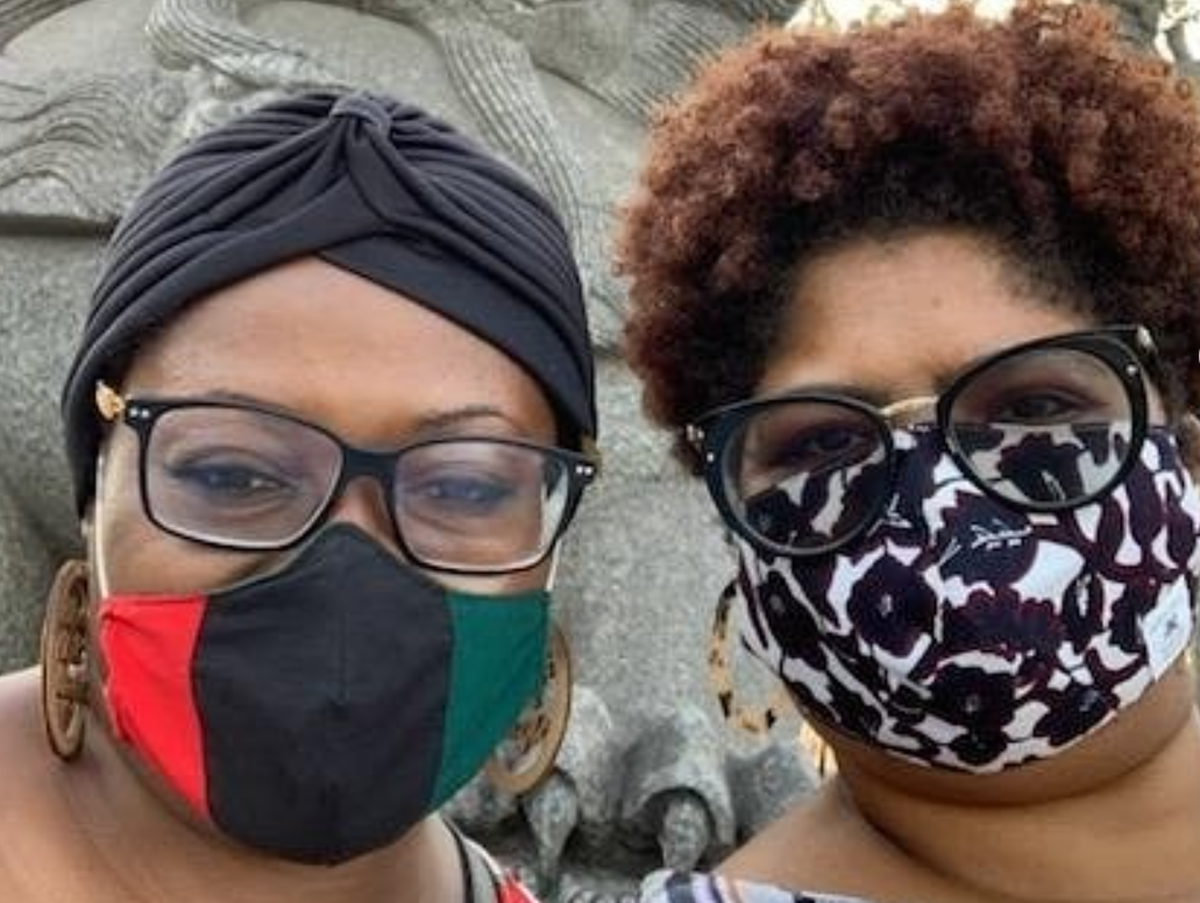
My neighbor left bags of groceries and wouldn’t let me pay her back. Even my father, from whom I was estranged, began calling several times a day upon learning I was sick. We usually talk twice a year.
It’s been weeks now. My appetite has returned, and I’m no longer sleeping 20 hours a day. A stubborn, wet cough is my only lingering symptom.
Even alone, we need each other
Even so, the check-in calls just to make sure I’m all right and ask if I need anything have barely diminished. When I told my dad I’d retested negative for COVID-19, he sounded a little sad on the other end of the line, and I realized I needed to call him more.
What I’ve learned from the coronavirus is that no one gets through life without community. In that sense, catching COVID-19 was one of the greatest unexpected gifts of my life.
We build it every day in our relationships and our interactions with each other, in person and online. And though it may not look like the traditional models we were taught growing up, one can be as consistent and reliable as any other.
We aren’t alone in this. Lean on each other.
.jpg)