Gardening in NC doesn’t have to be expensive. Grow a vegetable garden with your own budget.
Editor’s note: This story originally was published in 2022, but we’re resharing in anticipation of spring garden planting season. Just make sure not to plant outside until after April 15, 2023, when experts say we’ve passed the risk of freezing weather in North Carolina.
Years ago, Xiomara Livingston tried to grow her own vegetables. Not because she was worried about the cost of fresh produce rising or hoping it might decrease her overall grocery bill. Instead, she had delicious motivations. Livingston had seen her parents grow a garden that produced vegetables that were bigger and more flavorful than anything she’d ever tasted at the grocery store, and she was inspired.
It did not last. The elementary school teacher didn’t have a routine, and didn’t water the plants in her backyard enough. They never flourished, and she never produced the bountiful harvests she dreamed she might.
“I would come home after work and get comfortable instead of taking time to tend to my garden,” Livingston said.
Community gardens: How to garden without a yard
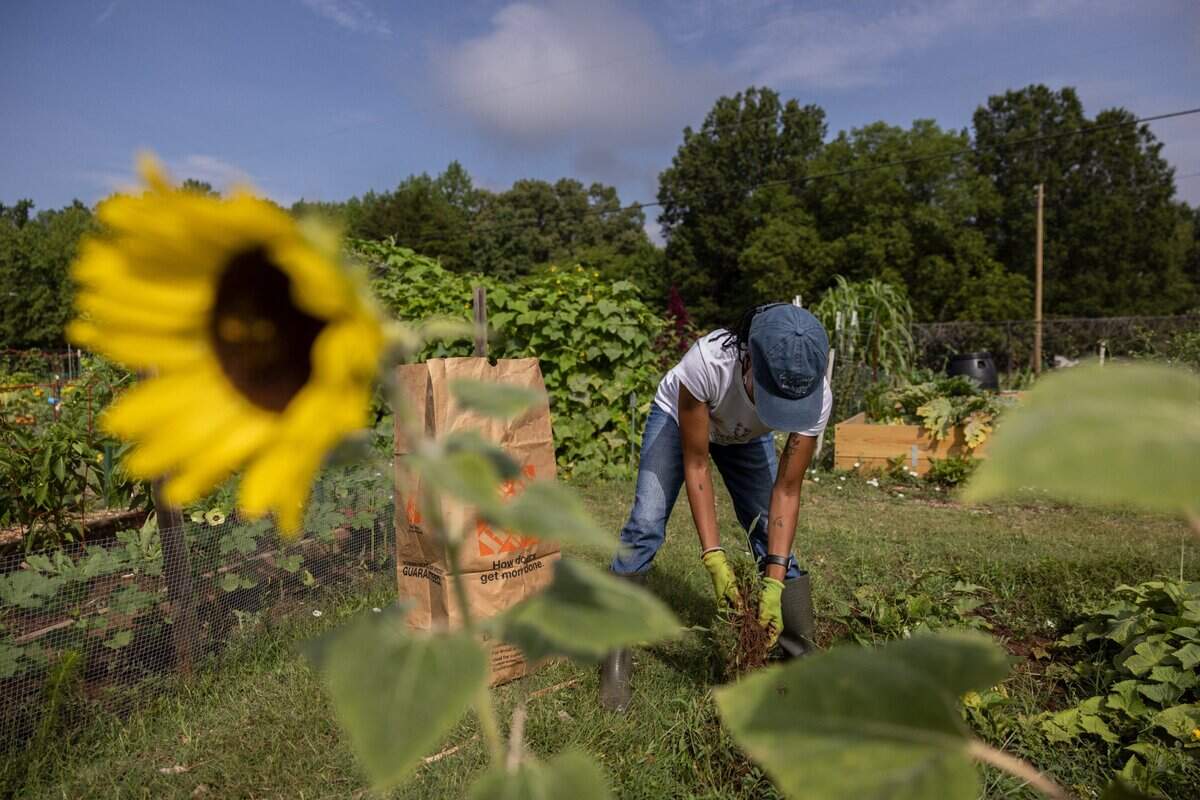
But a few years ago, she decided to try again. Her daughter gave her some seeds for Mother’s Day, and for $15, she rented some space at the Reedy Creek Community Garden. She used the water provided there and showed up two to three times a week to make sure everything she planted in neat rows in the ground was still alive.
Soon, she had sunflowers and carrots sprouting up. She made pesto from the carrot tops, devoured the orange roots and accidentally discovered something: She could grow her own food for very little money — and for tons of benefits.
“The taste of it was so fresh,” Livingston said. “Gardening is a lot of work, but it is well worth the benefits. When you grow your own food, you can be sure that it was grown with love and without harmful chemicals.”
A garden can exist even after downsizing
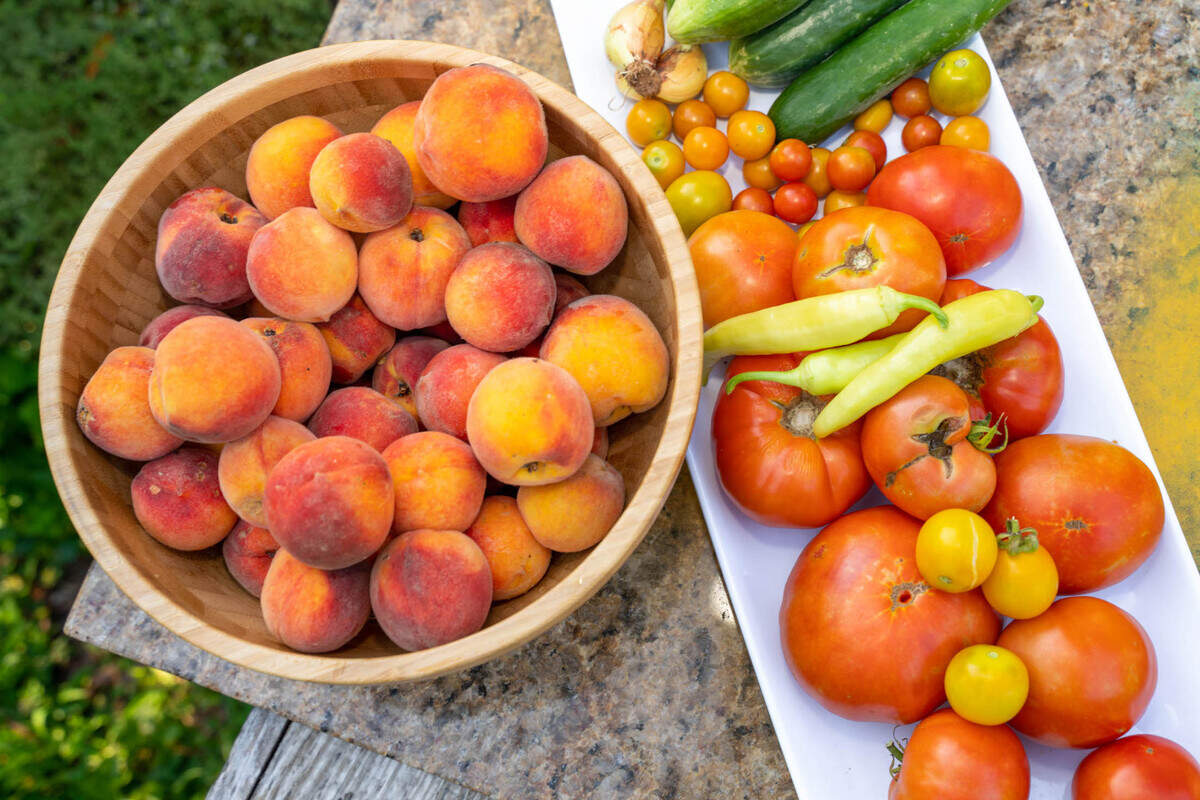
Joey Hewell discovered the same thing from his backyard garden in NoDa. He and his husband have since downsized to a smaller backyard garden that focuses on herbs and plants they know they can grow well in four raised beds, but they once grew everything from tomatoes to squash in their large backyard. They still use much of the produce they harvest for food for their customers at NoDa’s Company Store. And one year he and his husband, Scott Lindsley, even tried to see if they could get by on only the vegetables they grew in their garden.
“We did pretty well,” Hewell said. “We succeeded, but it was a lot of work just to provide for me and my husband. I can’t imagine what type of garden you would have to have if you had a family that was larger than ours. … But if you had a bunch of land and you had a bunch of time on your hands, it’s a possibility.”
You can do it, too
Stacy Hodes swears it’s not that difficult. Hodes, a master gardener with the Extension Master Gardener Volunteers in Mecklenburg County, says all it takes are some cheap seeds or transplants, some nutrient-rich soil, a dash of sun, plentiful water and lots of patience.
And with food prices skyrocketing in recent months thanks to unprecedented inflation, it might be a way to help your pocketbook stay the tiniest bit fuller … if you start now and prepare to invest some time in making sure everything works.
“I discovered here in Charlotte that you can garden year-round if you know what you’re doing,” Hodes said.
Call the ‘hortline’ for help
Hodes’ organization, Extension Master Gardener Volunteers in Mecklenburg County, started a help desk referred to as the “hortline” (“hort” for horticulture) during the height of COVID, and it has become a wildly popular and easy way for experts to relay research-backed advice to novice gardeners.
“There’s so much out there on the internet, and people say, ‘Oh, you know, put vinegar on this to get rid of this weed’ or whatever,” Hodes said. “Well, there’s a lot of stuff out there that’s probably not good advice.”
Here, then, is the best advice from two experts based on both university research and personal experience for planting your own vegetable garden in the Charlotte area. Hodes and Reedy Creek Community Garden’s captain Don Boekelheide have both been gardening for decades and say there are just a few steps anyone needs to follow to produce your own delicious and inexpensive food.
Pay careful attention to the soil
If there’s one thing most important to a garden, it’s the dirt you use to plant in.
“You can’t grow anything successfully unless you have really good soil,” Hodes said.
North Carolina is blessed with good clay soil, Hodes said, to serve as a base for a healthy garden.
“The clay soil that we have here is wonderful, it just needs a little help,” she said. “It’s got a lot of good stuff in it, it just needs to be broken down just a little bit and mixed with other stuff.”
In most cases, that means mixing some compost with the top layer of dirt.
“Our clay soils, ‘unlocked’ with a bit of compost — from Mecklenburg County; it’s not expensive! — can grow anything,” Boekelheide said. “Plaza Midwood started as a big strawberry farm. So, the first thing is to look on the bright side: You can do this!”
To find out precisely what your patch of earth might need, the NC Department of Agriculture and Consumer Services Soils Lab provides free testing for nutrients and pH for North Carolina residents (except during peak season, Dec. 1-March 31, when there is a $4 fee).
“The soil is No. 1 in anything you’re going to do,” Hodes said.
An easy way to ensure you have good soil? Try container gardening.
Container gardening doesn’t have to be fancy
Container gardening can mean using anything from a plastic pot to a simple bag of soil to a portable, canvas bag with handles on it to make it easier to move into and out of sunlight.
The benefits of container gardening, according to the Mecklenburg Extension Master Gardeners, include: “the containers can be raised or lowered for easier accessibility, placed in a sunny or shady spot, moved to a sheltered area for extreme weather, and protected from wildlife that may damage plants or try to eat your harvest.”
Most gardening centers will have a soil specifically designed for container gardens that has more airspace in it, Hodes said.
And here’s the thing: the container doesn’t have to be fancy.
“Plants have no idea if they’re in a box or not,” Boekelheide said. ”They have no idea if you’ve spent $1,000 to create some kind of special patented thing or not. They’re just plants and they’re gonna grow.”
In fact, Boekelheide suggests for those who really want to save some money to simply slice open a bag of soil mix and plant directly in there.
“Save money on the front end by starting small and keeping it simple and working with the soil, which is much better environmentally,” Boekelheide said.
One thing to keep in mind: You’ll have to water your container garden more frequently than you would an in-ground garden because they will dry out faster.
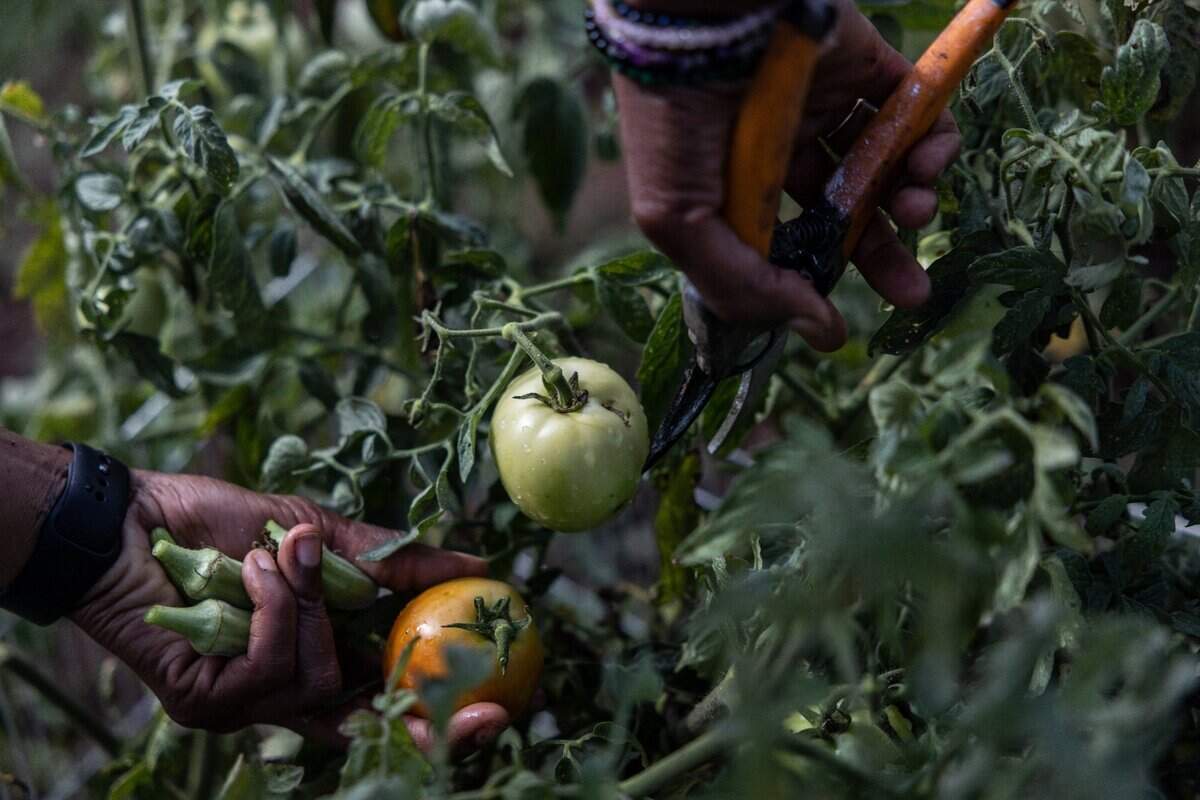
Start with some easier vegetables like tomatoes — ‘they want to grow’
Among the easier vegetables to cultivate in North Carolina for novice gardeners are: Green beans, bush beans, tomatoes, squash, cucumbers and lettuces.
“Around here, tomatoes are basically a weed,” Hewell joked. “They want to grow.”
Seeds can cost as little as $1 a packet, while transplants average $5 or so at big garden centers. Of course, everything comes with a caveat.
Make sure you’re planting at the correct time for seeds or transplants to flourish. For instance, no one should try to plant lettuce in late June or early July.
“They don’t like the heat,” Hodes said. “There are very few types that can take the heat right now. So I would not recommend people starting lettuce now. But I’ve had lettuce, and I’ll start it again in September.”
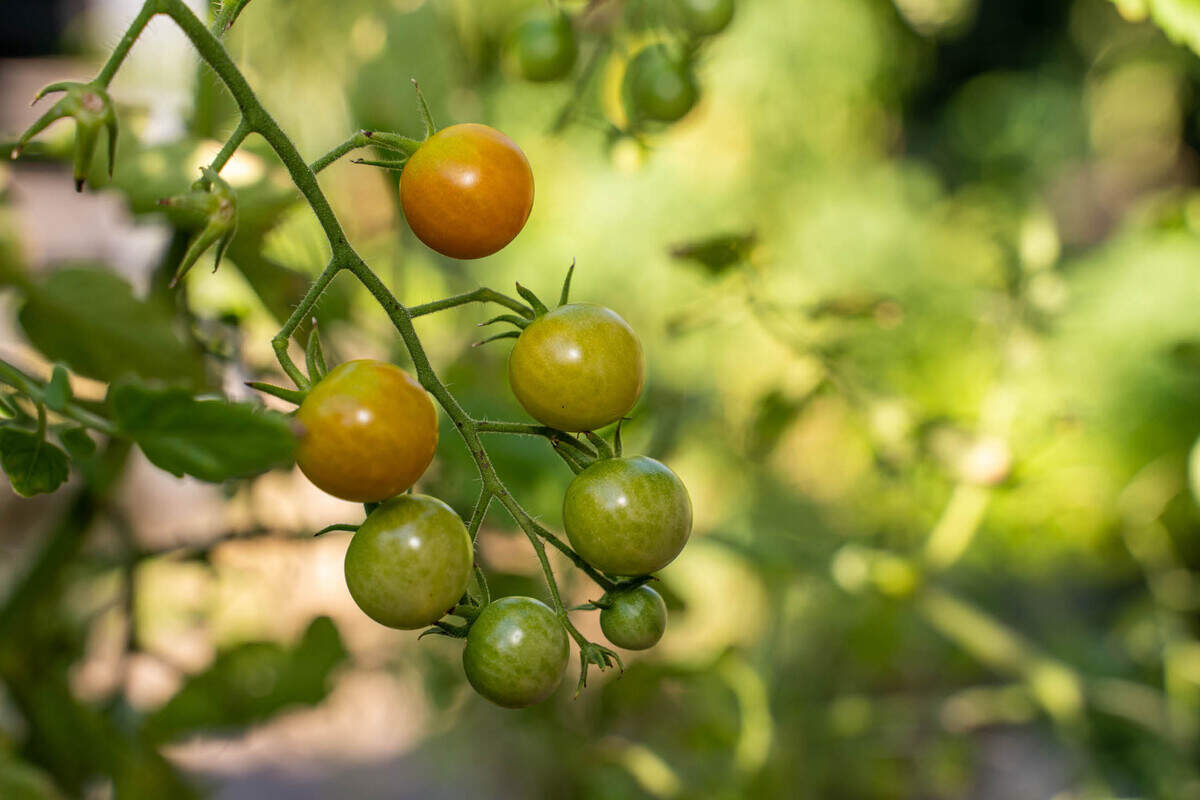
‘No self-respecting Brussels sprout would have anything to do with Charlotte in July’
Boekelheide sees the timing mistake most often with Brussels sprouts.
“People really want to grow Brussels sprouts when they see it in the market in July,” he said. “But no self-respecting Brussels sprout would have anything to do with Charlotte in July.”
Cucumbers have long vines that you’ll need to account for and possibly trellis. If you want asparagus, be prepared to wait: The long stalks takes about two to three years to cultivate, Hodes said. Potatoes take six months to grow.
Most of the others take about two months to grow from seed to a plant bearing vegetables. Some can be a little faster (radishes can take just six weeks, Hodes said).
As for any to potentially avoid, well, everyone has at least one plant that is their nemesis. It will probably take some trial and lots of error to find your own. Hodes, for instance, has never had good luck growing green peppers.
“Green peppers are one of those that either they work ... or you get these beautiful plants and you never get a fruit,” she said.
For Hewell, it’s squash.
“It looks beautiful, and you get really excited because you get that first squash blossom, and the plants look wonderful,” he said. “And you’re like, ‘Oh my God, I can’t wait to eat.’ And then right before the squash ripens, there’s little squash bugs that come in and eat the center out of the actual plant. But you don’t see it until you walk out one day, and your whole big beautiful plant is just leaning to one side, and the entire inside is hollowed out.”
Be ready to experiment, and be prepared for some failures. But find what works best for you, and run with it.
Be prepared for pests … but it’s OK to let nature take its course
For every garden, there many more deer and rabbits who want to snack on what you’re trying to grow.
“You’re always going to have stuff that comes to visit. But first, you have to ask yourself: Is it friend or foe?” Hodes said. “You know, is it doing something good? And I’m going to take it out? Or is it something that I don’t need to control?”
Specifically, Hodes is referring to some insects and bugs that can infest plants. Hodes says there is newer research that suggests that only plants that already are vulnerable and weakened will attract bugs that destroy it. The strongest plants will survive and bear fruit.
“This sounds really sci-fi, but I think it’s so cool,” she said.
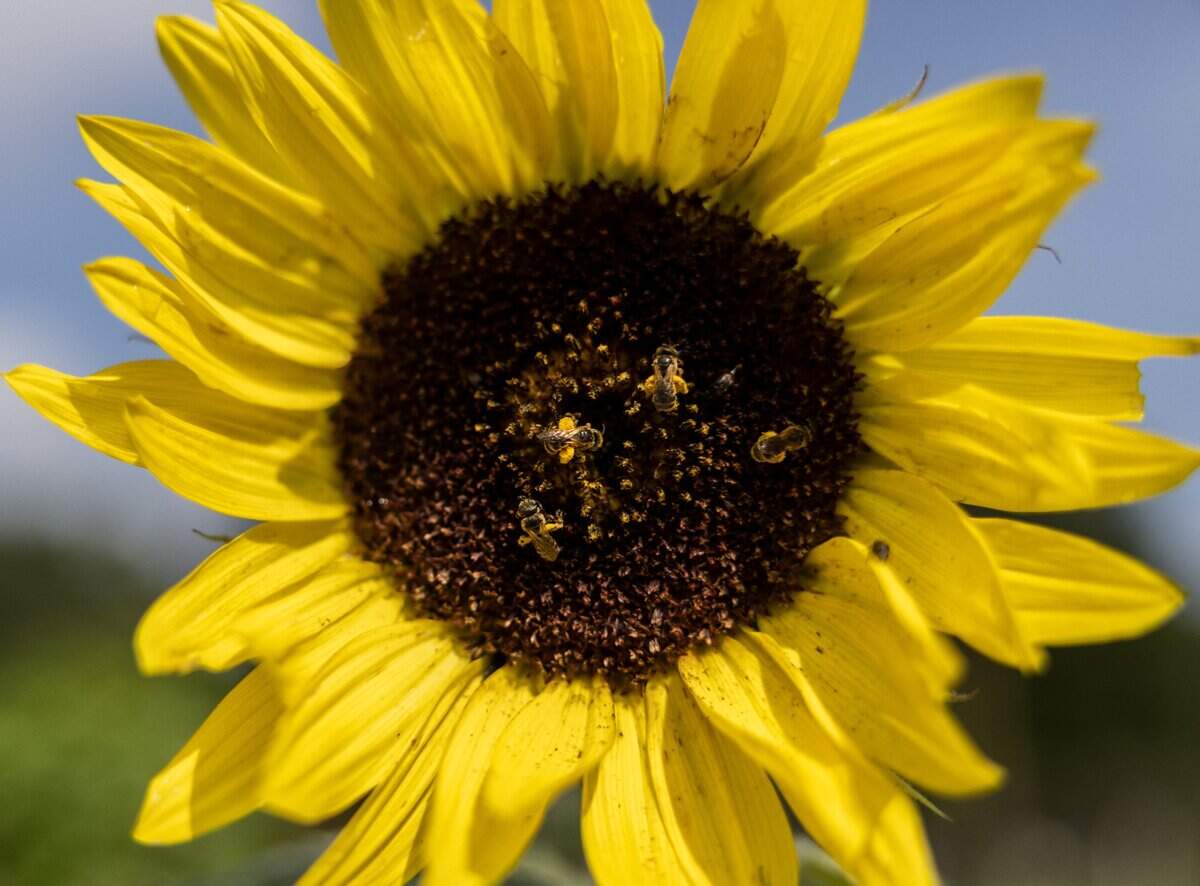
Added Boekelheide: “Working backwards, no, you don’t have to spray. By selecting the right crop in the right season, you’re miles ahead. ... (Remember) that without caterpillars, we don’t have songbirds. So, having an environmentally friendly food garden, with flowers for pollinators, is good for you and good for the planet, too.”
That’s why both Hodes and Boekelheide say in most cases, it’s best to let nature take its course and avoid pesticides and chemical treatments.
Fences can be erected to keep deer and rabbits at bay, but the most determined ones usually will not be deterred.
“There’s not a whole lot you can do about the deer,” Hodes admitted.
And be ready to be amazed with what you can do
Livingston says she spends an average of $100 on her garden per year — accounting for seeds and transplants, and community garden plot rental — and she has harvested so much food the last two years that she has donated surplus to Second Harvest Food Bank.
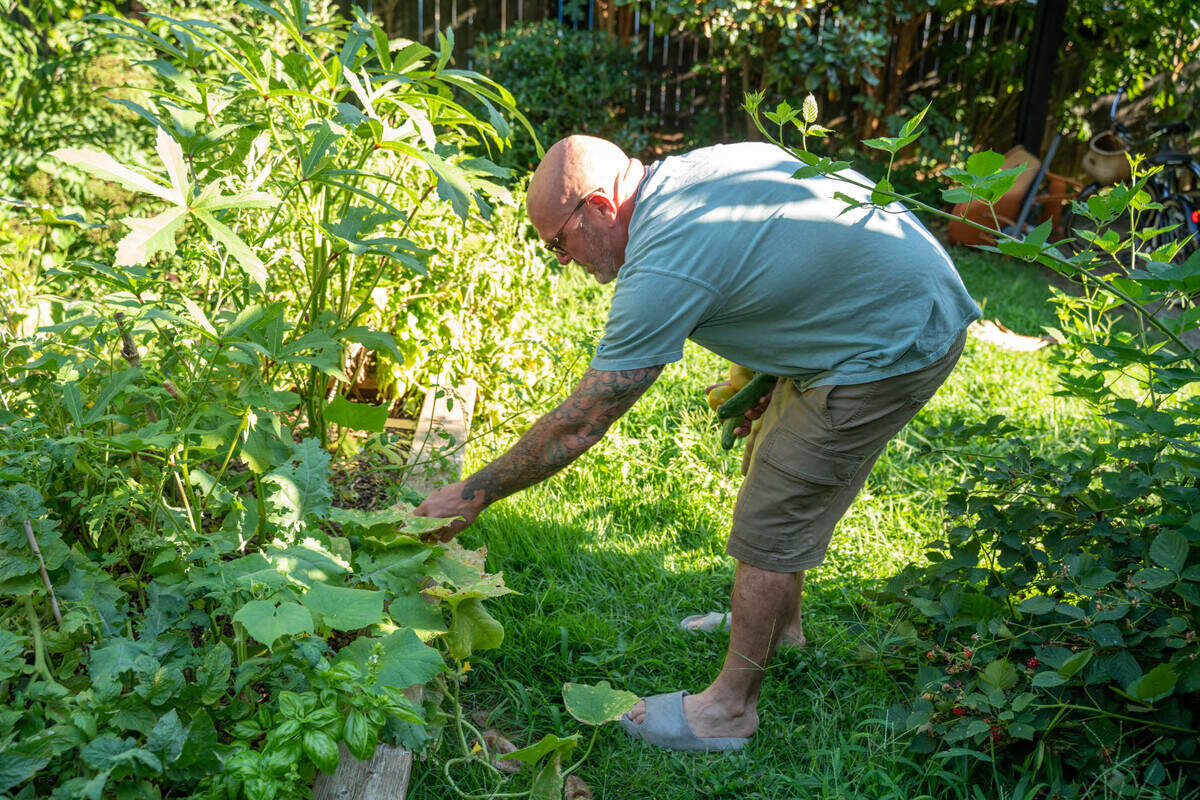
Hewell has an informal trading system set up with his gardening neighbors in NoDa, where he gives up the tomatoes and peppers he grows so easily for some of his nemesis squash that others manage well. He grows plenty of herbs, which he promises taste better directly from his garden than anything he’s ever bought at the grocery store.
That includes some parsley that has taken on a life of its own in his backyard.
“We planted some flat-leaf parsley in a few planters around our back porch, and it has seeded and now we have a bunch of random patches of parsley all over our yard,” Hewell said. “And so it’s like, ‘OK, well, that seems to be doing well.’ So we’re gonna let that kind of do its thing.”
Last year, Hodes decided to plant Brussels sprouts for the first time.
“I thought they’re going to look really cool because they grow in stalks,” she said.
Next to her container of Brussels sprouts, she had planted some broccoli. In the spring, when it was time for the broccoli to “turn into broccoli,” as she said, it didn’t.
“The Brussels sprouts looked like broccoli and the broccoli looked like … I don’t know, it was some combination,” she said.
A little research told her that the two plants had cross-pollinated.
“And I had created ‘broccoli sprouts,’” she said. “I was like, ‘Well look at that!’
“And then I picked it and I ate it and I said, ‘Tastes good to me.’”
So you might save some pennies and discover something new. You never know what might happen.
This story was originally published July 20, 2022 at 6:00 AM.