2020 restaurant trends: Better employee care on the front burner, and it’s a win-win
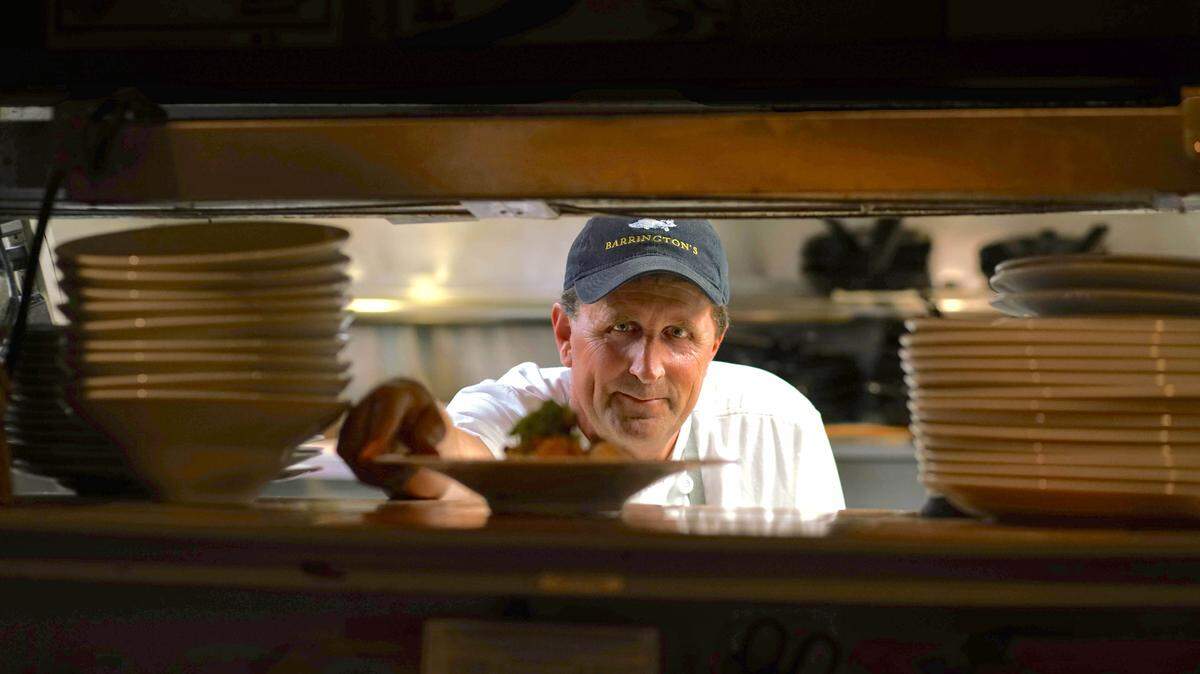
Restaurateurs have their hands full when it comes to a lot of things. Chief among them is holding onto good people.
It’s not news to most that the restaurant industry has historically struggled with keeping staff. Turnaround is constant, particularly with kitchen and wait staff.
With labor markets remaining tight in 2020, the restaurants that seem likely to thrive will be those that understand the importance of employee culture, recruitment and retention.
Nation’s Restaurant News has cited among its predicted 2020 trends the increased consideration for employees’ financial matters, benefits and quality of life as a means to employee retention. The publication recognizes companies that have spearheaded the trend so far by introducing benefits such as child and elder care options, creative pay solutions like cash advances, shorter workweeks and rent subsidies.
More now than ever, Charlotte restaurant operators are faced with an uphill battle of balancing attractive starting wages, increased employee benefits and perks, and creating an overall satisfying employee culture. It’s a tall order, but they seem to be stepping up.
Living wages
The challenges of retaining capable staff are made more difficult as North Carolina continues to be one of the fastest-growing restaurant employment states in the country. With more restaurants moving in, there’s inevitably more competition to retain good employees, and that often starts with the low-hanging fruit—hourly wage.
The North Carolina minimum wage is the same as the federal: $7.25 per hour.
The MIT Living Wage Calculator states that a living wage in 2020 for a single person would be $12.58. That’s across the board and doesn’t take into consideration that restaurant workers have long been held to an even lower pay scale.
According to the The Winston-Salem Journal, 52,000 North Carolinians in the restaurant sector make less than $7.25 per hour.
It’s not great news for the employee and possibly even worse news for the employer: 2019 food industry turnover rates were a whopping 75 percent. As a result, restaurants are abandoning the long-held practice of paying minimum wage with tips as incentive and are taking more stock in offering solid, hourly living wages.
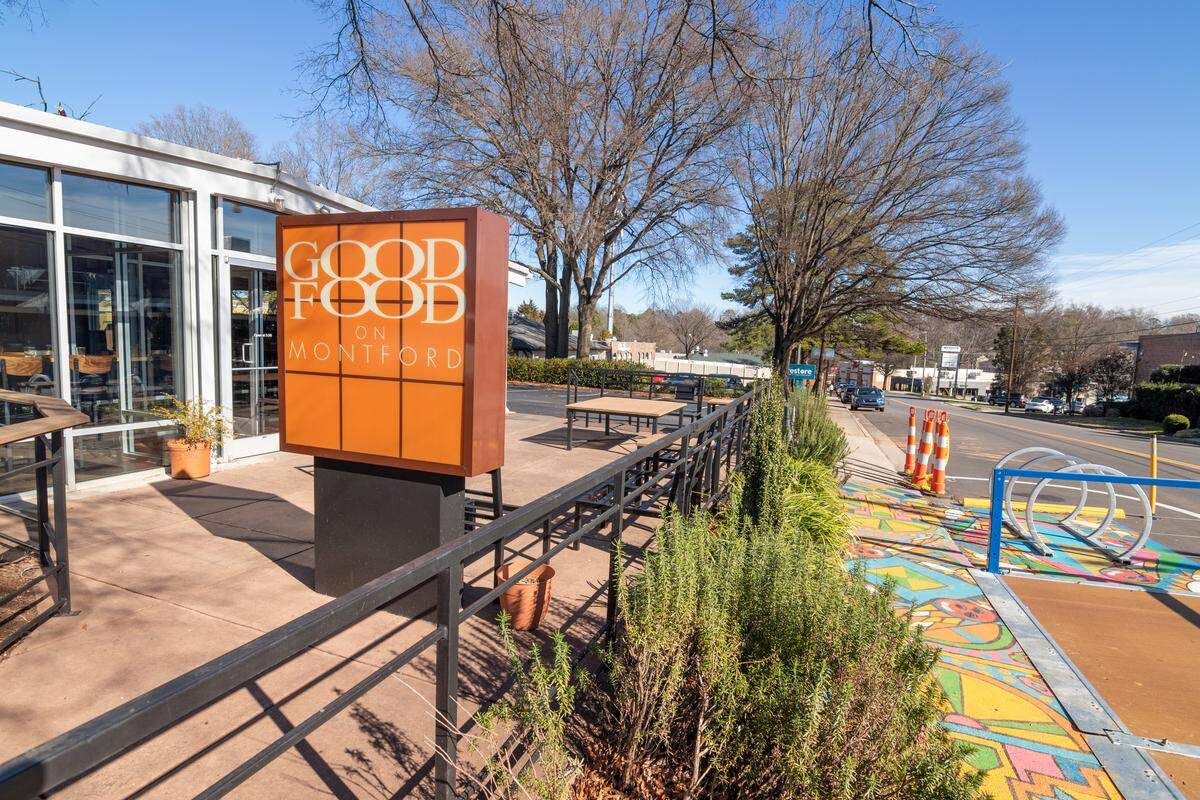
“It’s not that easy, and sometimes frustrating, when employees see what other line cooks are being paid, and if it’s higher, people will leave,” said Chef Bruce Moffett of the Moffett Restaurant Group (Barrington’s, Good Food on Montford, Stagioni, NC Red and Bao and Broth).
Moffett, who offers a starting wage of $13 to employees across all of his restaurants, is realistic about the challenges to both employer and employee when it comes to pay scale.
“Honestly, we wanted to keep up with hotels and hospitality, but also the employees deserve it—they work hard, and I’ve always run my restaurants based on what I’d appreciate and would have appreciated as a young cook,” he said.

Last year, Jamie Brown and Jeff Tonidandel (Crepe Cellar Kitchen & Pub, Haberdish, Growlers Pourhouse and Reigning Donuts) made the move across all of their Charlotte Restaurant Group restaurants to offer employees a living wage. Brown and Tonidandel not only sought to reward their employees, but also had retention in mind.
“We want to keep our people, give them an uplifting workplace and give them a beneficial starting point from which to rise,” Brown said.
At Superica in South End, COO Toby Franklin has increased employee wages by 20 to 25 percent in the last two years. In 2018, the Tex-Mex restaurant noticed an opportunity to attract higher level talent by increasing the pay range.
“We are always looking for opportunities to make ourselves attractive as an employer. We will evaluate industry trends regularly to be sure that we are competitive in our pay structure, as well as to determine if we have an opportunity to improve,” said Andy Palermo, director of operations for Superica.
Training, education and healthcare
Franklin said he credits the restaurant’s continued education program with having a substantial positive impact on employee retention and culture.
The company offers an internal curriculum of classes with opportunities to learn more about anything from leadership and HR to finance and IT, something that sets it apart from regular restaurant training.
“The entire program is designed to attract top talent and retain great employees by offering a clear path to management for everyone within our group,” Franklin said.
Palermo said the program has been a success and helps connect employees across restaurants, increasing the personal development of the team.
“This has had an enormous impact on our population. Every single time I ask someone about a class they have taken, they always respond enthusiastically with what they learned and how they had a chance to meet someone new within the restaurant group.”
Superica also offers major medical, dental and vision insurance, and routinely makes improvements and adjustments to the benefits package.
At the fledgling restaurant Peppervine, which opened in Charlotte in March to rave reviews, Chef Bill Greene recognized the importance of employee treatment from the start.
Having successfully run his flagship restaurant Artisanal in Banner Elk, N.C., for more than a decade, Greene not only puts emphasis on employee training but offers full health insurance to employees working 30 hours or more.
“A lot of places used to offer health insurance to just management,” Greene said. “After month four, we had on the radar what was important to us. People need health insurance in this country. We see each employee not just a person but part of our own family.”
Greene also provides vision insurance and plans to offer dental down the road, while admitting that it isn’t always easy as a business owner — but he said it’s worth it.
“As far as the monetary part, you have to put in your costs. You might be looking at $7,000 to $8,000 a month. Not every restaurant can shell out that type of money,” he said. “There are challenges, and we try to make adjustments and we always want to be professional.”
What’s worth it to Greene is the employee satisfaction.
“I think they feel assured: They don’t feel like they have to get a second job, they seem happier they are working for a group that really cares for them,” he said.
At Tupelo Honey in South End, employees are offered a “Honeypot” program that is designed to increase as team members grow in tenure.
“We offer benefits such as medical, dental, vision, life and disability, transportation reimbursement, paid parental leave, profit sharing, student loan and tuition reimbursement, charitable donation/volunteer days, wellness reimbursement, profit sharing and 401k match,” said Caroline Skinner, the restaurant’s chief of staff and culture development.
“We use our benefit programs to share our passion for service and hospitality to our employees, knowing that they will give that same hospitality back to our guests.”
The bigger picture
While focus on a living wage and other benefits means a more sustainable workplace, restaurant owners are also looking outside of the box to other employee needs, like the ability to sustain a work/life balance.
Bradley Cordle has been an employee at the Comet Grill in Dilworth for 11 years and considers her workplace an anomaly. When she’s not working, Cordle is satisfying her wanderlust while retaining her job security. Her boss, owner Tommy Noblett, offers set schedules and flexibility, and Cordle has seen it as a valuable part of her career experience.
“The flexibility is a huge plus, and it’s allowed me to travel,” she said. “I’ve been to 21 countries now, mostly while I’ve been working here.”
“I spent a month walking 500 miles across Spain on El Camino de Santiago. Tommy encouraged it and even said I’d want the extra time,” she said.
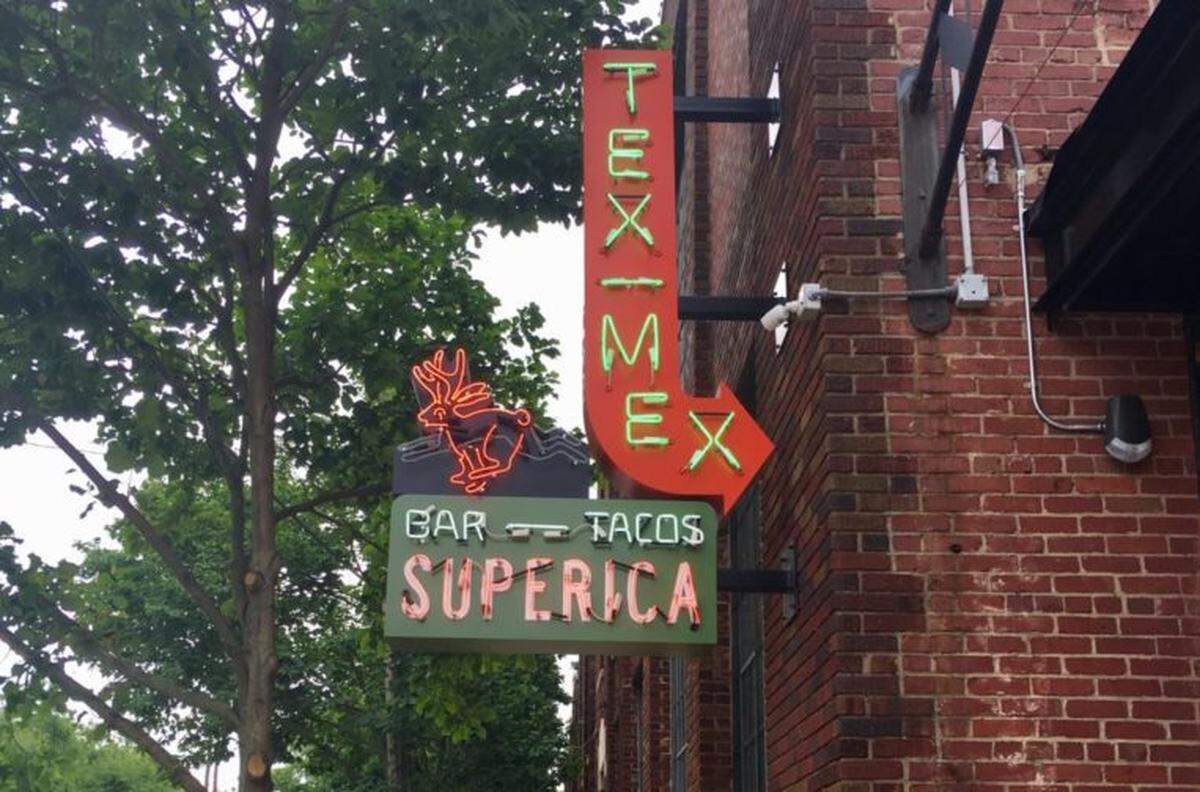
Palermo points to flex time as an important addition to Superica’s employee culture. “Something unique about our group is that we offer paid time off to all full-time employees, even at an hourly level. Paid time off is very common amongst salaried positions, but offering this to our full-time hourly employees demonstrates our commitment to those who continue to give to all to our success. They deserve it.”
At Tupelo Honey, auxiliary benefits are a large part of employee culture.
“Our team understands we are there to support them. We do this in typical ways, but also in unconventional ways such as supporting team members who are going through difficult circumstances (a house fire or a difficult diagnosis),” Skinner said.
“We understand that work is only part of our team members’ lives, and our goal is to help them be healthy and whole people in all areas of their lives.”
Moffett sees his team in the same way, and said balance and consistency are the biggest factors in keeping a happy and sustainable employee culture.
“Making sure that my employees have enough to live and health benefits in case something happens—that creates good culture,” he said.
“It definitely keeps them happier and more loyal. Our restaurants are closed on Sunday, they have family time and that consistency. They know what they’re getting, they always have Sunday off.”
“It’s not just about a higher wage or hours. That’s not the whole picture,” Moffett said. “The people who get it are the ones it really helps. I find that those who don’t move on.”
For Cordle, remaining loyal as a restaurant employee is almost more about the culture Noblett has created at the Comet Grill than the salary.
“Our customers are loyal to a fault and crazy generous. I think it all comes down to Tommy, though. He’s lived all sides of this business, so he gets us, and he’s loyal to us, too.”
Moffett said it’s a juggling act to keep it all in place. “It’s definitely hard sometimes, financially, as an owner to make those decisions, but it’s worth the trade off,” he said.
“I want my people to have a decent lifestyle. At the end of the day we’re all just trying to feed our families.”
This story was originally published February 18, 2020 at 5:40 AM.