Charlotte arts group apologized to Black artists. The result: White people got upset.

The Arts & Science Council recently issued an unusual public apology for its decades of inequitable funding in the Charlotte region for Black artists and other minority cultural groups.
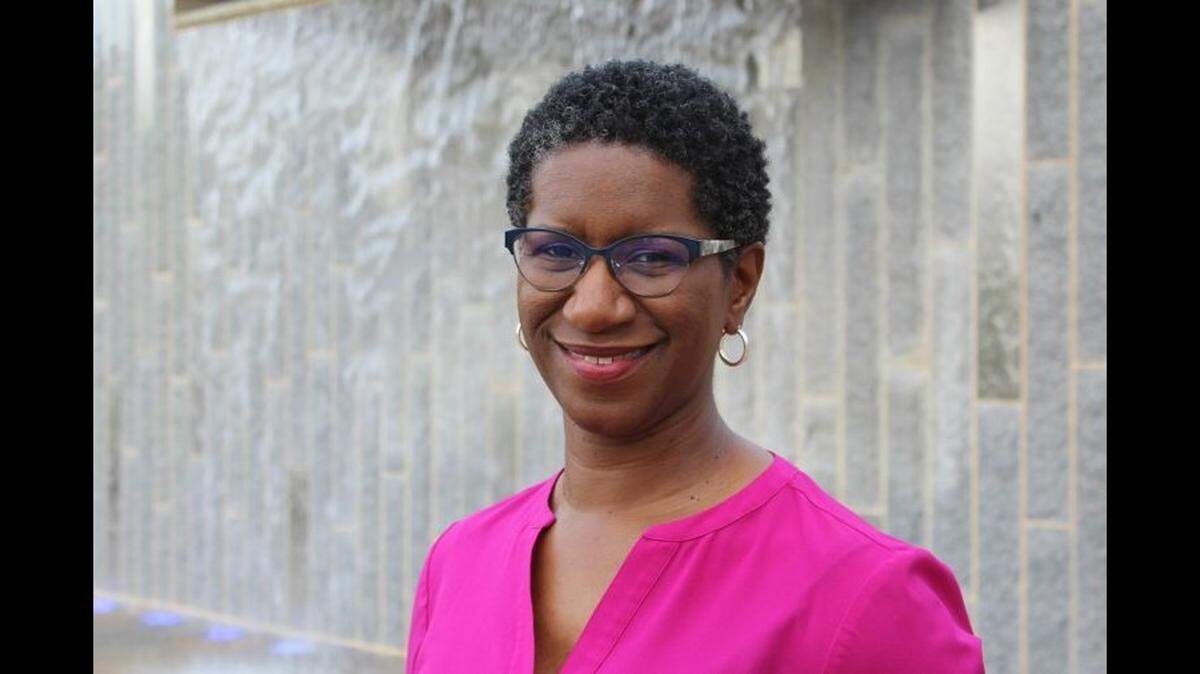
But the reaction to that apology and related report did not go how ASC Acting President Krista Terrell expected.
In a blog post on an arts advocacy group’s website this past week, Terrell described her interactions with several unnamed arts groups and others who were taken aback by the report, which was released in February.
She called her post “The Uncomfortable Truth.”
“While I knew the facts in the report were startling, I never thought I would experience so intimately the uncomfortableness, the defensiveness, and the scaredness of white people reacting to the unvarnished truth,” Terrell wrote on the Americans for the Arts website.
The ASC traditionally has been the main pass-through funding organization for the Charlotte area’s arts and culture groups. Its apology was part of a 34-page Cultural Equity report highlighting steps it has taken in recent years to remedy those long-held funding practices.
At the time, Terrell had been leading the agency for about a month but she’s been with ASC for 19 years. She led the internal team that produced the report.
ASC was founded in 1958. In the report, the ASC said it “was created to fund 8 white, Western Eurocentric organizations with unrestricted dollars to support their operations,” including The Mint Museum, Charlotte Symphony Orchestra, Opera Carolina and Children’s Theatre of Charlotte, among others.
A ninth legacy group, the Harvey B. Gantt Center for African-American Arts + Culture, was the only minority-run organization to consistently receive ASC grants.
In an interview Friday, Terrell said that the criticism she received over the report was solely from white cultural leaders whom she declined to identify.
“It is important to tell the truth,” she said. “There is a big systemic issue in a lot of sectors, including the arts and culture sector, that the attitudes and behaviors lead to a lot of entitlement...
“Some of the nine really champion this work and what we’re doing,” Terrell added, as do smaller, grassroots groups. And she stressed that the ASC has good relations with all nine legacy organizations.
Recent months have been an unusually challenging time for ASC. Most notably, the city of Charlotte is moving forward with controversial plans to directly fund arts and culture groups, rather than work through the ASC.
The reactions
When the report was issued, Terrell wrote in the blog, it felt liberating. She said she still feels that way, despite some of the reactions.
Terrell wrote that she didn’t know if people were more upset over the ASC describing legacy groups when the ASC was founded as “white, Western, Eurocentric”, or a graphic showing that from 1991 to 2020, the nine groups each received more in operating support than all minority organizations combined.
Terrell cited her interaction with the unnamed president of one of those groups.
That person, she wrote, “told me, ‘I’m all for changing inequities as it relates to access,’ but when I asked their thoughts about changing inequities related to funding, I was met with a long pause. If ASC wants its funding to go further, I was told, it should invest more in legacy organizations with existing infrastructure instead of grassroots organizations.”
But, Terrell wrote, “equity is about everyone having the resources they need to move along together.”
ASC is designated as the “Office of Cultural Resources” for Charlotte, Mecklenburg County and six suburban towns, and provides advocacy, cultural education programs, fundraising, grant making and other projects for the cultural community.
Concerns over ‘whitewash’
Terrell also noted how another legacy group, the symphony, wrote a letter to editor of The Observer over the report, and also said that two groups asked why she did not include the work they were doing in the ASC’s report.
“I was accused of not being inclusive,” Terrell wrote. “I kept thinking, ‘You are not reading the report. You are uncomfortable with the truth and being defensive.
“What I know for sure, based on their behavior and reactions, is they would have tried to whitewash the truth for their comfort,” she wrote.
Terrell said the ASC is preparing to have community listening sessions about the equity report next month called “Beyond the Soundbites.”
And she concluded her blog this way: “There is great fear with change and the truth, especially playing out in the public realm. As a Black woman leading a legacy organization, I know I am seen as the manifestation of that fear.”
Terrell noted that her predecessor, Jeep Bryant, was a white man. She wrote, “They would not have felt as threatened by (him)... I know because he told me.”
This story was originally published April 26, 2021 at 6:30 AM.