Peptide Interest Is Growing Fast, but the FDA's Actual 2026 Docket Is Far Smaller Than Reported
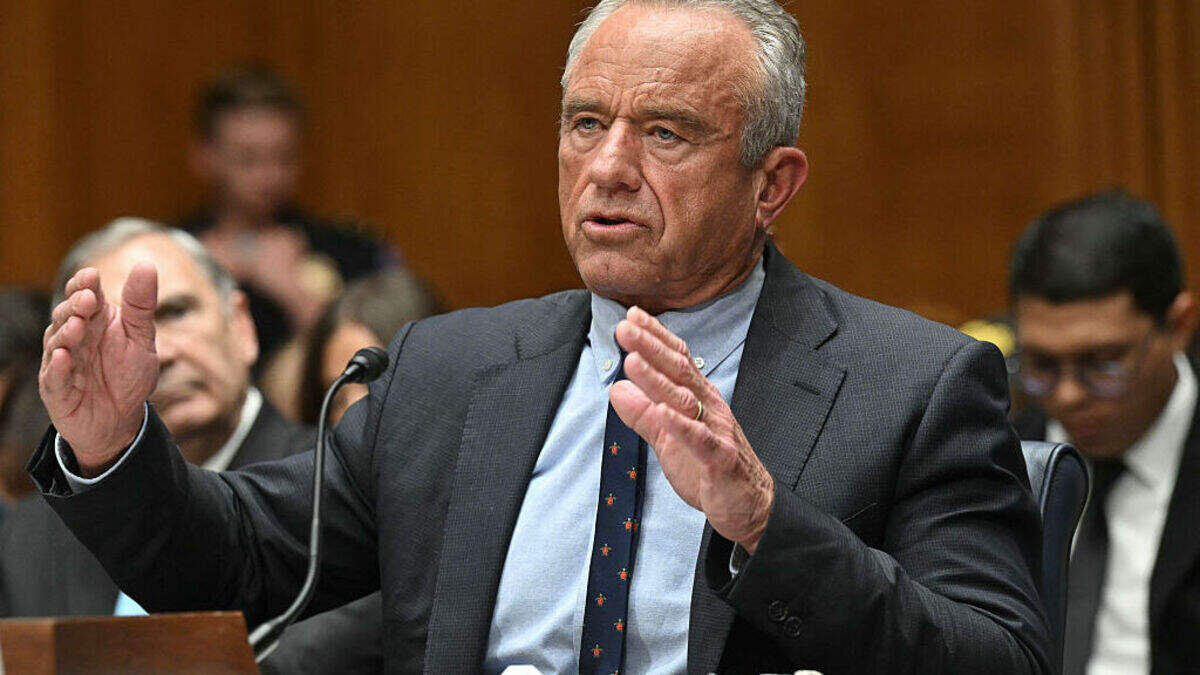
When HHS Secretary Robert F. Kennedy Jr. went on “The Joe Rogan Experience” podcast on Feb. 27, 2026, and said roughly 14 of the 19 peptides the FDA restricted in 2023 were headed back to legal status, the wellness internet treated it as a done deal. Headlines compressed the news into “peptides are legal again.” The reality is narrower, slower and still in motion.
No FDA rule has formally changed. No Federal Register notice has been issued. And the FDA’s own advisory committee docket for July 2026 lists a smaller set of substances under active review than the announcement implied.
For anyone weighing peptide therapy, including the kind that’s now showing up as a premium line item on biohacking clinic menus, the gap between what was announced and what’s actually happened matters.
What RFK Jr. Actually Said About Peptides
Speaking on Rogan’s podcast in late February, Kennedy said about 14 of the 19 peptides moved to Category 2, the FDA’s restricted compounding status, in late 2023 would shift back to Category 1, restoring a legal compounding pathway by prescription.
The named peptides expected to return include BPC-157, Thymosin Alpha-1, TB-500, CJC-1295, Ipamorelin, AOD-9604, GHK-Cu, Selank, Semax, KPV and MOTS-C, per that same Pharmacy Times reporting.
Withdrawal isn’t the same as clearance, though. It removes the safety flag that blocked compounding, but it doesn’t formally add a substance to the FDA’s approved 503A Bulks List, the step that actually happens at the July advisory committee meeting.
That’s why only seven substances, BPC-157, KPV, TB-500, MOTS-C, Emideltide, Semax and Epitalon, are on that meeting’s agenda even though far more than seven have already cleared the earlier hurdle.
What’s genuinely still restricted under Category 2 today is GHRP-2, GHRP-6, Ibutamoren mesylate and Kisspeptin-10. Ipamorelin acetate sits in a middle zone of its own. Its 503A listing was withdrawn, but it remains restricted under the separate 503B pathway used by larger compounding facilities.
The FDA originally moved all of these substances to Category 2 in 2023, citing safety concerns and a lack of human trial data. Reclassification, however it ultimately lands, governs compounding legality only, not full FDA drug approval.
Why the Timeline Is Messier Than Headlines Suggest
Look closely at the actual July 23 to 24, 2026 docket and the count drops. Day one covers BPC-157, KPV, TB-500 and MOTS-C. Day two adds Emideltide, Semax and Epitalon. Seven compounds, not 14.
The timeline isn’t fully consistent either. Various accounts point to an April 23, 2026 effective date, though the FDA’s own docket shows several of these compounds still working through review well into the summer. Saying “14 peptides are legal now” overstates where the process actually stands. The announcement signals direction, not completed action.
BPC-157, Celebrity Buzz and the Gray Market
Even before Kennedy’s announcement, peptides had already crossed over from bodybuilding forums into mainstream wellness. Jennifer Aniston has been open about getting weekly peptide injections for her skin and now serves as a paid spokesperson for a peptide supplement brand. Rogan, who hosts the podcast where Kennedy made his announcement, has repeatedly talked about using BPC-157 to recover from injuries.
That visibility has fueled a parallel gray market. Online vendors sell unregulated vials for $300 to $600 a piece, and some membership-based wellness clinics charge thousands of dollars a month for ongoing peptide protocols. None of the peptides at issue have completed phase 1 through 3 trials for their commonly marketed uses, including injury recovery, skin health or anti-aging.
What Category 1 Status Would Actually Mean for Patients
A return to Category 1 wouldn’t put peptides on drugstore shelves. Even reclassified peptides would still require a physician’s prescription dispensed through a licensed compounding pharmacy. That’s the legal route, and it’s the one gray market vendors openly sidestep regardless of how the FDA categorizes a substance.
This debate is also unfolding alongside opposite-direction tightening on compounded GLP-1 drugs like semaglutide. The two stories often get blurred together online, but they’re moving in different directions under different regulatory pressures.
The Safety Debate That Didn’t Go Away
Not everyone is convinced the loosening makes sense. UC Davis researcher Paul Knoepfler questioned whether Kennedy had effectively stacked the deck on FDA oversight of peptides in a STAT First Opinion piece published in April.
Experts disagree on whether the 2023 restriction was justified in the first place, and that piece reflects a critical safety viewpoint, not consensus. What both sides tend to agree on is that the clinical evidence base for most of these peptides is still thin, and reclassification doesn’t change that.
What to Do If You’re Considering Peptide Therapy Right Now
The reclassification process isn’t finished. The legal pathway, if it opens further, still runs through a prescribing physician and a licensed compounding pharmacy, not an online vendor selling vials by mail. And reclassification isn’t the same as FDA approval for any specific use, no matter how confidently it’s marketed.
This story is moving slower and more narrowly than the podcast-clip version suggests. Anyone making a health decision based on the announcement should be reading the FDA’s actual docket, not the headline summary of it.
This article was created by content specialists using various tools, including AI.