Backyard chickens are now America's third most common pet. Here’s how to start your own flock
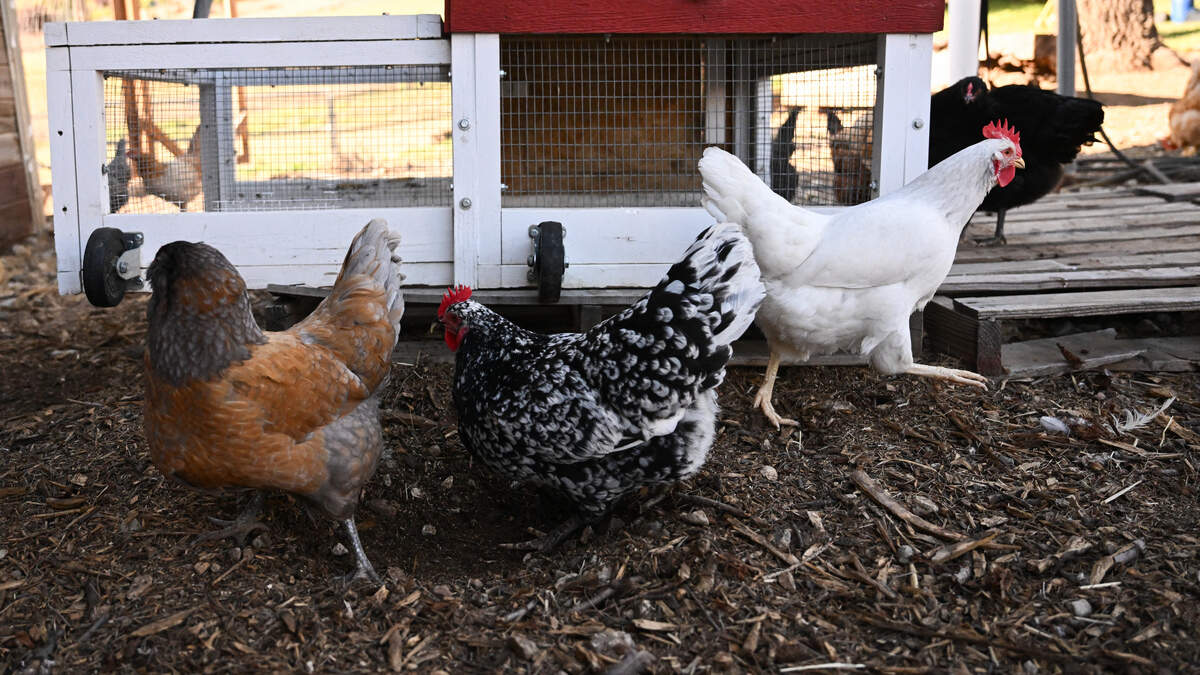
Raising backyard chickens used to be a rural pursuit. It isn’t anymore. Suburban lots, small urban yards and even rented properties now host the kind of small flocks that were once confined to working farms, and the people running them are first-timers with no agricultural background.
The shift happened fast. A grocery-store crisis pushed millions of Americans to consider raising their own birds, and many of them stuck with it long after the original reason faded.
If you’re considering joining them, the learning curve is real but not steep. This guide walks through every stage of the decision, from the legal homework and breed selection to the actual construction of a backyard chicken coop and the routines that keep a flock healthy.
The sudden rise of backyard chickens
Backyard chickens are now the third most common pet in the United States. The American Pet Products Association counted around 11 million households keeping them in 2025, up from 5.8 million in 2018.
The catalyst was a price shock. Avian flu thinned commercial laying flocks and pushed the average dozen eggs to a record $6.23 in March 2025, according to the U.S. Bureau of Labor Statistics. Prices have since eased, but household chicken-keeping has not retreated with them.
Part of the reason is cultural. Famous owners including Martha Stewart, Jennifer Garner and the Beckhams normalized the idea of chickens as companion animals. The bigger reason is more ordinary. Owners discovered that a small flock fits neatly into a suburban routine and pays back in eggs, entertainment and a sense of self-sufficiency.
What to know before building a backyard chicken coop
Before any lumber gets cut or birds get ordered, work through the basics. Each item below shapes a decision further down the line:
- Confirm legality. Most municipalities permit hens but restrict roosters and impose flock caps. Read the local ordinance and your HOA covenants in full.
- Commit to at least three birds. A solitary chicken is a stressed chicken. Three is the floor; four to six suits most beginners.
- Set a realistic budget. Expect to spend $500 to $2,000 on the initial setup, including the coop, run, hardware, bedding and birds. Feed and bedding become ongoing line items.
- Choose the site with care. Partial shade, solid drainage and shelter from prevailing winds are the priorities. Distance from the house cuts down on odor and noise complaints.
- Know the time commitment. Daily care runs 10 to 15 minutes, with weekly cleaning on top. A weekend away requires a sitter.
- Account for the full lifespan. Hens live five to ten years but lay productively for only two or three. Plan for the retirement years before you start.
- Identify local predators. The threat profile varies by region. Raccoons, foxes, hawks, dogs and rats each require different defenses.
- Loop in your neighbors. Legal permission and social permission aren’t the same thing. Fresh eggs help.
These questions don’t have universal answers. Your climate, lot size and household will push the decisions in different directions.
Choosing the right backyard chicken breeds
There are hundreds of recognized breeds, which makes the first decision the hardest one. The fastest way to narrow the field is Michigan State University’s chicken breed chart, which lays out climate tolerance, laying volume, temperament and size side by side.
Run through these factors when comparing options:
- Climate fit. Cold-hardy breeds have small combs that resist frostbite. Heat-tolerant breeds carry less mass and larger combs that shed heat.
- Egg output. Some breeds produce 250 or more eggs a year. Others lay fewer but in unusual shell colors. Heritage breeds typically lay less but live longer.
- Temperament. Docile breeds tolerate handling well, which matters most in households with kids. Active breeds are more independent and less interested in being held.
- Size. Standard birds need four square feet of coop space each. Bantams need about half that, which expands what’s possible on a smaller lot.
- Compatibility. Mixing aggressive and gentle breeds invites trouble. The pecking order will sort it out, and the gentle birds will lose.
Starting with chicks rather than adult birds also matters, particularly for families. “If a chicken is not used to being around children, sometimes there’s no amount of love that can bring them around to liking children,” Karen Meyer of Meyer Hatchery notes.
How to build a chicken coop in your backyard
How to build a chicken coop is the question that intimidates most prospective owners. Pre-built kits exist and they’re convenient, but the price gap between buying and building is significant. A DIY chicken coop measuring 4 by 8 feet, with an attached run, fits four to six standard hens and takes two or three weekends to construct.
You’ll need pressure-treated 2x4s, exterior plywood, roofing material, half-inch hardware cloth, hinges, predator-proof latches and exterior screws. Tools are basic: a circular saw, a drill, a staple gun and a level. With those ready, the build sequence is:
- Raise the floor. Frame the base 12 to 18 inches off the ground. Elevation blocks rodents, prevents rot and gives you sweeping access underneath. Top it with sealed plywood.
- Frame and stand the walls. Build flat on the ground, then raise and fasten. Roof pitch should be at least 15 degrees for drainage and to create a high side for venting.
- Place vents and windows correctly. Vents go high on at least two walls, covered with hardware cloth. Windows go lower to bring in daylight, which improves laying.
- Add nesting boxes and roosting bars. One nesting box per three or four hens, about 18 inches off the floor. Roosting bars sit higher than the boxes (chickens sleep at the highest point available), with 8 to 10 inches per bird.
- Build the run and seal it. A covered run of at least 10 square feet per bird, framed with half-inch hardware cloth, not chicken wire. Bury the cloth 12 inches down or skirt it outward. Cover the top to block hawks.
- Plan for your own access. A full-size run door and a hinged coop roof or side panel make weekly cleaning manageable.
The wire choice is the detail most beginners get wrong. Chicken wire keeps chickens in. It does not keep predators out.
How to raise chickens for eggs
Once the coop is built and the flock has settled in, the routine of how to raise chickens for eggs becomes predictable. The work breaks down into daily, weekly and monthly tasks:
- Daily (10 to 15 minutes). Refill food and water, collect eggs, open the coop at dawn and close it at dusk, eyeball the flock, do light tidying.
- Weekly (30 to 45 minutes). Scoop droppings under the roosts, refresh nesting box bedding, top off floor bedding, scrub and refill the waterer, wipe down the feeder.
- Monthly (one to two hours). Replace bedding completely, deep-clean the coop floor, walls, roosts and boxes, inspect hardware cloth and latches and check each bird individually for signs of illness or injury.
Hens begin laying between 18 and 22 weeks old. Productive breeds deliver four to six eggs per bird per week during peak years, with output dropping noticeably in winter as daylight shortens.
Coverage during travel is the one logistical wrinkle. As Melissa Caughey of Tilly’s Nest puts it, finding a sitter is rarely difficult once fresh eggs enter the deal. “Even when we are on vacation, we like to have a neighbor check in on them by collecting eggs and replenishing their food and water,” she wrote.
Backyard chickens aren’t a path to free groceries. They’re a small daily practice with a tangible payoff, and for the right household, that’s more than enough.
This article was created by content specialists using various tools, including AI.