
DIY beauty treatments at home: how to get professional-looking results without leaving your house
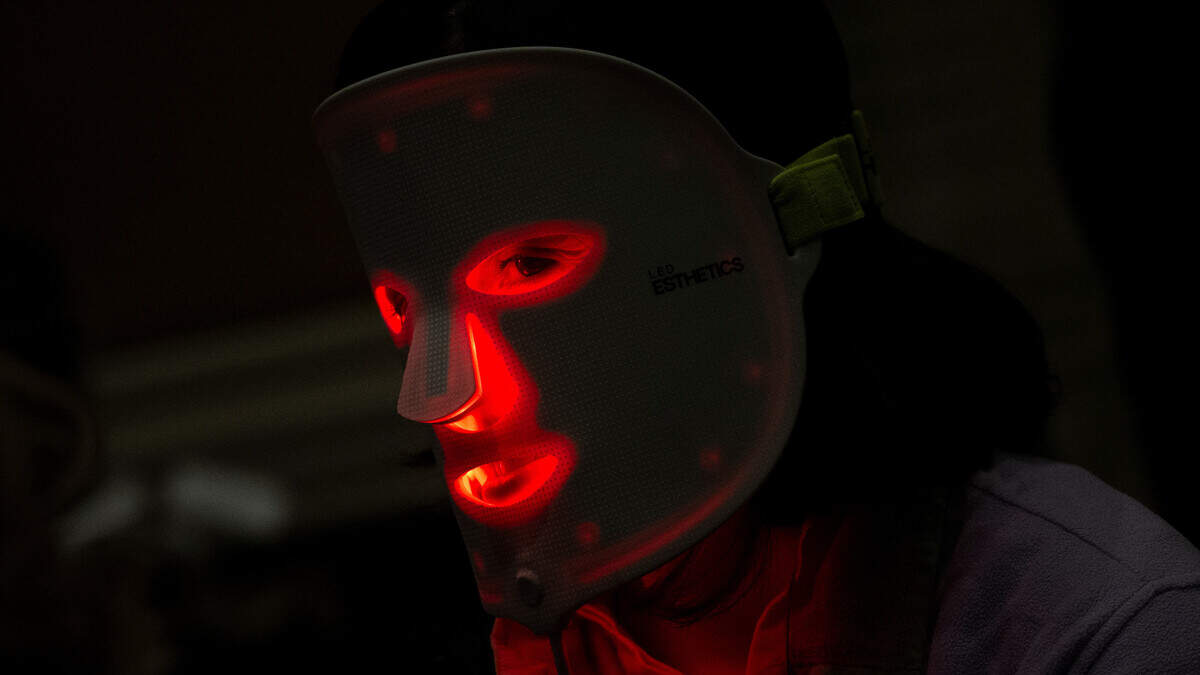
Home beauty routines have moved well beyond sheet masks and foot soaks, with LED panels, chemical peels and brow lamination kits all promising salon-level results. Here is what dermatologists and beauty editors say about which at-home treatments actually deliver.
Do at-home LED light therapy masks really work?
Yes, dermatologists say LED masks can deliver real benefits, though the quality of the device often matters more than how often you wear it.
Dermatologist Mona Gohara, M.D., previously told Real Simple that “Red light masks can smooth wrinkles, encourage healthy cell turnover, and calm irritation as long as you’re willing to invest. The quality and number of bulbs make a huge difference.”
Different wavelengths target different concerns. Writing for Cosmopolitan, Beth Gillette and Jasmine Hyman note that “Blue light, however, is often recommended for acne, since it can potentially reduce activity in your sebaceous glands, as well as kill some acne-causing bacteria.” Red light is generally tied to firmness and tone, while blue is geared toward active breakouts.
At-home devices are designed to be lower in intensity than in-office treatments, which makes consistency more important than immediacy. Most brands recommend using LED masks several times per week for about 10 to 20 minutes per session, with results (such as improved clarity, reduced redness, or smoother texture) building gradually over several weeks of regular use.
Are at-home chemical peels safe to use?
At-home chemical peels can be safe for most skin types when used at the recommended strength and frequency, though stronger formulas warrant a patch test first.
A Real Simple guide explains that chemical peels rely on alpha hydroxy acids (AHAs) or enzymes to peel away the top layers of skin. By removing dead skin cells, the treatment can target discoloration, scars and wrinkles, revealing a brighter complexion soon after use.
Popular options include The Ordinary AHA 30% + BHA 2% Peeling Solution, Dr. Dennis Gross Alpha Beta Universal Daily Peel and Drunk Elephant T.L.C. Sukari Babyfacial. Gentler choices like The INKEY List PHA Toner and Centellian 24 Madeca Matcha Peeling Gel work for sensitive skin, while Dermalogica Liquid Peelfoliant offers a middle-ground option for regular exfoliation.
Because at-home peels are formulated with lower concentrations than professional treatments, they are designed for maintenance rather than intensive resurfacing. Most are meant to be used once or twice a week at most, depending on the formula, since overuse can lead to irritation, dryness, or compromised skin barrier.
Which hair gloss treatments work best for home use?
Hair glosses add shine, smooth frizz and refresh fading color without permanently altering tone, making them one of the easiest home upgrades between salon visits.
L’Oréal Paris Le Color Gloss boosts shine, refreshes faded color and conditions hair, with results that last about 10 days. Kristin Ess Signature Hair Gloss is another widely recommended pick, adding visible gloss and offering tinted options that enhance tone. For a color-free version, John Frieda Luminous Glaze Clear Shine Gloss focuses purely on shine and softness.
Bond-building treatments work differently, repairing damaged strands from the inside rather than coating the surface. Many people layer the two, using a bond-builder weekly and a gloss every couple of weeks.
Can you do brow lamination at home?
Yes, brow lamination kits are sold for home use, though the chemicals involved require careful application and strict attention to the timer.
At-home brow lamination can create a similar brushed-up, fuller-looking effect, but results are typically more subtle and shorter-lasting than a professional treatment. Most at-home versions last around one to four weeks, depending on hair type, product strength, and aftercare, with results gradually softening as the brow hairs return to their natural direction.
Jenny Brownlees, writing for Refinery 29, describes the treatment this way. “Hailing from Moscow, the treatment involves a semi-permanent grooming formula, which is relatively similar to a hair perm. A chemical solution infused with keratin is combed through brows, setting the hairs in a brushed-up shape which lasts for six to eight weeks.”
Most kits ship with a lifting cream, a setting solution and a nourishing oil. A 24-hour patch test is widely recommended, and leaving the solution on longer than instructed can damage brow hairs.
What body treatments go beyond regular lotion?
Beyond daily lotion, home body care now includes exfoliating treatments and overnight masks that target rough texture, uneven tone and dryness.
Body exfoliators with AHAs or physical scrubs help slough away dead skin on areas like elbows, knees and the backs of arms, while overnight body masks work as you sleep to deliver deeper moisture. The same active ingredients found in face peels, including glycolic and lactic acid, also appear in body formulas at gentler concentrations suited for larger surface areas.
For a routine, many beauty editors suggest exfoliating one to two times a week and following with a richer overnight treatment on the same evening to lock in hydration.
This article was created by content specialists using various tools, including AI.