Don’t have any close friends? Find some. Your life may depend on it, this expert says.
A little while back, an acquaintance of mine — a successful executive-type in his early 50s — called me up out of the blue one day to ask me a slightly unusual but fairly basic question: Do you have tips that might help me create a larger social network for myself?
He figured I’d know something about it because, well, he’s watched me do just that over the past couple of years.
Somehow, I’ve become kind of the informal social chair for a large group of runners and triathletes in Charlotte, someone who has taken the lead on organizing everything from standard-issue happy hours to logistics-heavy “team” trips for out-of-town races. In the process, I’ve made a number of close personal friends and seen many others in the group establish bonds that might not have developed without the events I’ve helped plan.
My point here, in spite of how it may seem, isn’t to make it seem like I’m this super-cool social/networking genius. It’s to give context to set up what my response to this acquaintance was: Try to create a consistent stream of opportunities for social interactions with a group of people who have common interests, and I think things will probably work out in your favor.
But while I’m no expert on this subject, I did recently get an audience with one.
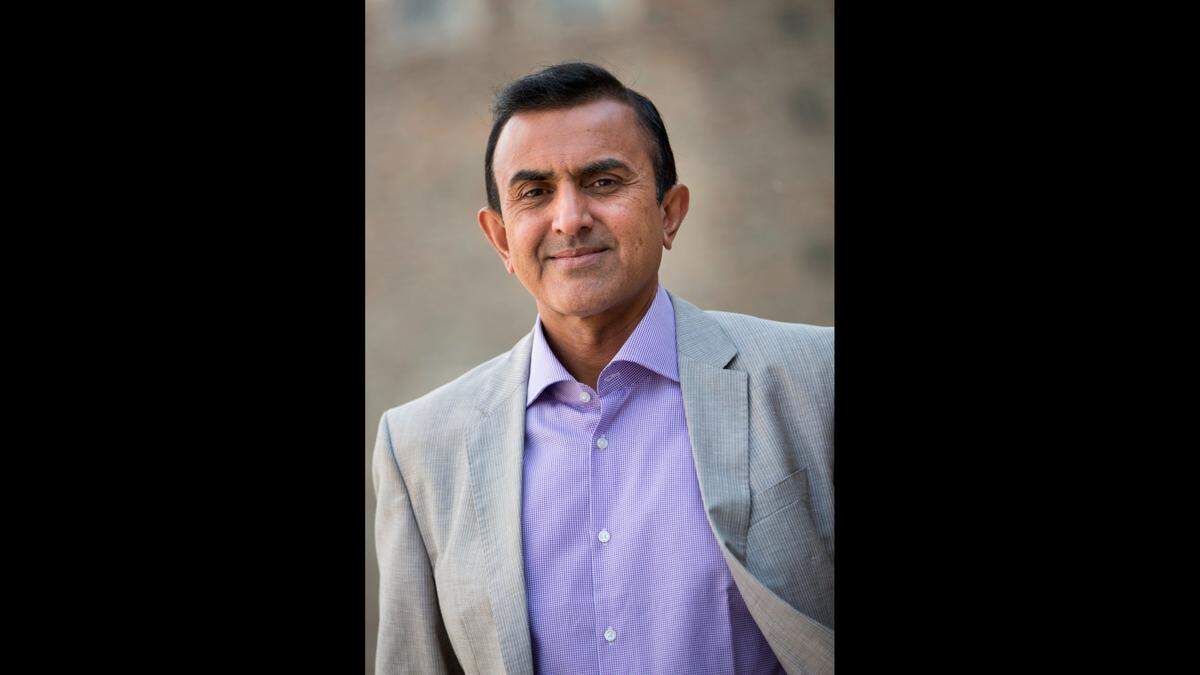
Murali Doraiswamy is a professor of psychiatry and geriatrics who has exhaustively studied brain health and mental health (especially in older individuals) and has spent significant time researching loneliness and its impact on overall health. I spoke with him recently to talk about the topic of adult friendships, and while he often aimed his comments at older adults, his ideas should interest — and are in most cases applicable to — all.
Our conversation has been lightly edited for clarity and brevity.
Q. Tell me a little bit more about your specific areas of expertise, and your research.
We are very interested in how loneliness may impact a variety of physical health conditions. That’s led to some research I’m doing with companion robots. But more important, I am also interested in reversing aging — and seeing if companionship can reverse biological markers of aging, to promote a longer life. So, if you have 20 biological markers of aging that affect all of the body systems, can having a strong social network reverse or slow down age-related changes in your cells? At the cellular level, can we reverse aging through companionship? That should be the goal. Ultimately, we want to have both good quality of life and we also want to live longer.
Q. What you’re saying, basically, is that it’s pretty important for adults to have friends. Close friends.
Yes. It’s not an indulgence. It’s vital for physical and mental health. To me, it’s as important as diet or exercise. When people think of an annual physical checkup, having an annual checkup to think about your social network is as important as scheduling a physical exam with your primary care doctor — if not more.
Studies have shown that a lack of a strong social network increases your risk for early death, for dementia, for depression. It lowers your immune function. It increases your risk for viral infections, for heart disease, for arthritis and low mobility. And at a very simple level, it gives you a safe space to destress. You also make better decisions, because sometimes when you’re upset, you make irrational decisions; but, for example, oftentimes when I have a stressful work situation, I have a friend in Texas who’s sort of my de facto counselor, who is able to think calmly and give me the right guidance when I’m angry or emotionally charged.
For all of these reasons, it’s so important to have close friends.
Q. Is there a magic number of close friends to have?
You need to have two or three. It’s not enough to have one. But there is a dose-response effect. In other words, the more friends you have, the bigger the benefits, but only to a point. I think it plateaus out somewhere around five. So, having 10 close friends probably doesn’t help a lot more than having five close friends. But having five close friends helps a lot more than having just one.
And “close friends” does not just mean number of friends on your social media platforms. “Close friends” means people who you can pick up the phone with, discuss deep, personal things with, have strong personal connections with.
Q. I read a New York Times story last year that mentioned an online Gallup poll indicating that 12% of Americans had no close friends.
The percentage of people with close friends in America has dropped dramatically over the last 30 years or so. There are a variety of reasons: We live in bigger homes, we live in suburbs, and since 2020, COVID. Many of us work from home, so we don’t have the opportunity to interact in the workplace. You’re busy with your family life, so your friends are sacrificed for family time — and yes, that’s a necessity, but I think we are paying a price for it. Because there’s a richness friends give to your life that family alone does not offer.
Q. Yet the importance of friendships is not something a primary-care physician is going to talk to a patient about, right?
No. Nobody asks, “How many close friends you have? How much time do you spend with them? How lonely are you?” There are loneliness scales that have been developed, but they’re complicated. They take 15, 20 minutes to complete. And it’s a Pandora’s box, because doctors have no clue what to do if someone says, “I’m lonely.” How does a doctor prescribe friendship? How do you make sure someone gets a friend? Is there an app? How do you teach someone to make friends? How do you give them the confidence to get out of their house? Especially if someone is ill and they’re at home, how do they make friends?
They can only do so much. They’re going to say, “Well, we’re not experts on loneliness. It’s somebody else’s problem, not our problem.”
I think this needs to be a community public health effort. We need to design communities to give seniors a greater opportunity to make friends in a serendipitous way. More community centers. More opportunities for community lectures, where they can come together. More volunteering opportunities. Public transportation so that seniors can take it to go to events that they want to go to. I think we need to change our thinking, and get older people a much more active social calendar. And maybe cities even need to maintain a registry of everyone living alone, then see what it is that they can do for them.
Q. Confidence seems key. In other words, being social sounds easy to me and you, but what kind of tips would you give to an introvert? Because those are the people who have the least confidence in terms of putting themselves out there.
I think you have to start somewhere. You can start small. Don’t be afraid of rejection. Just start a conversation. Put yourself in places where interactions can happen. Even if you’re an introvert, there are still hobbies and other pleasures you have. Maybe start with a volunteering job. Or you can start with like a sport, where it’s not all about conversation. Or join a recreational hiking group. You don’t have to force it.
That said, if you’re alone but don’t feel lonely, then that may be OK. I think loneliness is subjective. The importance of friendship is to prevent loneliness, right? But if you are somebody like Buddha, who can sit and meditate all your life without ever feeling lonely, then by all means, that’s OK. We’re just saying that being out in nature — being with others — has strong benefits. And you don’t want to deprive yourself of those benefits if you don’t have to.
Q. And then what are your tips for maintaining close friendships?
At least two to three times a week, you should talk to them, have extended conversations with them — in person, or if that’s not possible, through Zoom or phone calls. You should be able to shoot the breeze with them on all kinds of things. You should be able to talk to them about your problems, instead of keeping them bottled up. And you should do things together. Joining a sports league like pickleball is something I recommend highly to seniors, because it’s outdoors, you get the benefits of exercise, you get the social benefits. The other thing I like is what I call a walking book club: a group of three or four friends get together three times a week, to walk and discuss a book. That way you’re exercising your brain, you’re walking and you’re socializing.
If you’re younger and able to, go with your friends once a quarter on a weekend trip. That type of experience is very, very important for developing and maintaining closeness.
Q. I can’t let you go without asking about the research you’re doing with companion robots. What’s going on with that?
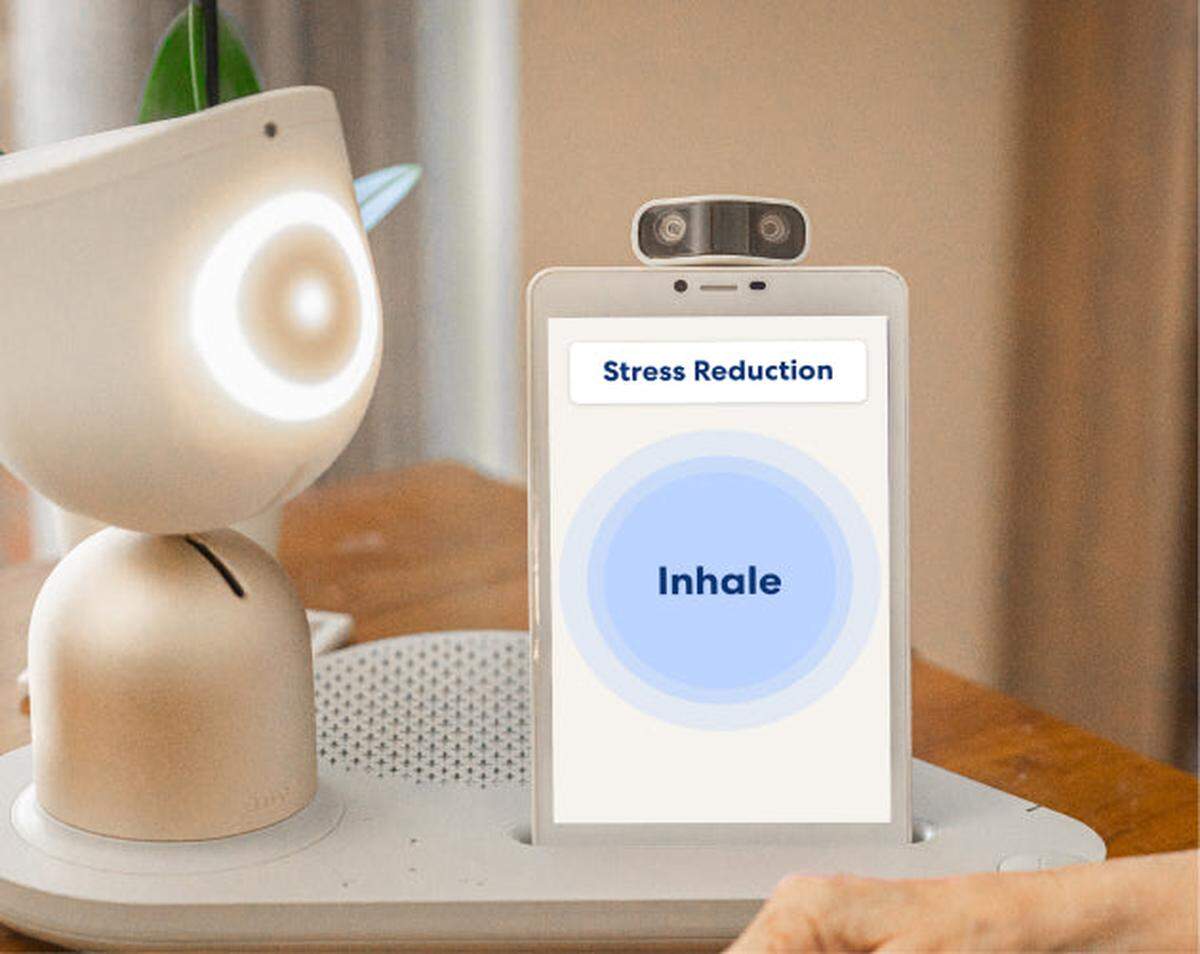
We’ve been trying to study: Is loneliness solely measured by human-to-human companionship, or can having a robot friend produce nearly the same effects as having a human friend, at the cellular level?
Until now, loneliness and friendships have only been described as a construct between two humans. There have been no instruments developed to capture the effects of a companion robot, which spontaneously nudges you six times a day to do healthy activities. But we developed a scale called a Companion Robot (COBOT) Impact Scale that asks those who have a companion robot if your robot is good company; whether it helps you to connect with other people; whether it helps you feel more connected; whether it helps you stay mentally active; whether it helps cheer you up — because the robot can tell you jokes, it can quote verses from the Bible, it can play music, so on and so forth. And then we also have a global rating underneath, which says, How much has the robot changed your life overall?
We’re hoping that a number of robot manufacturers will implement this scale in their real-world experiments. Then within a year or two, we’ll have a rich data set to see how robots are impacting human life across multiple dimensions.
(Note: The COBOT scale was co-developed by Doraiswamy with experts in the fields of robotics, positive psychology, behavioral economics and family medicine.)
Q. Sounds like fascinating work. But ultimately, wouldn’t it be better to make a human friend and have real human contact?
Yeah. Right now all the evidence points to having a real friend as the best solution. The purpose of technology is not to replace a real friend, but to augment the gaps that exist. For example, if you go through a COVID pandemic where you’re not able to meet a real friend, then maybe a robot friend is better than not having any friend at all.
Technology is a solution for people who don’t have any other solutions.
This story was originally published January 25, 2023 at 6:00 AM.