Future of churches uncertain as millennial membership declines, reports show
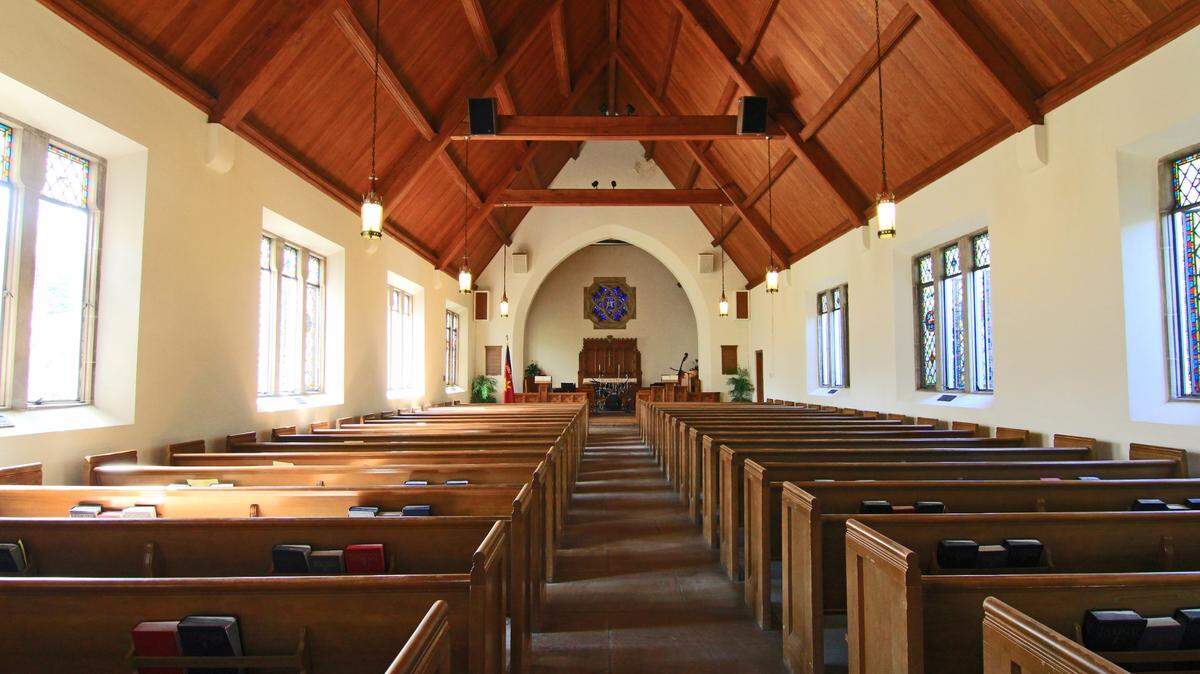
After COVID-19 restrictions were eased, most churches resumed in-person services. But data from a recent poll show millennials weren’t going to church as often as their parents or grandparents before the pandemic started.
Data from a 2020 Gallup poll shows that only a third of millennials belonged to a church, down from more than 50% a decade before. Nearly twice as many adults older than 76, and 58% of those born between 1946 and 1964 belonged to a church then, according to the data.
Recent studies show that for churches that aren’t able to maintain consistent membership, the future could be bleak.
When did millennial church membership start to drop?
According to data from Gallup, each generation has seen a decline in church membership over the last decade, but none more so than millennials.
From 2010 to 2020, the portion of millennials affiliated with a religion who were church members dropped from 63% to 50%, data from Gallup show. This coincided with membership among baby boomers and Generation X decreasing by 4% and 8%, respectively.
How did the pandemic affect millennial church attendance?
The COVID-19 pandemic had a significant impact on church attendance among millennials, data shows.
According to an analysis by American Family Survey, church attendance among Americans under the age of 35 fell from 36% to 26% between 2019 and 2021 — the highest drop in attendance among all age groups. For comparison, attendance among those aged 35-64 declined by 4% during the same time period.
Married adults with no children also saw the biggest drop in church attendance compared to other groups in 2021, with only 30% attending church once or twice a month, down from 40% two years prior.
What will happen to churches if the trend continues?
If churches continue to lose members, some could be forced to close their doors. Data show that the lack of membership has already affected thousands of churches in the U.S.
A study from Lifeway Research, which analyzed data from 34 Protestant denominations, found that 4,500 churches closed in 2019, while only 3,000 new congregations were formed.
Another study published in 2021 from the Center for Analytics, Research and Data estimated that up to 7,700 churches are closing each year.
What will former church spaces be used for?
As congregations around the country shrink and churches are left vacant, many of the buildings are torn down to make room for new construction projects. But some developers in Charlotte have found ways to repurpose those spaces.
According to its website, Congregate NoDa General Manager Randy Martin converted the former home of Whiting Avenue Baptist church into a coworking space with desks, private offices and suites.
Supperland owners Jamie Brown and Jeff Tonidandel turned a historic church in Plaza Midwood into one of the area’s most popular restaurants. While the interior was completely remodeled, the duo kept church elements like high ceilings, wide windows and an aisle running down the center.