Production costs soar for NC’s top crop. Is 2022 a turning point for tobacco farmers?
READ MORE
Big Tobacco’s Big Decline
After more than four centuries of ubiquity and profits, North Carolina’s tobacco production bottomed out in 2020 to a level not seen in nearly 100 years. Now, the state is down to about 1,300 tobacco farms, and many growers say this could be the year that pushes them out of the business, too. How are current — and former — tobacco farmers reacting?
Expand All
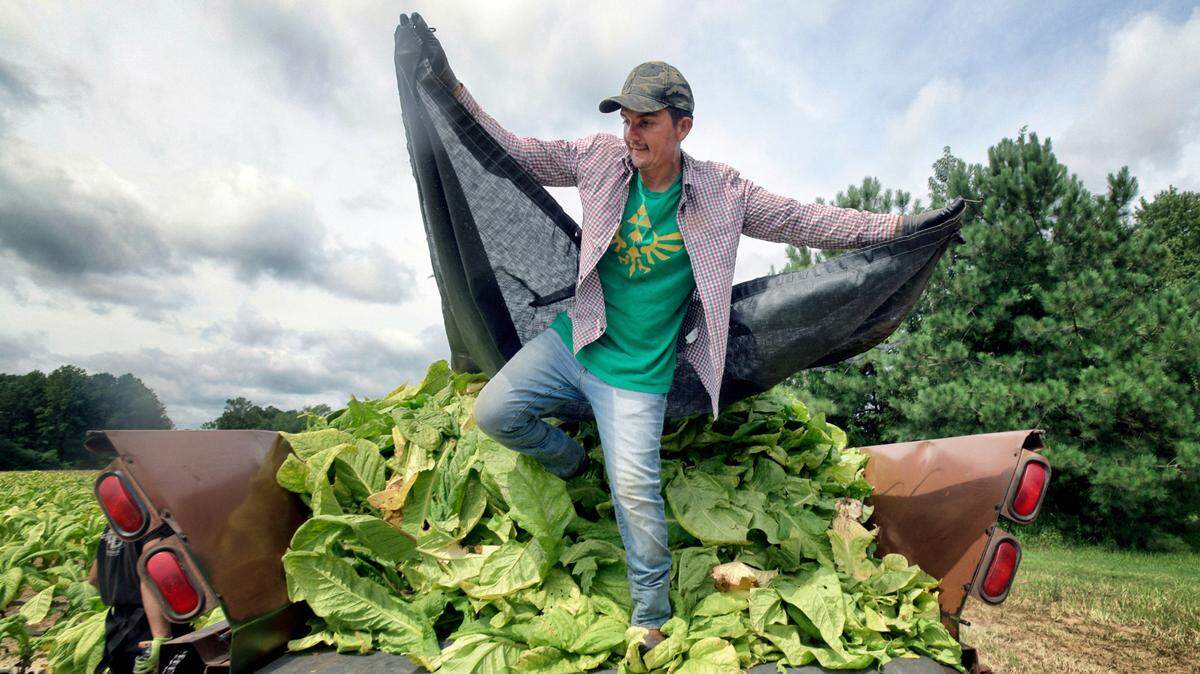
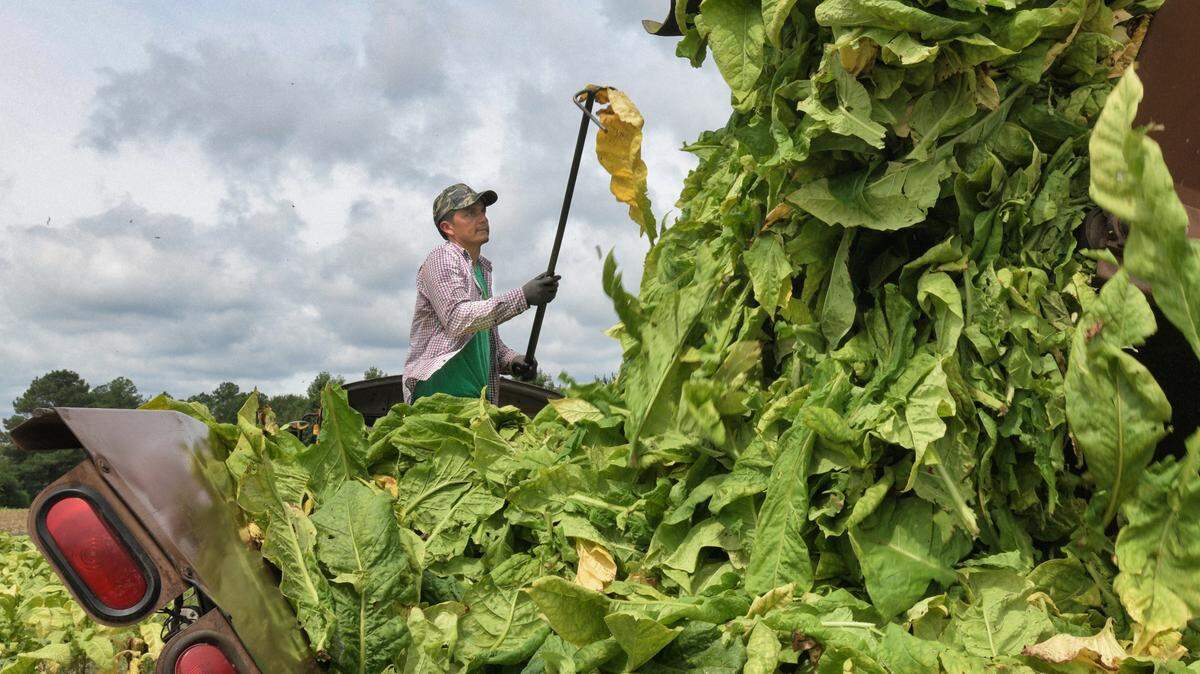
In nearly four and a half centuries of working the land that stretches from the stubborn soils of the sandy coastal plain to the rolling red Piedmont, North Carolina tobacco farmers have never had more riding on a crop than they do this year.
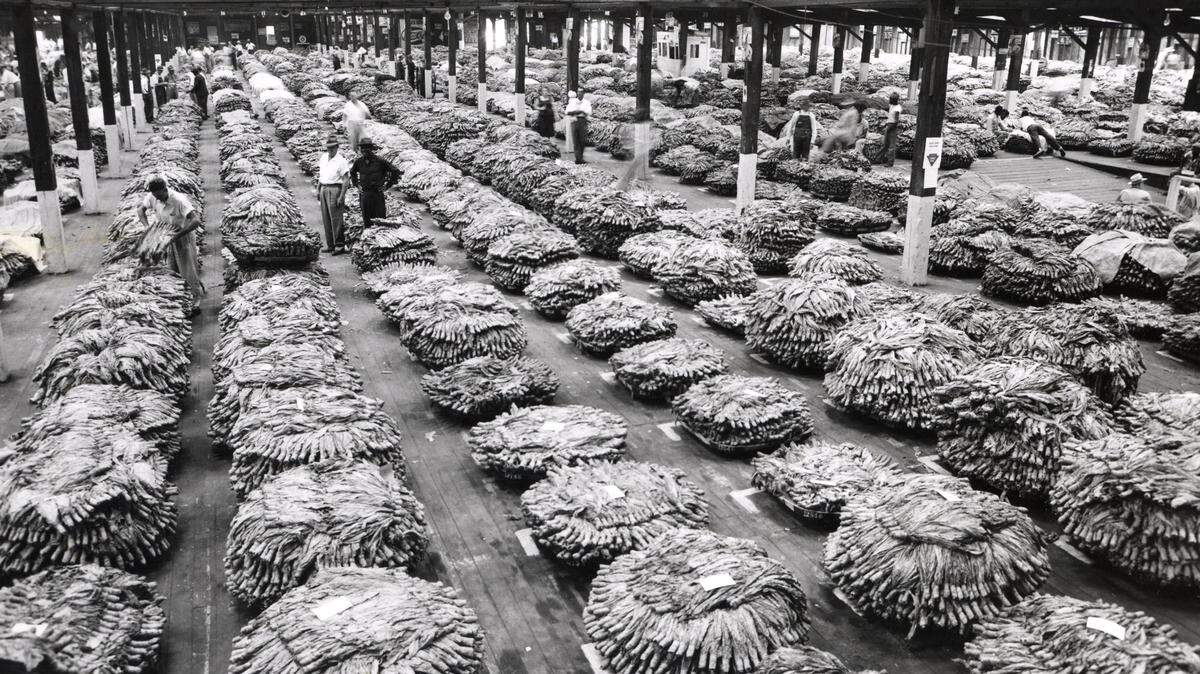
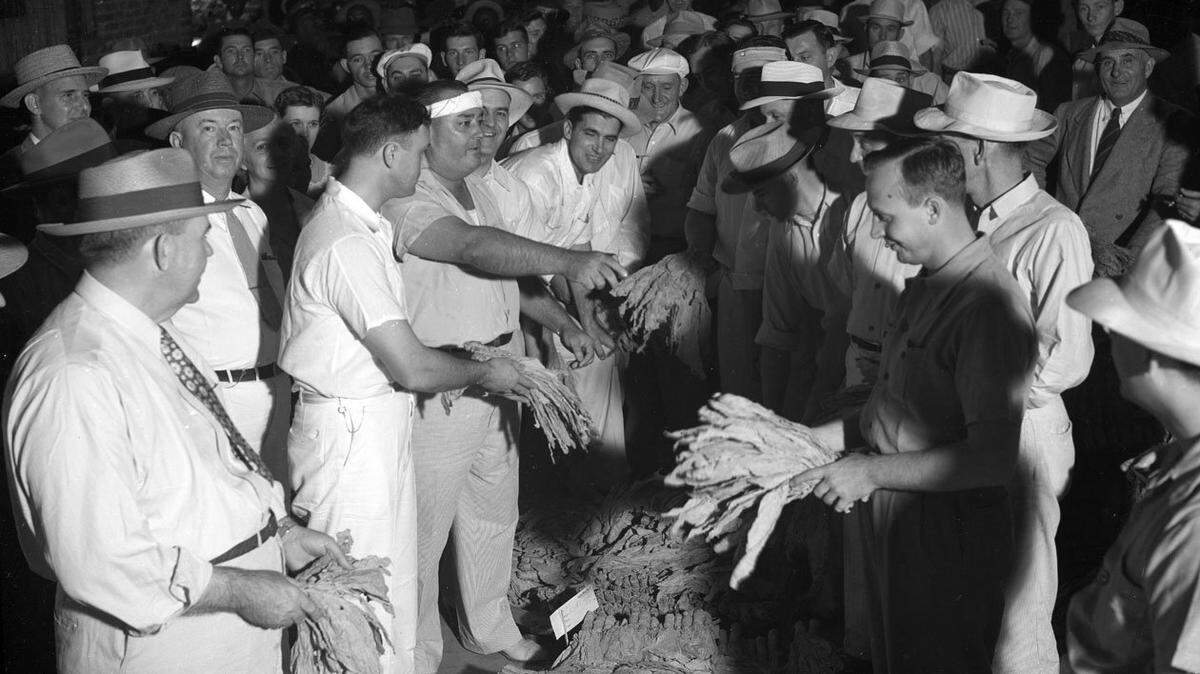
Flue-cured tobacco reigned for generations as the top crop in North Carolina. Prized around the world for its quality and flavor, it was so certain to be a moneymaker that nearly every farmer had a few acres, enough to pay the bills and a little extra.
It was sometimes said that even farmers who didn’t use tobacco were addicted to it, because in a good year nothing else that sprang from the earth could bring as much profit.
It wasn’t just farmers who relied on the crop. In rural North Carolina, a summer spent working tobacco was a hard but instructive first job that could pay for a secondhand car or college tuition. Retailers who sold seed, fertilizer and farm equipment were in business to supply the farmers, who also supported clothing and furniture stores and car dealers.
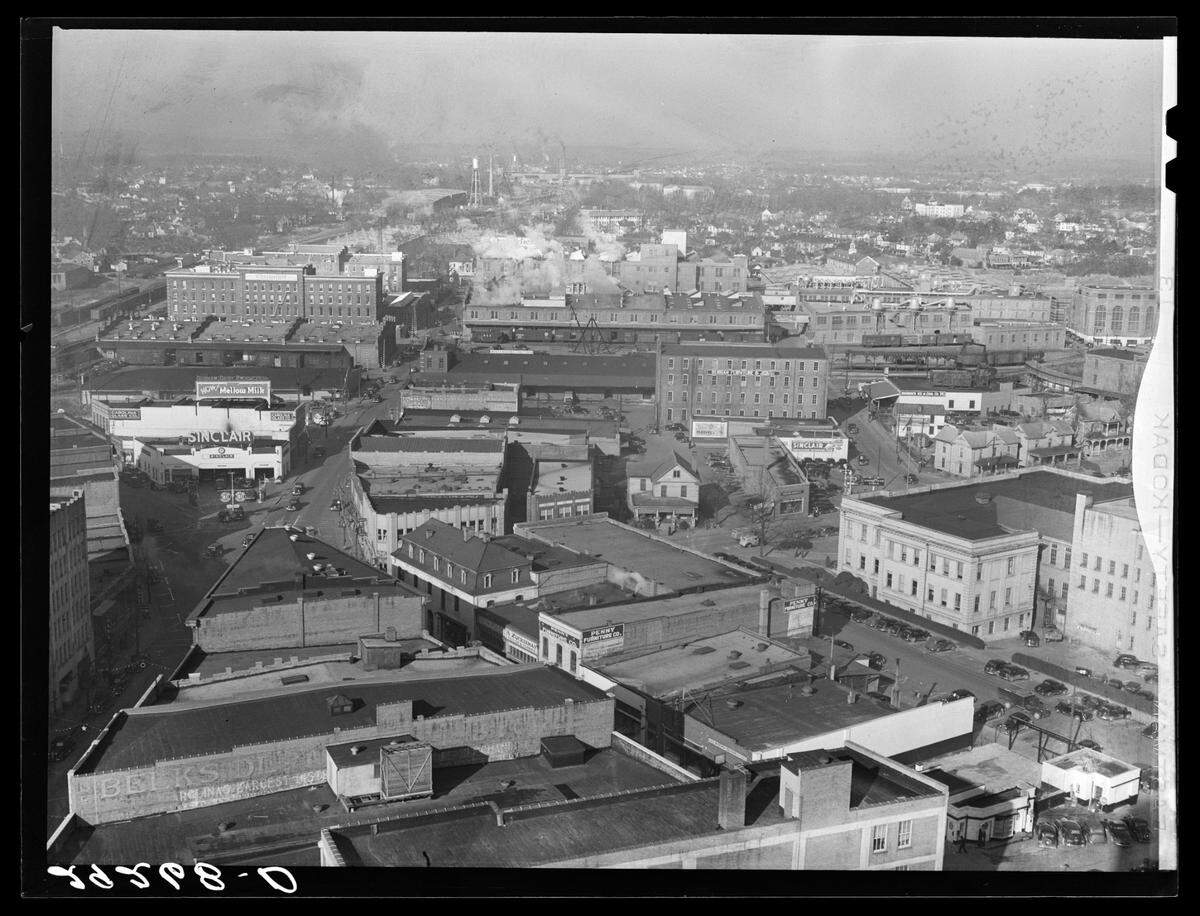
In the manufacturing towns of Durham and Winston-Salem, factories employed tens of thousands of people at a time, putting billions more dollars into circulation. The taxes those workers and farmers paid built schools, community centers and infrastructure — the very towns themselves.
The decline begins
But it couldn’t last forever, and with the surgeon general’s warning and manufacturers’ acknowledgment that tobacco was addictive and harmful, consumption declined in the U.S. and around the world. China remained a reliable market, but from 1997 to 2017, during which Big Tobacco agreed to pay billions to states for healthcare costs and the government dismantled the tobacco price-support system, N.C. annual production dropped almost in half, from about 700 million pounds to about 364 million pounds.
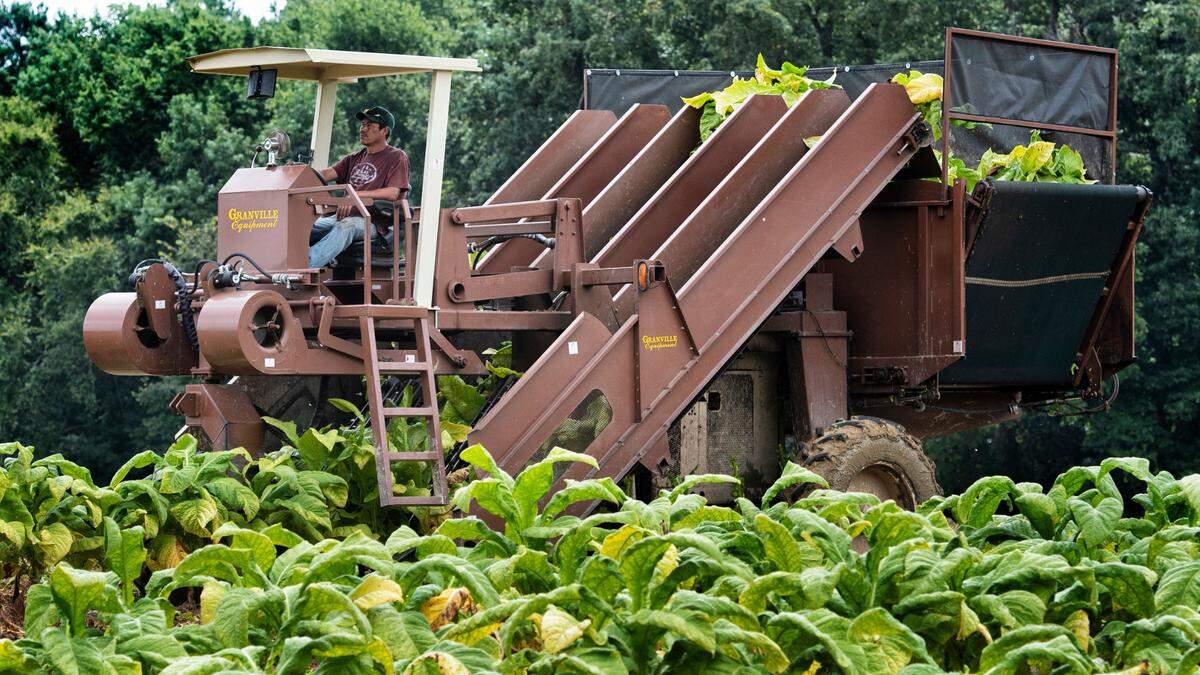
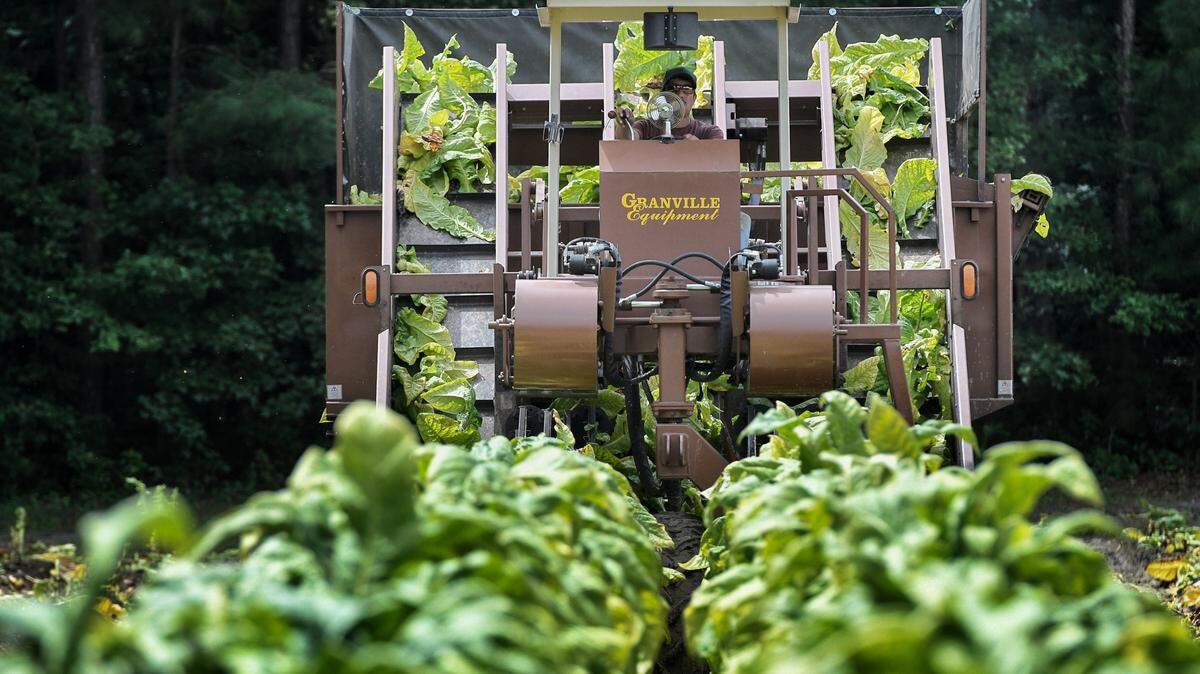
Still, some farmers hung on, mechanizing to reduce labor costs, renting or buying extra land for economies of scale and always hoping for price increases at harvest time. Nearly all planted other crops as a hedge, the way they used to plant tobacco to prop up everything else.
Then 2018 came, bringing a trade war with China that prompted U.S. tobacco’s biggest customer to stop buying American leaf. It found cheaper alternatives in Brazil, Zimbabwe, Turkey and elsewhere.
Though a China trade deal was announced in 2020, that year North Carolina tobacco production bottomed out at under 179 million pounds, a level not seen in nearly a century.
COVID-19 adds to problems
And though it rebounded in 2021, prices for the supplies needed to bring a tobacco crop from seed to harvest have doubled or worse ahead of the 2022 planting season, spurred by problems related to the COVID-19 pandemic.
Prices paid to tobacco farmers for their crop, meanwhile, are expected to rise by less than 10%.
North Carolina is down to about 1,300 tobacco farms, and many growers say this could be the year that pushes them out of the business, too.
In another decade, some farmers say, the crop — once so ubiquitous that loose tobacco leaves fluttered across interstate highways during market season — might finally be nearing the end of the row.
Read next: ‘I’m afraid this year’: NC without the golden leaf was once unimaginable. But no more.
News & Observer readers: Click here to continue.
Durham Herald-Sun readers: Click here to continue.
Charlotte Observer readers: Click here to continue.
This story was originally published February 27, 2022 at 6:00 AM with the headline "Production costs soar for NC’s top crop. Is 2022 a turning point for tobacco farmers?."


.JPG)