‘You’re at their mercy’: With tobacco auctions now ended, NC farmers lost leverage
READ MORE
Big Tobacco’s Big Decline
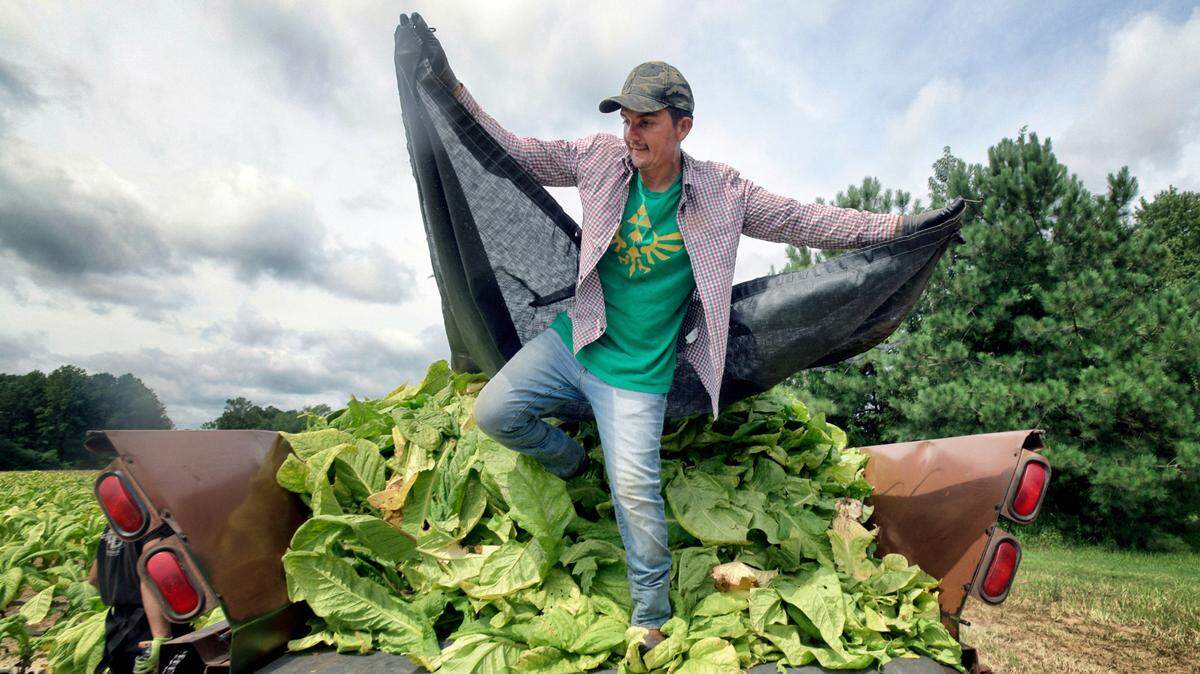
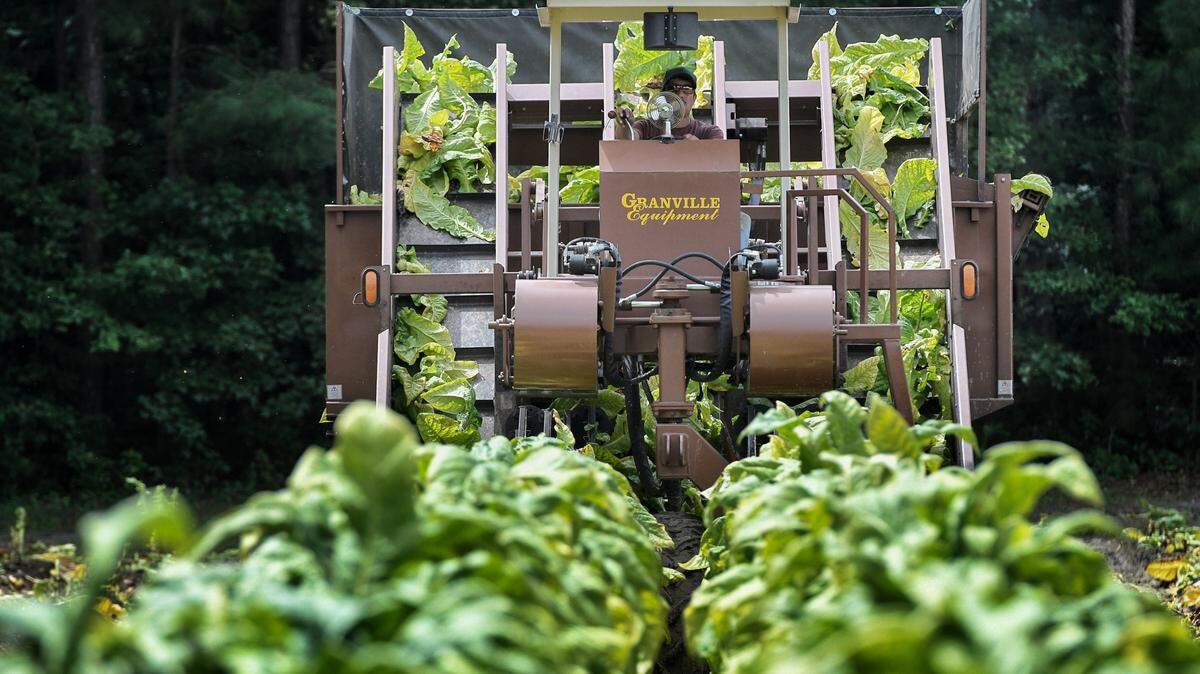
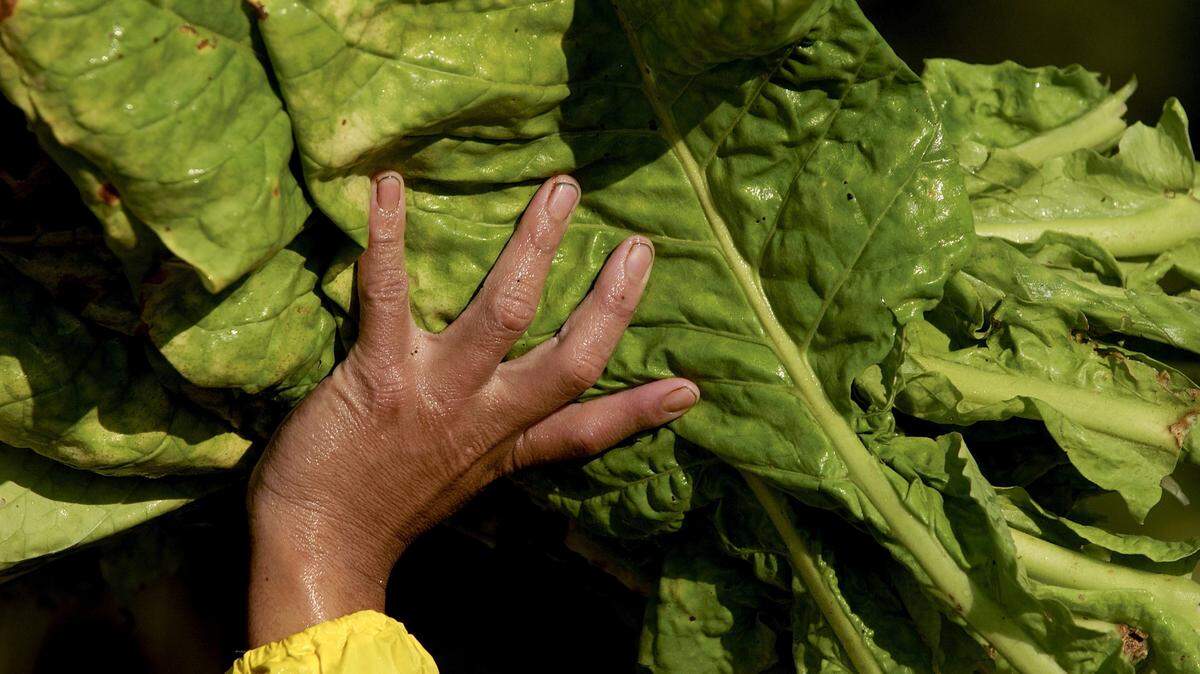
After more than four centuries of ubiquity and profits, North Carolina’s tobacco production bottomed out in 2020 to a level not seen in nearly 100 years. Now, the state is down to about 1,300 tobacco farms, and many growers say this could be the year that pushes them out of the business, too. How are current — and former — tobacco farmers reacting?
Expand All
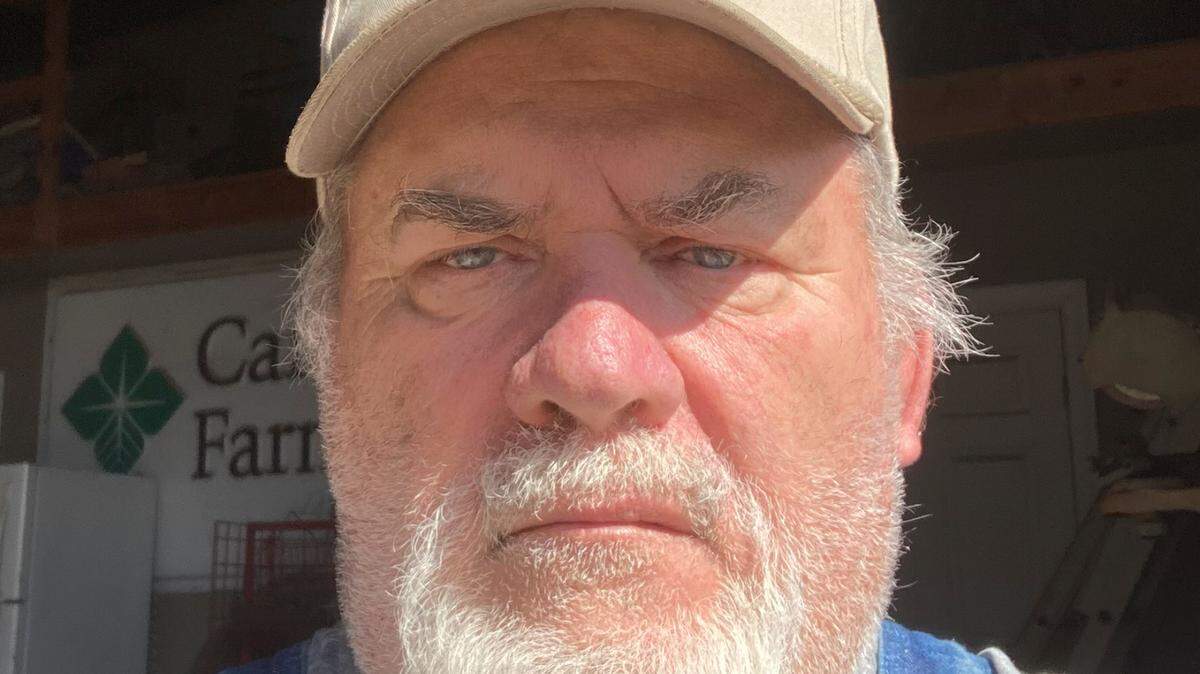
For Tony Horton, what used to be the best part about growing tobacco — taking it to market — has turned into the worst part.
From the time when Horton, 59, was a 5-year-old working on his daddy’s tobacco farm in Bunn, north of Raleigh in Franklin County, the grueling work of harvesting the leaves from late July or early August to the middle of September paid off when it was time to take the cured tobacco to auction.
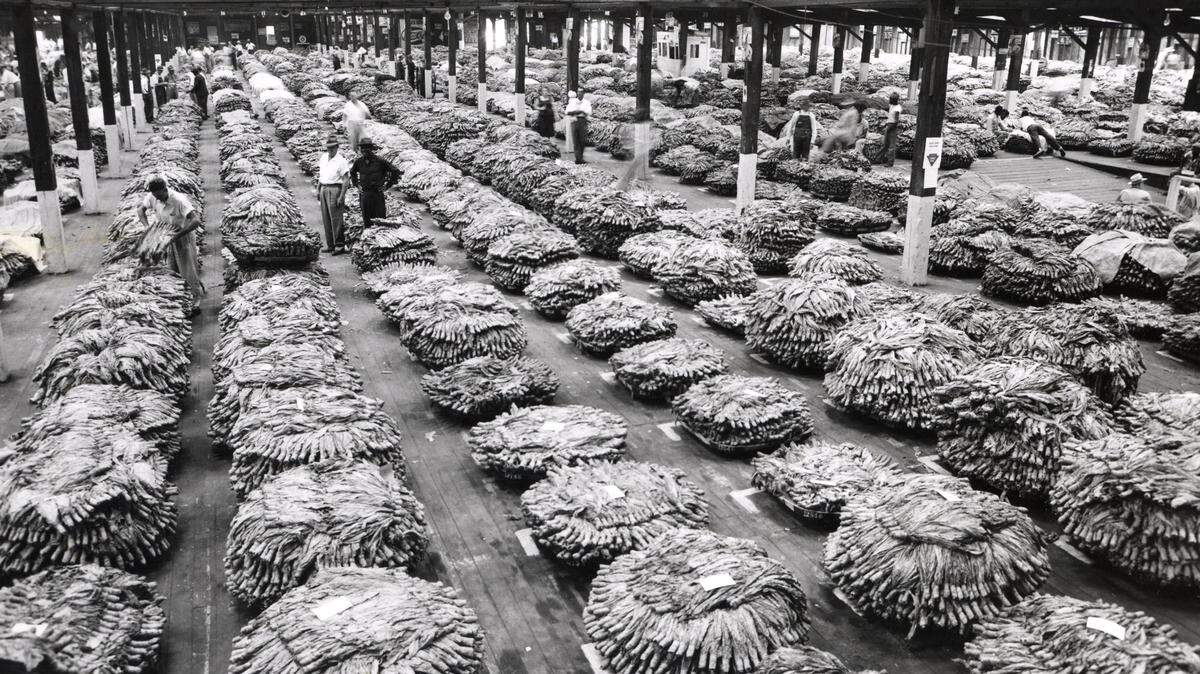
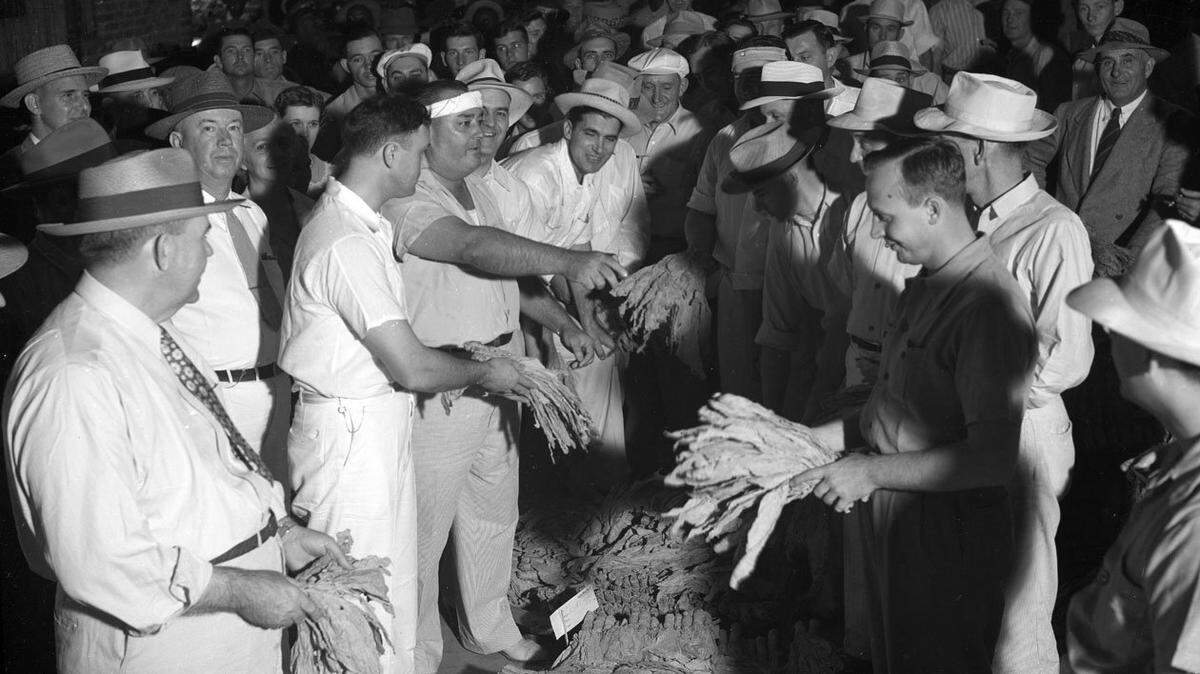
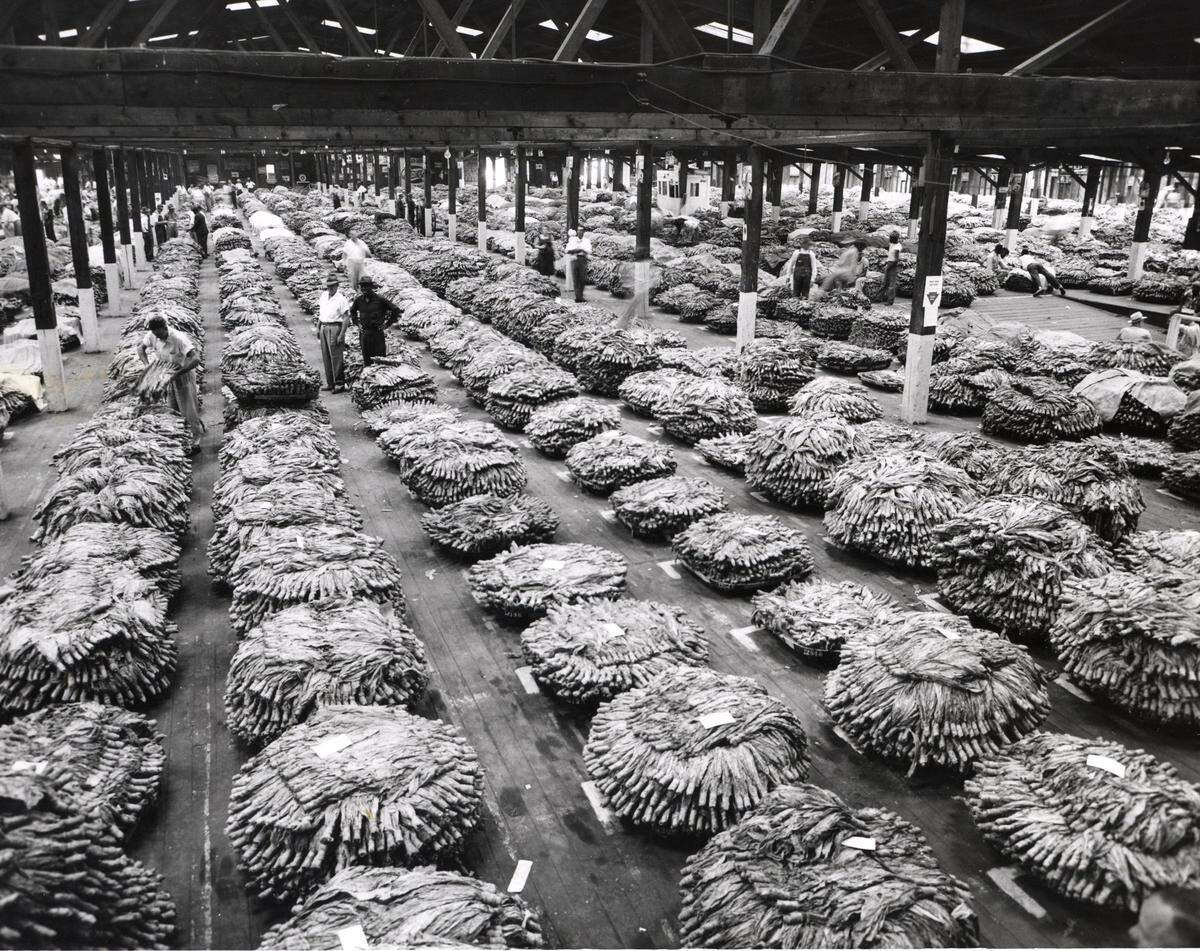
Across Piedmont and Eastern North Carolina, markets opened on a staggered calendar based on weather and other factors. Opening day for each market region was like the start of the county fair or a big family reunion. Sometimes whole families would show up at the warehouse, where bundles of tobacco were lined up and graded based on their quality, and an auctioneer would walk the rows trailing a half-dozen or more buyers from competing tobacco companies.
If a farmer didn’t like the winning bid, he could “turn the tag” on the bundle, declining the sale in hopes of getting a better price later.
Prices for tobacco, cigarettes
In the past 35 years, the price of North Carolina-grown flue-cured tobacco has never risen more than about 60 cents per pound, to just over $2.
A pack of cigarettes today costs an average of $6.65, including excise taxes. In 1985, that pack would have cost $1.05, or $1.84 adjusted for inflation, according to a Wall Street Journal story that tracked cigarette prices back to the 1950s.
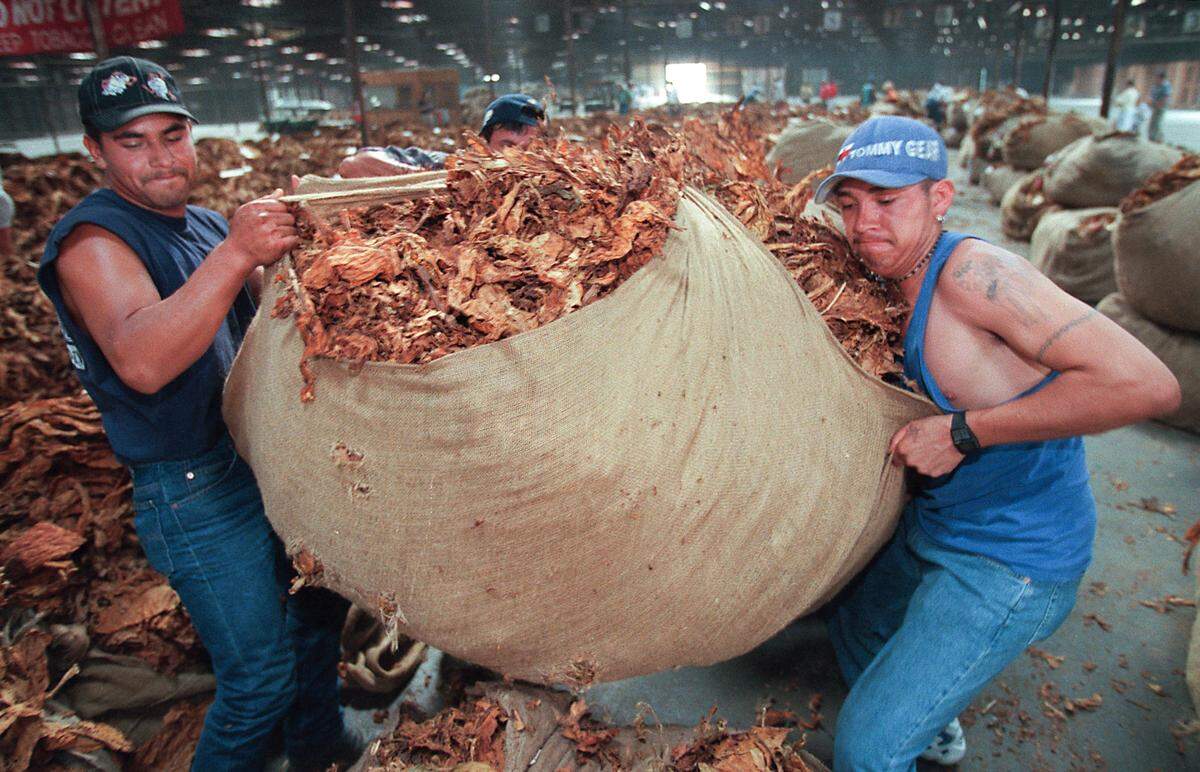
Whatever leverage a tobacco farmer had selling at auction, Horton says, he lost when auctions were ended in favor of a contract system where a grower signs on to produce a crop for a buyer at the start of the season. They agree to a price for each of the three grades of tobacco, but at the end of the season, it’s the grower that determines what grade the tobacco is.
“You’re at their mercy,” Horton said. “There you are, you may have three or four or five hundred thousand dollars invested, and there’s nothing else you can do with that tobacco, you just about have to take what they’ll give you, because you’ve got bills to pay.”
‘A hard decision to stop’
Horton didn’t plant tobacco in 2020, and doesn’t figure he ever will again. Now he’s a grain farmer, raising 1,200 acres of soybeans, corn and wheat with his 21-year-old son, Mason.
“Tobacco has its pros and cons,” Horton said. “You plant a seed and you nurture it and cultivate it and try to make it into the very best plant you can, and you carry it to harvest and put it in the barn, and that smell when it’s cured and all. It’s like anything else. It gets in your blood.
“Tobacco really made us what we are,” Horton said. “So, yeah. It was a hard decision to stop. I like growing it. But life moves on. I’m still farming. We adapt and go on.”
Read next: North Carolina’s crop: More than 400 years of the Tar Heel State’s tobacco history
News & Observer readers: Click here to continue.
Durham Herald-Sun readers: Click here to continue.
Charlotte Observer readers: Click here to continue.
This story was originally published February 27, 2022 at 6:00 AM with the headline "‘You’re at their mercy’: With tobacco auctions now ended, NC farmers lost leverage."

.JPG)