How COVID relief funds were meant to be used, and how they were misused
READ MORE
Council member Tiawana Brown indicted
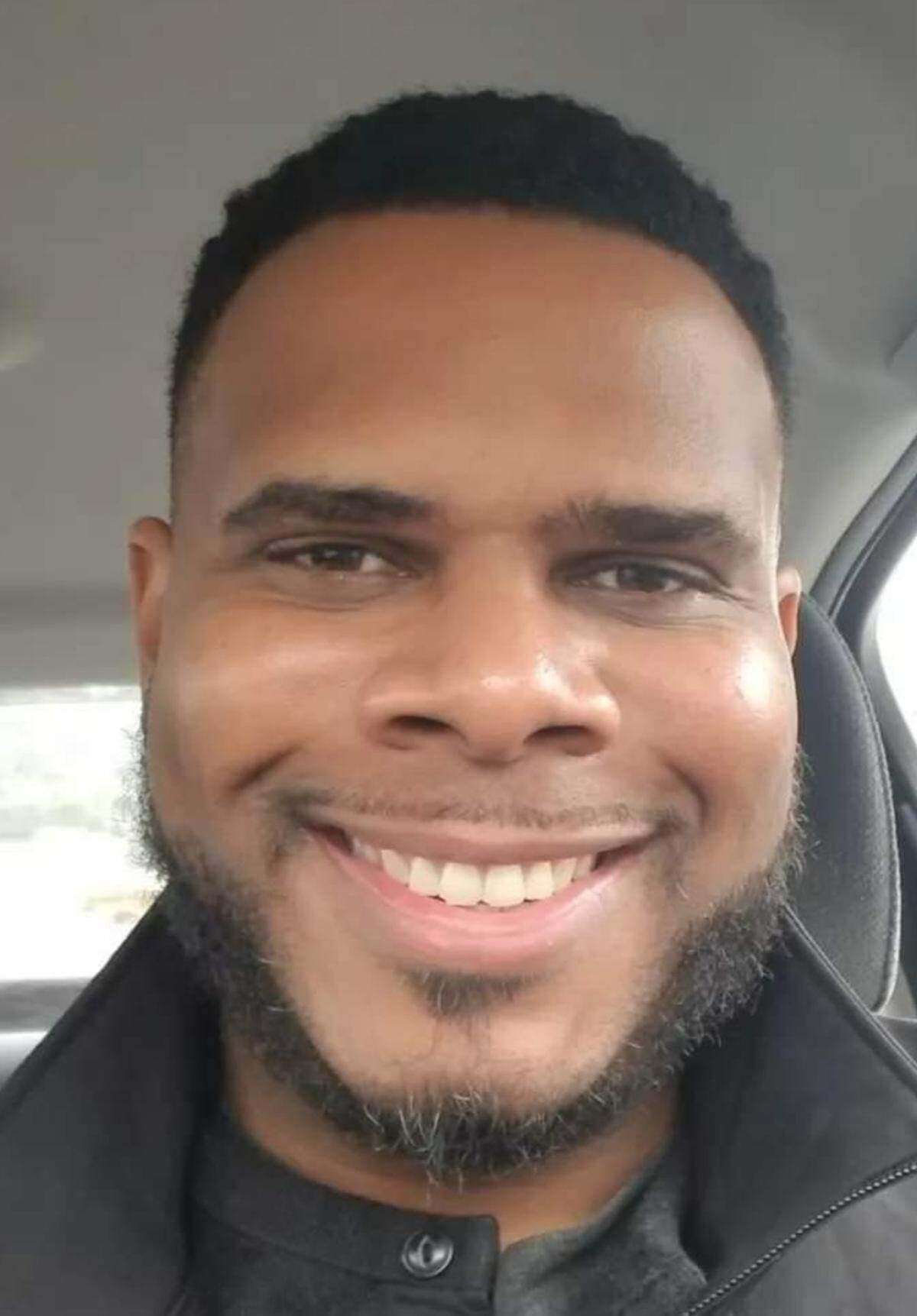
Charlotte City Council member Tiawana Brown has been indicted on federal COVID loan fraud charges.
This is a developing story.
Expand All
Charlotte council member indicted on federal COVID loan fraud charges
Who is Tiawana Brown? Charlotte City Council member facing wire fraud indictment
Yet another controversy hits Charlotte City Council as Tiawana Brown is indicted
Indicted Charlotte council member says she won’t resign. She should reconsider. | Opinion

How COVID relief funds were meant to be used, and how they were misused
As the COVID pandemic took hold in 2020, federal lawmakers created a series of loans to help struggling businesses stay afloat through the Coronavirus Aid, Relief, and Economic Security Act.
More than $4.6 trillion was distributed through the CARES Act and other legislation, including through the Economic Injury Disaster Loans (EIDL) and the Paycheck Protection Program (PPP) from the U.S. Small Business Administration. But a number of people misused those funds, both around the Charlotte region and nationally.
In the Western District of North Carolina, which includes the Charlotte metro area, that total misuse of funds is approaching $20 million, prosecutors say. More than 30 people have been prosecuted and convicted.
The latest case involves Charlotte city councilwoman Tiawana Brown and her two daughters, who were indicted by a federal grand jury on charges of allegedly running a $124,000 COVID fraud scheme.
Charges against the three involve alleged misuse of EIDL and PPP funds. Here is a closer look at those programs.
What are PPP loans?
PPP loans were set up by the government in 2020 to help small businesses keep workers and cover operating expenses during the pandemic.
They provided quick money to business owners and other eligible groups. This relief helped with costs including payroll, rent and utility bills. Small businesses with 500 or fewer employees were generally eligible for the aid.
The funds were provided by private lenders but were 100% guaranteed by SBA.
Loans could be fully or partially forgiven if borrowers met certain criteria, according to the SBA. The main requirement was having at least 60% of the funds being used for payroll costs. Other funds could be used to pay for other expenses.
As of October 2024, the SBA provided 11.5 million loans totaling $792.6 billion, according to the latest data from the federal Pandemic Oversight website.
More on the COVID EIDL program
During the pandemic, the SBA expanded its EIDL program to help with critical financial relief. Money was distributed to small businesses, agricultural groups and private nonprofit organizations harmed by the pandemic.
Similar to the PPP loans, the intent was for the money to be spent on expenses such as payroll, healthcare benefits, rent and bills.
But unlike PPP, the EIDL loans were not forgivable, although some related advances were, according to SBA.
COVID EIDLs had a repayment term of 30 years, according to congress.gov. Payments were automatically deferred for the first 24 to 30 months, with interest, during the period.
The program has approved 3.8 million loans worth more than $320 billion for the pandemic, according to the Pandemic Oversight website.
COVID fraud cases in the Charlotte region
The Western District for the U.S. Attorney’s Office has prosecuted 35 COVID fraud defendants to date.
Federal authorities obtained almost $18 million in judgments or settlements, and collected over $5.5 million in assets, according to a news release from the U.S. Department of Justice.
During the pandemic, COVID loan seekers submitted false information about personal and business information covering such details as revenue, employee totals and company history.
After getting the funds, criminals around the Charlotte region spent the money on personal expenses such as trips, cars and jewelry, according to previous reporting by The Charlotte Observer.
This story was originally published May 22, 2025 at 1:33 PM.