Big Charlotte companies donate $100 million to help close affordable housing gap
More affordable housing is set to be preserved in Charlotte, thanks to a local fund that has almost doubled its spending ability fueled by private sector investments.
The Housing Impact Fund, in its third wave of fundraising, now has $102 million to acquire, renovate and rent units for families making below 30% of the area median income up to 80% AMI. For a family of four, that’s an income of under $33,650 up to $89,750.
The fund is fueled by private dollars from entities such as Truist Bank, Atrium Health, Bank of America, First Horizon Bank, Honeywell, Huntington National Bank, Leon Levine Foundation, PNC Bank and Regions Bank. The fund did not disclose how much money the companies donated individually.
The Housing Impact Fund was started in 2020 by President Bill Clinton’s former chief of staff Erskine Bowles and Nelson Schwab. It’s operated by Mark Ethridge, president of Ascent Housing.
Since then, the fund has seen three waves of fundraising from the private sector and philanthropic investors. Starting in 2020, the fund raised $58 million. That increased to $67 million in 2023.
And since 2020, the fund acquired 11 apartment building with nearly 2,000 apartments, serving about 5,000 low- to moderate-income residents.
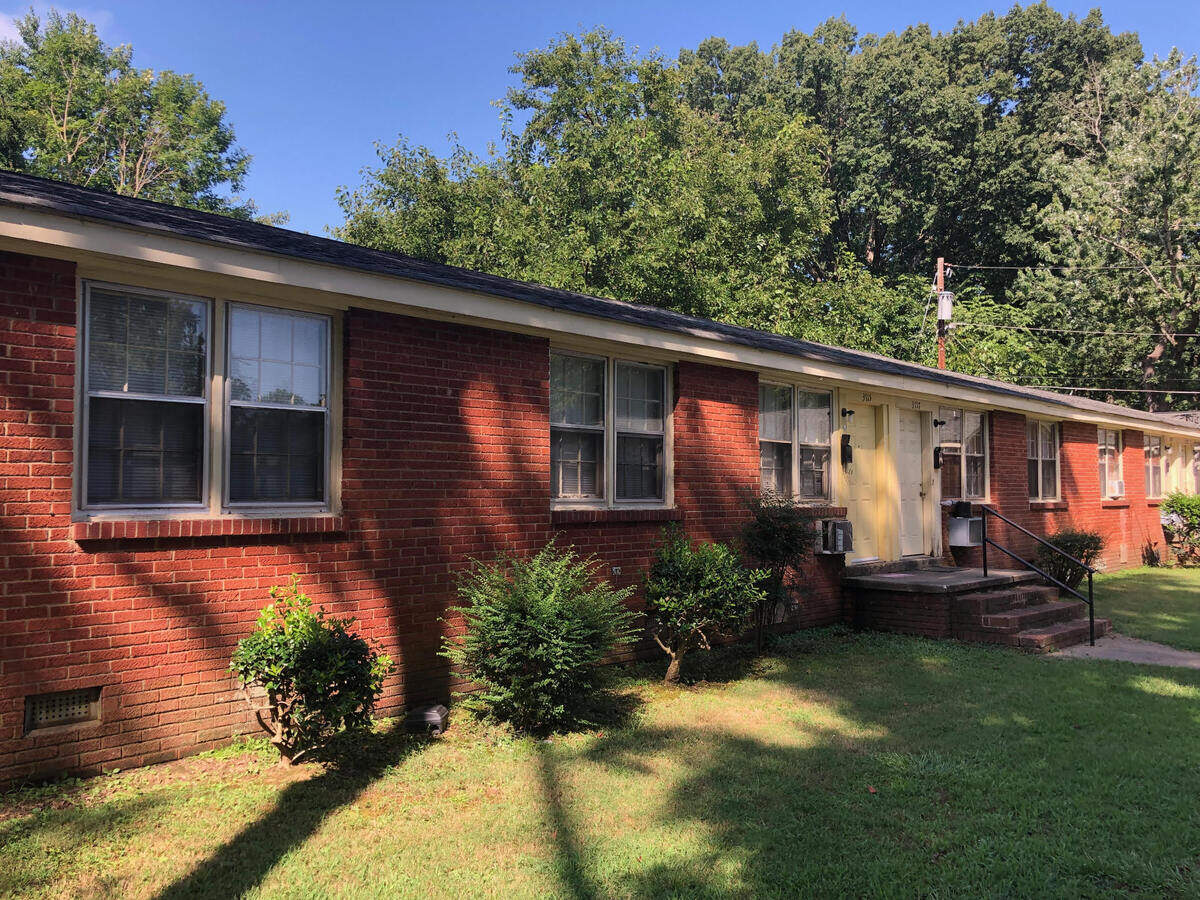
Now, the fund has a new round of dollars to the tune of $102 million to continue its work to save affordable housing in Charlotte.
“We’ve been able to buy properties that are in strong areas that are close to jobs, light rail stations, zoned for Myers Park High School, always within a half mile of a full service grocery store,” Ethridge said. “We’re able to move quickly and serve lower AMIs …
“We’re providing housing where the need is the greatest and in an even greater proportion than the average affordable housing project And we do the vast majority of it with private sector capital,” he said.
Increased housing needs in Charlotte
When Bowles, Schwab and Ethridge came together, the trio wanted to address helping Charlotte’s unhoused residents and moving them up the economic ladder.
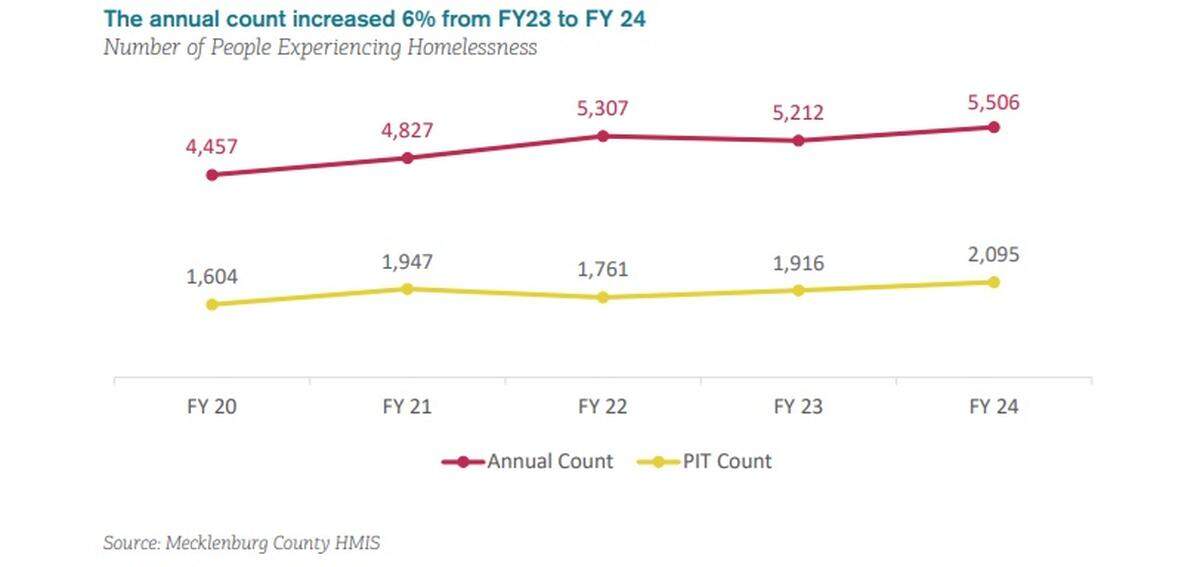
Homelessness continues to rise in Charlotte and Mecklenburg County.
Over 5,500 people experienced homelessness at some point during the 2023-24 fiscal year, according to the county’s State of Housing Instability and Homelessness report, released in February. The fiscal year runs from Oct. 1, through Sept. 30.
That’s a 6% increase from the end of the 2023 fiscal year. And the cause of that increase is a lack of affordable housing and stagnant wages, according to the county.
Between 2015 and 2024, more than 77% of the county’s low-cost housing evaporated due to redevelopment, increasing property values, increased construction costs, rent increases and the decrease of naturally occurring affordable housing, according to the county.
And while low-cost housing has decreased, rents have risen. The fair market rate for a one-bedroom in the Charlotte metro is $1,647 as of last year. That’s a 16% increase from 2024.
What does preserving affordable housing in Charlotte mean?
One of the ways to help increase the affordable housing stock is to preserve naturally occurring affordable housing, or NOAH properties.
NOAH refers to rental units that are inherently affordable without the use of subsidies or any federal programs. Think older apartment buildings sans stainless steel appliances.
And that’s where the Housing Impact Fund steps in.
Instead of watching private developers to purchase these properties, renovate and ultimately, raise the rental price, the fund helps Ascent purchase the buildings and lower the rent, keeping residents housed at an affordable cost.
The properties are also equipped with social services to help people advance economically. The services include financial literacy classes and job training.
“It stops people from being displaced,” Ethridge said. “We’re trying to give people quality, safe and secure stable housing. Along with introducing the resources and the programs that can help folks overcome barriers they might have to economic mobility or long-term stability.”
Besides acquiring the apartments, the fund has also partnered with the city and county to create rental subsidies for its properties using 100% of its property taxes. The taxes from the properties are reinvested toward a rental subsidy for families making 30% AMI or below.
About 560 apartments have been set aside for qualifying residents who pay an average of $336 in rent.
What’s next for the Housing Impact Fund?
With the new round of money, the Housing Impact Fund is already working on acquiring two additional properties.
The goal for this round is to acquire 1,500 units to serve 5,000 families.
Three new people will also be joining Bowles and Schwab on the leadership team; Ed Weisiger, chair of Weisiger Group and co-founder of Beacon Partners; Betsy Fleming, former president of Converse College and founder of Cressence executive coaching; and Jamie McLawhorn, president of Marsh Properties. These leaders all work pro bono.
The fund and its investors celebrated its third, and largest, fundraising efforts Thursday in front of the fund’s first acquisition, the 144-unit Lake Mist Apartments off Old Pineville Road in the Montclaire South neighborhood.
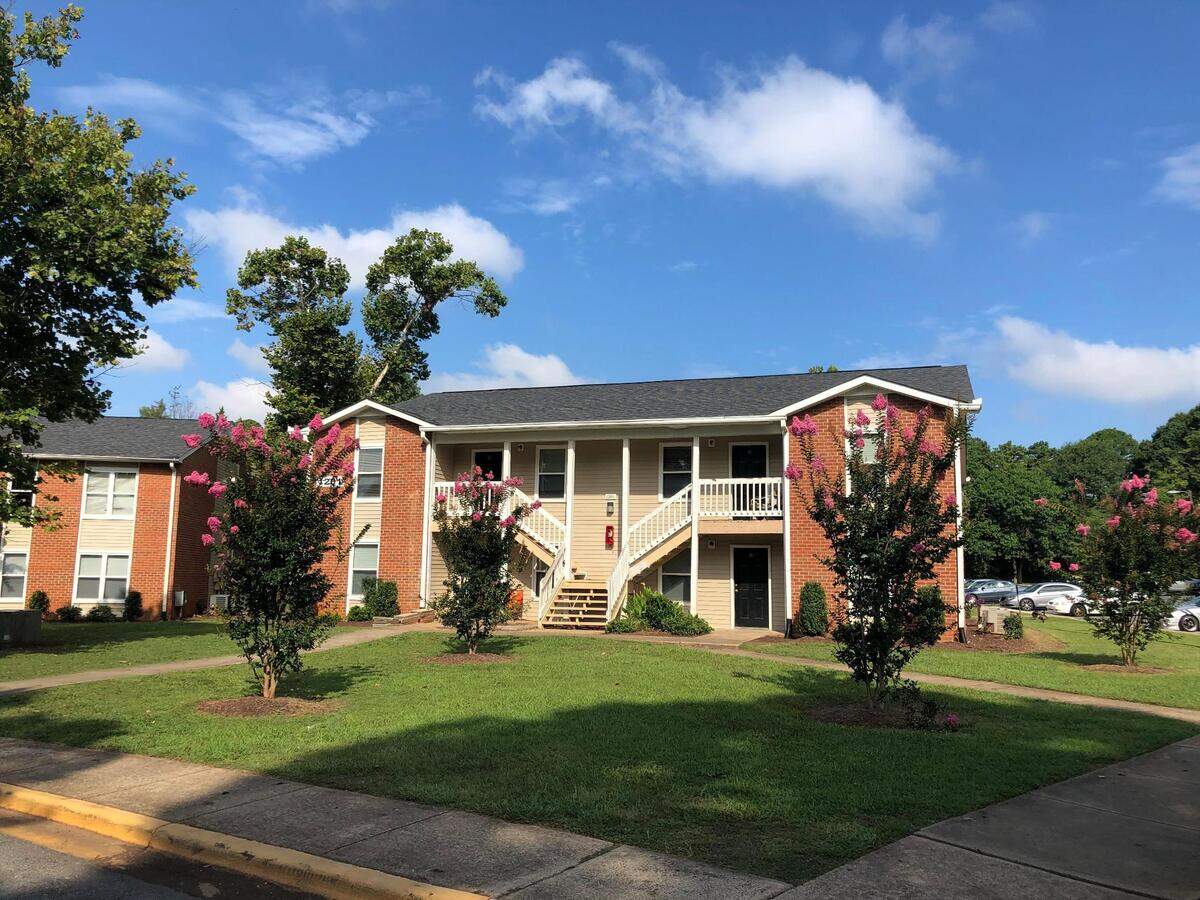
Ascent purchased the property in 2020 for $18.5 million. And it fit all the fund’s boxes to check. The property is near a Lynx Blue Line stop, groceries, jobs and social services.
With the purchase, Lake Mist has stayed affordable and continues to provide resource access to residents.
“Creating and sustaining these opportunities is what’s sorely needed in Charlotte,” Ethridge said.
Charlotte, Ethridge said, has multiplied its affordable housing creation efforts by five. But there’s still a need. He’s hoping the fund, and private dollars, can continue aiding in the effort.
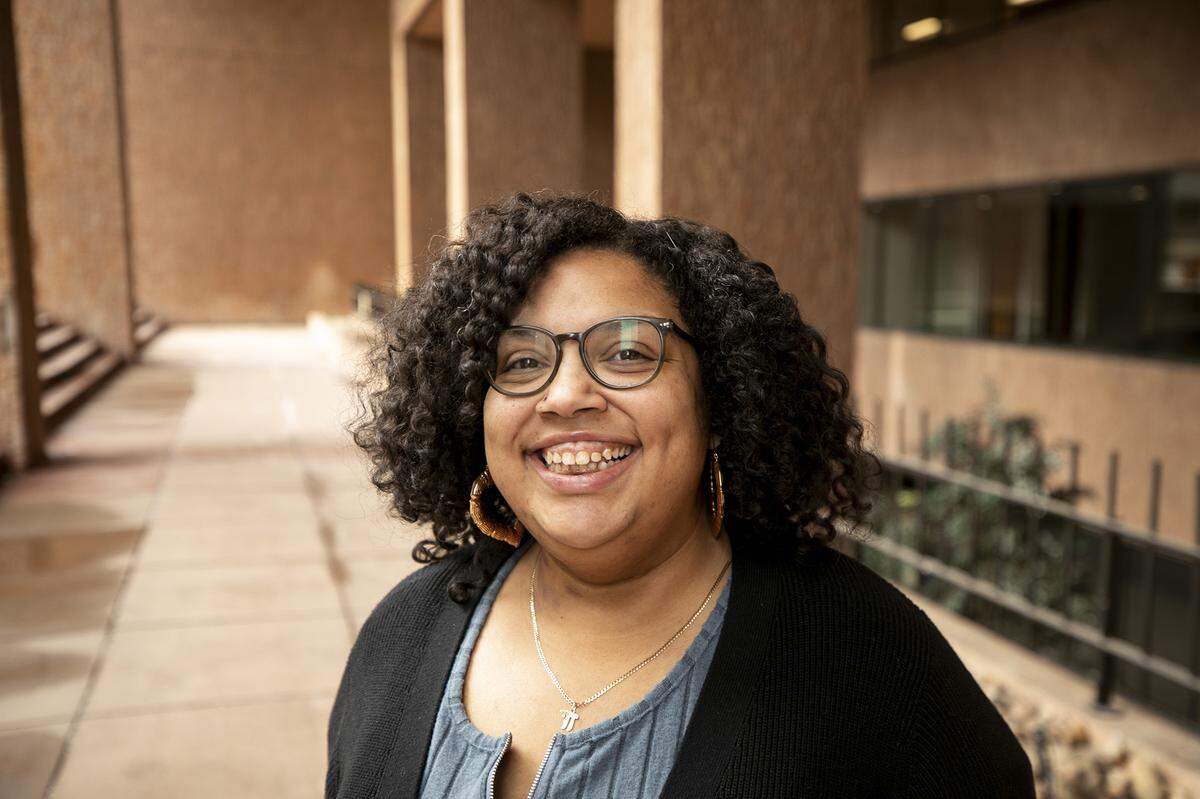
It's to help people like Aisha Johnson.
Johnson was one of the first residents to move into Lake Mist. She went from being unable to afford the $1,500 a month for living in a motel to paying the income-based rent of about $305 at Lake Mist.
On Thursday, in front of investors and government officials, Johnson praised the fund and the apartment complex for providing her a space of her own. She’s one of thousand the Housing Impact Fund is trying to help.
“When you think about giving up, they’re not going to let that happen,” Johnson said.