Charlotte region transportation board kills I-77 toll support. Project seems dead
After hours of comments, questions and motions, the Charlotte Regional Transportation Planning Organization revoked its support of the funding agreement for the Interstate 77 South toll lane project.
It’s the second surprise vote on the controversial $3.2 billion project in the past week. Last week, Charlotte City Council voted to cancel its support of the funding agreement. That prompted CRTPO’s action Wednesday night. The project appears dead for now.
After the vote, the state weighed in. “This vote means the loss of $700M in critical transportation funding designed to address congestion, crash rates and community driven priorities for the Charlotte region,” the North Carolina Department of Transportation said in a statement to Observer news partner WSOC.
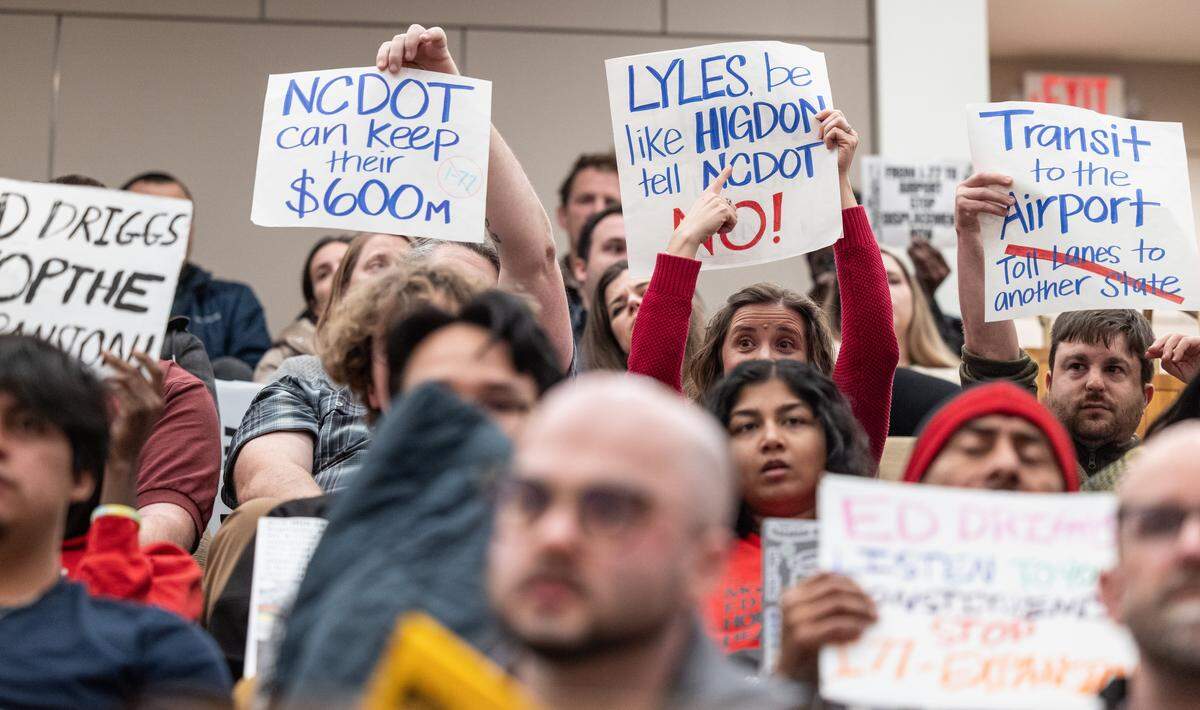
But the vote was met with applause from residents, who for the past seven months have been against the project due to its design and what community members say has been a lack of transparency from NCDOT.
Charlotte represents a near majority of CRTPO’s weighted voting system. With Charlotte’s support of revocation, CRTPO no longer supports the public-private partnership funding mechanism for the project.
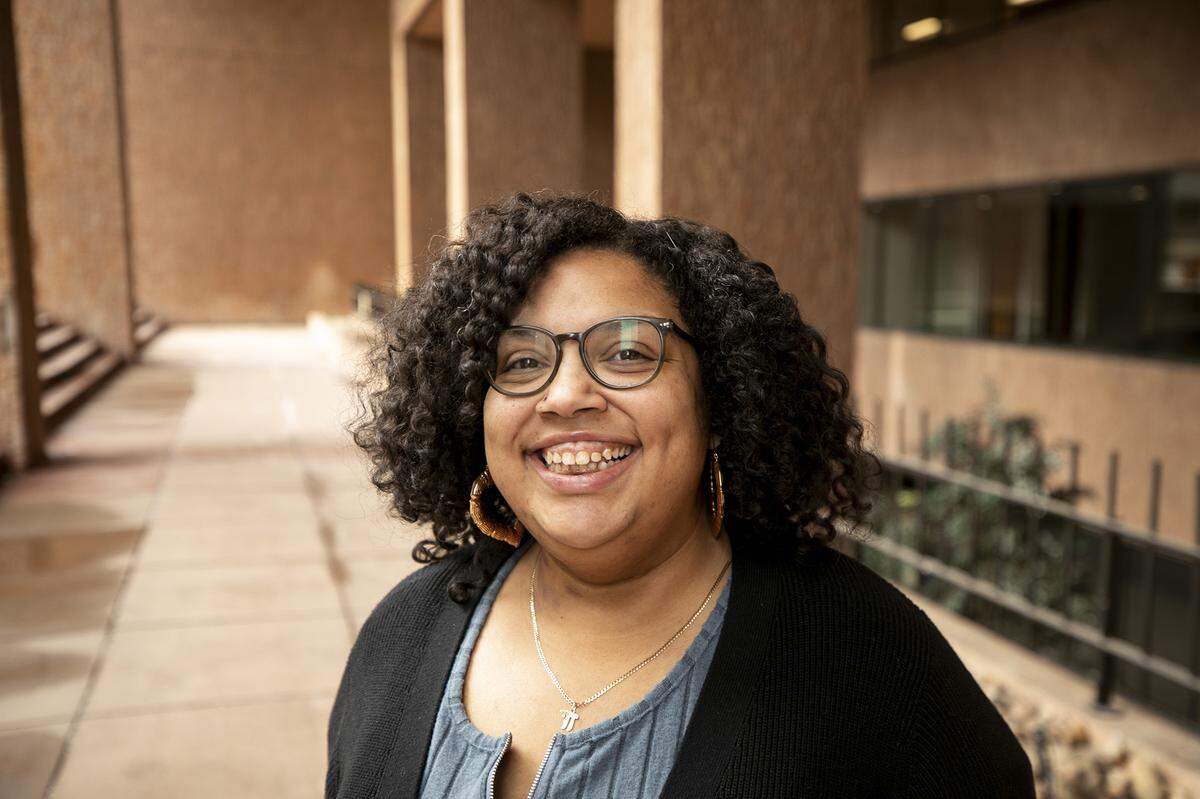
Sean Langley, president of the McCrorey Heights Association, was among those excited by the vote. He said this was the correct path to address residents’ concerns.
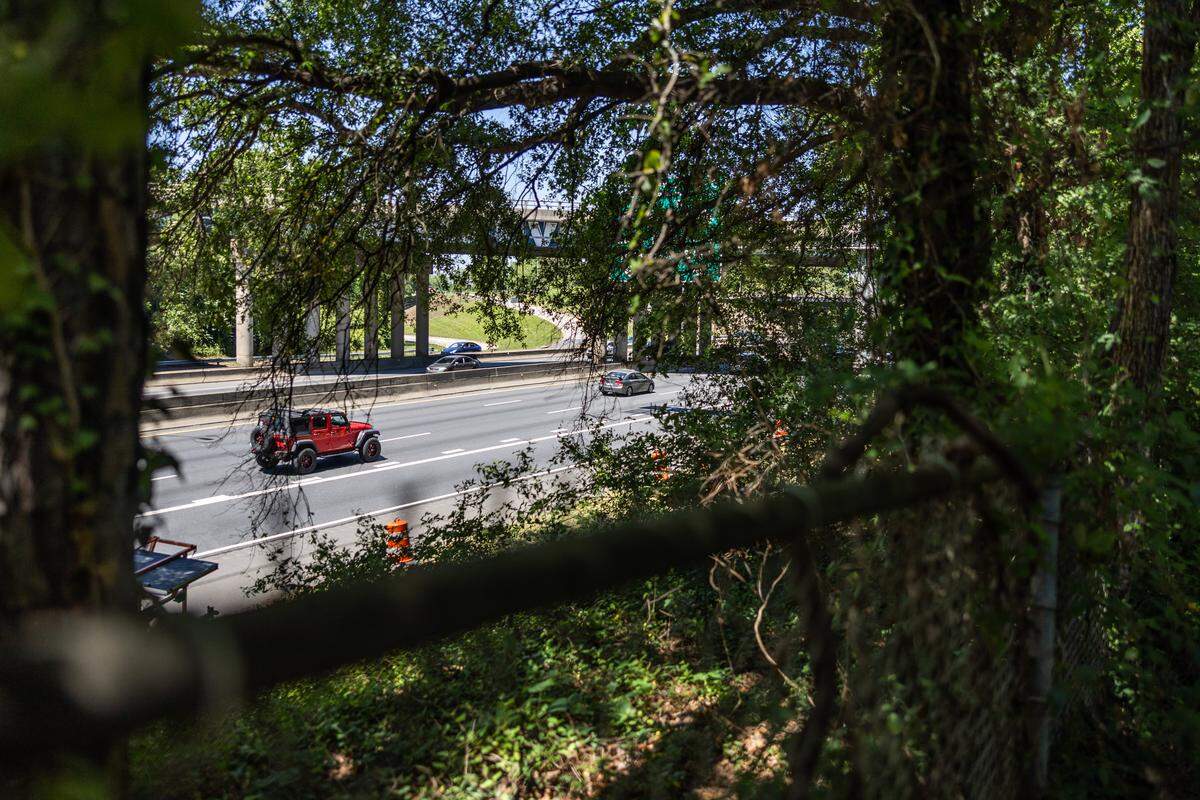
“This is what we need to send a clear message to NCDOT, that you can’t overlook the process and you can’t overlook the people,” Langley said. “You have to do things that are in the best interest of all Charlotteans.”
NCDOT already spent $60M on I-77S toll plan
The meeting room was also filled with uncertainty and a wonder if the action would spark repercussions.
NCDOT committed $600 million to the project and already has spent about $60 million.
Without the partnership, NCDOT has said there’s no other financially feasible alternative to move the project forward. And it said the $600 million would go back to the state and be redistributed to other projects.
NCDOT Secretary Daniel Johnson sent a letter to Charlotte Mayor Vi Lyles last week confirming that Charlotte would lose out on the $600 million, along with an additional $100 million that would have been spent on transportation projects of the city’s choosing. That brings the total funding in play to $700 million, which the agency referenced in its Wednesday night statement.
Johnson added the project would also be removed from the state’s transportation prioritization improvement list. I-77 South was placed on that list in 2014 and was only approved because of the funding agreement.
It’s unclear if CRTPO’s vote ends the conversation on I-77 between the organization and NCDOT.
Charlotte City Council and residents said they want the discourse to continue, but at a slower pace and with the community in mind.
Robert Dawkins, with the nonprofit Action NC, said the decision made by the board will now provide a brief reprieve, but he doesn’t think it’s over.
“Now, we can work on the solutions first and find the plan that matches it,” Dawkins said. “If we have to wait four, or five years to not make a mistake, so be it.”
What are the I-77 South toll lane plans?
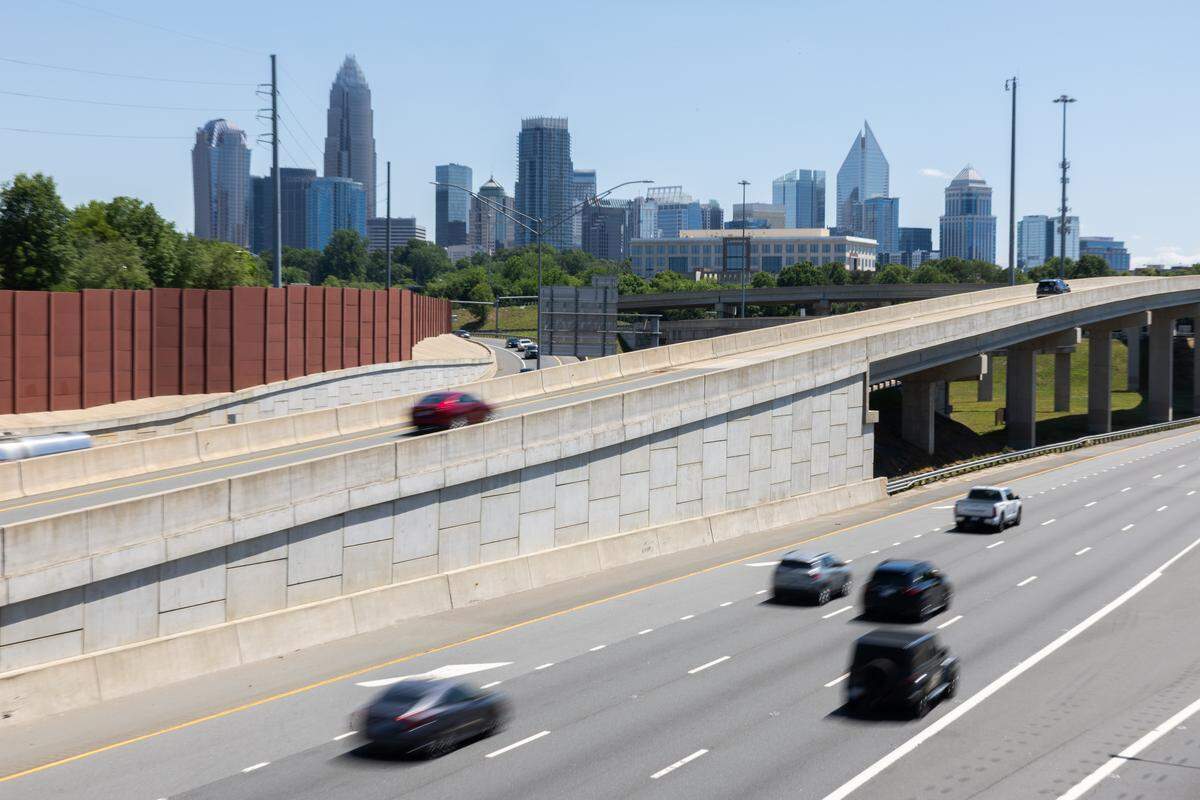
To address congestion and crashes on I-77, NCDOT planed to add toll lanes to an 11-mile stretch from uptown to the South Carolina border. The project has been in the works since 2007, and the funding agreement was approved in 2024.
I-77 South, according to NCDOT, has the state’s highest congestion levels, seeing over 160,000 cars a day. The agency estimates that, with or without toll lanes, I-77 will see a 25% increase in traffic by 2050, meaning the roadway will see over 200,000 cars a day.
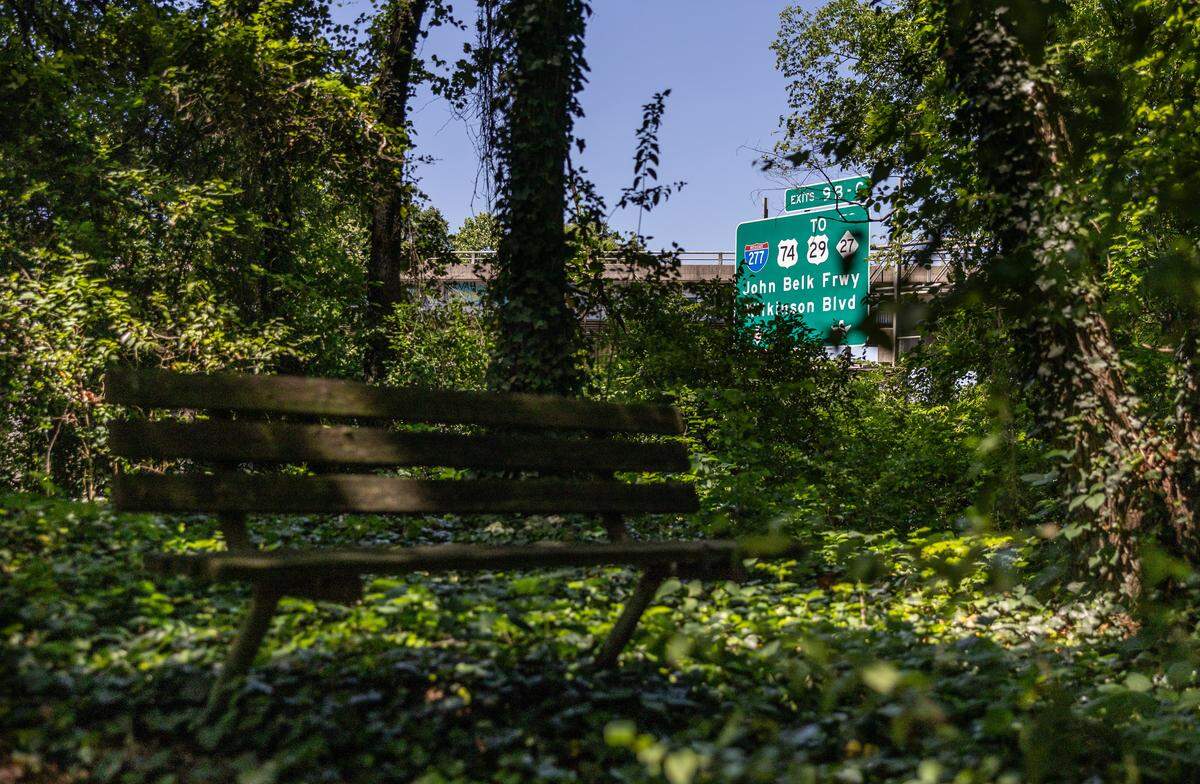
But some residents strongly opposed the project, saying it would cause too much damage to historically Black neighborhoods that have borne the cost of growth before. Several parks and greenways would have been affected by the project, including the complete removal of Wilmore Park.
CRTPO’s vote on I-77S toll project
The I-77 project was not on CRTPO’s Wednesday night agenda. But at the beginning of the meeting, John Higdon, CRTPO member and the mayor of Matthews, made a motion to discuss the toll lane project and possibly vote on rescinding the funding agreement.
Members spoke for at least three hours on the project. Amid the confusion, there were two major concerns: lack of notice on the vote and what would happen if the board revoked the funding agreement.
Councilman David Jones from Statesville said he didn’t have enough time to discuss the matter with his constituents and fellow council members. He said voting to revoke the funding without having time to discuss it would with be a disservice to members of the community.
CRTPO Chair and Stallings Mayor Pro Tem Brad Richardson agreed. He called the move poor public policy.
Davidson Mayor Rusty Knox said the organization has discussed the project for years. “I preach this in my meetings in Davidson, we talk stuff to death,” Knox said. “I’m not going to advocate for more time.”
Richardson made a motion to have a longer discussion on the project in June, giving members time to learn why Charlotte rescinded its vote and to give NCDOT a chance to explain any legal repercussions. The board would then vote on the funding in June. That motion didn’t pass.
Mineral Springs Mayor Rick Becker cautioned the board about the repercussions the state legislature might take if the funding was rescinded.
“I think it’s a risky move,” Becker said. “I’m not comfortable imposing that risk on the people who are trying to save their neighborhoods… There’s too many what ifs.”
What’s next for I-77 South?
Before the vote, Monroe Mayor Pro Tem Surluta Anthony questioned whether the conversation on the project would continue if funding was rescinded.
Carly Swanson, a member of the North Carolina Turnpike Authority, said she wasn’t sure. It’s a question that would need to be brought before the state and NCDOT. Swanson called the vote a “unique situation.”
CRTPO’s attorney, Mujeeb Shah-Khan, reminded the board that he would advise against rescinding the vote.
The move, however, wouldn’t be illegal, Shah-Khan said.
N.C. Board of Transportation at-large member Stephen Rosenburgh reiterated his stance on the rescinsion: there would be consequences. “This road is the economic lifeline for this region, not just Charlotte,” Rosenburgh said. “In my personal opinion, it would not look favorably on the city of Charlotte turning down $700 million”
Charlotte, Cornelius, Davidson, Huntersville, Mecklenburg County, Mint Hill, Monroe and the Metropolitan Transit Commission voted against the project, more than enough to seal its fate.
In its statement, NCDOT said the agency remains “committed to delivering projects that local governments and planners ask us to deliver.”
After a sigh of relief, Residents said they want NCDOT to revisit the project with community members in mind.
Shannon Binns, executive director of the nonprofit Sustain Charlotte, said the magnitude of the decision that was made shouldn’t be lost.
“So many people believe that they cannot make a difference, that their voice doesn’t matter,” he said. “I think tonight was evidence that if enough people speak up, use their voice and don’t allow themselves to be intimated or told their voice doesn’t matter, they can make a difference.”
This story was originally published May 20, 2026 at 9:07 PM.