‘Risk looks different to us.’ How one Charlotte company boosts Black entrepreneurs
Shanté Williams’ first startup failed for a lot of reasons.
A Charlotte native, Williams had a doctorate’s degree in biomedical science but no idea how to build a business when she launched her first company in 2013. She lacked the capital, the support system and the experience.
“I came into entrepreneurship completely by accident,” Williams said. “I was kind of left to figure it out on my own.”
Years later, the scientist-turned-businesswoman would find a way to help others avoid the same hurdles.
“It all came back to the same three things: I need someone to believe in my dream, I need someone not to hold my past against me and I need somebody to give me the money,” Williams said.

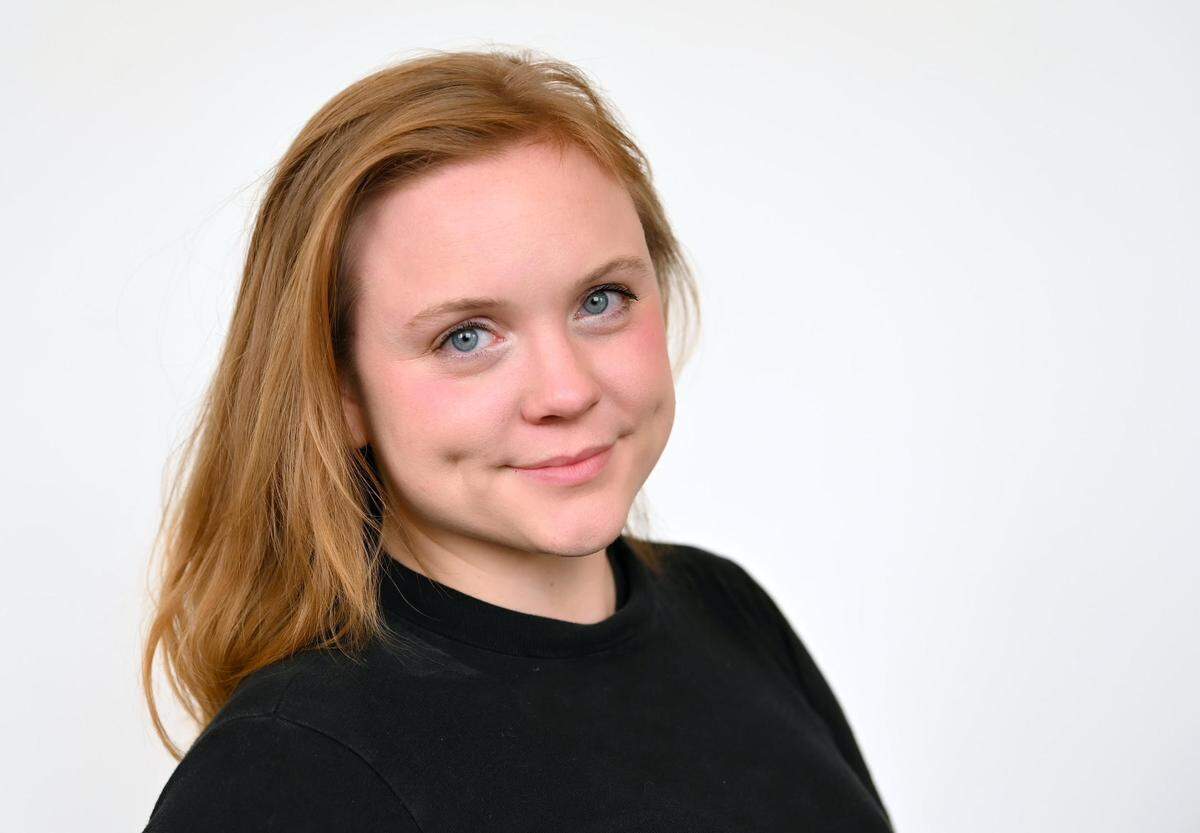
Williams also realized she wanted to help others launch their businesses. That led to Black Pearl Global Investments, a Charlotte-based, $25 million asset management firm she co-founded and now leads as its CEO. The firm has made venture capital investments in healthcare startups across North America, Africa and the Caribbean.
In a new program, Black Pearl is shifting the focus back to its hometown. The firm’s new initiative, announced in June, will function as a local lender for the city’s Black business and startup scene, offering microloans up to $100,000 to both mainstream and non-traditional businesses.
It’s designed to fill what Williams describes as a broad, systemic gap in the resources available to Black entrepreneurs in Charlotte — a city with a documented history of destroying wealth in communities of color.
“If you want to build something big, it takes money,” she said.
Obstacles faced by Black entrepreneurs
Black entrepreneurs can face unique obstacles when it comes to starting a company or pursuing a career as a business owner, Williams said. It’s something she’s seen firsthand as a business leader.
“Access and amount of capital is always a greater issue for Black businesses,” said Williams, who also serves as chairwoman of the Charlotte Mecklenburg Black Chamber of Commerce. “For a lot of Black entrepreneurs and business owners, failing really isn’t an option.”
That hurdle has roots in deep-seated economic inequities between Black and white households, Williams said. She adds, because of the racial wealth gap, white families are more likely to have the kind of generational wealth that can serve as a safety net for fledgling entrepreneurs.
“If you have a family that comes from money … you can go to your parents and say ‘Hey, I want to start a business.’ You have a leg up,” Williams said.
However, discriminatory policies have historically hindered or even erased Black communities in Charlotte, making it more difficult to invest in or launch a new firm. That history leaves lasting damage on the wealth, credit and other resources available to many Black business owners, Williams said.
These economic disparities can manifest in other ways too, she added. If would-be Black entrepreneurs are already stretched thin or burdened financially, they’re less likely to take the risk of starting their own business.
“You don’t have the margin for failure,” she said.
Those structural factors add up to create a daunting landscape for Black entrepreneurs, she said.
Williams challenges everyone to walk around Uptown and ask themselves: which buildings are owned or occupied by a Black business?
“I think that’s the legacy of all that we’ve done,” she said. “And it’s not just Charlotte.”
‘Risk looks different to us’
Many programs that aim to support Black or other minority-owned businesses often offer wraparound services like mentoring, guidance or in-kind donations, Williams said. But these services don’t always pay the rent.
Black Pearl’s approach with offering funding in the form of microloans is more direct, she said. The program will also offer loans to Charlotte companies in “vice” industries — such as alcohol or CBD — that often struggle to access conventional banking products.
And because mainstream measures of creditworthiness can leave many promising entrepreneurs behind, Black Pearl is ditching traditional underwriting methods when evaluating applicants, Williams said.
Instead, the firm will use its own metrics and algorithms to gauge creditworthiness and risk.
“Risk looks different to us,” Williams said. “Our stories mean that when we talk to entrepreneurs, we’re seeing ourselves in these people.
“We’re working for that sense that you can bet on yourself and it isn’t going to put your family in peril,” she said.
Growing a Charlotte business
Christal Brice was one of the first to receive a loan from Black Pearl. Her business, the Young Entrepreneurs and Servant Leaders (YES) Academy, contracts with Charlotte-Mecklenburg Schools to offer free after-school programs and tutoring services to homeless students and families.
Brice has been running the business out of a tiny office in north Charlotte since last January.
But with the loan from Black Pearl, the YES Academy has been able to lease a new facility on Bellhaven Boulevard — where the academy plans to host its summer camps and other enrichment programs.
Brice is also adding a daycare service and expanding the YES Academy’s services into Wake County schools.
In the past, Brice said she’s had a difficult time finding the capital that would fund the growth of her slightly non-traditional business.
“That’s one of the hangups I feel that a lot of entrepreneurs experience: I’m really out here doing the work, but they still don’t believe me,” she said.
But the microloan from Black Pearl will change her business for the better, she said.
“I do want to be one of those billion-dollar agencies and empires. I’m growing this baby until it goes to college,” she said.
A bigger checkbook
In the first 24 hours of launching the new lending program in June, Black Pearl received nearly 250 funding applications, Williams said. Calls came in from a dozen more cities asking if she could set up shop.
“We’re gonna need a much bigger checkbook,” she said.
Williams wants to continue growing the lending program, ideally through a partnership with a national bank or other financial institution. An expansion would mean more funding and more loans available to Charlotte-based startups.
Knowing there is a tremendous need and demand, Williams hopes her vision will spread well beyond her reach.
“If businesses are growing and scaling, they can hire. That’s more jobs. If businesses are growing and scaling, they’re paying taxes. That’s a bigger tax base for the city of Charlotte,” she said. “Everybody benefits.”
This story was originally published July 20, 2022 at 5:55 AM.