Hear from Charlotte’s planning director near the end of his controversial tenure
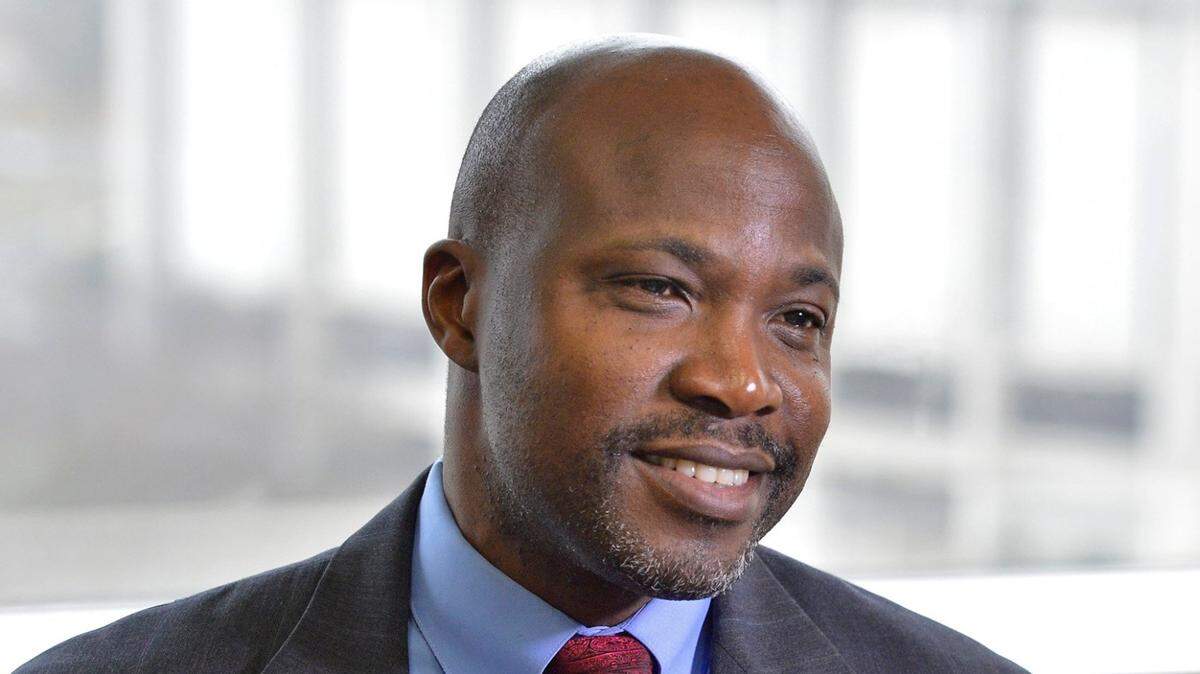
By the end of the month, Taiwo Jaiyeoba will be headed out the door in Charlotte for the top job leading the city of Greensboro, about 90 miles up the road.
Jaiyeoba, Charlotte’s planning director since 2018, has for years dreamed of becoming a chief executive officer, either in the public or private sector. He recently spoke to the Observer about his tenure with the city.
Three years ago, he asked Marcus Jones to mentor him on what it takes to be a city manager one day. Jones, Charlotte’s city manager, agreed.
In Charlotte, Jaiyeoba led a revamping of complex land use regulations, which came to the public eye this fall, as well as pushed for a new comprehensive plan, something the city hasn’t updated since 1975.
The plans provoked controversy and feuding, including among City Council, which narrowly approved the 2040 Comprehensive Plan over the summer. One councilman called for Jaiyeoba’s firing over his handling of the plan while debate played out about multi-family zoning being allowed in traditionally single-family neighborhoods.
Jaiyeoba sees his and his staff’s work on these plans as a way to smartly manage the city’s growth over the next 20 years. In that time, Charlotte is expected to grow by several hundred thousand people, and pass the 1 million population mark.
Pointing to a dire lack of affordable housing units and 3,000 people experiencing homelessness, Jaiyeoba has told the Observer that detached single family homes are not enough to meet the city’s needs.
“We need more housing options from tiny homes to townhomes, duplexes, triplexes and quadplexes all over the city in order to increase the supply of housing and influence affordability at varying price points,” he wrote to the Observer in December in responses to questions about the Unified Development Ordinance, a 608-page land use regulations document.
With his start date on Feb. 1 in Greensboro, Jaiyeoba reflected on his time as planning director and where he thinks Charlotte needs to be in the next five to 10 years. His last day of work in Charlotte is Jan. 21.
This interview was condensed for clarity and brevity.
Q. What are you most proud of over your tenure as planning director?
A. I think building a team of planners is what I’m really most proud of. When I came into the department, we had a staff of about 70-some people and we had three divisions. I’m leaving now with a staff of over 100 people and five divisions. One of those divisions is the Charlotte Development Center and it gave us an opportunity to be able to review permits and plans in an expeditious manner. We didn’t have that before.
Q. There’s been controversy over the 2040 plan as well as concerns raised by builders and developers about the first draft of the Unified Development Ordinance, and increased costs tied to it. Some in the building community felt they haven’t received full responses to their submitted comments. What do you say to your critics?
A. I really like that we have critics because if you don’t, what are you doing? If you’re courageous and bold enough to come out with new ideas or maybe take old ideas and sharpen them and make them fresher, that will generate controversy. There are people who will always not feel totally comfortable, so I really like the fact that we have people who are criticizing some of what we do. Our responsibility obviously is to respond to this.
(As planners, Jaiyeoba said they’ve been looking at the questions and comments to see which ones can be implemented. All the comments, he said, are talked about among their team and looked at by the city attorney’s office. He said they’ve already responded to a number of questions and comments from developers.)
“People are right to criticize, but we also need their patience to work with us and not just make assumptions that we’re not listening. We acknowledge their responses and then we work systematically responding to them.”
Q. What is your advice to your successor? (Alyson Craig has been named interim planning director.)
A: Build a city that’s equitable, sustainable and livable. Always remember that we’re not planning for five years ago. Heck, we’re not even planning for two years ago. COVID has changed our world. We’re planning for generations beyond us. As long as you know that what you do is something that can be sustainable and something that is going to result in building an equitable and livable city, do it. And build the right team. We were able to build this team together, but this team might not be the right one to address the challenges in the next five or 10 years.
Q: Much of your work has been around the plans guiding Charlotte’s growth. In a fast-growing city like Charlotte, do developers have too much power in the growth process?
(Jaiyeoba said he’s had that same conversation in other places he’s worked at, including Sacramento, California, and Grand Rapids, Michigan. But one main difference, he said, is those cities had comprehensive plans in place that were regularly updated, allowing people to see the vision of where the city is headed. Jaiyeoba pointed to how Charlotte’s comprehensive plans haven’t been updated in decades, and that previous plans broke Charlotte into five different geographies.)
“Out of that came 100 or so community area plans that we have today. So rather than building a cohesive citywide plan, it actually created sections of the city so if you had a loud voice you were able to get your plan approved. I think some people took advantage of that.
“So trying to do this comprehensive plan is to say... we need to have the community have a voice and a say in how their city is going to be shaped going into the future. I just hope that the development community in Charlotte will continue to work seamlessly with (residents and the community) because at the end of the day the community will be the end users.”
Q. Where would you like to see Charlotte in terms of growth in the next five, 10 years?
A: I would like Charlotte to be more smart in terms of growth. Air quality is going to be really important. We are a car-centric city and there’s no way you can improve air quality if you continue to have so many vehicles on city streets. Nothing against drivers but we need to start thinking smartly about how development and transportation work together.
You cannot stop Charlotte from growing. If we know that growth is going to be continuous for Charlotte then we’ve got to also come up ideas as to how to manage our growth. To us, one way to doing it is being smart: tall, dense where appropriate and making sure you match them with the right transportation investment.”
Q: What will you miss most about Charlotte?
A: The people. I’m also going to miss being able — at least in the first year — to reference specific areas. I don’t take one particular route to get to work. It’s going to take me a while to get used to Greensboro.
Q: What will you miss the least?
A: Traffic congestion. The challenge for us in Charlotte is this: we don’t have options on the roadways. The few roadways that we have that connect, they get easily congested quickly. I’m not going to miss that.
This story was originally published January 5, 2022 at 6:10 AM.