
High stakes in 2022: A look at 5 Charlotte leaders in the spotlight
READ MORE
Looking ahead to 2022 in Charlotte
As we look ahead to 2022, a handful of key people sit at the center of crucial issues facing Charlotte and the region. What they do and how they perform will help shape this community and our lives. You can also get involved — or simply better yourself.
Expand All
High stakes in 2022: A look at 5 Charlotte leaders in the spotlight
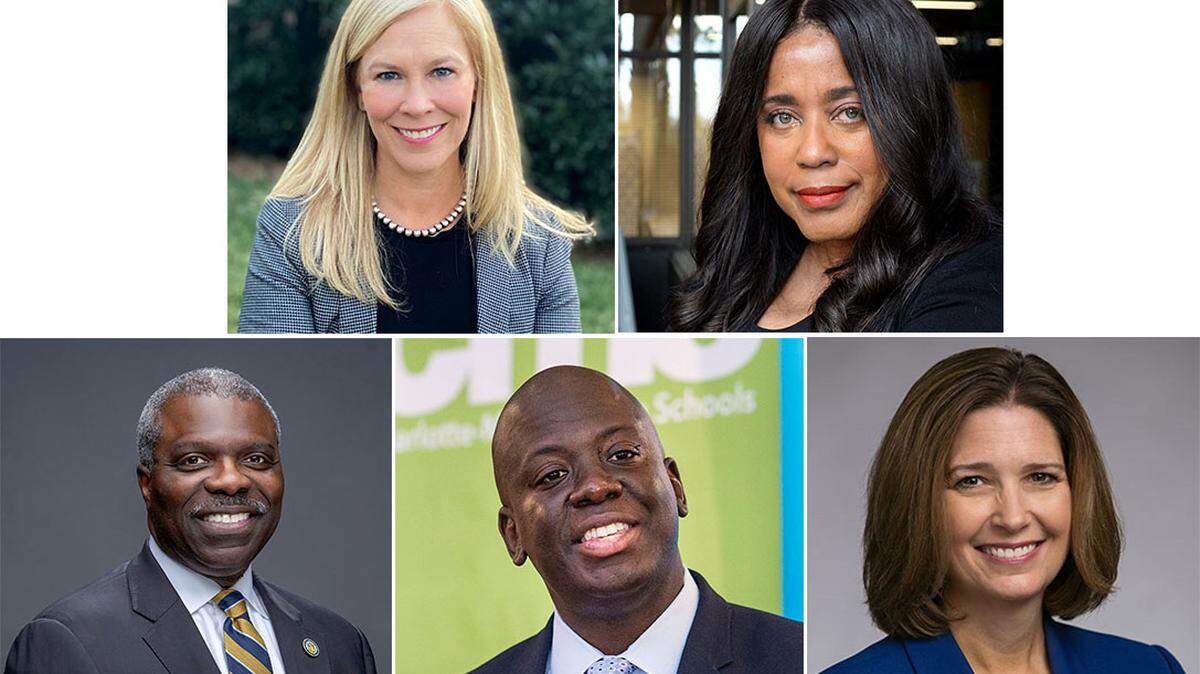
From business to police to public health, 5 people to watch in Charlotte in 2022
14 resolutions for the New Year that will make you a better (and less-irritating) you
Local government in Mecklenburg needs your help. Here’s how to serve.

Got New Year’s resolutions or life changes in 2022? Here’s what two experts recommend.
These Charlotteans need to have a big year in 2022.
Why? If their leadership and work result in solving or making headway on some of the area’s highest-stakes issues, we could all see our lives improved.
Right now, some are under fire after a tumultuous 2021, emerging from unprecedented change and hardship the year prior. Others are at the helm of institutions with more promise than problems. All have big responsibilities this year: Their decisions, their effectiveness and their job performance will affect our community.
Earnest Winston
Superintendent of Charlotte-Mecklenburg Schools
Age: 47
On the job: Named superintendent on Aug. 2, 2019.
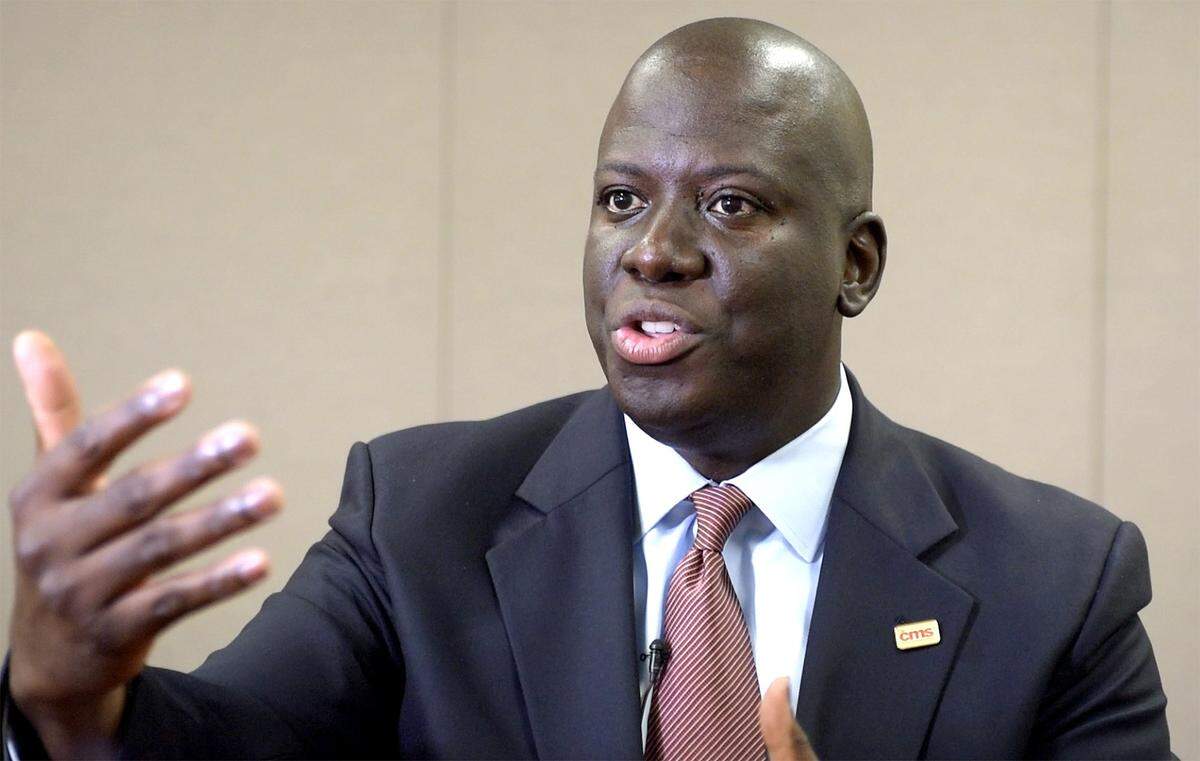
What’s the issue: CMS, like many districts across the country, struggled with the onset of the COVID-19 pandemic. Test scores plummeted, learning gaps remain deep, and students’ social-emotional and mental health is playing out in the form of weapons being brought on campuses, fights and sexual violence in schools.
“Our focus is on helping our students reach their full potential,” Winston says. “We know we must take bold steps to help many of those students who have seen learning disrupted due to nearly two years of a pandemic. Some of those students, particularly Black and brown students, needed additional attention even before the pandemic. We must do better and are strengthening our plan to do so.”
What’s at stake: The quality of a CMS education and the welfare of 140,000 children and teens enrolled in the school district.
A staggeringly low number of public school students appear college or career ready in key subjects like math and English. But what’s really been exposed in CMS halfway through the school year is the overall well being of students and the safety of the district’s children. CMS has surpassed its previous 10-year high for the amount of guns on campuses. Multiple reports of sexual assault on campuses have uncovered Title IX compliance shortcomings. Many students and parents admit they’re scared, teachers are begging for more support and there are widespread calls for action, including Winston’s resignation.
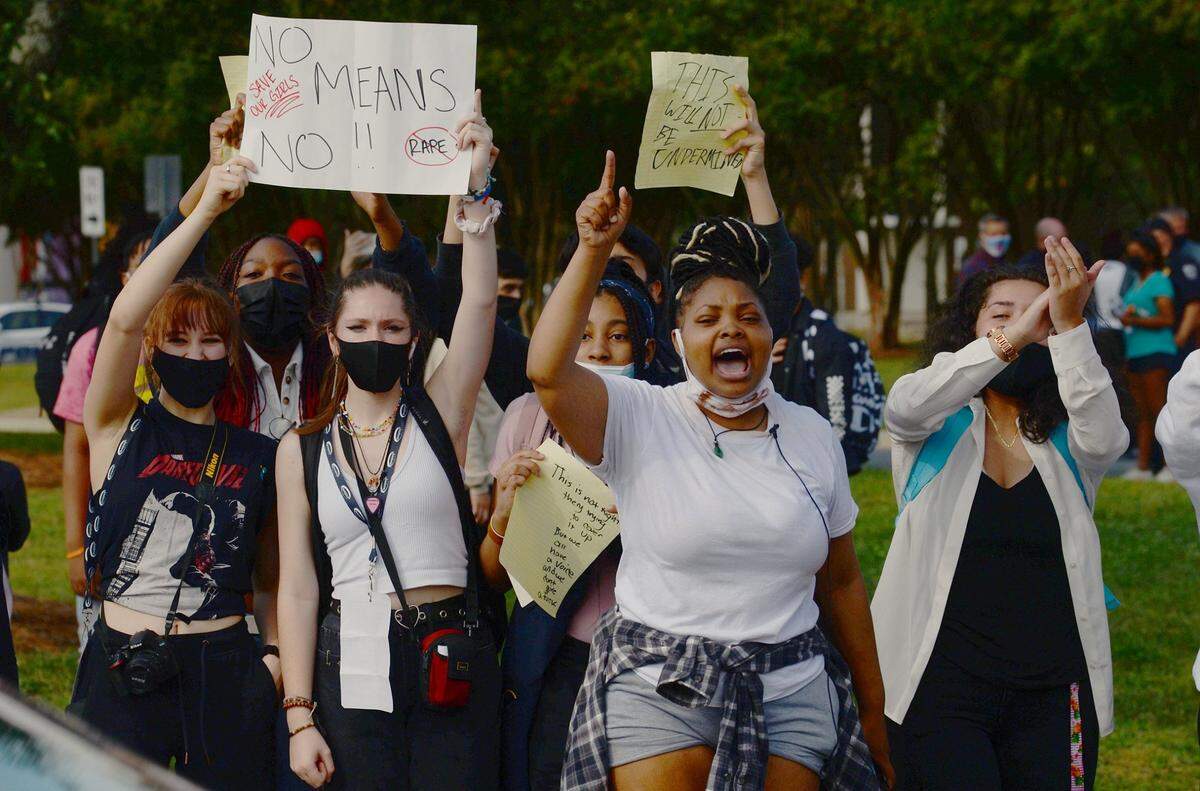
What could happen in 2022: The school board is in the process of creating a road map for the academic goals the district has set to improve student performance.
District officials, including Winston, also are promising to make swift changes to improve security for teachers, staff and students. The “Say Something” app for anonymous reporting will launch district-wide the week of Jan. 25. Officials are expecting to receive the first shipments of clear backpacks in January and a higher number of random safety screenings at schools will continue. The district will hire more security staff and is looking at costs for security technology. But teachers, parents and students say the solutions are reactive rather than proactive.
What they’re saying:
“I remain focused on the mission of educating students. This is not a job, it is a calling. I will hold steadfast and make sure our team enacts our plan to improve student outcomes. I will make sure our team does everything possible to keep our students and staff safe. By achieving those objectives, the rest will take care of itself.” — Earnest Winston, on how he stays focused when parents are calling for him to resign.
“Safety is paramount. Healthy, effective, productive learning environments in each of our schools and classrooms is non-negotiable. So is literacy, math, and science proficiency and indeed content mastery necessary for promotion and success at the next academic level. This isn’t an either-or, it’s a both-and, and I expect an appropriate and necessary focus to remain on both of these areas. I, and in fact, we, must have a plan and actions to move both of these areas forward substantially. Yesterday. We must demonstrate bold leadership.” — CMS board member Sean Strain.
“Our students are suffering right now. And clear backpacks and metal detectors ... are a Band-Aid for those students crying out for help. We need more proactive measures.” — CMS senior Breana Fowler, the former student advisor to the board.
“So we do a lot of talking. But where is the action? I’m holding the school board and the superintendent accountable. You cannot tell me of any ninth-grader in high school who knows his or her alma mater — the song. They don’t know it, they don’t teach it. There has to be some feeling of belonging and ownership in these schools for kids and children to feel a part of.” — Vilma Leake, former educator and current member of the Mecklenburg County board of commissioners.
Haley Gentry
CEO and aviation director of Charlotte Douglas International Airport
Age: 52
On the job: Gentry was officially tapped in June, after serving as acting aviation director since October 2020.
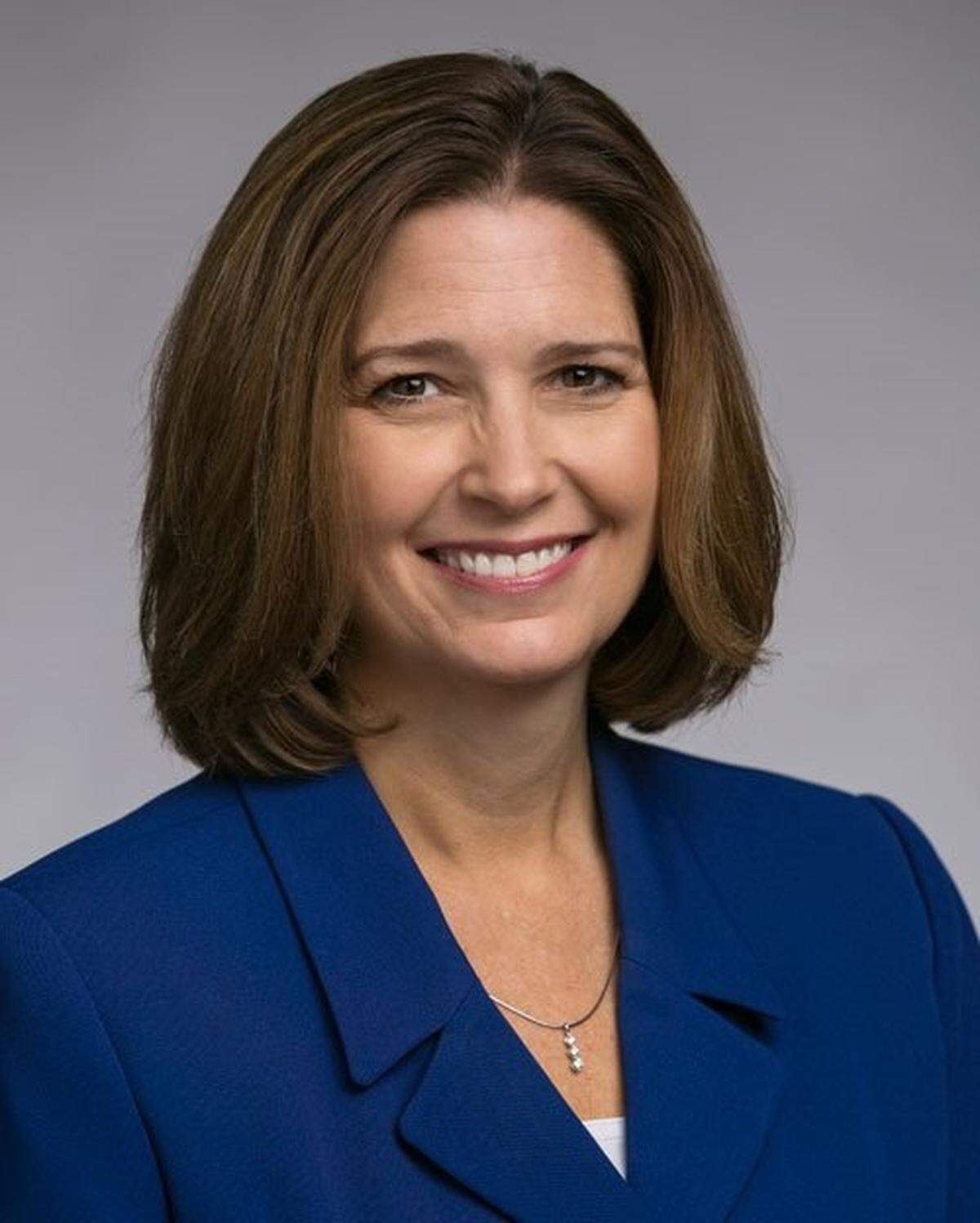
What’s the issue: The COVID-19 pandemic dramatically transformed the transportation industry. The Charlotte airport, along with other American airports, saw a dramatic drop in business in early 2020.
But heading into the new year, with COVID recovery ongoing, CLT is positioned as the sixth busiest airport in the country. What’s more, the airport is in the midst of a $2.5 billion to $3.1 billion capital investment program renovating and expanding the airport amid explosive growth.
When the terminal lobby first opened in 1982, the airport served 2.8 million passengers. In 2019, CLT saw more than 50 million passengers, according to the airport.
The airport’s $608-million terminal lobby expansion became its primary construction project throughout the COVID-19 pandemic, Gentry told the Observer in an email interview.
Travelers will step into the new and improved lobby for the first time in the spring. But renovations throughout the airport are scheduled to continue through 2035.
What’s at stake: A strong recovery for the Charlotte airport will be a key indicator of the region’s economic health in the coming year.
The airport generates $24.6 billion in local economic impact, according to Gentry.
“The airport is this region’s top economic tool,” she said. “It is the gateway to the world for our community.”
What could happen in 2022:
Travelers at CLT in the new year should expect to see more crowds as passengers continue to return to air travel.
Long lines and potential flight cancellations remain a possibility as many employers — including American Airlines, the U.S. Transportation Security Administration and the airport itself — navigate a shortage in employees.
Retaining staff and hiring new employees will be a top priority for the new year, Gentry said.
The airport was one of the top five busiest airports in the world in the first half of 2021, according to flight statistics website Information Design.
That’s in part thanks to American Airlines, the dominant carrier at CLT.
“Very early in the pandemic, American Airlines made it known that Dallas and Charlotte would be their two hubs of focus,” Gentry said. “The strength of the hub has pulled CLT through the last two years. … Other airports throughout the country have not been so fortunate.”
The Charlotte airport has seen near pre-pandemic passenger levels in recent months, though the air travel industry is not yet on steady ground. More than 2 million people boarded planes at CLT in October, the most recent month of data available.
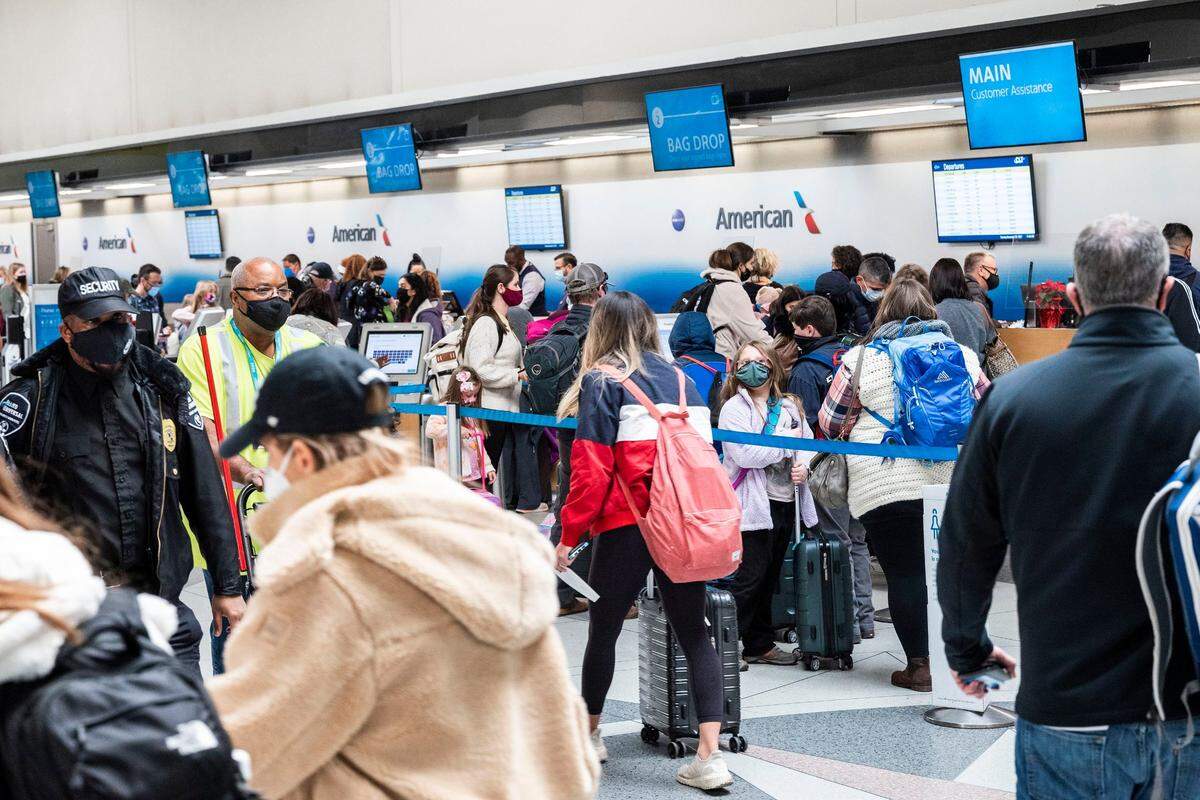
That’s a big increase from that same month in 2020, when almost 1.4 million people boarded planes. Still, this October’s passenger count trails that month in 2019, before the pandemic hit North Carolina, when 2.2 million people boarded planes at CLT.
What they’re saying:
“It has been a ... unique time in history to be in a leadership role. There is no playbook for how to operate a business during a pandemic. … We have had to rely on the tried and true basics of keeping it simple, while sprinkling in some innovation.” — Haley Gentry
“Haley’s breadth of experience has been essential in our recovery from the impacts of the pandemic. Her steady leadership will continue to serve us well as we continue that recovery in the next year.” — CLT Chief Operating Officer Jack Christine
Clarence Armbrister
President of Johnson C. Smith University
Age: 64
On the job: Named university’s 14th president in January 2018.
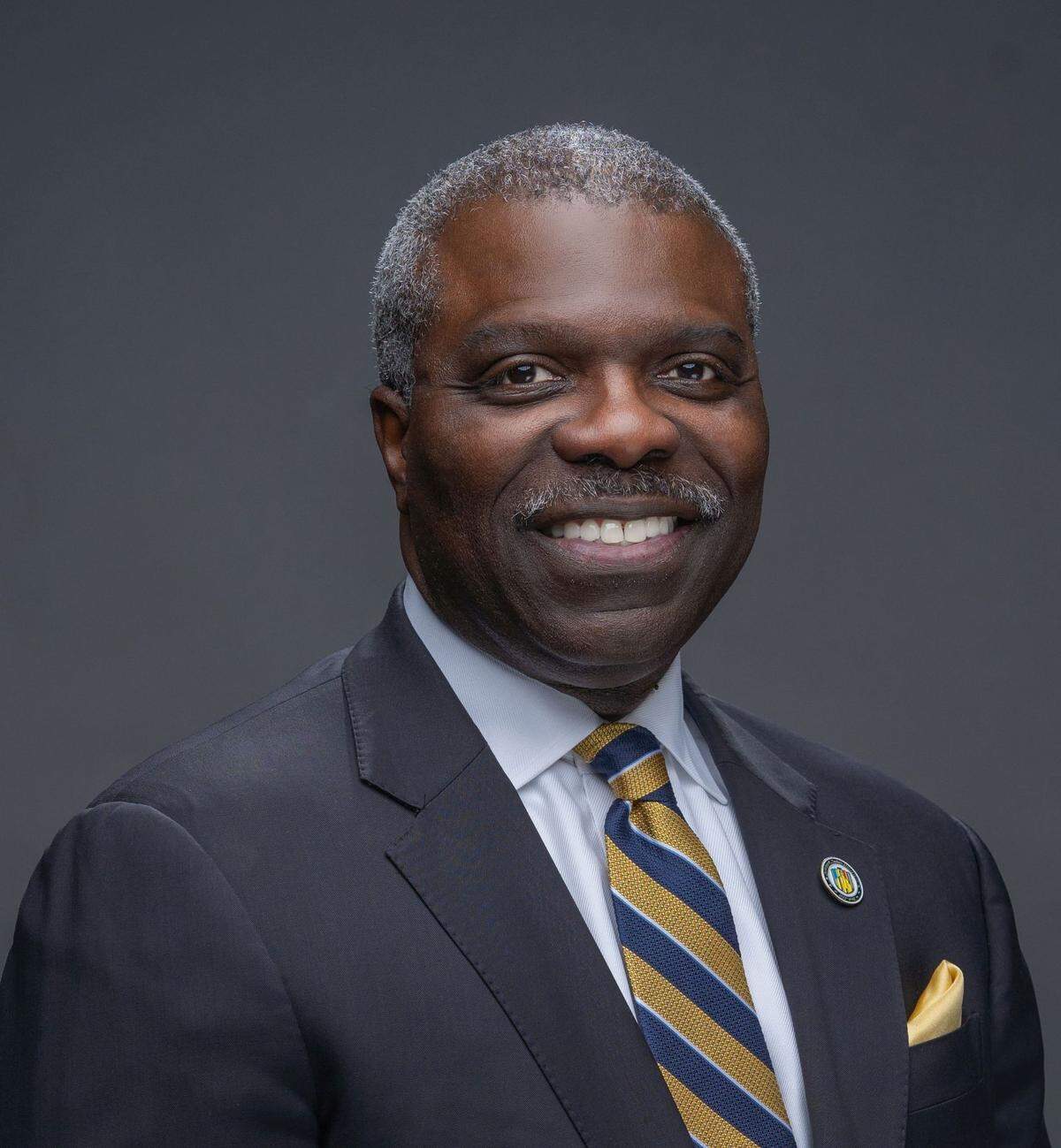
What’s the issue: Johnson C. Smith University has an enormous year ahead as the recipient of a significant share of the mayor’s racial equity initiative — $80 million of a total $250 million goal — and what leaders are calling a pivotal moment for the school.
But Armbrister points back further than the Nov. 1 equity initiative announcement, to the now well-known Harvard/UC-Berkeley study that put Charlotte 50th out of 50 large cities for upward mobility, despite the city’s reputation as a fast-growing hub for migration, jobs and talent. That disconnect meant there was still significant work to do, he said.
“If everything else is taking off and one of the few things that’s being left behind are your people of color and your one HBCU, then maybe people should take a look at it,” he said.
He credits the city’s business and philanthropic communities for stepping up with financial gifts and pledges to create more opportunities for JCSU graduates.
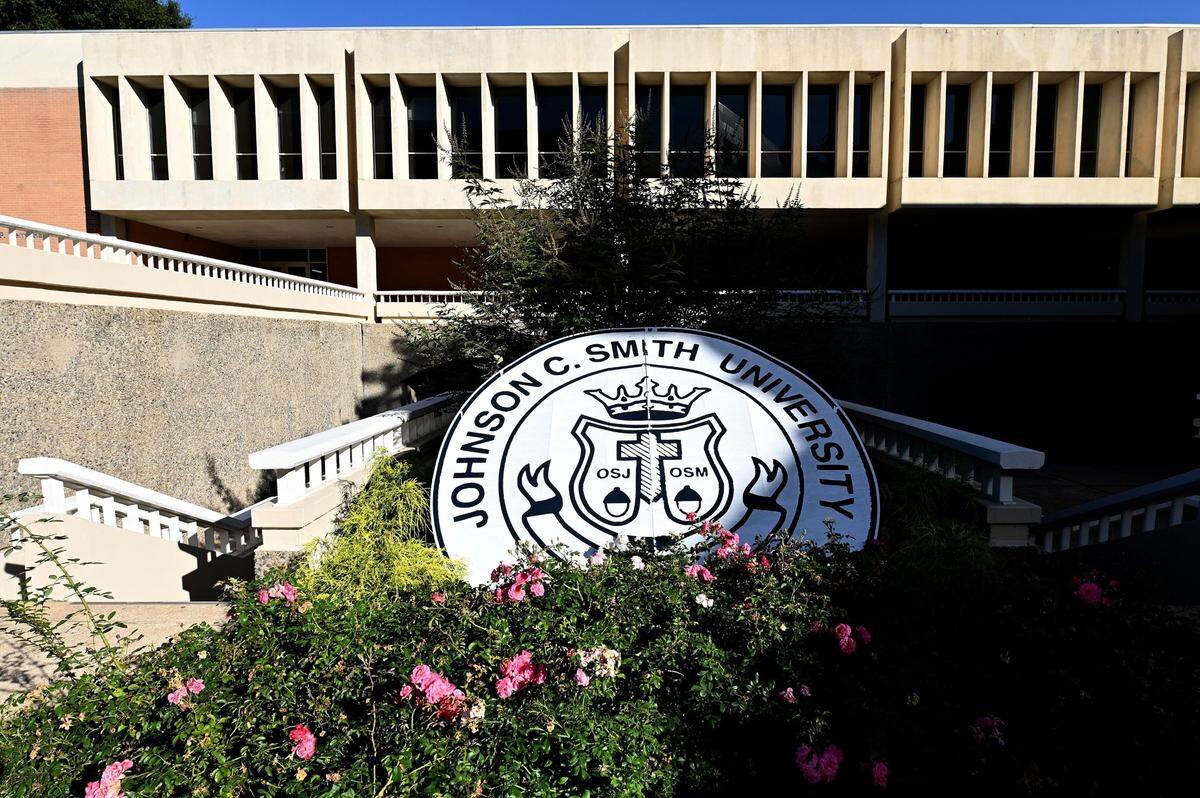
What’s at stake: To reach its goal of becoming one of the country’s top 10 HBCUs, JCSU must prepare graduates for Charlotte’s growing population and need for talented young professionals.
What does that look like? Students who are “highly sought after” when they leave JCSU, Armbrister said, whether that’s fielding multiple job offers or preparing for graduate school.
It means increased graduation rates and getting students into internships and other professional opportunities earlier in their college careers. Armbrister said he wants the school’s name to be listed with other highly-regarded HBCUs, in part because of Charlotte’s place as a thriving metropolitan area between Washington, D.C., and Atlanta.
“We’re a top-10 city and there’s no reason why we shouldn’t be (a top-10 HBCU),” he said. “With the appropriate resources and if we implement this strategic plan with fidelity, I think we can get there.”
What could happen in 2022: A significant portion of the year will be spent making a strategic plan to implement the investments, which include boosting scholarship and internship opportunities, and expanding academic programs to include retail, data analytics, pre-medicine, finance and computer science.
Those programs were chosen with a great deal of thought, Armbrister said. Business and biology were already among the school’s most popular programs. Add to that Charlotte’s status as a financial hub and opportunities for students to move into the medical school to be built by Wake Forest and Atrium Health. Some programs could begin as soon as fall 2023.
What they’re saying:
“If we don’t have a strong HBCU contingent graduating from our school, where are we going to find .... the next generation of teachers and lawyers and doctors?” — U.S. Rep. Alma Adams, HBCU professor and alumnae.
Adams called Armbrister “a transformational leader.” HBCUs, she said, are the “engines of equity in the workforce” and “gateway to the middle class,” especially as the city continues to grow.
“The work that he’s doing is just really important as we look at the social and economic mobility in Charlotte.”
Carol Williams
Chairwoman of the Mecklenburg County Board of Elections
Age: Not provided.
On the job: Serving as chair since 2018.
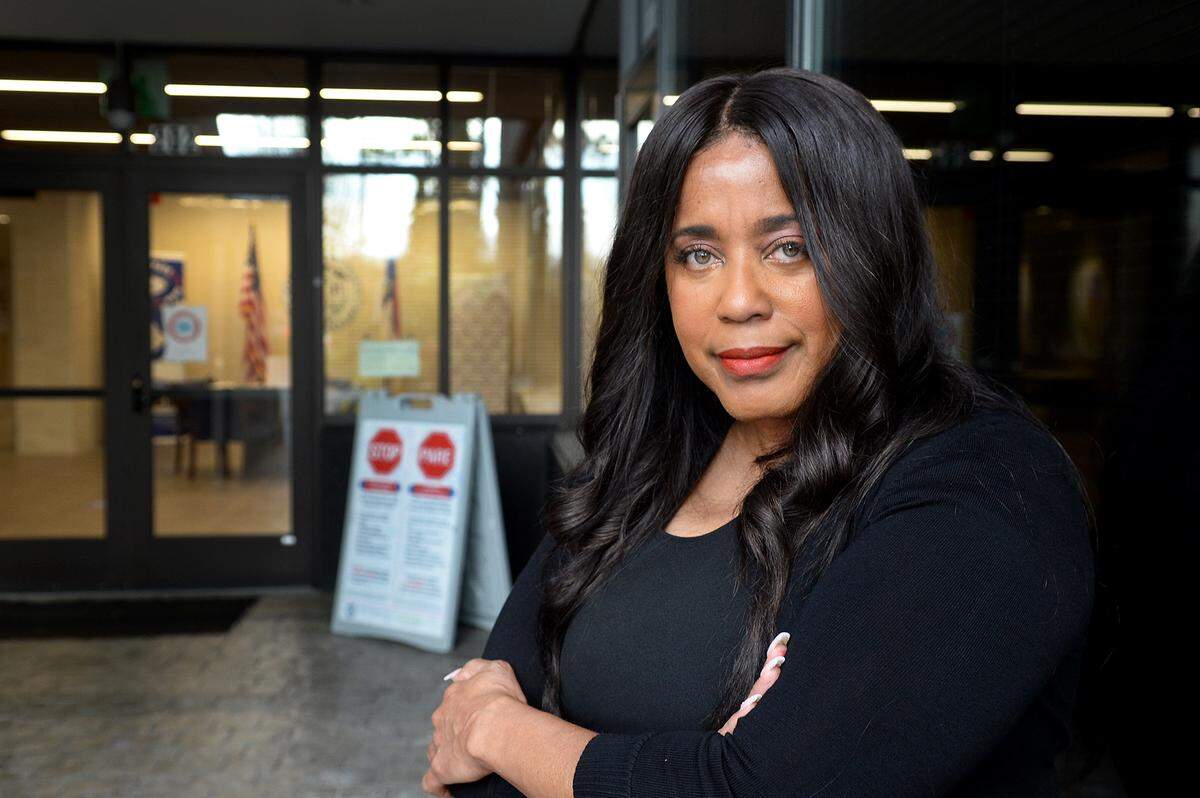
What’s the issue: The last election brought local election officials to the forefront in a way rarely seen before. False allegations of widespread fraud fueled conspiracy theories that the election was stolen. While Williams said she was not subject to the brunt of those unsubstantiated theories, several election officials elsewhere experienced threats and intimidation.
In Charlotte, people protested at the Board of Elections office, demanding that the staff overturn legitimate election results. In Washington, thousands marched and hundreds stormed the U.S. Capitol — largely fueled by then-President Donald Trump’s false claims that he was the rightful victor.
The big question going into the 2022 mid-term election is whether similar allegations will surface, and what the consequences of those allegations might be. In North Carolina, there’s a race for an open U.S. Senate seat, plus congressional races that have been complicated by a contested redrawing of district lines. Locally, Williams and the four other Board of Elections members will certify results.
What’s at stake: Trust in our democratic process.
A dilution of trust in elections has a more local impact than people might think, said Martha Kropf, a professor of political science at UNC Charlotte. Elections are inherently local. They are administered by local people, staffed in large part by local volunteers and certified by members of a local board. To believe in election conspiracies, she said, is often to believe that your neighbors are taking part in that conspiracy.
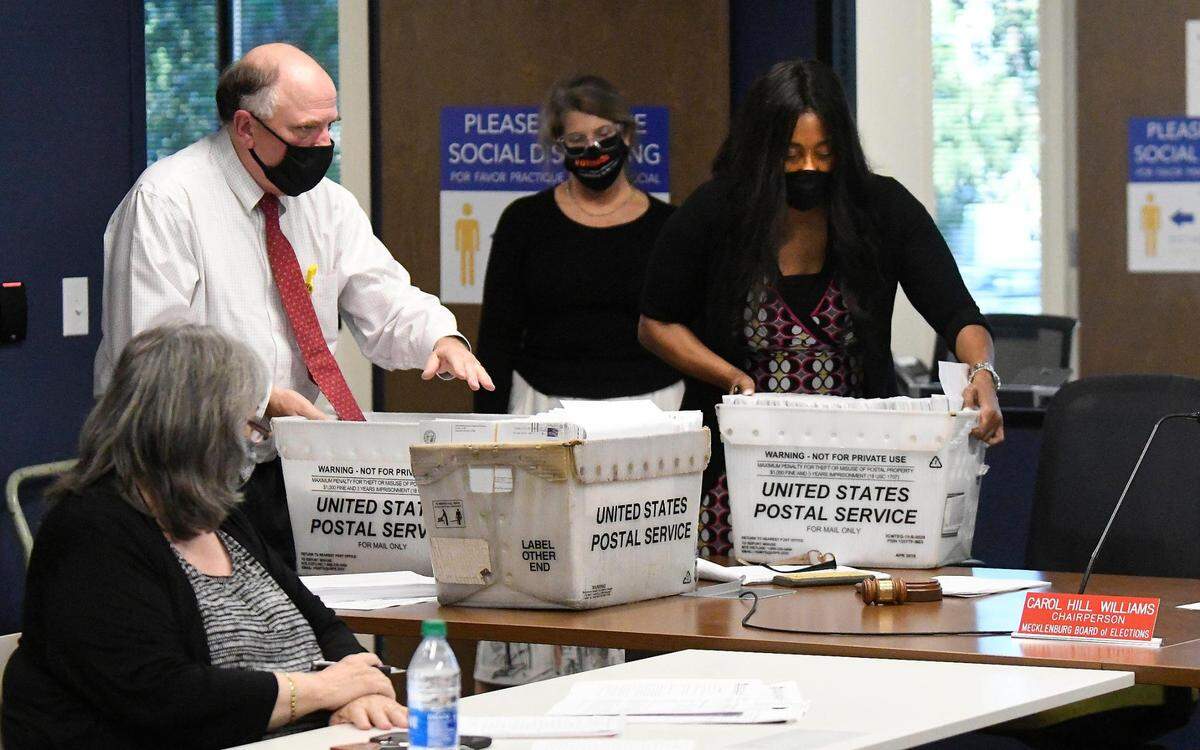
What could happen in 2022: Continued allegations of fraud — and local election officials could find themselves at the center of that. Both Michael Dickerson, director of elections for Mecklenburg County, and Williams said they were confident in the ability of our elections system to do its job, even under that additional duress. Williams added that election officials are working to boost trust, whether that’s by being more open about the process or conducting additional audits.
COVID-19 will also play a role. Williams will have to help decide how many early voting sites to open up, how to manage absentee ballots and how to safely conduct an election during an ongoing pandemic.
What they’re saying:
“(False allegations of fraud) actually make me want to work harder. I want to prove to the voters that you can rely on what we’re doing, you can rely on accuracy. We’re trying to do everything we can to make you more confident.” — Carol Williams
“You take it personally, the accusations that there’s fraud or cheating or something, (especially) when you have a board that represents you. They can say it, but when you hear it, it literally takes its toll on people. We’re not immune to feeling a lot of things down here.” — Michael Dickerson
“These people who have been kind of behind the scenes for a long time are all of a sudden front and center, so I think a lot of people think if the election didn’t go the way people wanted it to go, it’s OK for them to object in ways that are not safe — in ways that are not democratic.” — Martha Kropf
“People have constructed this myth about stolen elections and election fraud — and that is the greatest fraud of our time.” — Gary Pearce, former advisor to Gov. Jim Hunt.
Alyson Craig
Interim planning director, city of Charlotte
Age: 47
On the job: By Feb. 1, Taiwo Jaiyeoba, Charlotte’s planning director, will leave for a job as city manager in Greensboro. Alyson Craig was named interim planning director for Charlotte after Jaiyeoba’s departure. She has spent close to four years with the city as deputy planning director.
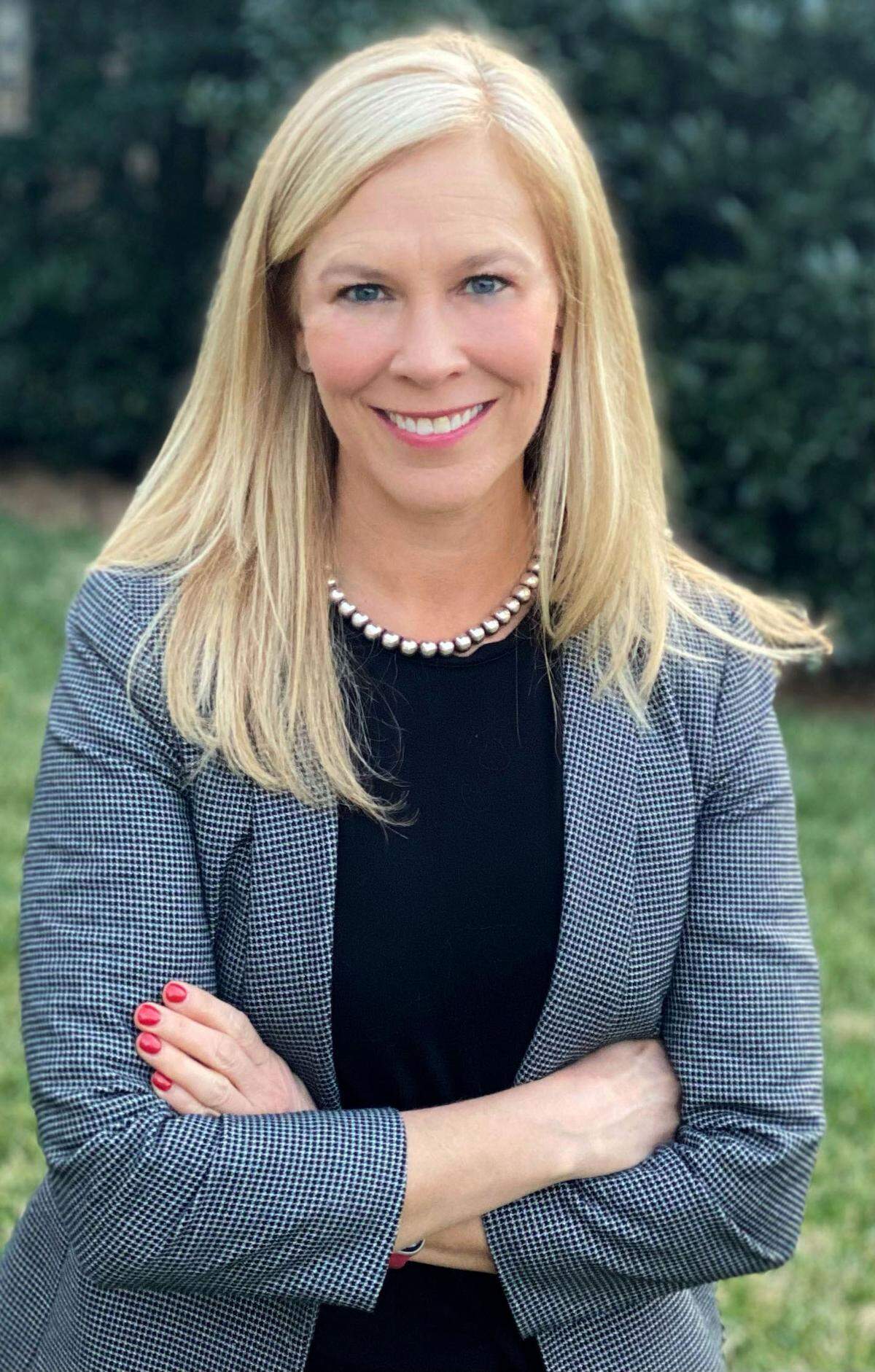
What’s the issue: Charlotte is one of the fastest-growing cities in the country, with more than 100 people moving here every day. But the city hasn’t had an updated comprehensive plan to guide that growth since 1975. And the regulatory tools to implement that vision are scattered across eight documents, and also date back decades.
Over the fall, Charlotte released the first of what likely will be four drafts of the Unified Development Ordinance, a dense, 608-page document that will implement the policies of the 2040 Comprehensive Plan. Combined, these documents will guide Charlotte’s growth over the next two decades and act as the primary regulatory tools for new development on everything from tree protection to stormwater to sidewalks.
Craig previously served as director of the Master of Science in Real Estate program at UNC Charlotte. Now she will oversee the UDO when many Charlotte leaders are focused on development and how the city should grow in equitable ways.
What’s at stake: Guiding the future of Charlotte’s growth.
While it clocks in at over 600 pages, the UDO draft consolidates multiple documents that totaled over 1,000 pages.
The UDO is “vastly overdue” and provides for clear rules and an easier landscape for developers who want to improve the communities they’re building in, said David Walters, who sat on the UDO’s advisory committee and is a professor emeritus of architecture and urban design at UNC Charlotte.
But not everyone is happy, including concerns from developers and builders on additional costs from things like transportation studies. Others, like home builder and land developer Karla Hammer Knotts, feel that parts of the document don’t comply with state law. After reading the entire document and spending 40 hours submitting comments to city staff, Knotts also doesn’t believe the UDO aligns appropriately with the 2040 policy map, which gives guidance for future growth.

What could happen in 2022: Public comments on the first UDO draft will be accepted through February or March, according to an update Craig gave to City Council in December. A second draft should be released in the spring, with changes marked in red. The city will accept additional comments through the spring and early summer. A fourth draft is scheduled for a City Council vote in July.
What they’re saying:
“I know that it’s a complex document, but it’s a lot more user friendly for the person who has to work within the ordinance than it is today. There’s a lot more tables, if you need to find something about trees you go to the tree article. You don’t have to go to the tree ordinance and then the landscaping provisions in the zoning ordinance and then maybe there’s something in the right-of-way standards about trees. (In the UDO), you can find everything you need on one particular subject in one location.” —Alyson Craig, on why the UDO is needed in Charlotte.
“Charlotte has never had a document like this, which is why it’s so big. ... (Charlotte) has been so far behind the curve of competitor cities for so many years; it’s just wonderful that we’ve actually engaged with the 21st century.” — David Walters, a UDO advisory committee member and professor emeritus of architecture and urban design at UNC Charlotte.
“The big issue is how do you deal with the complexity of (the UDO), and can (Craig) get buy-in that the timeline is less important than getting it right because otherwise you have to re-do it. In the end, it has to be right.” — Karla Hammer Knotts, co-owner, Knotts Builders and Knotts Development.
Observer reporters Anna Maria Della Costa, Gordon Rago, Hannah Smoot, Lauren Lindstrom and Will Wright contributed.
This story was originally published January 2, 2022 at 5:00 AM.