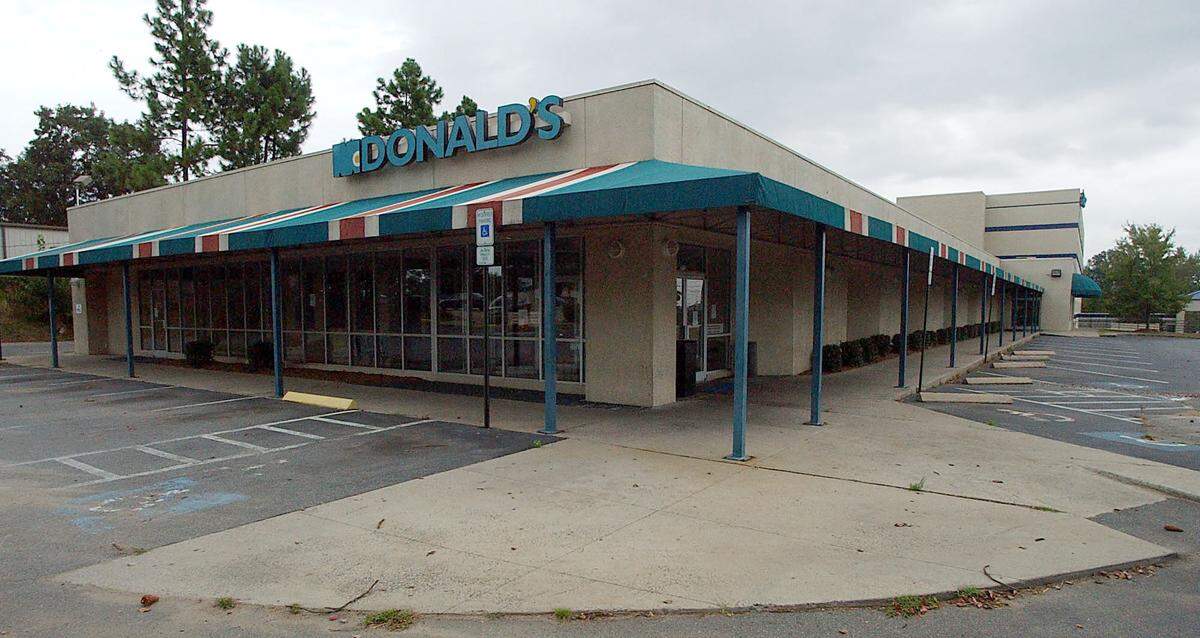
Former McDonald’s Cafeteria building now a local Charlotte landmark. What it means
The former McDonald’s Cafeteria — called one of the most important spaces for Charlotte’s Black community in the 1970s — is now officially an historic landmark.
The City Council voted unanimously Monday night in support of the landmark status.
Malcolm Graham, the city councilman whose district includes the site, said the designation goes toward what the city is trying to do along the stretch of road in the west part of Charlotte.
“Which is to make sure that individuals are part of the change and not victims of it,” Graham said at a public hearing. “But more importantly to protect the heritage, the history and the tradition of the corridor.”
While the designation doesn’t protect the building against demolition, it does mean the Charlotte-Mecklenburg Historic Landmarks Commission have design review authority over the property and must approve any material alterations.
The designation also can signal to the wider community the importance of the site, especially in a fast-growing city like Charlotte where new growth has been known to replace old structures.
‘A must see and visit’
Black entrepreneur and Charlotte native John McDonald first started the cafeteria in 1970 at 2023 Beatties Ford Road.
He opened the cafeteria and “mini center” with a number of other small businesses, using his own capital to provide commercial space at reasonable rates to Black managers, according to a report from the Charlotte-Mecklenburg Historic Landmarks Commission.
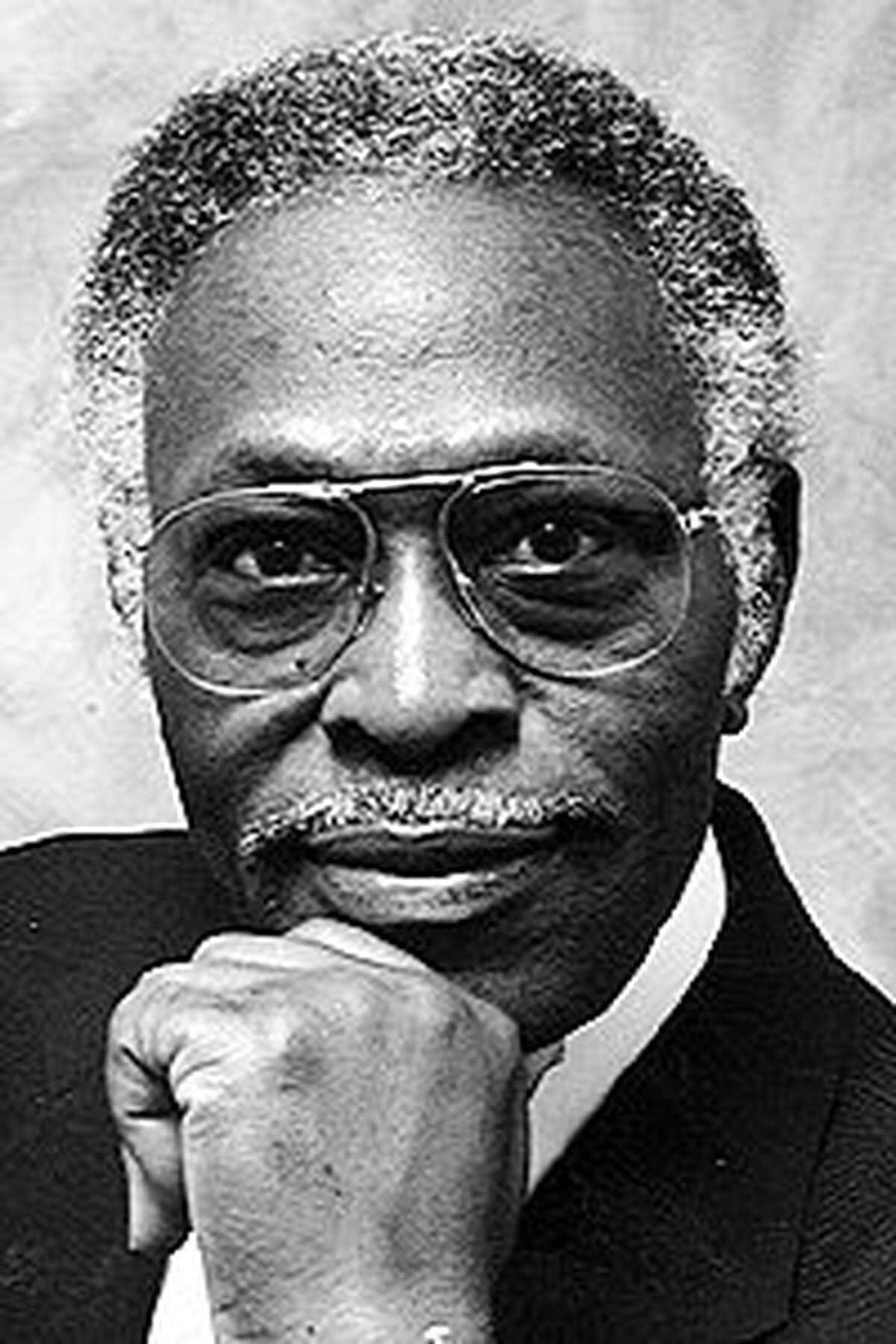
McDonald’s space quickly grew in popularity, and by 1982 he moved it up Beatties Ford Road for more seating and space.
The site became the meeting place for the Black political caucus and hosted the Tuesday Morning Breakfast Forum, which met to discuss issues important to the Black community.
“That cafeteria was the heart of our community,” Elloree Erwin, a longtime Charlotte resident, told the Observer in a recent interview. “Everybody met there.”
By 1992, McDonald was expanding yet again. He opened a hotel and amusement park called Fun City. His cafeteria became a “must see and visit” place in Charlotte, widely regarded as the most popular, non-chain restaurant in the city, the commission’s report states.
Cafeteria joins hundreds of historic properties
Local developer Christopher Dennis bought the building a couple of years ago with an eye toward redevelopment.
Dennis, who runs E-Fix Development Corp., considered tearing down the older building. But after learning about McDonald’s impact on the community, decided against it.
A JP Morgan Chase bank now sits inside the site.
With Monday’s approval, the cafeteria building will join at least 358 other properties around Mecklenburg County that have received landmark designation status. One local landmark building is the Excelsior Club at 921 Beatties Ford Road. The club is among a number of African American properties where preservation efforts are underway.
A property owner can still decide to tear down the building, and, by law, the Historic Landmarks Commission can’t deny that application. But it has the power to delay the decision for up to a year to find an alternative.
This story was originally published March 29, 2022 at 6:00 AM.