Inside the quest to save 5 historic African American properties in the Charlotte area
READ MORE
The Landmarks We’ve Lost
Charlotte is a booming city. With its allure for business, fiercely local sports scene and attractions for families, development has pushed for an increasingly urban landscape. But what’s lost when new construction means the end of older buildings?
Expand All
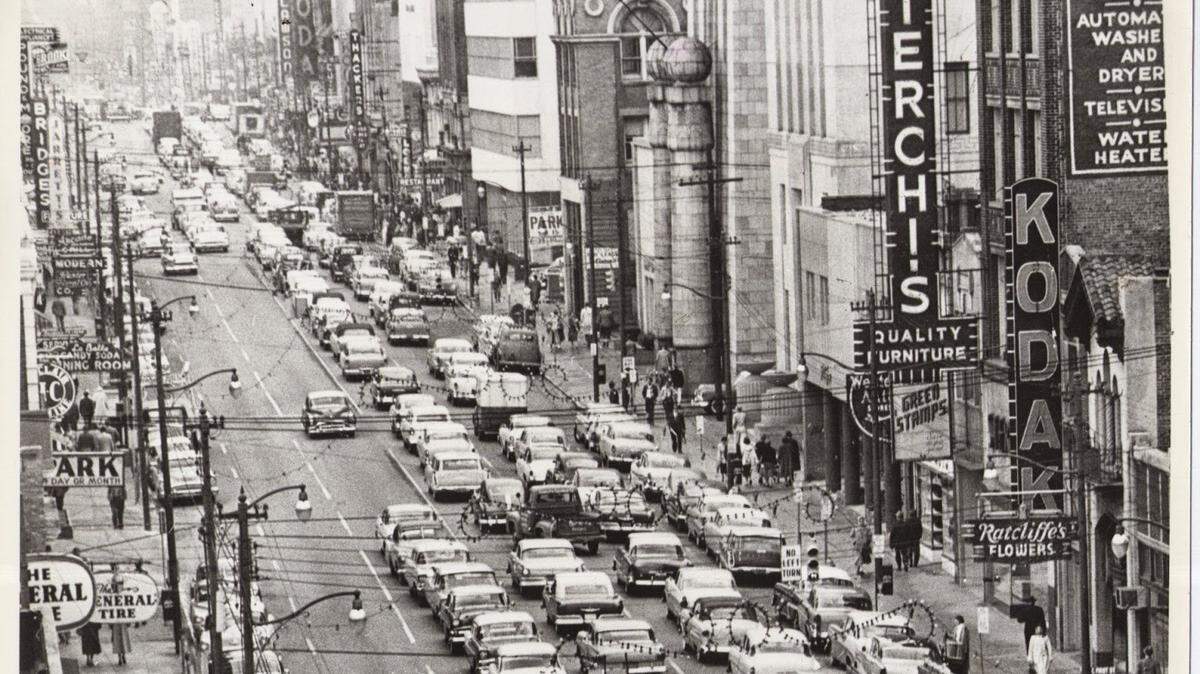
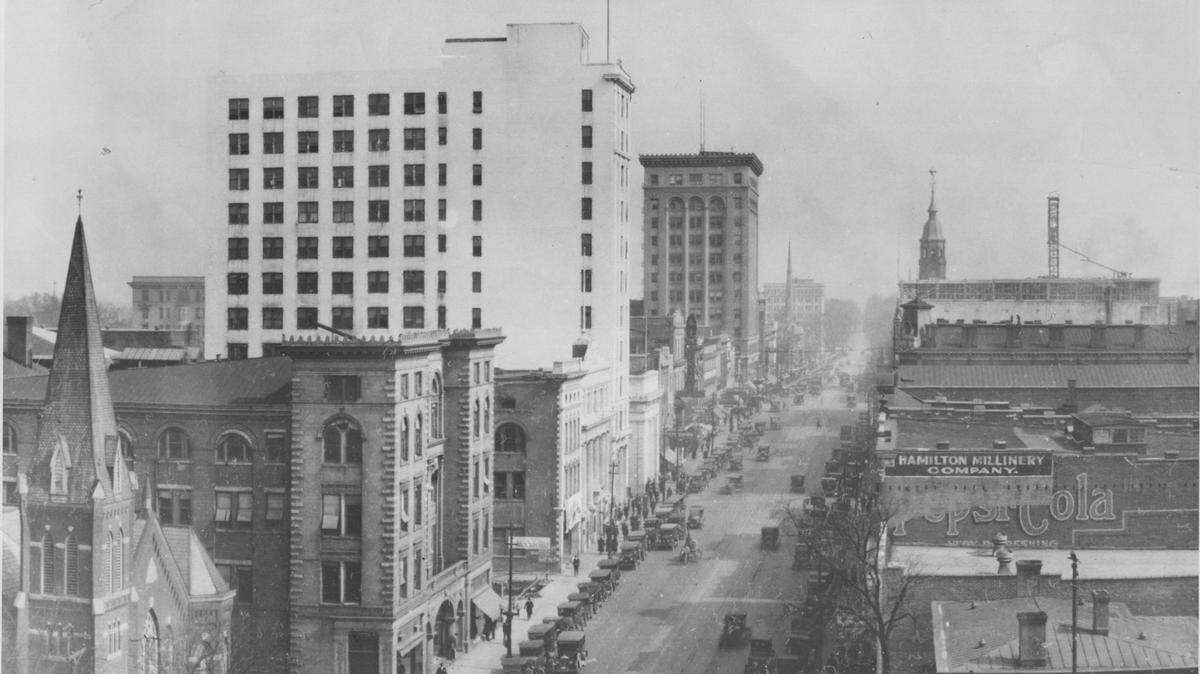
Charlotte’s history of demolishing old buildings stretches back decades, and includes the destruction of the once thriving African American neighborhood of Brooklyn, among others.
Brooklyn, which was in uptown Charlotte’s Second Ward, was razed in the name of “urban renewal” in the 1960s and ‘70s, displacing thousands of people who called it home and had businesses there.
Around the Charlotte region now, some groups and individuals have continued to fight to preserve historic African American properties that still remain. Here’s a look at what’s being done to save five of them.
Excelsior Club
The Excelsior Club opened in 1944 and hosted big-name musicians like Nat King Cole and Louis Armstrong.
It also served as a hub for Black political and community leaders for decades before it closed in 2016. In recent years, it had fallen into disrepair and was at risk of demolition.
But in 2019, Sonoma, Calif.-based Kenwood Investments purchased the former club on Beatties Ford Road and was working with Black architects to envision a plan for the future of the building.
“I think if we do right by the history of the Excelsior Club, it will be an attraction to not only folks from Charlotte, but folks from outside the area,” Kenwood CEO and founder Darius Anderson told the Observer in 2020.
Kenwood’s work on the project is ongoing, although no reopening date has been announced yet.
Morgan School
Built in 1925, the Morgan School educated Black children in Charlotte’s Cherry neighborhood.
The Cherry community has been fighting to preserve the 10-classroom building and hope to one day use it as a community resource center, where they provide classes on health and financial wellness.
Charlotte-Mecklenburg Schools, which owns the Morgan School, was considering leasing the building in recent years year to local youth arts organization Arts+, the Observer has reported.

The CMS board voted last year to allow the district to sell the former building rather than solely lease the space. In late January, the board unanimously approved naming the Cherry Community Organization as the best and highest responsive bid with $2 million, another step toward the organization taking control of the property.
Further negotiations are still needed.
Former Mount Carmel Baptist Church
Mount Carmel Baptist Church was built in 1918, and was designed by Louis Asbury, a prominent Charlotte architect. It’s on Campus Street near Johnson C. Smith University in west Charlotte.
The church served as a significant cultural landmark for Charlotte’s Black community and a centerpiece of the Biddleville neighborhood, according to the Charlotte-Mecklenburg Historic Landmarks Commission. The church has sat vacant since 1977.
It had been at risk of being torn down because of multiple violations of city ordinances. The landmarks commission is working with JCSU to restore the building, according to the commission’s executive director. The time frame and cost are not yet clear.

J. Wilson Alexander Tenant House
The Cornelius house is one of the last surviving examples of a tenant farming house in Mecklenburg County, according to an architectural evaluation performed by Terracon, an engineering consulting firm.
Tenant farming, or sharecropping, was a system adopted by former plantation owners after the Civil War. Formerly enslaved people rented houses and land for farming from white landowners and turned profits back over to the landowner.
The house at 18324 West Catawba Ave. was built in 1900.
Tenant farmers and sharecroppers made up a significant portion of Mecklenburg County’s population until the Great Depression of the 1930s, according to Dan Morrill of the nonprofit Preserve Mecklenburg. The majority of these farm laborers were Black, Morrill said.
A Florida-based developer has proposed a mixed-use project that would include a grocery store, senior living and single-family homes, according to Cornelius Today.
Preserve Mecklenburg is leading an effort to preserve the building by relocating it to a new site.
The town of Cornelius is also interested in saving the house, according to Morrill. But the building could be lost to demolition if a new site isn’t found by around mid-April, according to Morrill.
Patterson Grocery Store
Originally known as Jim Patterson’s grocery, the building has stood in the historically Black Washington Heights neighborhood for about a century. In 1921, James M. Patterson bought a lot on Booker Avenue, named for Black leader Booker T. Washington, according to Morrill.
Patterson built a neighborhood grocery store that operated until the mid-1930s, when he moved to Cleveland County, according to research by Morrill. He said the property was vacant for a few years, then purchased by Walker Logan in 1945, who operated the store until the 1960s.
The building continued as a neighborhood grocery store for the next few decades under several different owners, according to Charlotte City Directory records in the Robinson-Spangler Carolina Room of the Charlotte Mecklenburg Library.
In the mid-1980s, the store was fondly known by Washington Heights neighbors as the “Little Booker Store.”
Preserve Mecklenburg bought the property in 2020 with plans to put it back on the market. The building would then have a preservation easement on it to protect it from demolition.
A father-son duo bought the building for $143,000 with plans to transform the space into something the community needs, Axios Charlotte reported last year.
This story was originally published February 20, 2022 at 6:00 AM.