The ‘ghost buildings’ of Charlotte: 12 iconic sites lost to demolition over the years
READ MORE
The Landmarks We’ve Lost
Charlotte is a booming city. With its allure for business, fiercely local sports scene and attractions for families, development has pushed for an increasingly urban landscape. But what’s lost when new construction means the end of older buildings?
Expand All
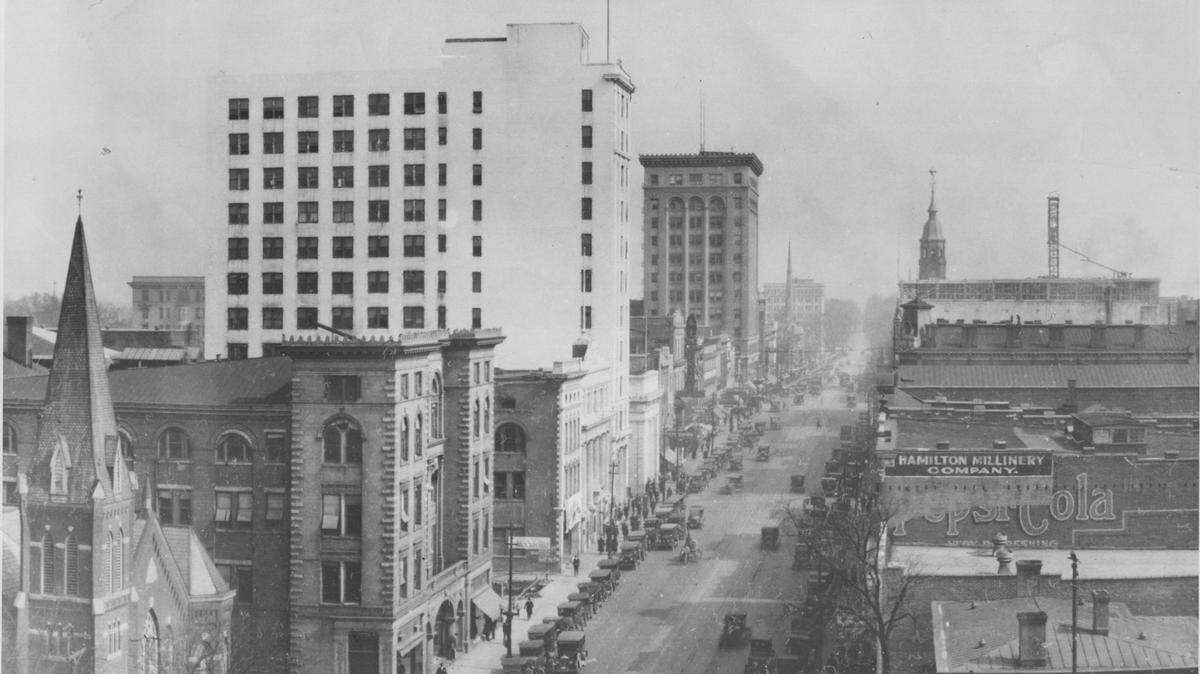
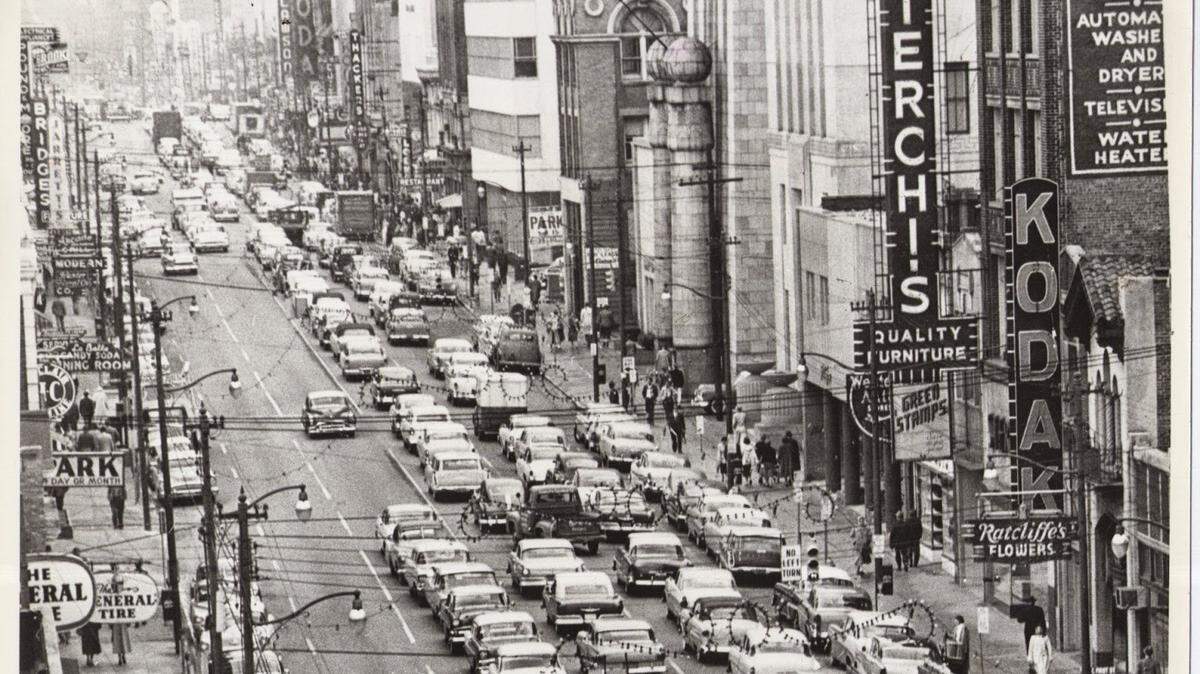
Charlotte’s steady growth and eye on the future has meant a number of older, and in some cases beloved, buildings have been lost to demolition over the years.
By one UNC Charlotte Urban Institute account, it’s challenging to find any building over 100 years old in uptown. We compiled a list of 12 iconic spots around Charlotte that were demolished over the years to make way for new development.
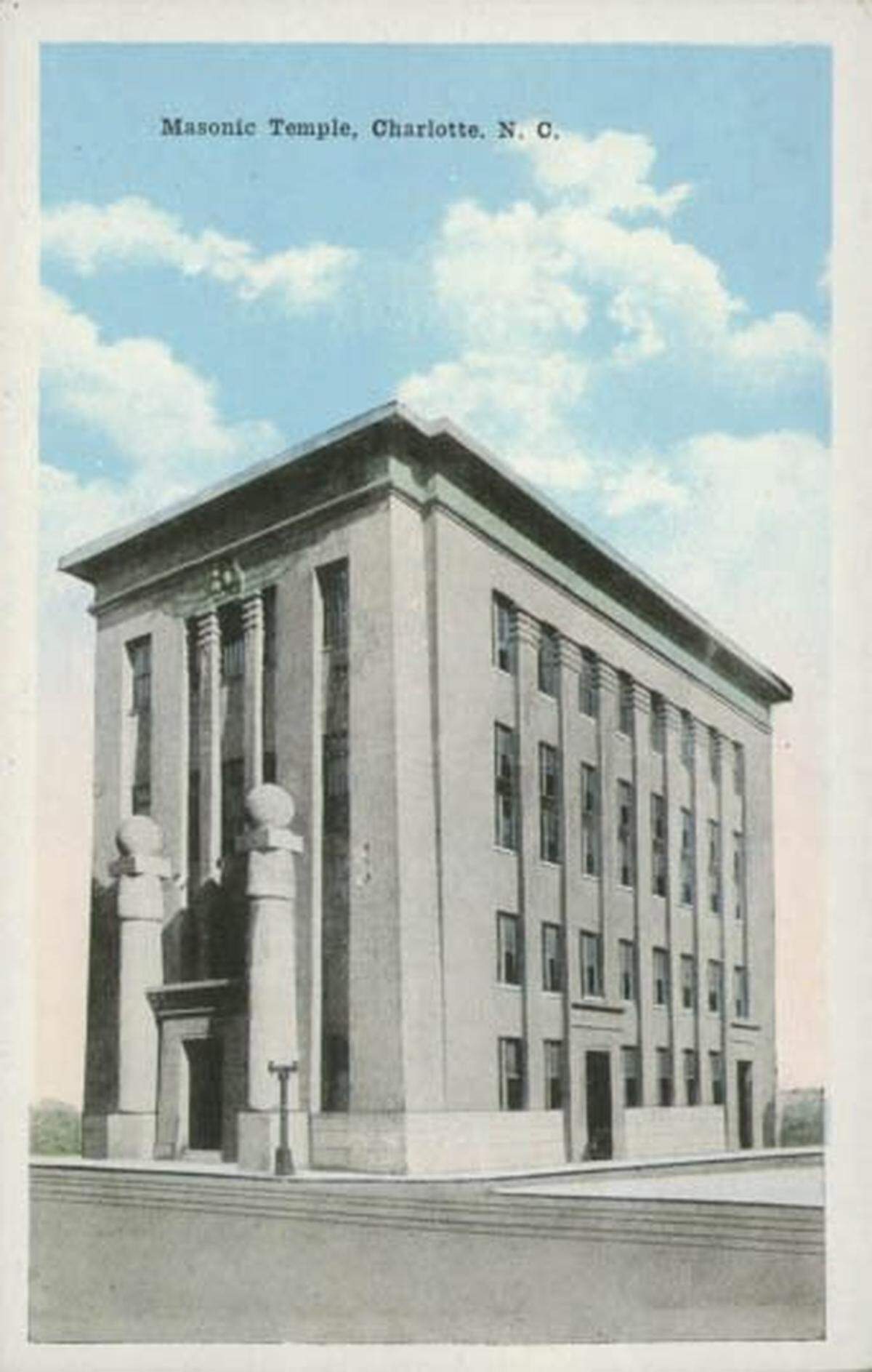
1. Charlotte Masonic Temple
The Masonic Temple stood at 329 S. Tryon St. Built in 1913, the temple was the last example of Egyptian Revival architecture in North Carolina, according to the Charlotte Mecklenburg Library. The four-story temple was “one of the most dramatic buildings in downtown Charlotte,” the Charlotte-Mecklenburg Historic Landmarks Commission wrote in a 1980 report. The temple was torn down in 1987 to make way for a park, now known as the Wells Fargo Atrium and Plaza.
2. Ritz Theater
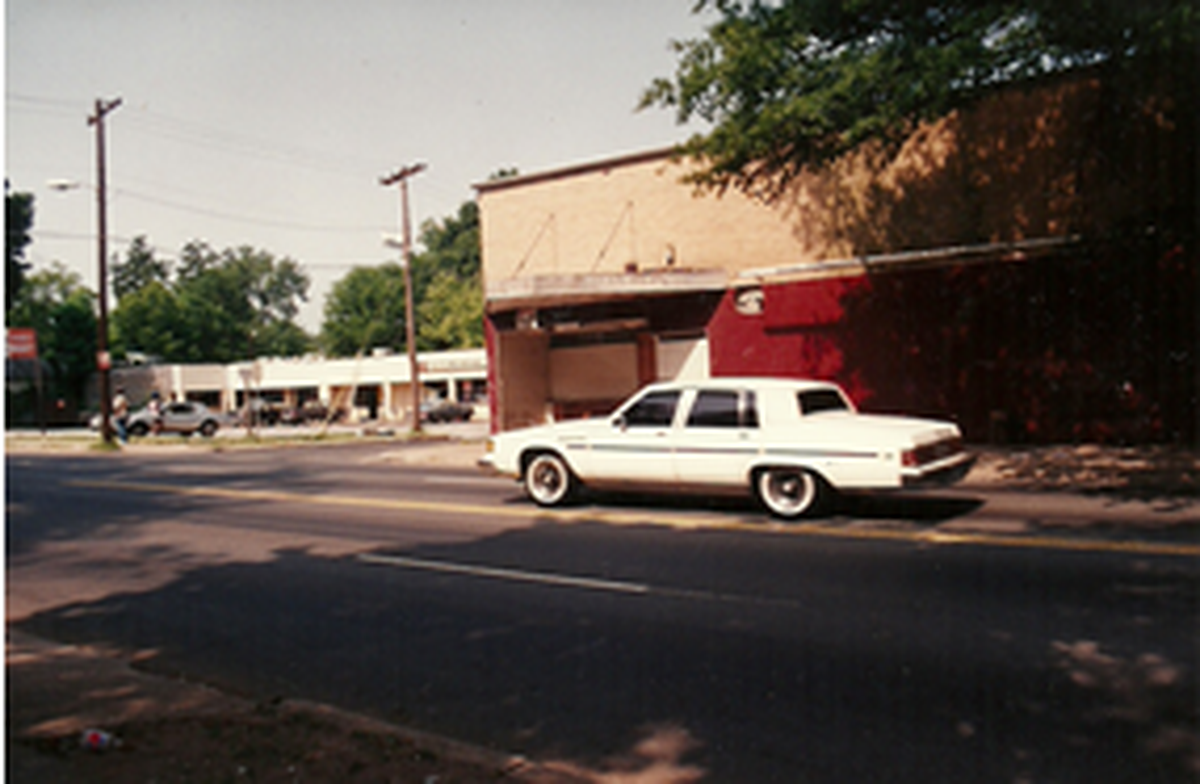
The segregation-era movie theater off Beatties Ford Road was built exclusively for the Black community in the early 1960s, according to the Cinema Treasures website. It closed in the early 1970s and was knocked down about 20 years later. The land where the theater stood in Washington Heights sat vacant for years. Recently, it was converted into a small pocket park with places to sit, play equipment, free WiFi and a stage for performances.
3. Independence Building
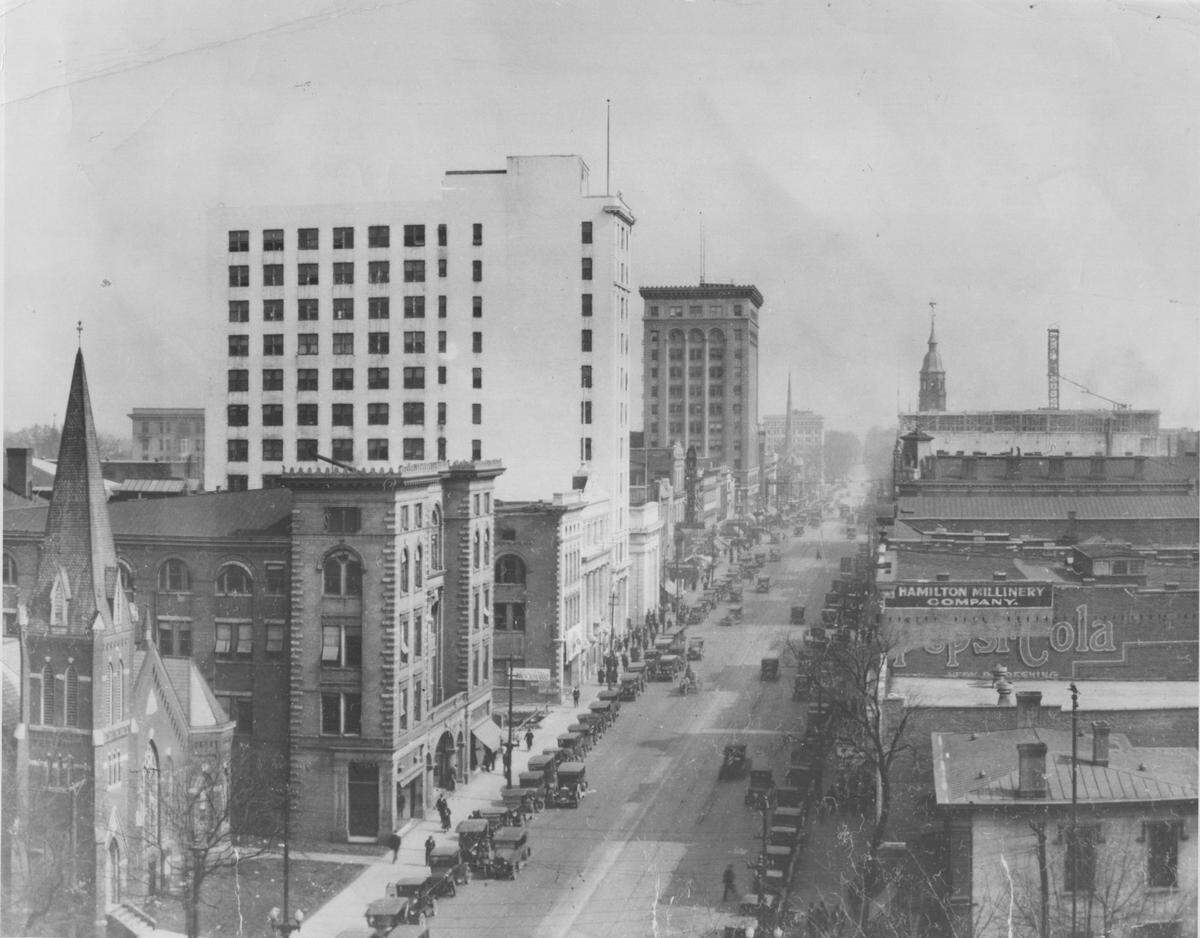
Independence Building stood at 100-102 W. Trade St. When it was built in 1908, the 12-story building was noted in newspaper stories as the first steel frame tower built in North Carolina. In September 1981, the building was imploded after it was sold to developer Henry Faison, according to the Historic Landmarks Commission. Demolition came despite it being a locally designated historic landmark, as well as being listed in the National Register of Historic Places. While those designations signify the building’s importance to the community, they offer few protections in the face of demolition. The site is now home to the high-rise office building, 101 Independence Center.
4. The Old Hotel Charlotte
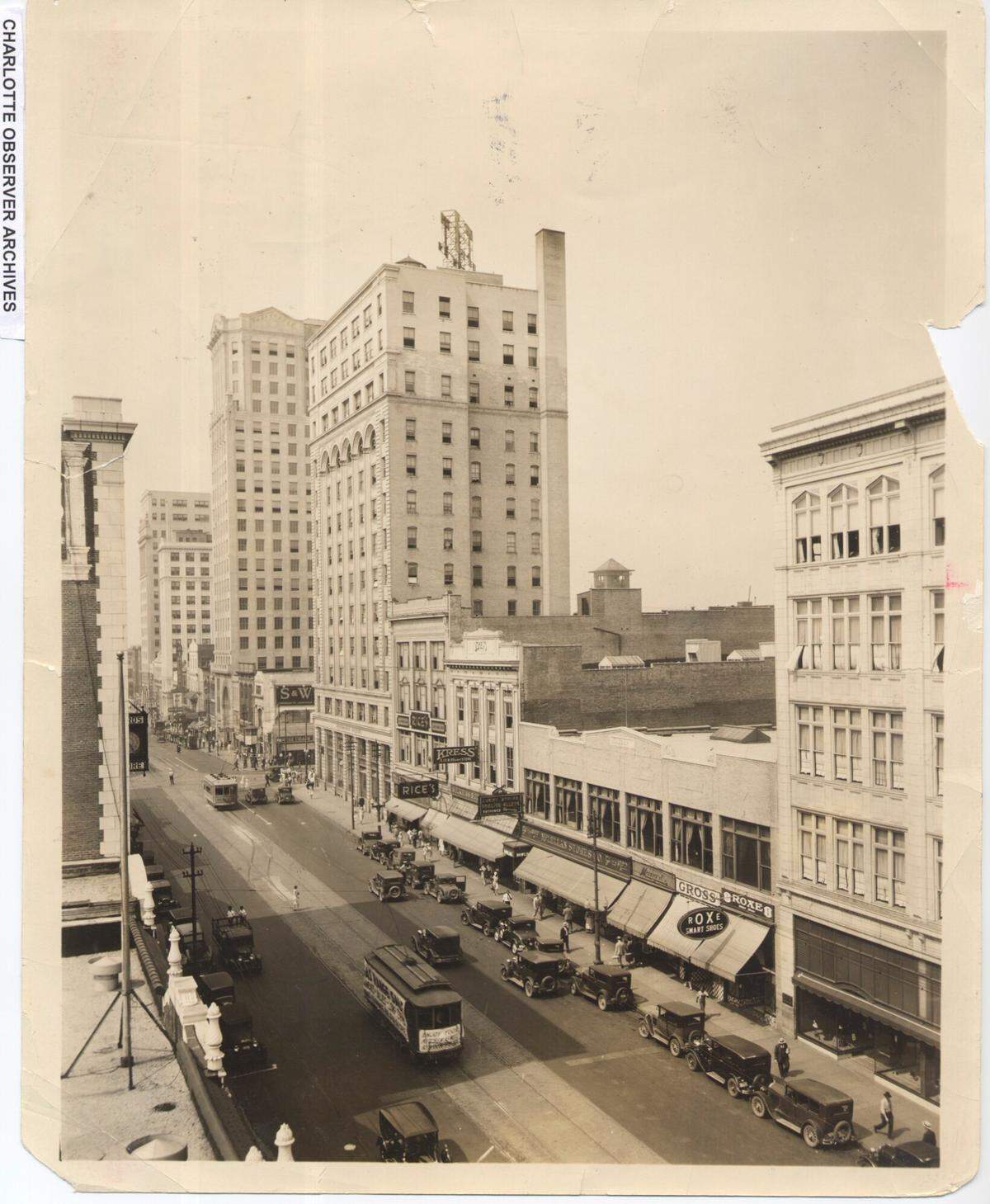
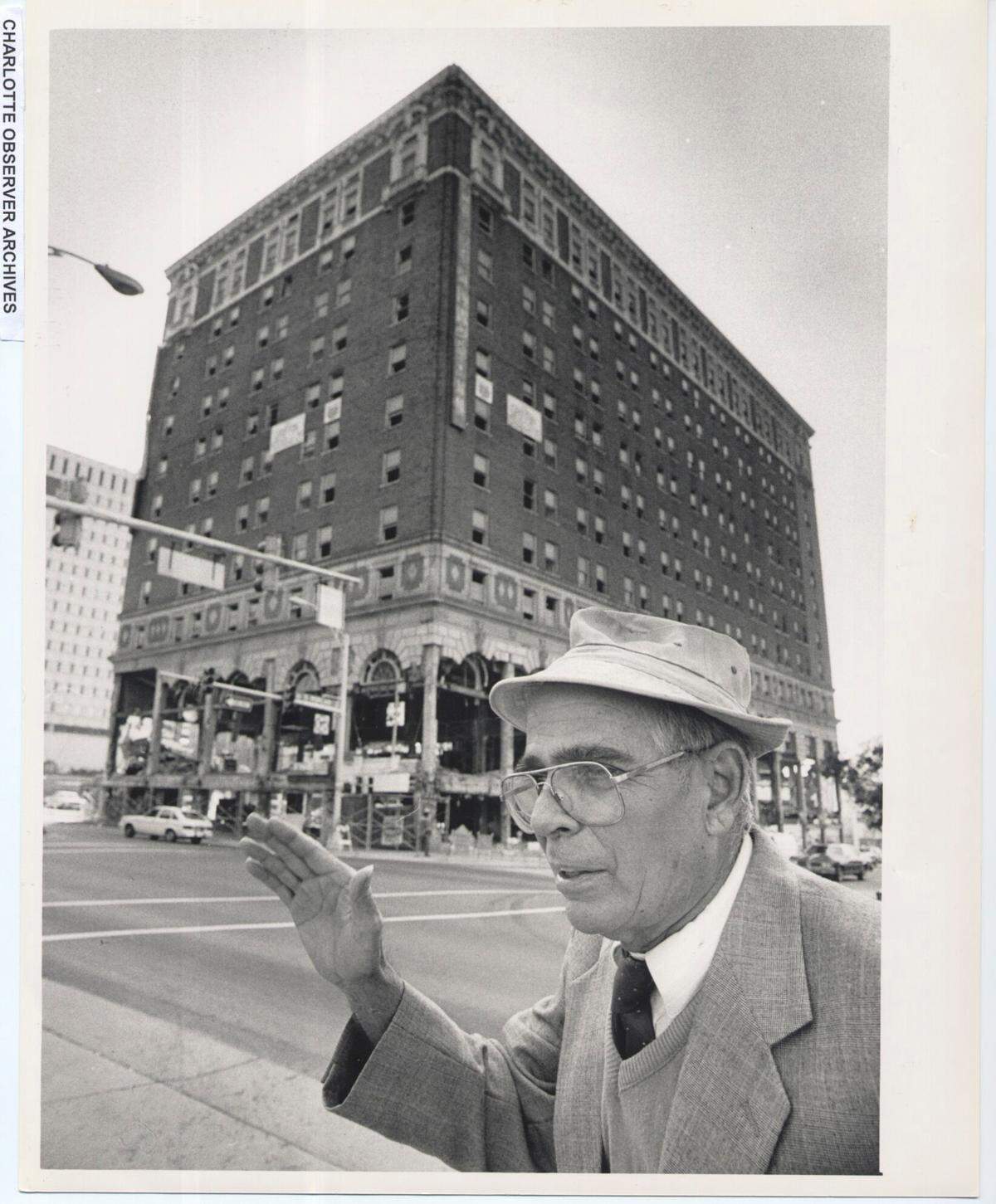
At 13 stories, the Old Hotel Charlotte stood at 231 W. Trade St. It opened in 1924 with 250 rooms and soon became one of the city’s leading social centers, according to the landmarks commission. It also was a popular meeting place for businessmen in the 1920s, the commission’s report stated. William Stoddart, a well-known hotel architect, designed the building. It was demolished in 1988. The 24-story Carillon Tower stands in its place.
5. Brevard Street Library for Negroes
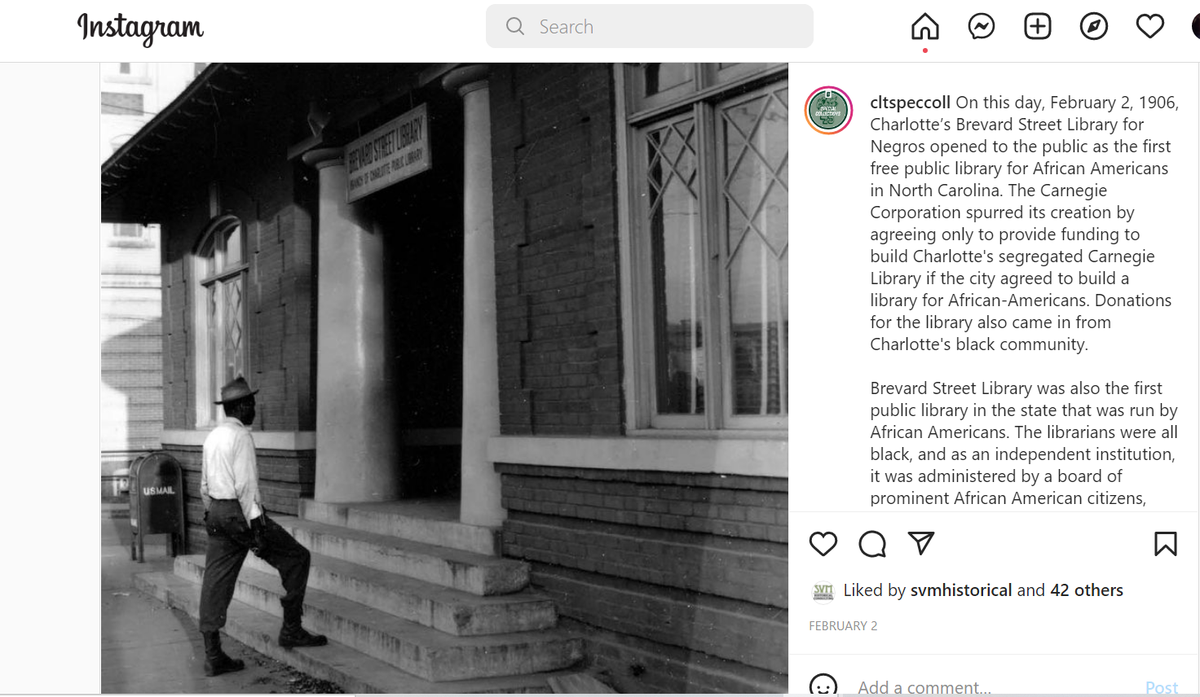
The library opened to the public in February 1906, according to UNC Charlotte’s Special Collections and University Archives. It was the first public library for African Americans in North Carolina, as well as the first in the state that was run by Black people. The library was an independent institution at the corner of Brevard and East 2nd streets before becoming a branch of the Charlotte-Mecklenburg Library in 1929. It was in the heart of the Brooklyn neighborhood. Urban renewal forced its closure and demolition in 1961. An Embassy Suites hotel now stands at the former library site, on the corner of S. Brevard Street and E. MLK Boulevard.
6. Query-Spivey-McGee building
The three-story structure at 600 S. College St. was built in 1902, although some parts were added later, according to Observer files. It operated as a feed, seed and gardening store through the mid-1980s. The building also served as stables, several agricultural supply stores (Charlotte Feed and Gin, Scott Feed Company), an auto repair shop, a mattress and upholstery company, and a gardening supply business. Local historians said the building was a reminder of Mecklenburg County’s agricultural past, when uptown was a meeting place for farmers. It was torn down in March 2018 to make way for development of the JW Marriott Charlotte hotel.
7. Coffee Cup Soda Grill
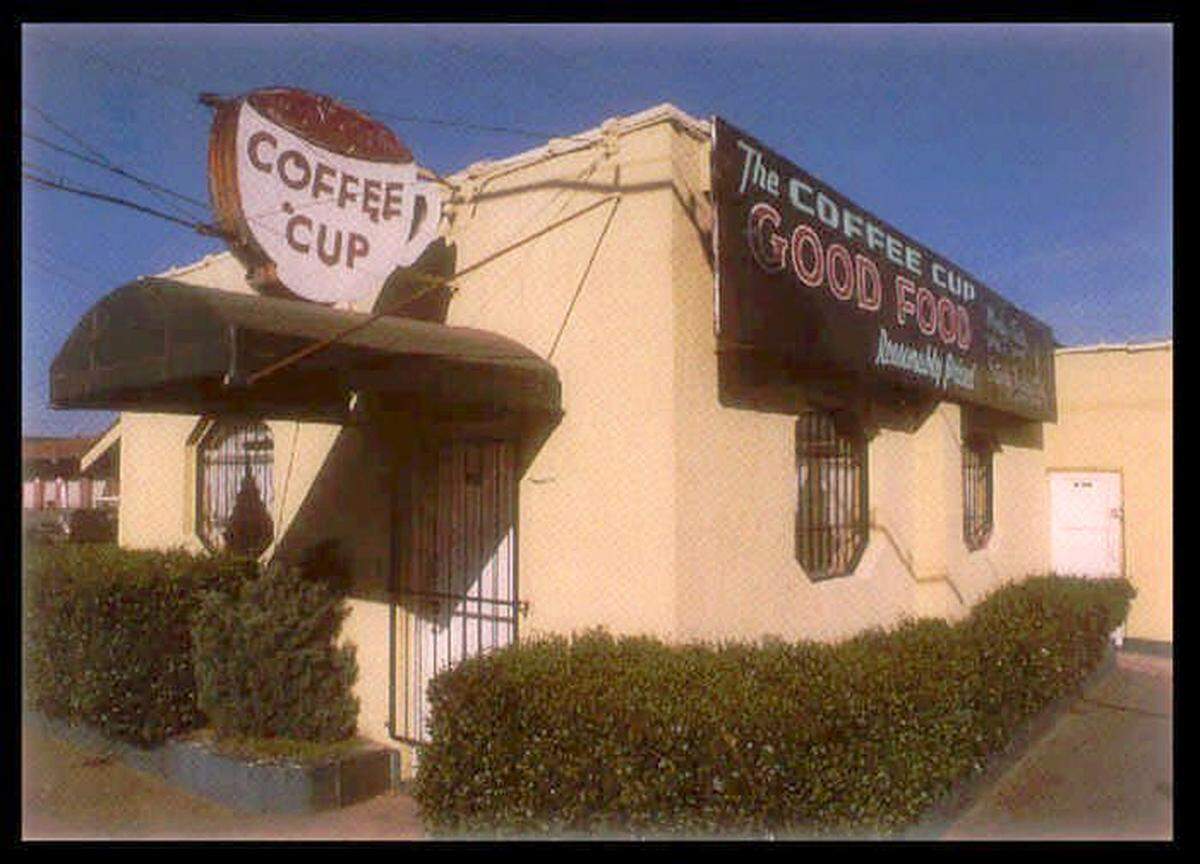
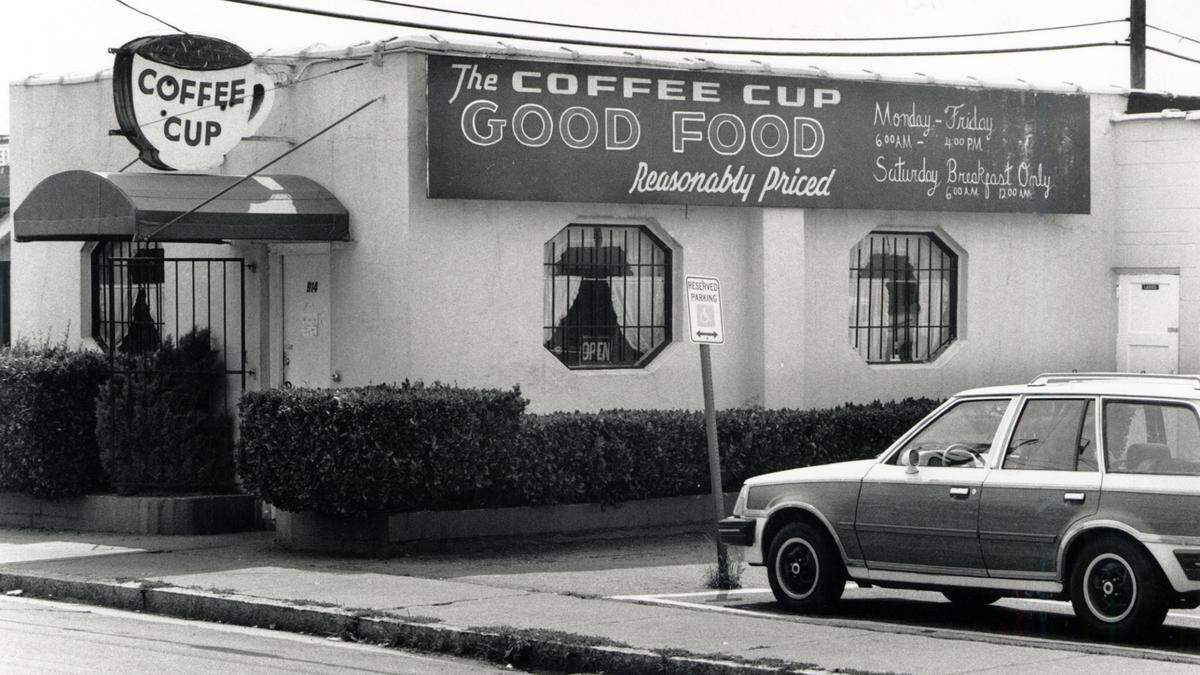
The Coffee Cup, at 914 South Clarkson St., was a locally designated historic landmark. It is assumed the building dates to 1947, according to the landmarks commission. Until its demolition in 2009, the Coffee Cup was the only roadside food stand in the central business district that survived from the 1940s, according to the landmarks commission. The commission cited its heritage as a place of racial harmony — in the 1970s and 1980s, owners opened the restaurant’s doors to African Americans, an uncommon occurrence in Charlotte at the time.
8. Old Garibaldi and Bruns building
Designed by Charlotte architect Louis Asbury in 1909, the Garibaldi and Bruns building covered two storefronts of a five-store row on South Tryon Street known as “Granite Row,” according to the Historic Landmarks Commission. Along with the Thomas Trotter building, the building was the only antebellum commercial structure remaining in the city. Granite Row dates to the 1850s and was built in anticipation of the coming railroad to Charlotte. Rail connections to Columbia and Charleston, as well as up North, helped Charlotte grow from a village of about 1,000 people in 1850 to the largest city in the Carolinas by 1930, the commission wrote. (See the next building on our list for what stands in its place.)
9. Thomas Trotter building
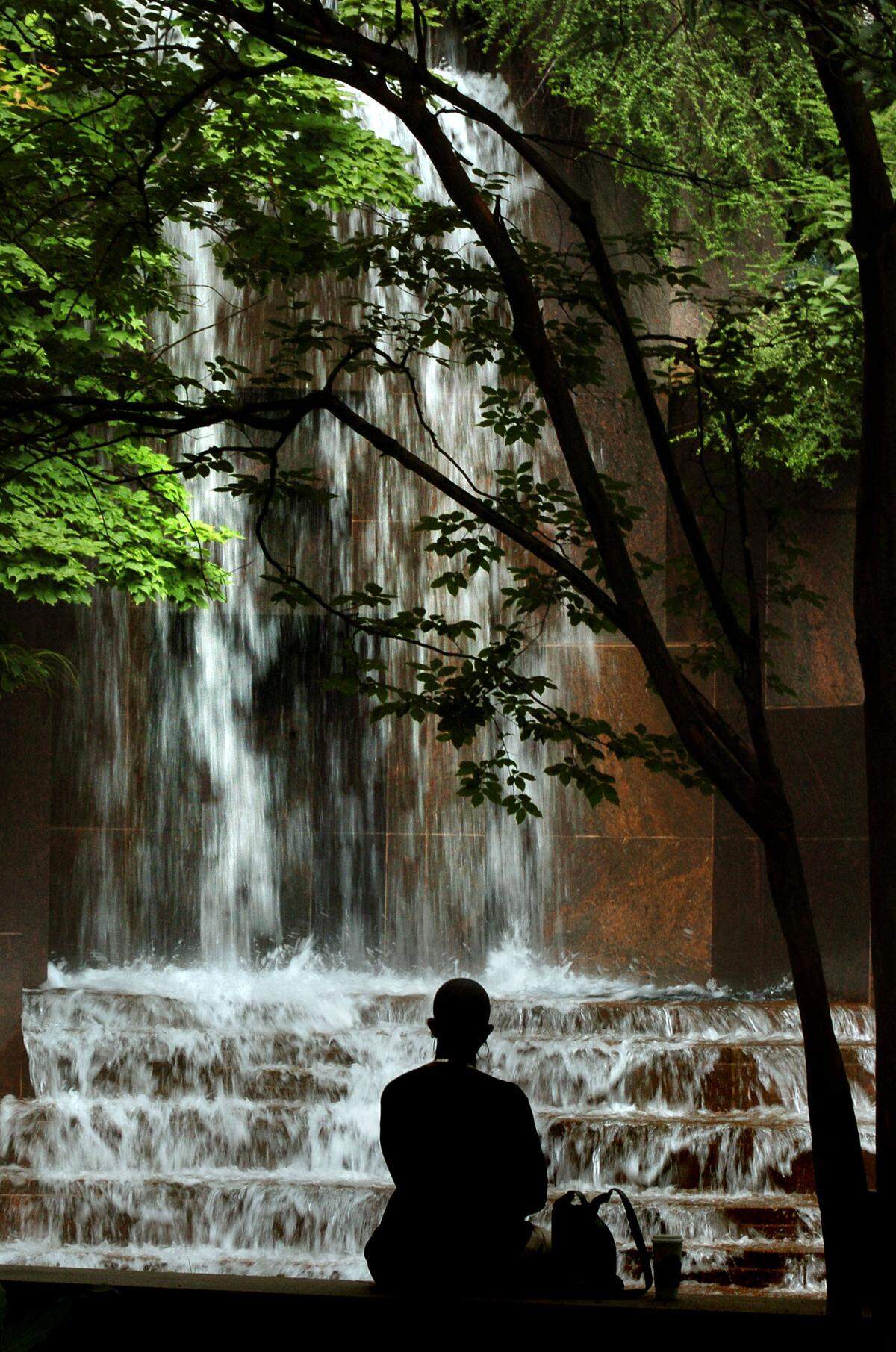
The Thomas Trotter building at 108 S. Tryon St. was built in 1850. It was part of Granite Row near the old Garibaldi and Bruns building and owned by Thomas Trotter, a leading jeweler in Charlotte for over 40 years. Both the Garibaldi and Bruns Store and the Thomas Trotter building were torn down in 1988. They were replaced by Thomas Polk Park, the spot at Trade and Tryon with the water flowing down the steps, according to UNC Charlotte Urban Institute.
10. Pepsi Bottling site
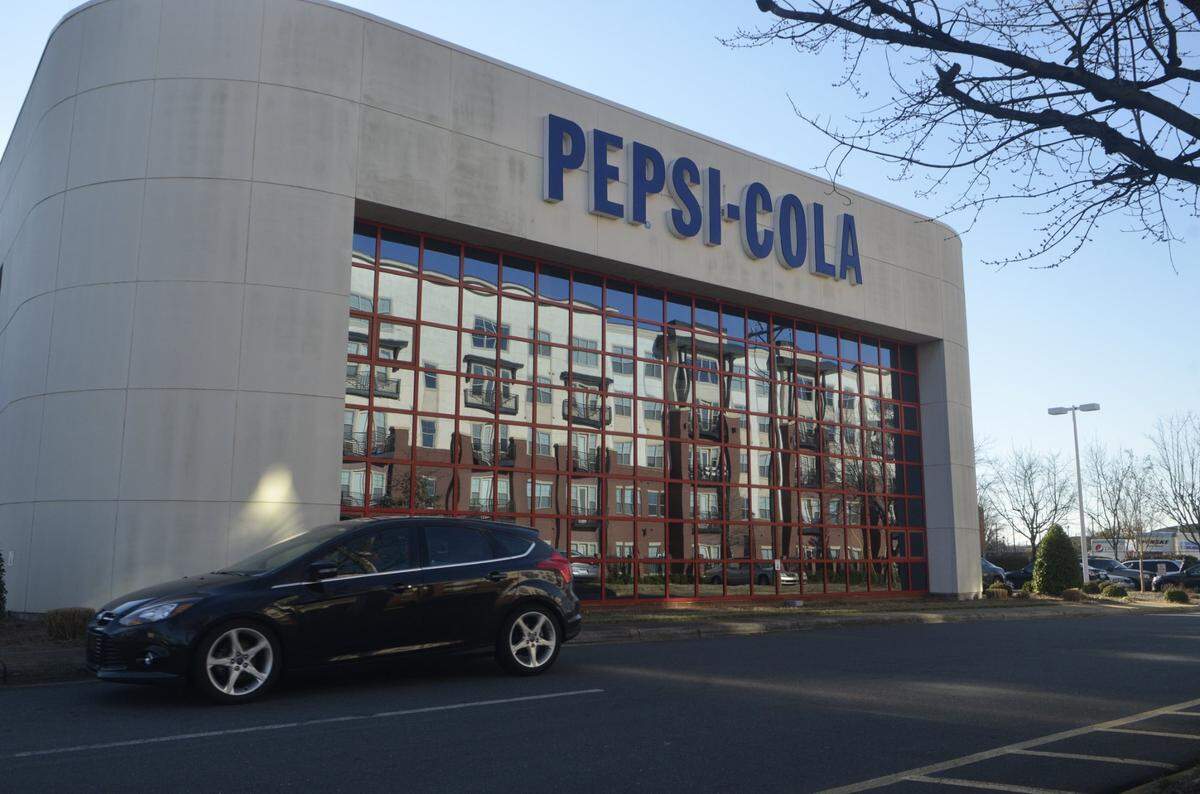
The soda bottling site at 2820 South Blvd. dates to 1938, according to Observer files. It was torn down in 2017 to make way for a mixed-use development with 432 apartments, along with shops and restaurants. According to Mecklenburg County property records, the main Pepsi building was constructed in 1966 and totaled almost 96,000 square feet. Pepsi Bottling Ventures acquired the property in 2013 from Bottling Group LLC, a company affiliated with PepsiCo in New York, for $7 million.
11. Tremont Music Hall
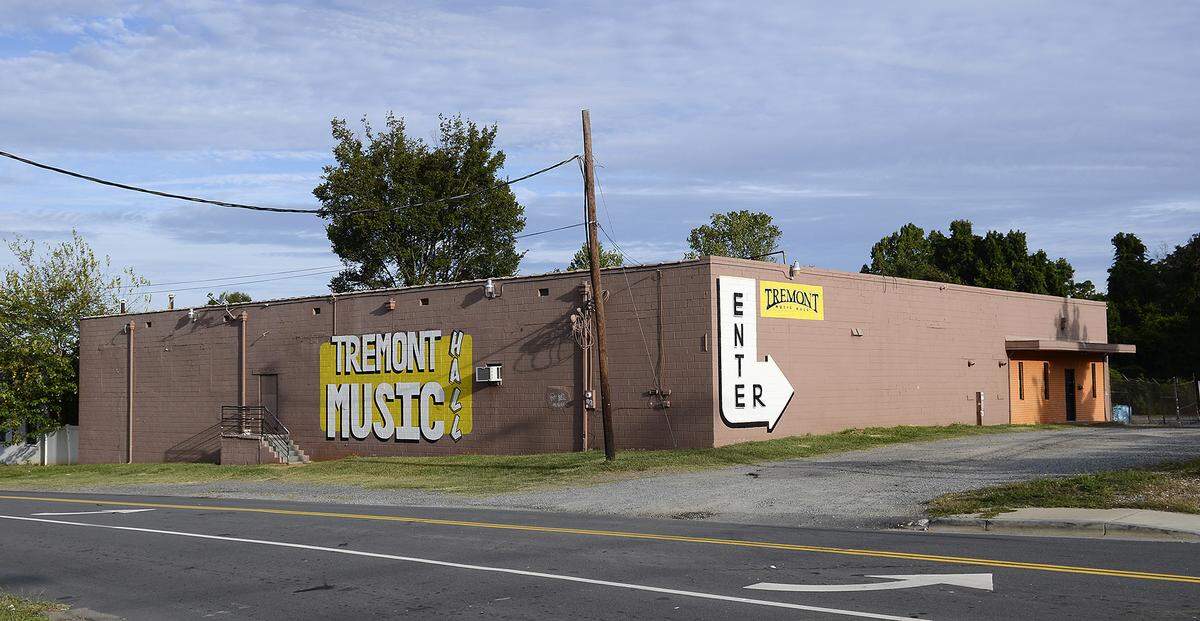
The longtime music venue in South End closed after a 20-year run in 2015 to make room for 74 townhouses. The club played host to hundreds of musicians over the years, including Maroon 5, Jewel and Matchbox 20. Its absence left a noticeable hole in the local music scene as a performance center for musicians that was bigger than dive bars but smaller than arenas.
12. James K. Polk building
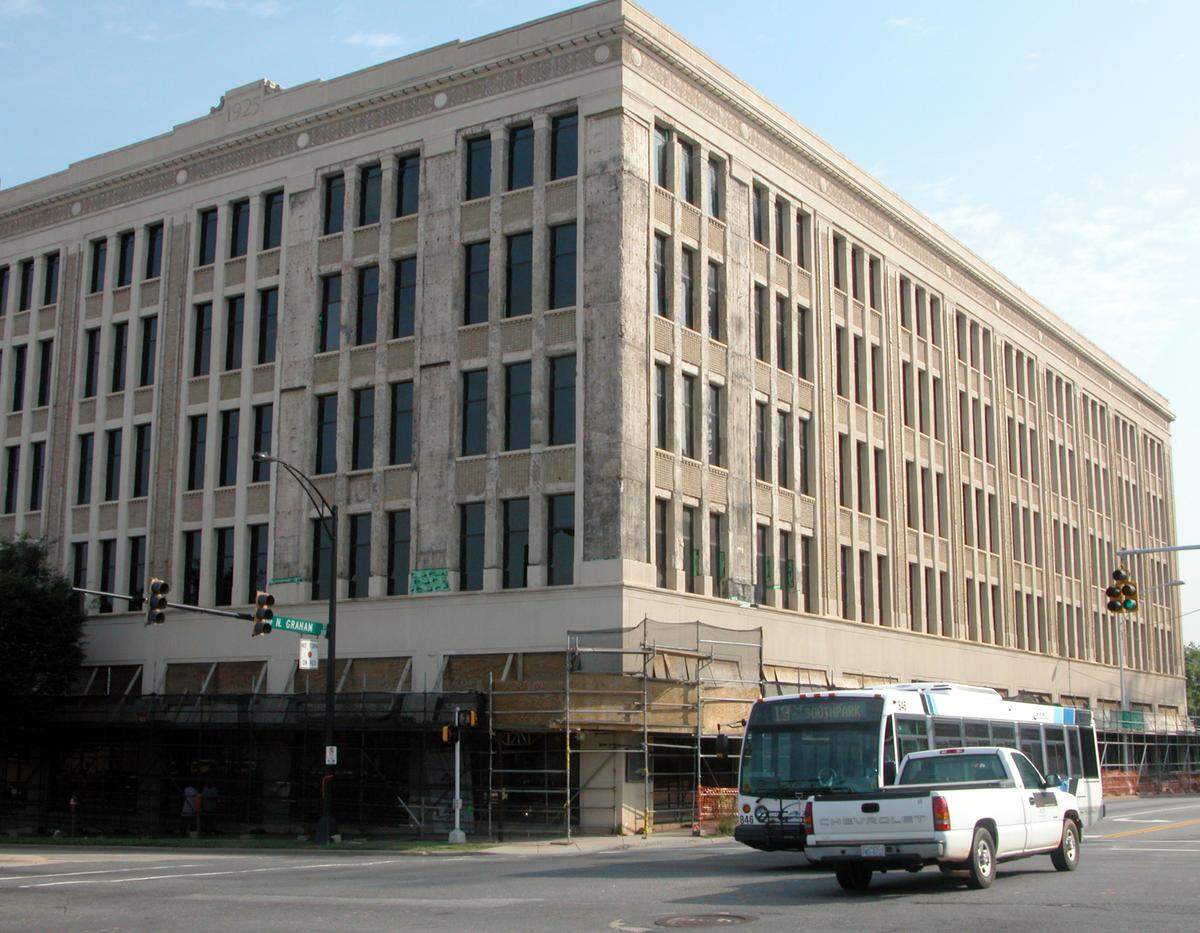
It was built in 1925 by C.C. Coddington at the corner of West Trade and Graham streets. Known as the Coddington Building, it housed a flagship Buick dealership. Designed by renowned industrial architect Albert Kahn, aka “The Man who Built Detroit,” the building was often described as one of the most stately and impressive structures in the city, and was a showcase of 1920s neoclassicism. It later served as a state office building. Demolition began in 2019. A 15-story apartment tower took its place.
This story was originally published February 20, 2022 at 6:00 AM.