‘Community jewel.’ New plan could save historic Black church near JCSU from demolition
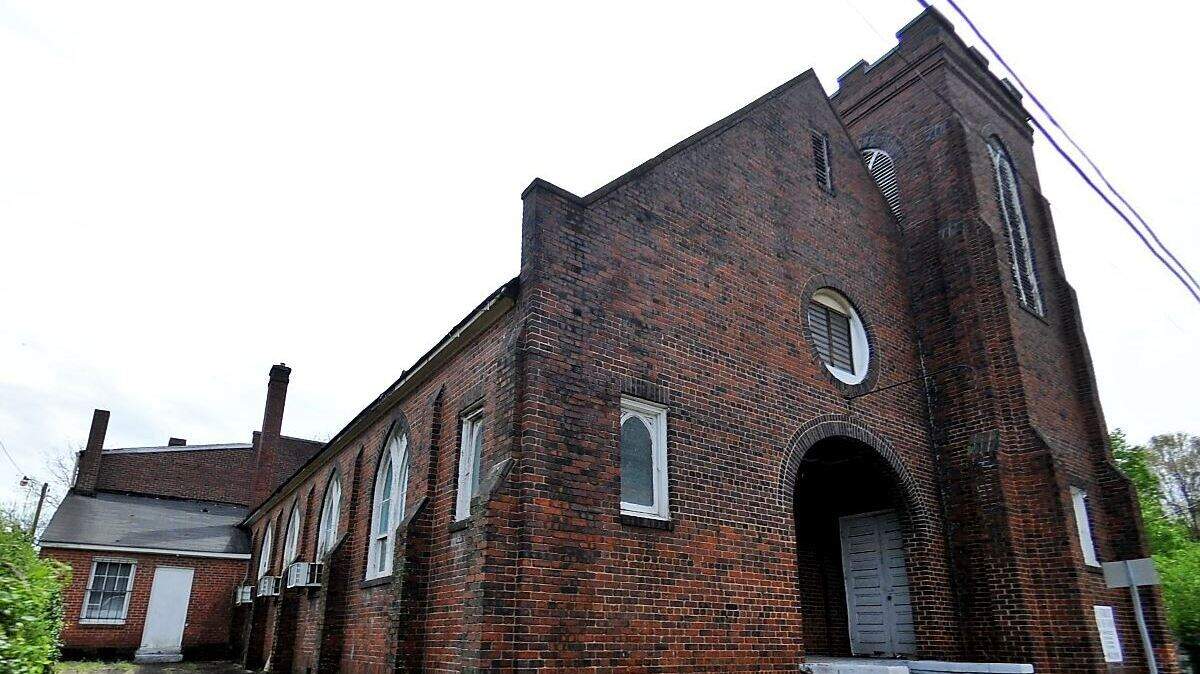
When Johnson C. Smith University’s new facilities director drives her golf cart by the historic Mount Carmel Baptist Church every other morning, she sees the wear and tear the building’s gone through over the decades.
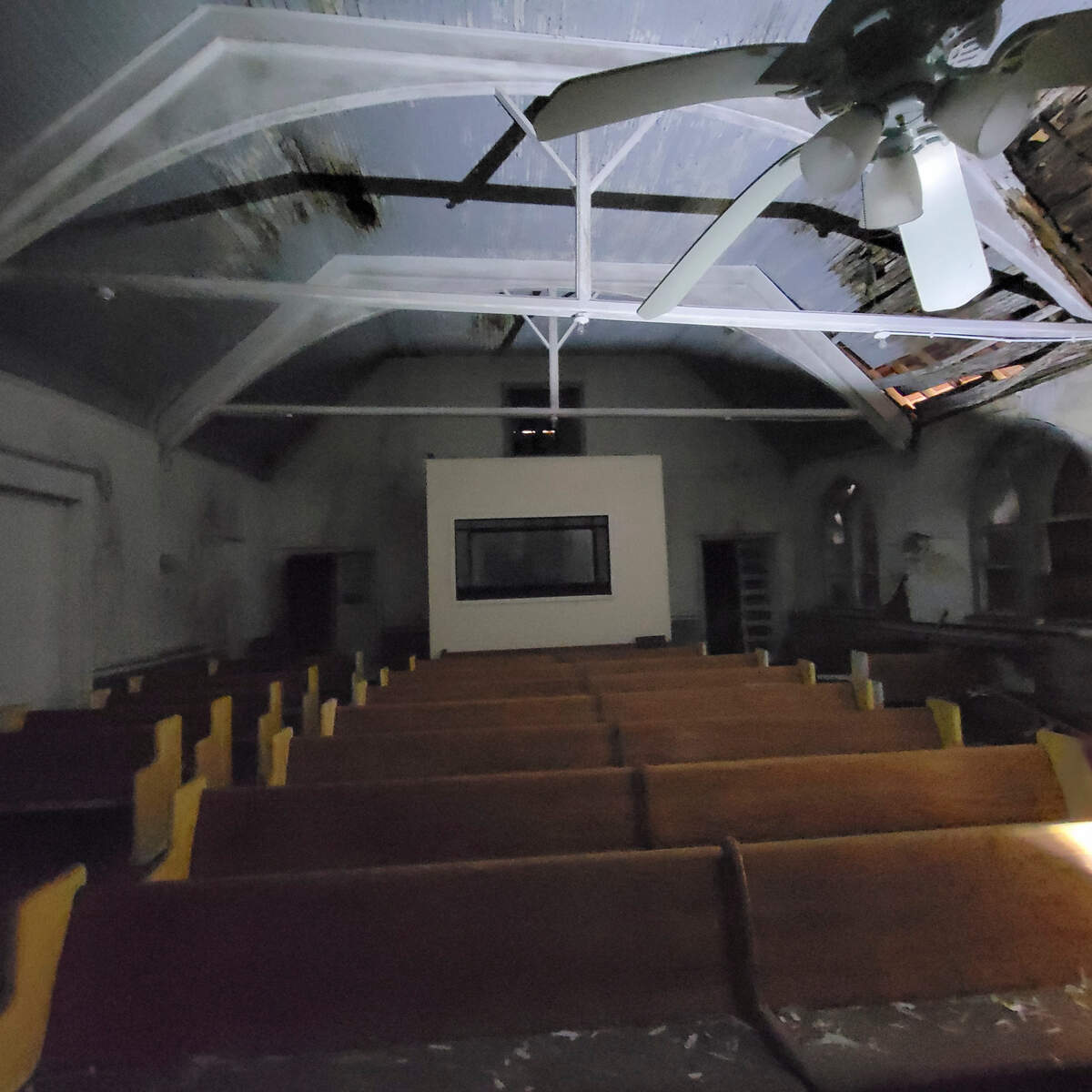
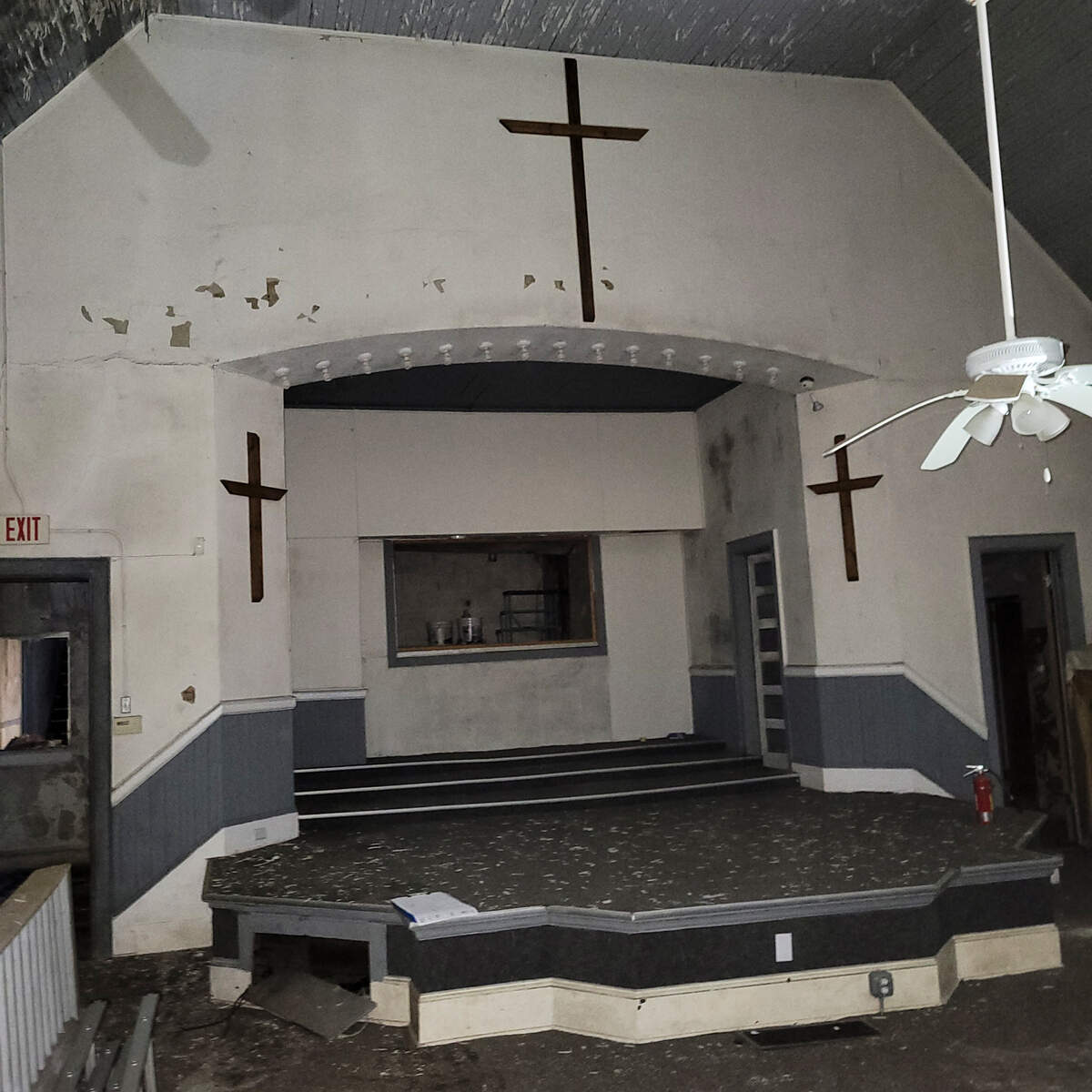
A damaged roof. A fence to keep the public away. Boarded-up windows cover what’s been called by the Charlotte-Mecklenburg Historic Landmarks Commission as “extreme deterioration” inside,including to the roof and flooring. There’s mildew and water damage too.
The church is in the 400 block of Campus Street, just steps from the main JCSU campus.
But on these regular checks of university-owned properties, Erna Perkins Jones can see beyond the problems at the old church. She’s been working for the past couple of years to try to save the century-old building that’s an important part of the city’s Black history.
Now, plans are moving forward to do just that.
The Charlotte-Mecklenburg Historic Landmarks Commission voted last week to request up to $850,000 from Mecklenburg County commissioners to stabilize the building so work can be done to improve the interior.
It would breathe new life into the long-vacant structure, which has been part of the west Charlotte community since the early 1920s.
The building earned local historic landmark status in 1983. JCSU is now working with the Historic Landmarks Commission to study the possibility of including the building on the Register of Historic Places, Perkins Jones told The Charlotte Observer.
That’s why Perkins Jones called the former Mount Carmel Baptist Church a “community jewel” at the recent landmarks commission meeting.
“It’s a storybook,” Perkins Jones told the Observer. “Every building tells a story. It’s blood, sweat and tears.”
There are a number of efforts in the Charlotte region to preserve buildings that are important to the Black community. That includes the Excelsior Club on Beatties Ford Road and the J. Wilson Alexander tenant house in Cornelius.
A church as homestead
The church was designed in 1921 by Louis Asbury, a native Charlottean who was one of the first licensed architects in North Carolina. Asbury also designed the First National Bank building, the Mecklenburg County Courthouse and Myers Park United Methodist Church.
The Mount Carmel church served as a significant cultural landmark for Charlotte’s African American community and a centerpiece of the Biddleville neighborhood, according to the Historic Landmarks Commission.
When Perkins Jones started working with the university in 2020, she began learning stories of how important the church was to the community as well as to the university. Most students at the time attended services there, Perkins Jones said.
It became a “homestead,” she said, a place to go for spiritual awakenings and to gather the community.
The roots of the church date back to a seven-person prayer group in Biddleville in 1878, according to the Historic Landmarks Commission. That prayer group met at peoples’ homes or under a large oak tree until the church eventually had its own space.
The church grew over time, with enrollment swelling to 979 people by 1947. A classroom wing was added to the building.
In 1977, the church moved to a much larger, previously built church on Tuckaseegee Road, according to the commission. JCSU eventually took over as owner of the old church.
Facing demolition of a church
After years of remaining vacant, a 2018 city inspection found 20 violations of local ordinances at the church. That included a compromised floor, a partially decaying roof and rotting subfloor, according to Observer stories at the time.
After a hearing that summer, the city ordered JCSU to “remove or demolish and remove this structure or building” by Oct. 10, 2018. Also during that summer, city code enforcement official and other preservationists were hopeful they could find a way to save the building.
It was not immediately clear why no action was taken against the building after that October 2018 deadline passed.
Perkins Jones has been working with code enforcement to talk about addressing the violations. JCSU has better protected the roof with a covering so the weather can’t damage the inside, she said. They’ve also put up fencing to protect residents who live nearby.
Stabilizing a historic building
The university and Historic Landmarks Commission are likely going to work together to help stabilize the building.
The cost to stabilize and repair the building will be around $850,000, according to a figure presented at last week’s Historic Landmarks Commission meeting. That number includes contingencies like unforeseen maintenance work that may come up once work gets underway.
Under an agreement between the Historic Landmarks Commission and the university, JCSU would pay back the money to stabilize the church, according to Jack Thomson, the commission’s executive director.
If the request is approved by county commissioners, construction would likely take five to six months, Gordon Douglas of Neighboring Concepts told the Historic Landmarks Commission. Neighboring Concepts is a local architecture firm working on the project.
The Historic Landmarks Commission has used this model with JCSU before. It channeled money from its revolving fund to help preserve a house near campus.
Future uses
Perkins Jones described the project as an adaptive reuse of the church building.
She envisions both the university and community using the space. That might include a space for alumni to meet.
“It will always have the footprint of the church,” Perkins Jones said.
This story was originally published June 21, 2022 at 6:54 PM.