Charlotte’s new(ish) planning director wants to be sure residents have their say on growth
Two weeks ago, Charlotte announced a series of community area planning workshops for 14 parts of the city. Residents can work with city leaders as they draft growth plans, giving them input on infrastructure challenges or other needs, including if there’s a need for more grocery stores.
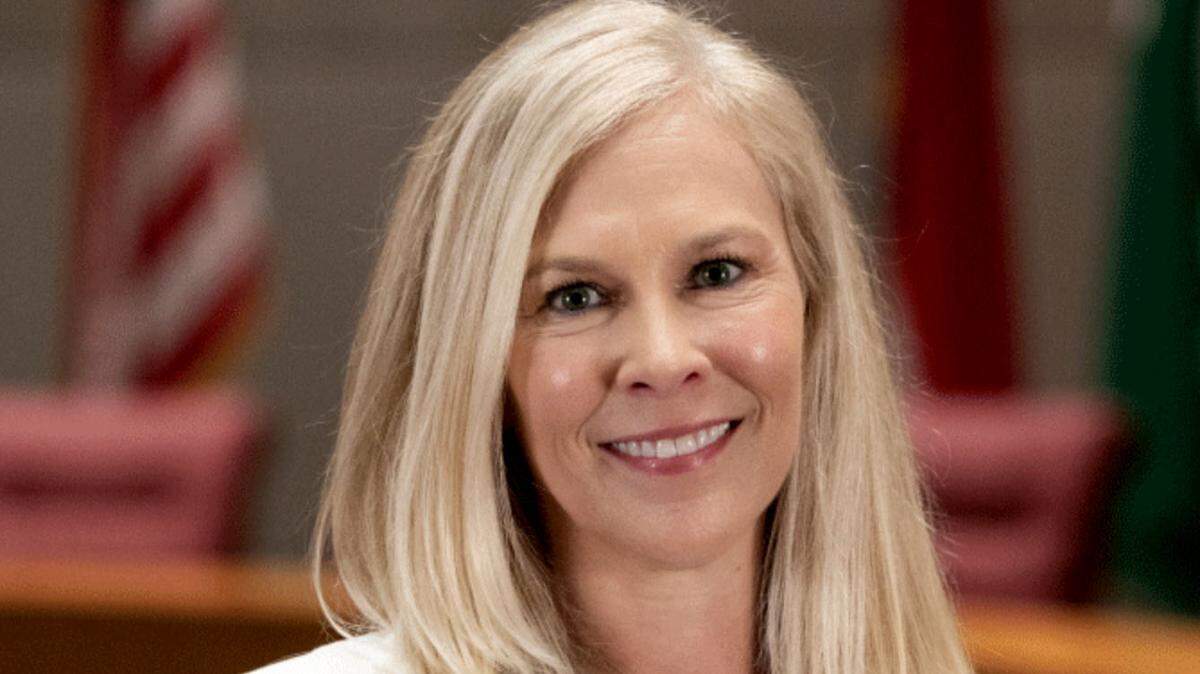
Is it the flashiest work going on in the city? Maybe not. But for Alyson Craig, Charlotte’s newly-named planning director, it’s one of the most important things on her plate.
Craig is now officially at the helm of the 120-person planning department after more than a year as the interim director.
The role was vacated last February when Taiwo Jaiyeoba took a job as city manager in Greensboro. Charlotte announced Craig, who’s been with the city since 2018, as the new director a few days ago. Her salary will be $204,204, according to the city.
Craig worked under Jaiyeoba as a deputy planning director. She’s more than familiar with the roughly 600-page Unified Development Ordinance, the lengthy 2040 Comprehensive Plan and a new policy map, all of which were adopted in the last two years.
It’s the first time some of these plans have been updated in decades. They work together to help plan for growth and dictate where the city sees most of it going while laying out the regulations for what can be built where.
The adoption of the comprehensive plan and UDO were no small lifts. City Council members were often at odds over parts of the plans, including provisions to allow more denser housing in traditional single-family neighborhoods.
The UDO is not set in stone, and Craig signaled her openness this week to amend a section that mandates parking space minimums and maximums tied to new development.
Her main tasks also include training staff on the UDO and making sure people know when it goes into effect: (June 1).
The area planning work is a way for residents to be part of that conversation.
“We’re doing a remarkable amount of planning, really thinking through how fast we’re growing and making sure that both the people that are moving here and the people that live here feel as though we’re planning accordingly for that,” Craig said in an interview with The Charlotte Observer.
Here are some snippets from a 30-minute phone conversation the Observer had with Craig after the announcement about her job.
What will have the biggest impact on people?
The Unified Development Ordinance. The 2040 Comprehensive Plan. The Charlotte Future 2040 Policy Map. That’s a lot of planning and a lot of paper. We asked Craig if there was any part of those documents she believed could have the biggest impacts on people’s day-to-day lives.
While it’s hard to say how one thing could have a bigger impact than others, Craig pointed to a few sections.
There are new requirements in the UDO, for example, that require the private sector (think developers) to contribute to infrastructure. That means more open space and transportation requirements.
She pointed to a UDO companion document from Charlotte Department of Transportation that lays out mandates for projects to include more multi-modal components. This means there is greater potential for more sidewalks, shared-use paths, pedestrian crossings and street lights.
The big change, Craig said, is that these requirements now apply to projects that are built without going through the rezoning process. Typically, the city staff reviews projects during the rezoning process ahead of a vote by members of City Council.
What about parking?
Cities across the country dedicate a significant amount of land to parking.
Look no further than Arlington, Texas, where the nonprofit Parking Reform Network found 42% of its center city is set aside for parking.
Charlotte is not as bad off, the network found, with 18% of uptown dedicated to parking. The analysis comes as cities across the country have eliminated government-mandated parking minimums and maximums.
The mandates can be costly and serve to further disconnect cities plus take away space for affordable housing, the network found.
The UDO does not eliminate parking requirements, but Craig signaled in an interview she’s open to looking at more aggressive ways to reduce mandates. The UDO has a three-tiered system that requires fewer parking spaces in denser parts of the city and more spots for vehicles the further away you get from those areas.
“I’m very passionate about affordable housing and very aware that parking and the cost of a car are very impactful to our affordability challenges,” Craig said. “Where we have an opportunity to reduce that cost burden on someone, I’m 100% for having a conversation.”
Craig does like how the UDO approached parking, looking at the requirements based on where in the city it’s being built.
“A multifamily building adjacent to the blue line needs different parking requirements than an affordable housing project in suburban Charlotte that doesn’t have as strong a connection to public transportation or is just more auto dependent,” Craig said.
Still, she said the parking section of the UDO is on her list of topics to consider for a future amendment.
“It has a real dollar sign attached to it,” Craig said.
This story was originally published April 10, 2023 at 6:30 AM.