‘We will prevail.’ NC woman defended abortion rights long before Roe v. Wade
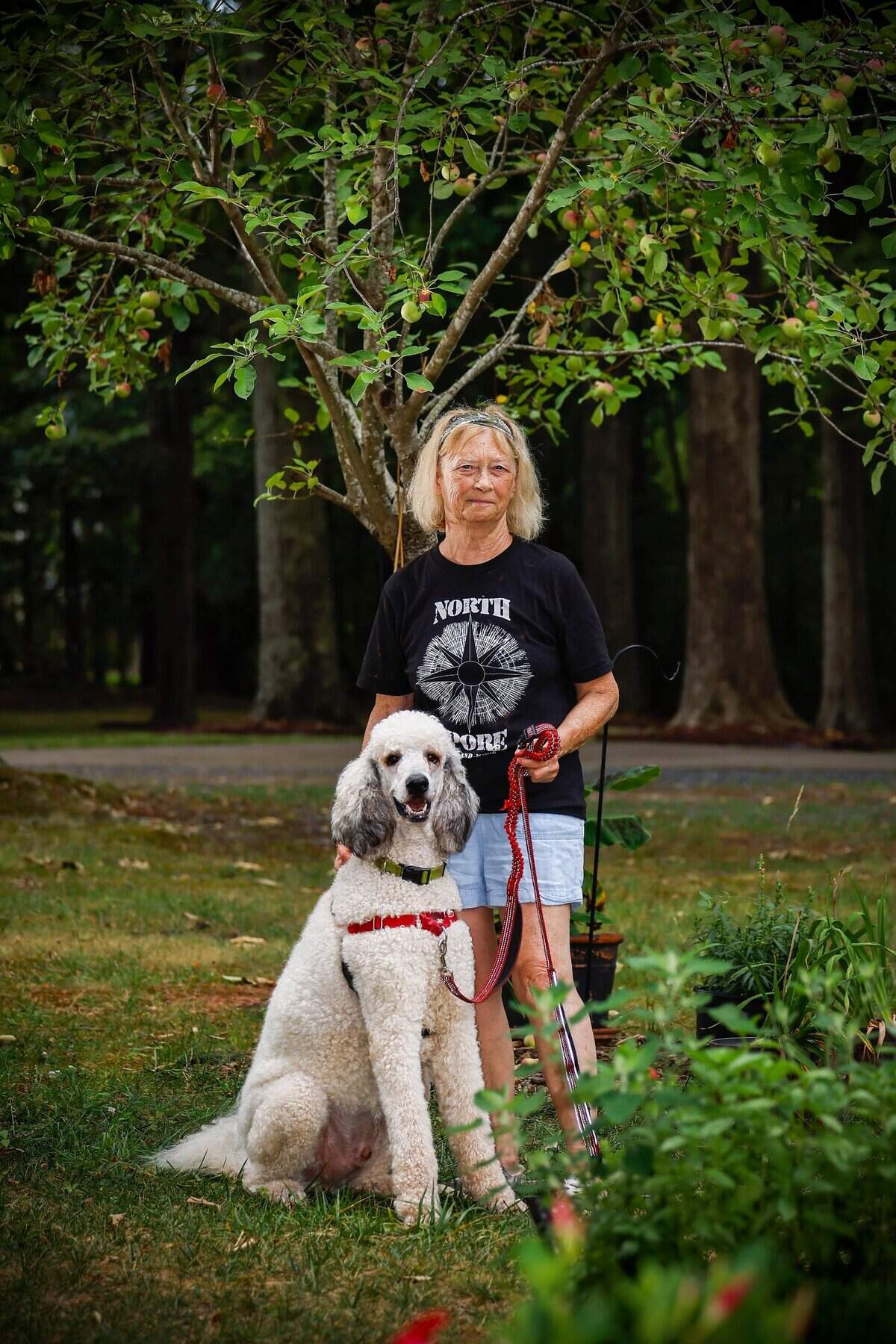
Diane Stevens has seen this before.
Nearly 300 are protesting outside the Charlotte-Mecklenburg Government Center on Friday, June 24 — the day the U.S. Supreme Court overturned the landmark Roe v. Wade abortion rights case.
More than 50 years ago, Stevens was part of an underground network that helped people obtain safe but illegal abortions and later protested to have them protected as a constitutional right.
Now 73, she’s angry.
“We are not going to put up with this,” Stevens says to the crowd comprised mostly of people younger than her.
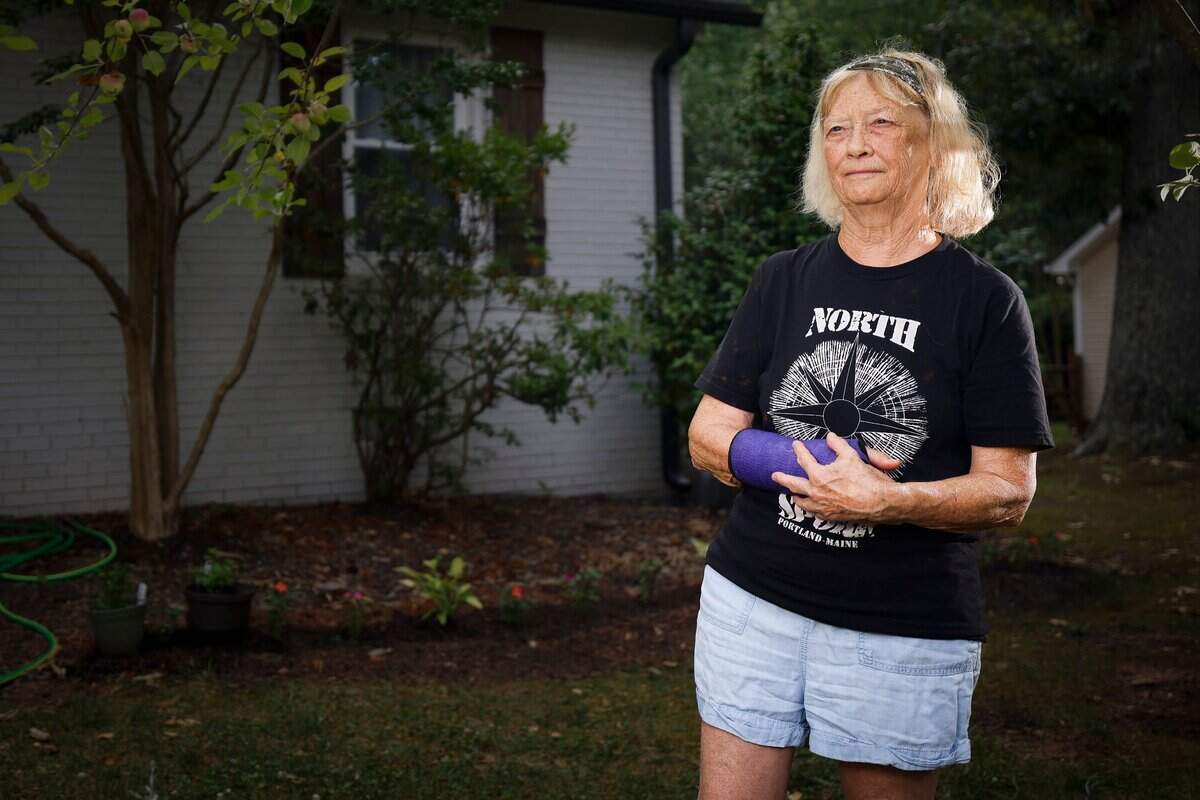
Stevens didn’t plan to speak at the June 24 protest, she later told The Charlotte Observer, but she felt compelled to after watching and listening to everyone else.
She leaves out many parts of her story in the short speech and focuses on the power of ordinary people.
“It’s important to do things politically,” she tells the crowd. “But there are people that are going to be doing things outside the law. We are not taking this lying down. The Supreme Court is on the wrong side of history, and we will prevail.”
The Jane Collective
In the early 1970s, Jane was the code name associated with the Abortion Counseling Service of the Chicago Women’s Liberation Union, a group that helped pregnant people obtain abortions. Many refer to it now as simply Jane, or the Jane Collective, because of an advertisement in Chicago: “Pregnant? Don’t want to be? Call Jane.”
Stevens’ own experience with abortion led to her involvement with the network. When she was 19, Stevens learned she was pregnant. She didn’t want to be.
“I was barely able to take care of myself,” Stevens told the Observer at her Union County home. “I had just moved to California. I didn’t even have a job yet.”
She went to Planned Parenthood, where she was advised on how to obtain an abortion — which was illegal nationwide at the time. Clinic staff suggested she receive a “therapeutic abortion,” which is meant to protect the health of the pregnant person.
Stevens said the pregnancy put her mental health at risk. To get the procedure, she needed letters from two psychiatrists explaining the risks. She then had to find a doctor to perform the abortion.
Stevens said she had the abortion in the psychiatric ward of a hospital in California.
She returned to Chicago a couple years later, wanting to do “something helpful” with her life, Stevens said.
“I thought, well, I could do abortion counseling, that’s something I know about and I care about,” she said.
Stevens called the Chicago Women’s Liberation Union, which sent her to learn about its Abortion Counseling Service.
Each week, Stevens recalls, members of the group would meet to receive their patient assignments. A stack of index cards would be passed around the room in a circle. These cards contained the names, ages and relevant health information of each patient as well as how much they could afford to pay for treatment.
The counselors would explain the procedure to their patients, and how they should take care of themselves afterward. Depending on the week, Stevens said she would pull anywhere from eight to 12 cards.
After counseling, the patients would be driven on the date of their abortion to a location referred to as “the front.” This was typically someone’s house and served as a large waiting room. From “the front,” only the person receiving the abortion would be driven to “the place” where the procedure would be performed.
The group helped perform approximately 11,000 abortions in the years it was operational, Stevens said.
She said that while abortions were illegal at the time, the group was mostly unbothered by law enforcement. Stevens said this could be because they helped people who were close to police. The group helped at at least one police officer get an abortion, she said.
Supreme Court rules on Roe v. Wade
One day in 1972, the group stopped going unnoticed. A woman called police to report her sister-in-law, who contacted the Janes about an abortion. The case was given to the Chicago Police Department’s homicide department.
Officers followed the woman on the day of the abortion. Then they stormed the place.
Stevens was working that day and was in the kitchen. An officer asked her what was for lunch, remarking on the smell of the roast.
“Pig,” she answered him.
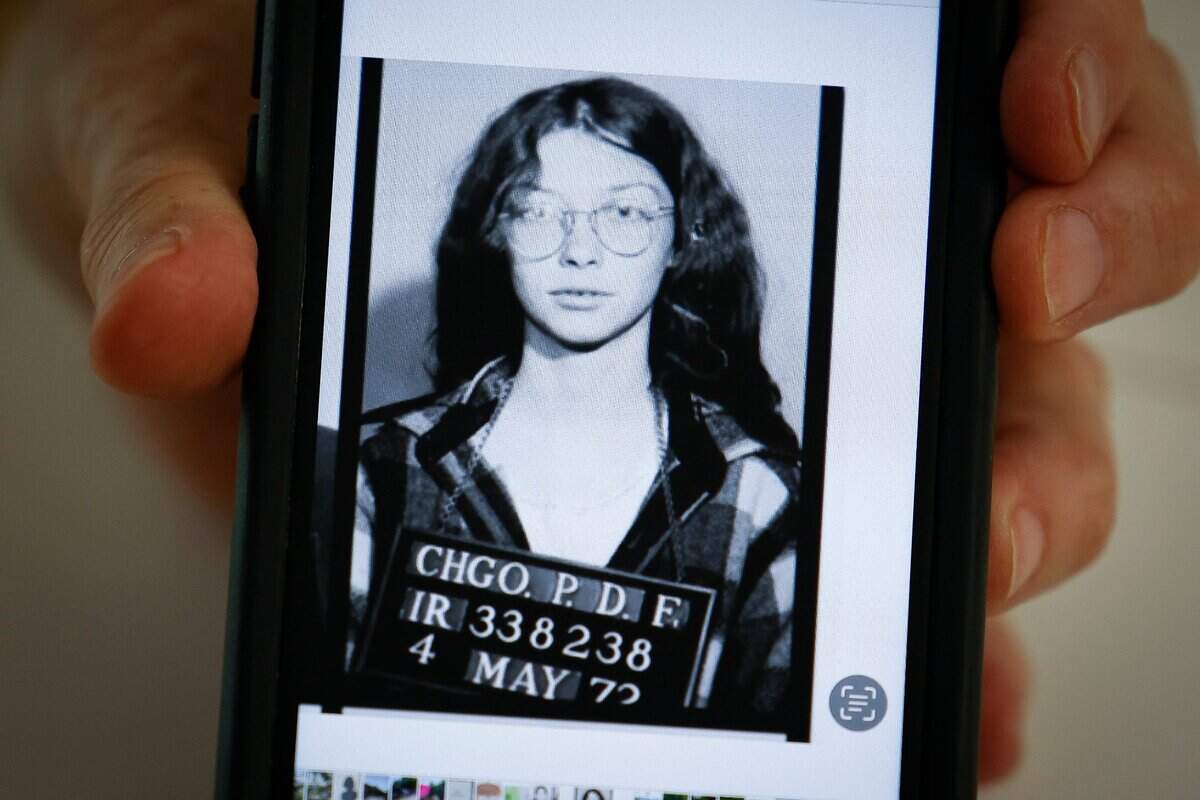
Stevens was arrested along with six others who were working as Janes that day. She recalled being handcuffed to a table for several hours and spending the night in jail before posting bail the next day.
Their cases never made it to trial.
In January 1973, the U.S. Supreme Court ruled abortion was a protected right under the Constitution.
Stevens said the seven of them were “really glad” abortion became a protected right. But they didn’t know how it would work yet, so they went back to providing abortions until alternatives became available, Stevens said.
Harassment at abortion clinics
After moving to North Carolina, Stevens became “appalled and horrified” at the harassment people experienced at abortion clinics in Charlotte.
The culture surrounding the issue now, she said, is much more dangerous and divided than it was in the 1960s and early ‘70s.
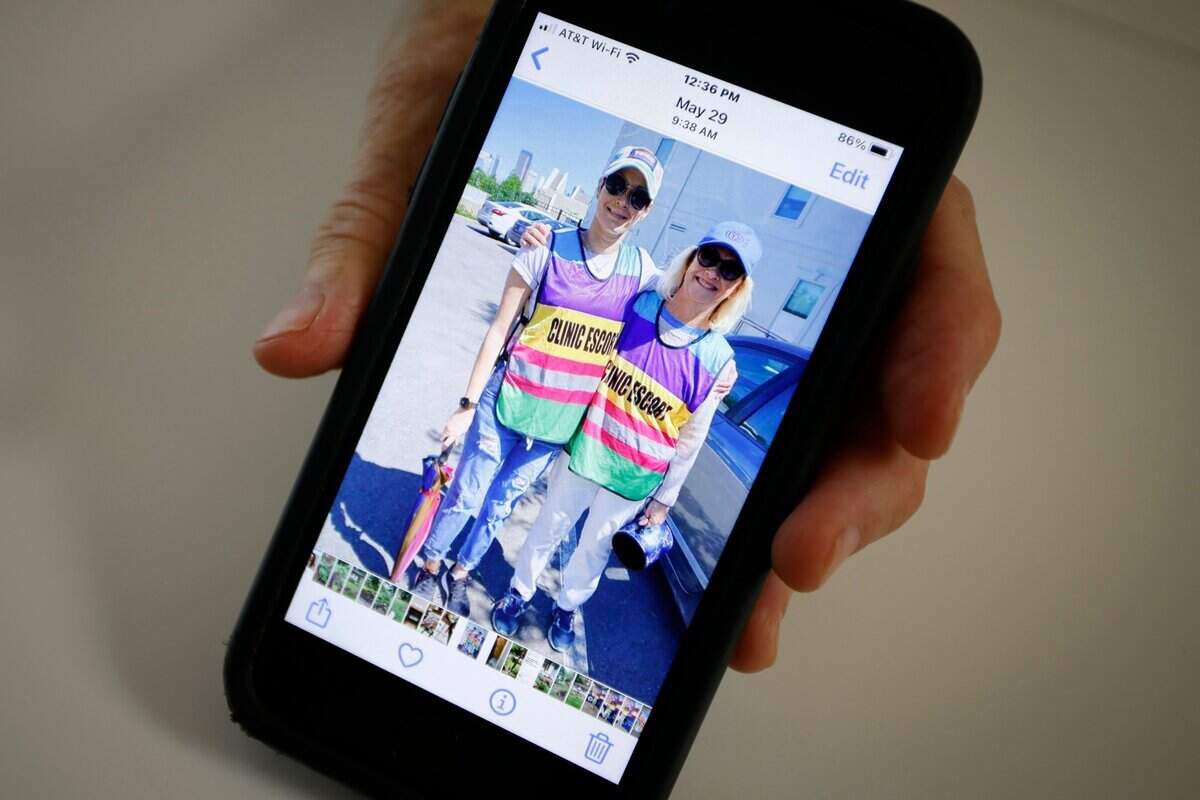
She and her daughter became clinic escorts with Reproductive Rights Coalition.
Stevens told the Observer of a man who uses a ladder to yell over the clinic fences at those in the parking lot. She said he uses his Bible as a makeshift megaphone.
“I was just appalled at the level of harassment,” She said.
One incident that really touched her, Stevens said, involved three teenagers who had just graduated high school. Stevens was working at the clinic when an older car with an out-of-state license plate pulled in with the teens. They were crying, she said.
”So I walked up and I said, ‘Hey, can I help you?’” Stevens recalled.
“And this woman ... said ‘how can people be so mean? I’m a Christian.’ And I could see they had little graduation tassels ... hanging on the rear-view mirror,” she said. “And the one that was talking to me said, ‘We graduated, I’m going to college, I have to do this.’ And it was just so sad to me that, that they had goals and aspirations — and these people out in the street were trying to interfere with that.”
Stevens said she was devastated but not surprised when Roe v. Wade was overturned last month. She called it “totally wrong.”
Abortion is a decision people should make on their own with their doctors, she said, without interference from the government or Supreme Court.
“Abortion is health care,” Stevens said. “And also people need to be aware that (people) who are desperate are going to suffer horrible consequences, there may be deaths, there may be health effects that are long lasting. And that is just so wrong, and so depressing.”
This story was originally published July 15, 2022 at 6:00 AM.