
‘No day is the same’: Why a CATS light rail operator says the one-man job is fulfilling
READ MORE
The people who make Charlotte run
See what a day in the life looks like for some of our “unseen Charlotte” workers.
Expand All

From crime rates to traffic and library books: Daily life in Charlotte by the numbers

A crap job: Meet a woman who oversees your poop’s journey through Charlotte’s water

Bank of America Stadium groundskeeper curates the white lines athletes work between
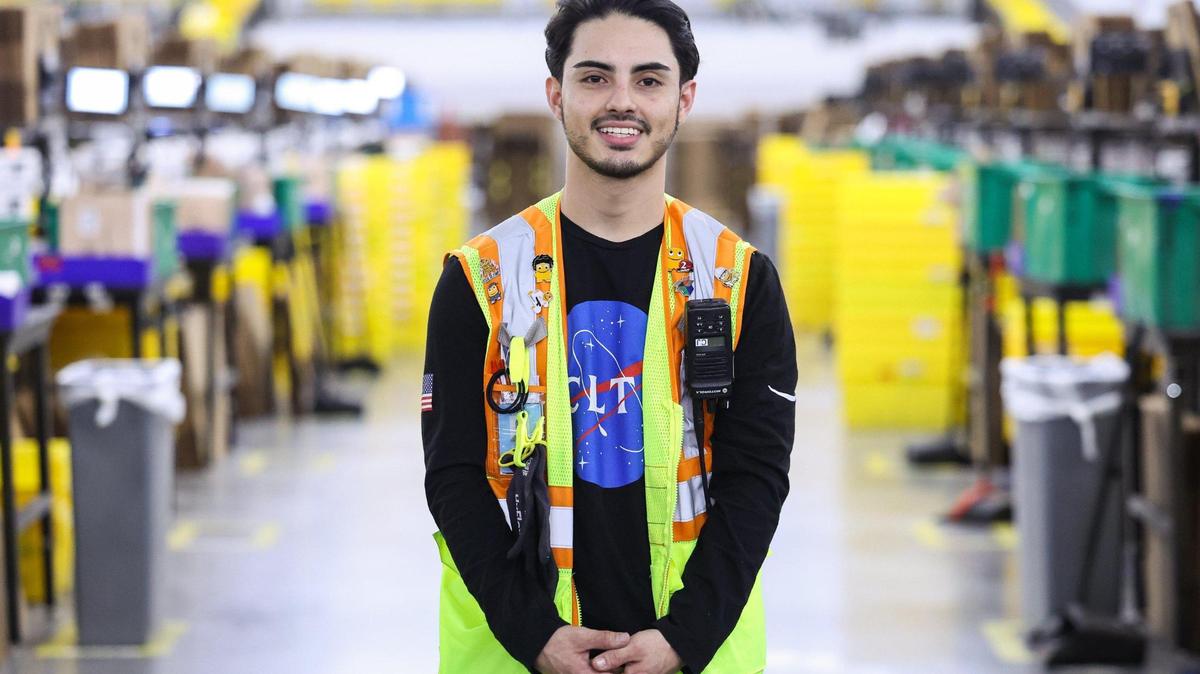
This Charlotte Amazon warehouse manager works to get your packages delivered on time
‘No day is the same’: Why a CATS light rail operator says the one-man job is fulfilling
Five to six rides per day. About 60 minutes each way. All over Charlotte. That’s the usual workday for some CATS light rail operators.
It’s a very independent job, with operators usually being the only CATS employees on board during their shifts. But Michael Wilder, one of the dozens of light rail operators, says it’s fulfilling.
“You’re giving back to the community,” Wilder told The Charlotte Observer. “The day-to-day, helping people out, getting workers to and from. It’s a fulfilling job.”
The light rail has become a staple in the community for those traveling in and out of different neighborhoods in Charlotte, especially for bigger events and on game days, which Wilder says he enjoys a lot.
“I love to ride through the South End,” he said. “Much more growth to the city here, and it keeps me entertained while going back and forth on the same alignment over and over.”
A day in the life
Right now, Wilder says his days start from 6-6:30 a.m., but it depends on the day and the routes he picks up. He operates about five to six rides per day that are each roughly an hour long that take him all over the city, from South End to the University City area.
Rail operators manually operate track switches that make each train stop and go, and other equipment. They are also responsible for performing vehicle inspections, helping board passengers if needed, advising passengers of rules and regulations and reporting any accidents or issues. The operators are the only CATS employees on board during rides unless there are other new employees training. Otherwise, they only see other colleagues when they report to work or switch off with other operators during their scheduled breaks.
Wilder has been with the company for four years. Before being a light rail operator, he worked at a high school but he says he made the career switch because of the benefits that come along with the job, including the flexibility with choosing his schedule.
“When I found out about the city benefits, the city retirement plus the pay, it was something I couldn’t pass up,” he says. “It’s the best of both worlds. It’s white-collar pay, blue-collar job.”
According to the city of Charlotte’s online job board, the annual salary for light rail operators is $50,291 along with other benefits that include career training, paid leave, education assistance and reimbursement for college courses.
Aside from the benefits, Wilder said he’s also grateful that he’s able to have a work schedule that still allows him to spend time with his wife and children.
“Never underestimate the time that you spend with your family,” Wilder said. “I’m glad to be able to gain seniority the way I did and choose hours that I can work around my family and spend time with my kids.”
‘A very highly safety-sensitive job’
Although he has the same ride schedule during the week, he says there are difficult parts of the job, too, that many may not be aware of.
“It’s a very highly safety-sensitive job, and it’s really demanding mentally. People don’t realize this,” he explained. “Things could go wrong and you could be responsible for a lot of lives, so you’ve got to stay focused on what you’re doing.”
CATS has been under scrutiny after news of a May 2022 derailment of a Blue Line train came to light last month. Ridership is down, and bus operator absenteeism could lead to job cuts, the Observer has reported.
Several former transit leaders have spoken out about the recent issues, including former CEO John Lewis, who said an internal change jeopardized long-term passenger safety and led to ordering delays, and Ron Tober, the first CEO of CATS, who blamed Lewis and the most recent executive team.
Last month, mayor Vi Lyles said news about CATS’ structural and operating mishaps make it a perfect time to begin considering a regional transportation authority, The Charlotte Observer reported.
Big hopes for light rail system
CATS and the city of Charlotte have talked for years about light rail expansion, with plans for a Silver Line that would run 26 miles east to west across the city from Belmont to Matthews still in the planning stages. As someone who was born in Cleveland County, now lives in Gaston County and has seen limited public transportation options in both, Wilder said he supports the idea for public transportation growth in Charlotte.
“To me, looking at the city wanting to grow and be a major city in the United States, having a light rail system in place kind of ups the ante, puts you on a bigger stage, in a bigger spotlight,” he said. “The more transportation availability that a city has, like Charlotte, the more it’s going to grow and the more people are going to want to come.”
This story was originally published April 26, 2023 at 6:00 AM.