A crap job: Meet a woman who oversees your poop’s journey through Charlotte’s water
READ MORE
The people who make Charlotte run
See what a day in the life looks like for some of our “unseen Charlotte” workers.
Expand All

From crime rates to traffic and library books: Daily life in Charlotte by the numbers
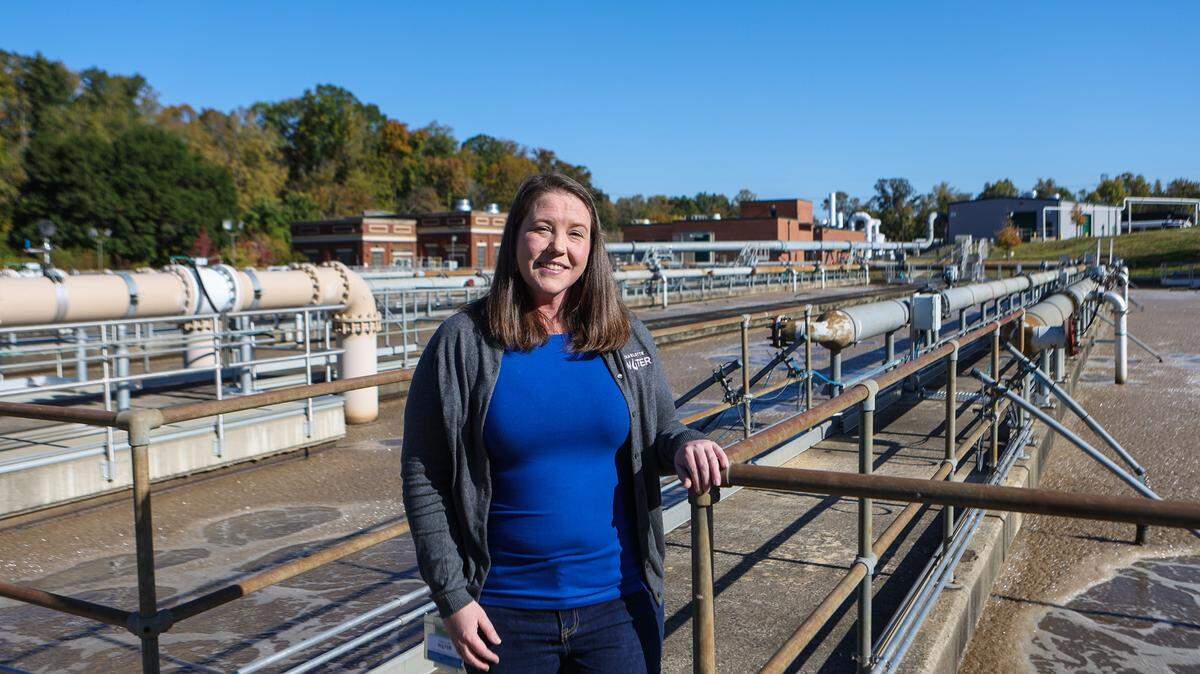
A crap job: Meet a woman who oversees your poop’s journey through Charlotte’s water
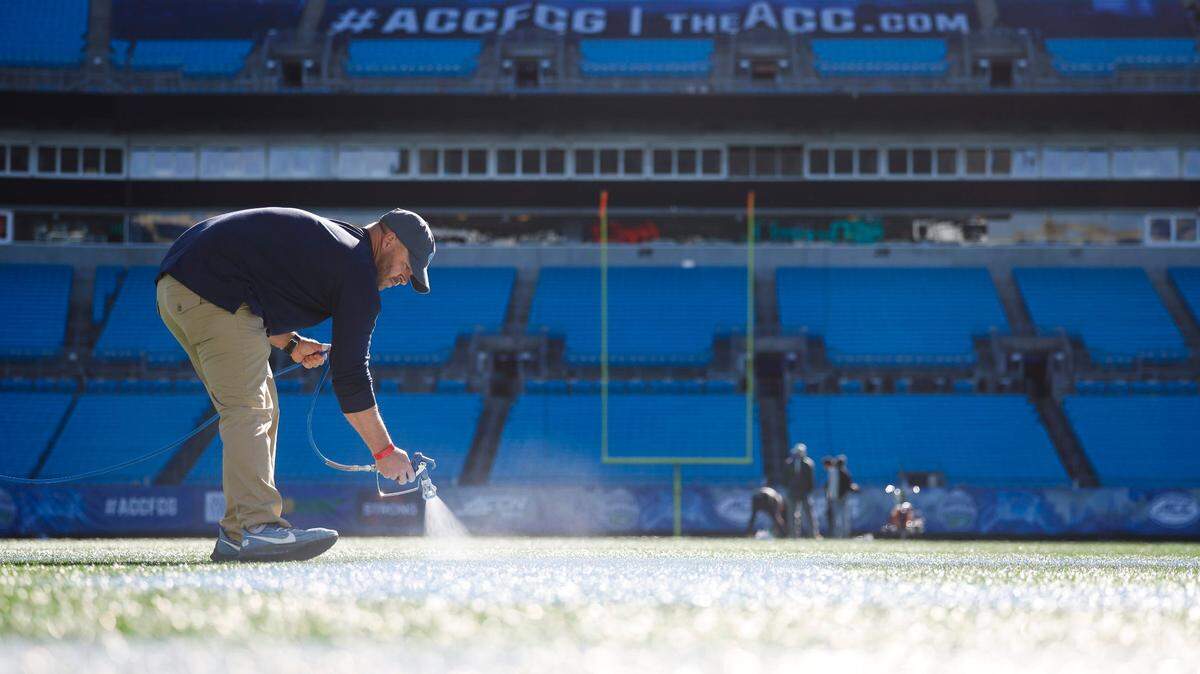
Bank of America Stadium groundskeeper curates the white lines athletes work between
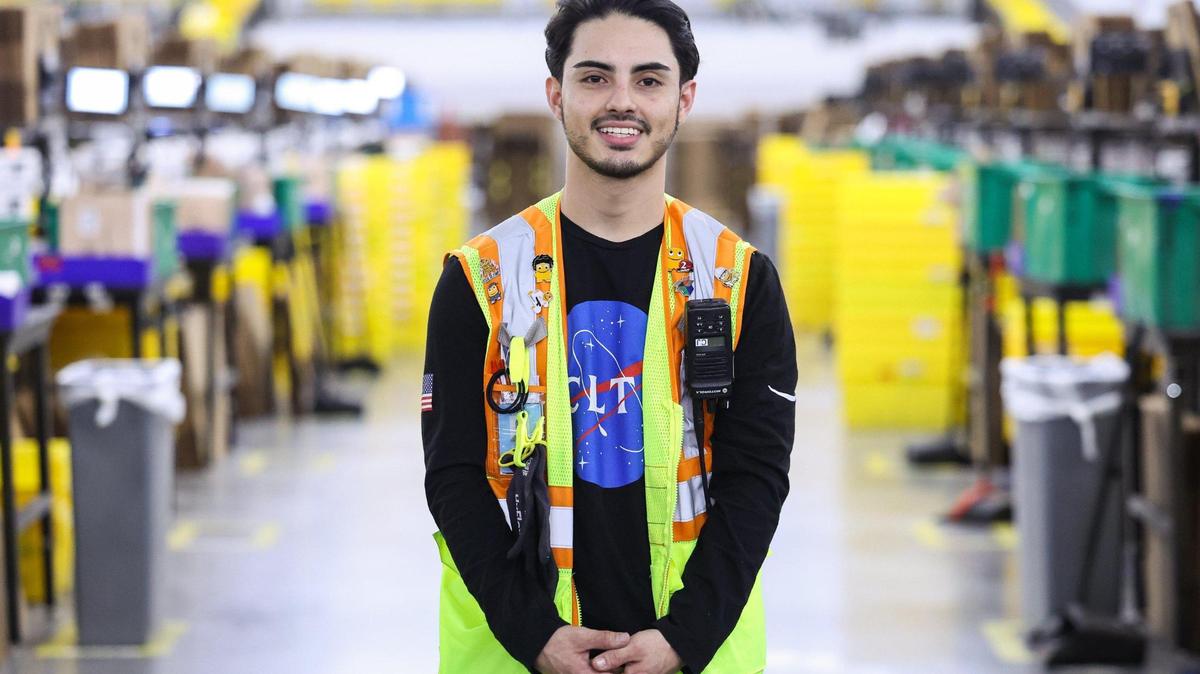
This Charlotte Amazon warehouse manager works to get your packages delivered on time
‘No day is the same’: Why a CATS light rail operator says the one-man job is fulfilling
No one really likes to think about where their poop goes after they flush the toilet — but Nicole Bartlett ponders it a lot. After all, as the book says, everyone poops.
Bartlett is an engineering division manager at Charlotte Water.
In her role, Bartlett manages large water and sewer projects in the city, including pump stations, pipelines, water treatment and wastewater treatment plant projects — but that wasn’t her original career plan.
Bartlett had her sights set on a career in genetic engineering, but she changed her mind after completing a few summer internships at the South Carolina Department of Health and Environmental Control while at Clemson University.
“I found I had more of a passion for environmental engineering, so that was what I pursued,” Bartlett said.
Bartlett’s first job out of college was with a company that did design for municipal water and wastewater plants. Then, she found a job with Charlotte Water.
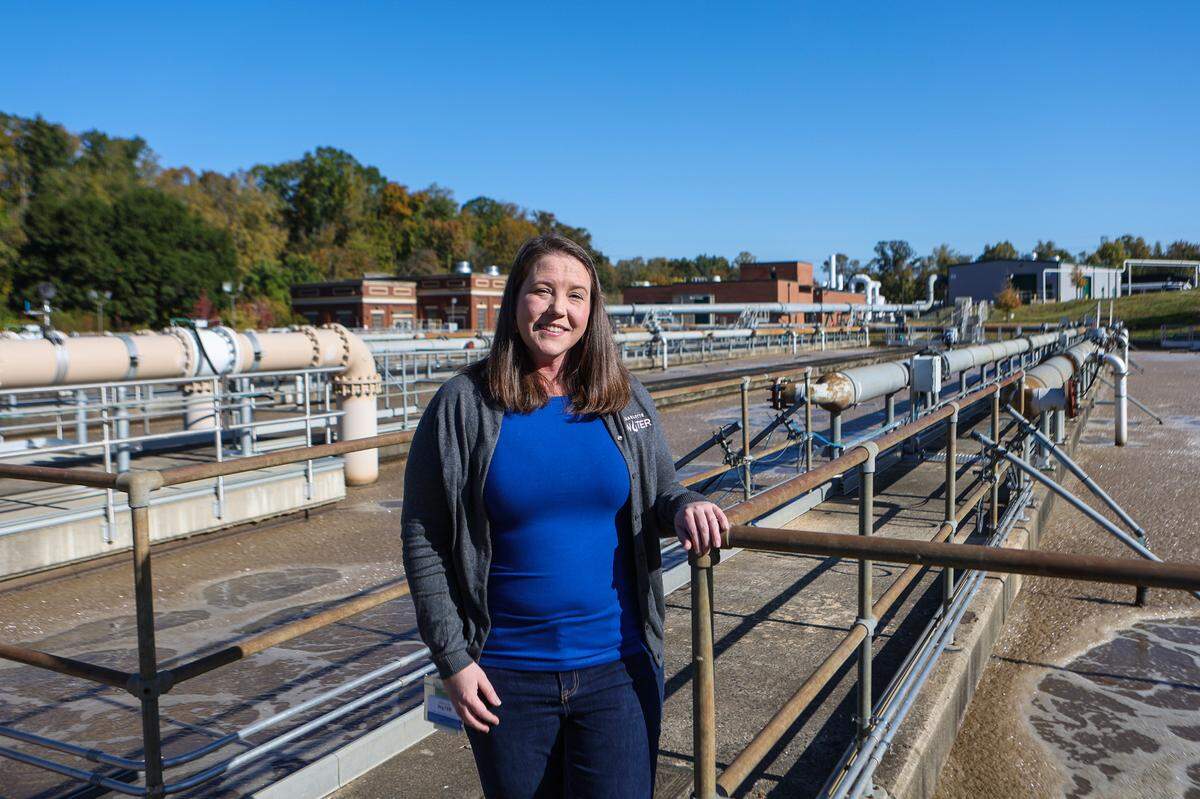
So, where does your poop go?
Bartlett said the “ultimate goal” of a wastewater treatment plant is to create two streams: a clean stream that gets returned to the environment, and “solid stream,” which consists of everything that gets cleaned out of the water.
When wastewater first arrives at a treatment plant, it goes through screens with quarter-inch holes that filter out any solids, Bartlett said.
“The water then flows through primary clarifiers, so anything that floats gets taken off the top,” Bartlett explained. “There will be solids that sink to the bottom, so those things get separated out towards that solid stream and the overflow continues.”
The waste then goes to aeration basins, or treatment ponds, where microorganisms “start eating the nitrogen and phosphorus” in the sludge, Bartlett said. This kind of discussion on discharge may make many queasy, but it’s a fascinating science for Bartlett.
“The clean water then proceeds toward filters, where it goes through through smaller and smaller openings,” to remove any remaining solids, Bartlett said. This might be the kind of topic that makes others queasy, but it’s simply fascinating science for Bartlett.
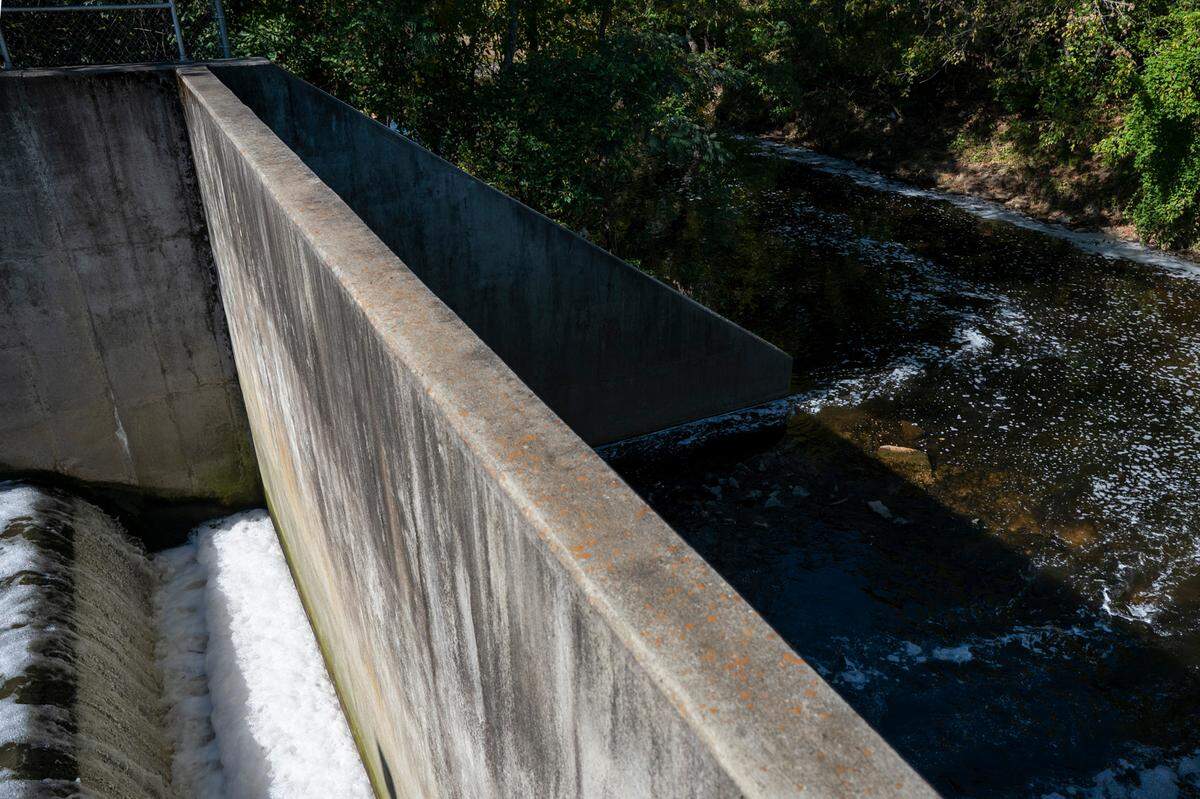
After the biodegradation process, the water needs to be disinfected, Bartlett said. At Sugar Creek Wastewater Treatment Plant, the water is disinfected through a cascade aerator, where the water flows down a set of steps before it goes back into the creek.
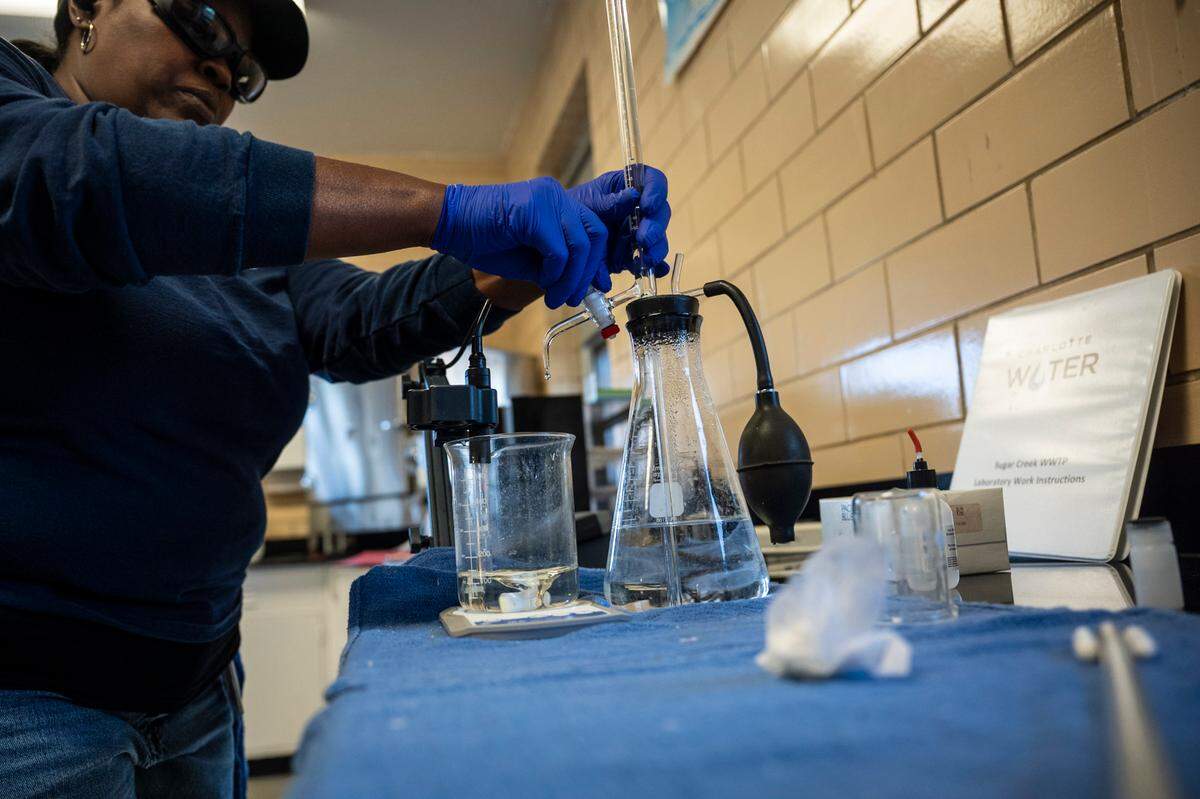
No. 1 in charge of No. 2
Though working at wastewater treatment plants comes with occasional whiffs of feces, Bartlett said the toughest part of her job is coordinating with everyone involved in a project to make sure they know why it’s happening.
Bartlett and her team finished the design phase of Stowe Regional Water Resource Recovery Facility in late 2022, she said, which will serve western Mecklenburg County and eastern Gaston County to accommodate projected population growth in those areas. Construction on the first phase of the project is currently underway and is scheduled for completion in 2026.
The new facility, scheduled for completion in 2024, is anticipated to process 15 millions gallons of wastewater per day, operating 24/7, according to Charlotte Water.
Charlotte Water is also developing a multi-component community benefit project that will be constructed on the land outside the facility, which will include an educational walking trail and a collaborative STEAM education partnership with local schools.
With a number of other upcoming projects form Charlotte Water, Bartlett said her favorite part about the job is being involved in large construction projects that help the bowels of the city run smoothly.
“My absolute favorite part is the big machinery during construction,” said Bartlett. “I love getting to be a part of that.”
This story was originally published April 26, 2023 at 6:00 AM.