
Charlotte is a draw for young Black professionals like me, but something is still missing | Opinion
Editor’s note: Charlotte is fast becoming a hub for young Black professionals. So we asked Alesha Brown, a Charlotte transplant and lawyer who operates a nonprofit here, to write about what drew her to Charlotte.
As a young Black professional from the South — Charleston, South Carolina, to be exact — I can say that Charlotte was a nearly perfect choice when I decided to move back down South after pursuing my legal education and beginning my legal career in New York City.
As appealing as New York City was for a young student in her early 20s, I knew I wanted to move back down South to escape the brutal winters and tiring daily commutes. But I didn’t want to return to South Carolina. So, what better way to get closer to family and friends in South Carolina than to move to Charlotte — a growing city that had a promising career path for a young Black civil rights attorney and advocate like me.
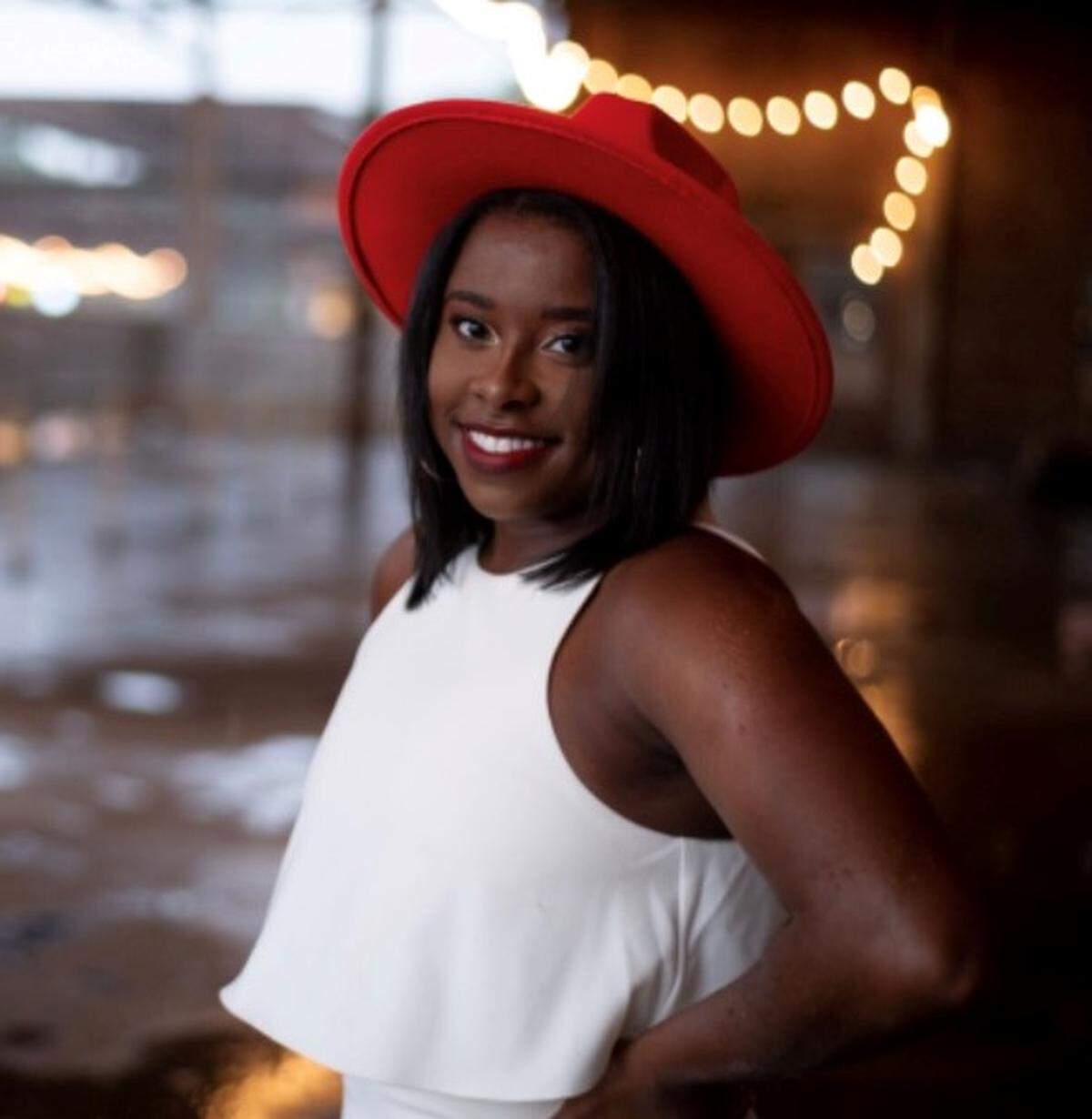
Charlotte’s rich Black history was morally and aesthetically pleasing to me. The historical sit-ins in Charlotte’s West End and the activism of the incomparable Julius Chambers were not only compelling, but they were critical to my decision to relocate to Charlotte.
When I decided to move here, I knew I needed to learn more, so I could be ready to do more. After doing more research about Charlotte’s history and Black culture, my thoughts of relocating to Charlotte quickly became thoughts of strategy on how I could make a difference with and for Black communities.
I made the move in 2017, and I knew almost instantly it would be home. I knew there were many issues facing Black communities that would keep me busy as I continued the fight for racial and social justice. I knew what had occurred in other predominately Black areas like Harlem and Brooklyn — namely, the privileged erasure of history and culture — would surely occur in Charlotte if there weren’t intentional and strategic preservation efforts in the growing city’s historically and predominately Black neighborhoods.
I knew that there was a lot of work to do in the growing Queen City and I knew I wanted to be a part of those efforts.
I knew there was a struggle amongst folks who were visibly fearful of losing their homes for the same reason I wanted to move to Charlotte in the first place — because of its growth. I knew that many people who were at risk of losing their homes looked like me and could use another voice to help them fight.
And, that is why I chose to stay.
I chose to stay to do the work that needed to be done to help Black folks preserve their homes, history, culture and neighborhoods because far too often “growth” is a death sentence for the preservation of Black land, culture and wealth. It’s why I founded a nonprofit called For The Struggle Inc.
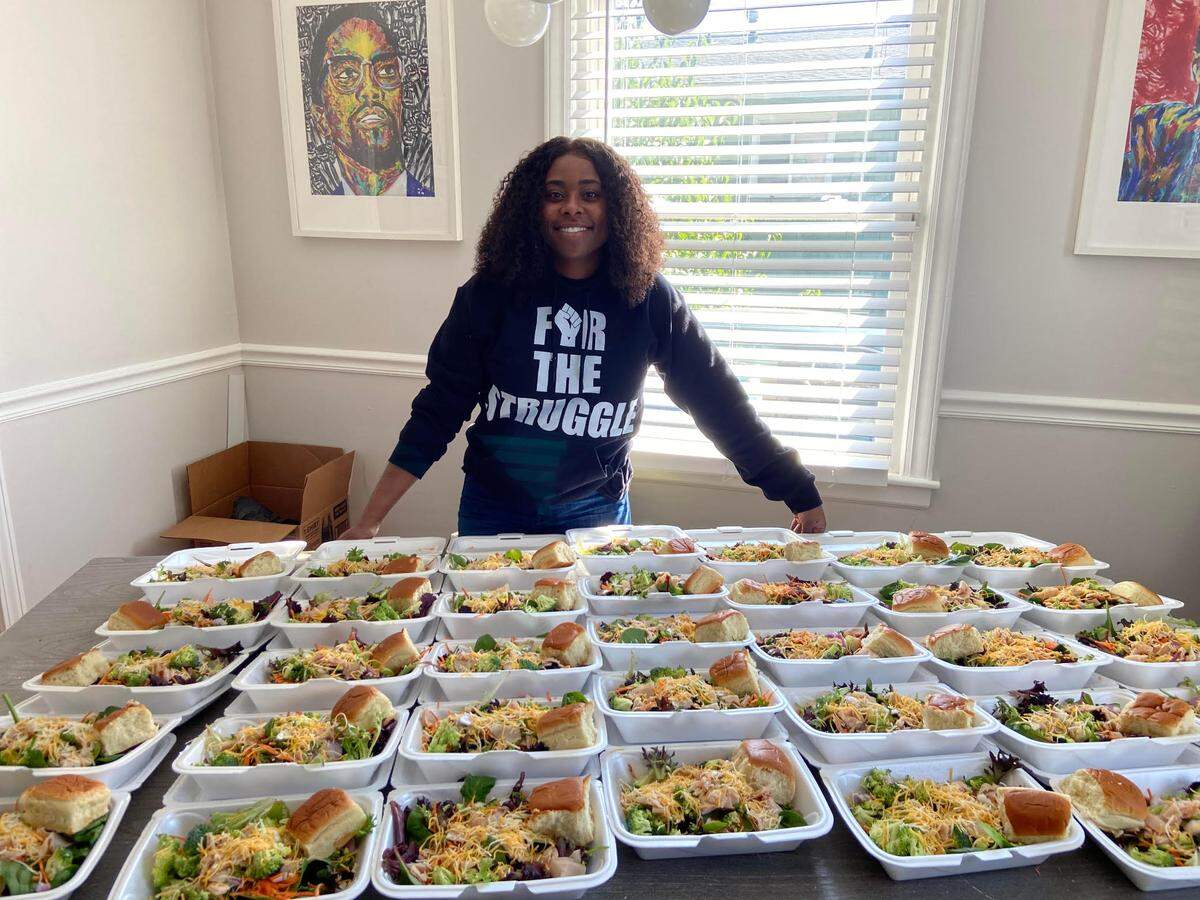
After working as counsel to the New York City Council’s Civil Rights Committee during my time in New York, I experienced firsthand the amount of progress a governing body could make when it was intentional about addressing racial and social issues. I was excited to move to Charlotte at a time when many Black candidates were running on Black issues to win elected seats.
Unfortunately, I quickly learned that just because they ran on Black issues did not mean they were willing to intentionally address Black issues once elected. This is what Charlotte is missing — elected officials intentional about fighting for racial and social justice.
Areas like Historic West End don’t need politicians who are merely concerned about their next political move. These areas, which have been overlooked and under-resourced for far too long, need true leaders.
We need genuine leaders. We need leaders who care about people more than politics. We need leaders who will advocate based on the needs of their constituents, not the needs of the developers funding their campaigns. We need intentional leadership. We need innovative action. We need fearless fighters. We need unapologetic advocates. We don’t need excuses.
Black communities in Charlotte need more. We deserve more.