Charlotte YMCA leaders view 150th as chance to be more than a ‘fitness center.’ How?
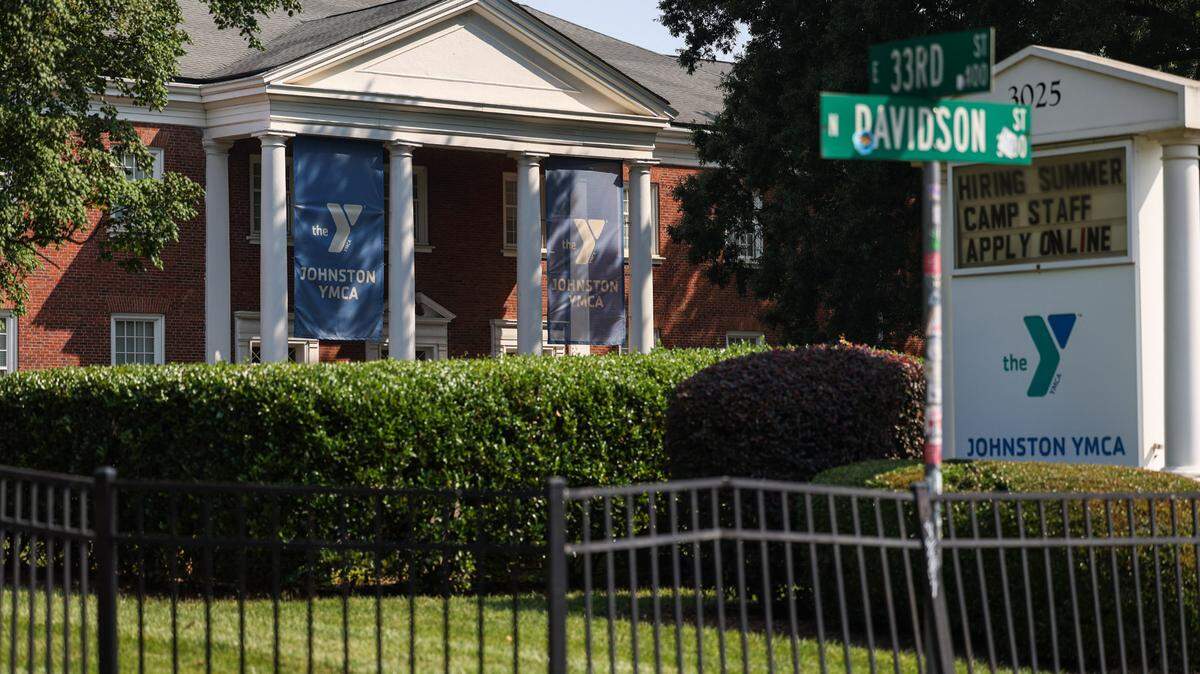
As the YMCA of Greater Charlotte celebrates its 150th anniversary, the organization’s leaders are focused on the next 150.
What began as the Charlotte Association in November 1874 now boasts more than 15 branches, camps and an arts center. Its story has been closely linked to Charlotte’s for more than a century: from helping soldiers training at Camp Greene during World War I to the COVID-19 pandemic and navigating the region’s rapid growth.
This month’s celebrations have included a gala and the Charlotte skyline lighting up blue and purple to honor the YMCA.
For CEO Sue Glass, who became the first woman to lead the YMCA earlier this year, it’s “an incredible honor and a profound responsibility” to be at the helm for such a milestone. One of the problems she wants to address: “an epidemic of isolation.”
“Ever since its inception as an organization, it was really dedicated to improving lives and transforming lives, and we’ve been able to do it through different means throughout history,” she said of the Charlotte YMCA. “At this juncture, we’re answering the call: what does it mean for the next 150 years?”
150 years of history
When the Charlotte YMCA began, fewer than 5,000 people lived in Charlotte and 25,000 in all of Mecklenburg County.
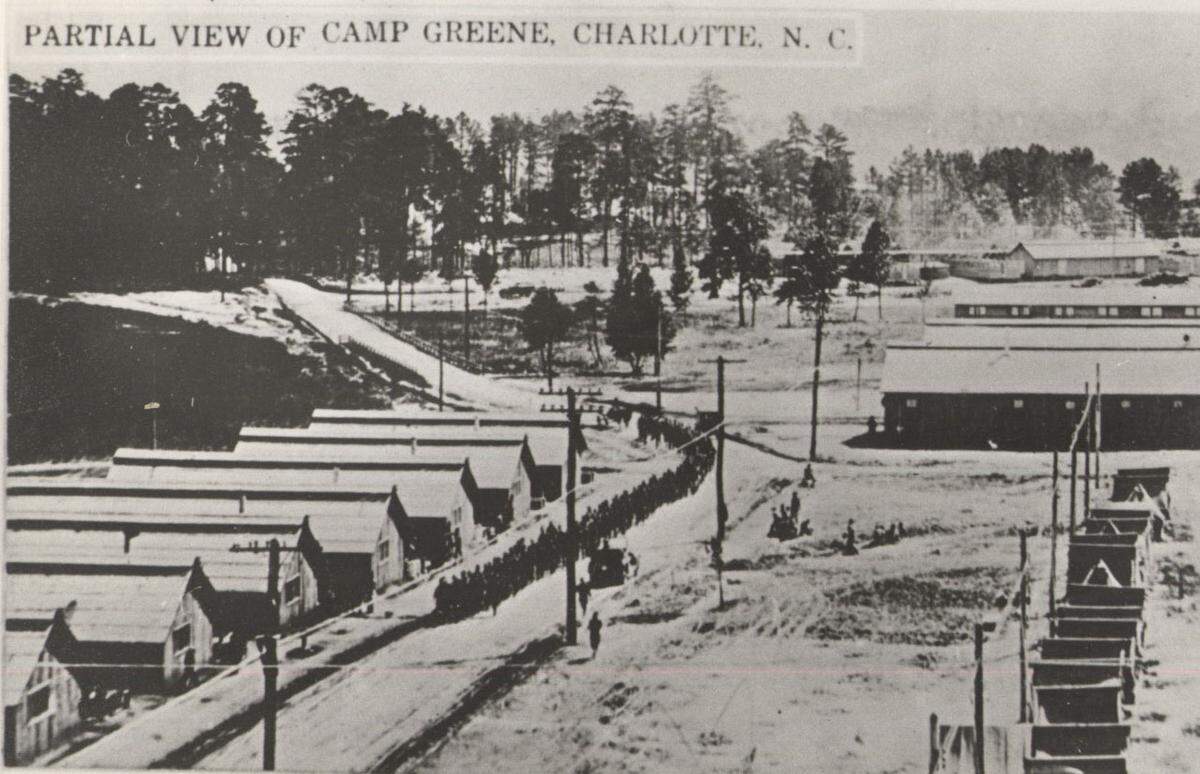
In its first 50 years, the organization started Charlotte’s first public pool, gym, auditorium and library, former CEO Andy Calhoun said. When thousands of soldiers arrived in Charlotte in 1917 to train at the newly formed Camp Greene before deployments to Europe in World War I, the YMCA made sure they had books, movies, magazines and stationery to write home.
“That’s been a tradition, stepping up to meet needs,” said Calhoun, who retired in 2016 after more than 40 years with the YMCA.
Calhoun, CEO of the Charlotte YMCA from 2000 to 2016, told The Charlotte Observer he’s proud of many achievements from his tenure, including raising more than $100 million, opening branches with hyperlocal leadership to meet neighborhood needs and launching the Y Readers program, which helps elementary school children struggling with literacy learn to read at our above grade level.
The more poignant memories are more personal.
Growing up the son of a single mom, spending time as a camper and eventually a counselor at the YMCA’s Camp Cheerio was a transformative experience for Calhoun.
“It changed my life,” he said.
In 2001, he watched crowds of people spontaneously show up at branches as news broke of the Sept. 11 terrorist attacks.
“Everybody was scared,” Calhoun said. “We were watching people walk into the building that might have been home working alone, or wherever they were, and they felt lonely. They needed community. And people have always known they’ll have community at the Y.”
‘A celebration of our future’
Despite his role as an “unofficial historian” for the Charlotte YMCA, Calhoun is as excited about what comes next.
“It’s a celebration of our future,” he said of the 150th anniversary.
The YMCA must adapt, he believes, as Charlotte continues to grow and faces challenges from private companies and changing consumer habits cutting into the fitness industry.
“What we offered 15 years ago is irrelevant,” Calhoun said.
A guiding question for Glass as she develops her plan for the YMCA’s future: “How do we reposition ourselves to be more than just a fitness center?”
“Right now our country is facing, as I call it, an epidemic of isolation. It has become the issue of our day,” she said. “And I truly believe that the Y could be the antidote for the lack of social connectedness that we’ve experienced over the last 10 years.”
More teens and adults in Mecklenburg are experiencing depression, suicidal thoughts and “not good” mental health in recent years, County health director Dr. Raynard Washington reported earlier this year. National studies show similar trends, especially among young people.
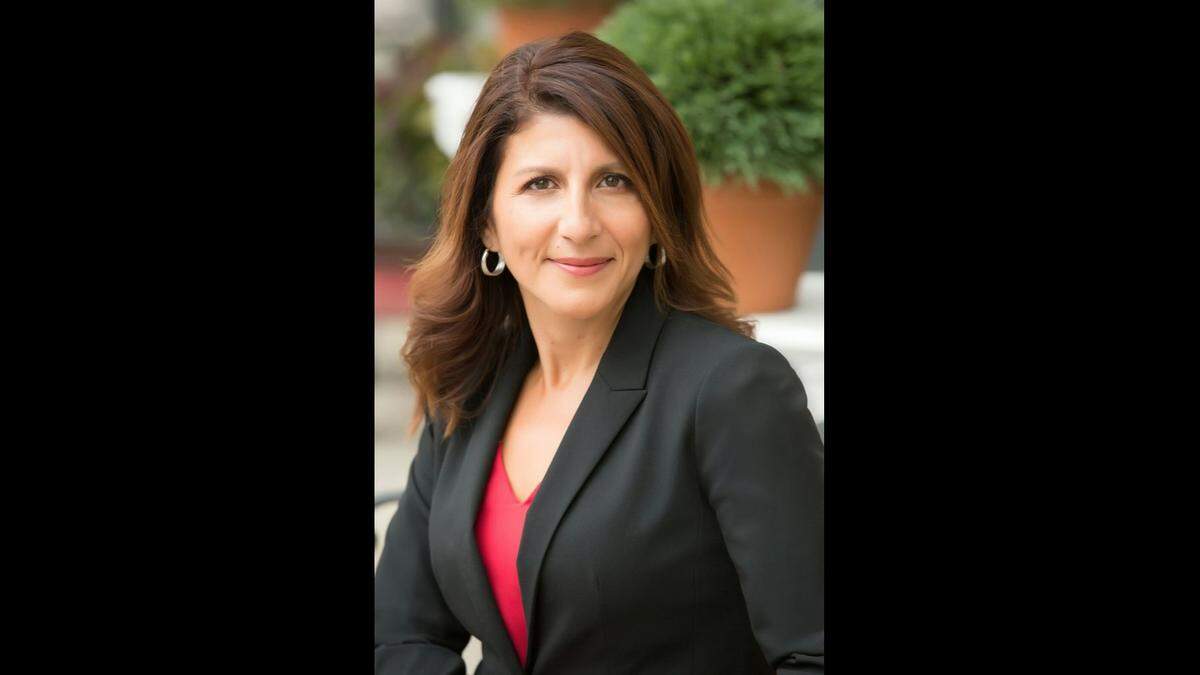
Glass, who was recruited from the Denver-area YMCA, took over the Charlotte YMCA in January at a time when it was still getting its bearings post-COVID-19 pandemic.
The Charlotte YMCA’s revenue fell from $100 million in 2019 to $78.1 million in 2020, $71.8 million in 2021 and $75.8 million in 2022, according to ProPublica’s database of nonprofit financials. After reporting a deficit in 2022, it explored selling the Johnston YMCA in NoDa in 2023. After community backlash to that proposal, the organization instead sold two Lincoln County branches to the Catawba Valley YMCA system.
Glass says the YMCA can grow its membership, including drawing in new residents and younger people, by expanding its family and youth programming.
“As an organization, it’s going back to the basics,” she said.
She’s also eager to develop more community partnerships and “leverage” the YMCA’s plentiful real estate to help more Charlotteans get access to health care, workforce housing and healthy food. The organization, for example, put part of an $18 million donation from philanthropist MacKenzie Scott into a new clinic at the Stratford Richardson YMCA in partnership with Atrium Health.
“The YMCA is really committed to leveraging partnerships. We, as an organization, recognize that we can’t address anything on our own, and that in some respects, we do not have the expertise,” Glass said.
The YMCA is also committed to serving Charlotte’s increasingly diverse population, she added.
“We have an opportunity to be an organization that is inclusive, and we’re doing that through really meeting people where they’re at, loving them as they are and being able to provide them the services that they need, regardless of socioeconomics or their beliefs … We are an organization for all.”
This story was originally published November 28, 2024 at 6:00 AM.