Life inside the Charlotte region’s most densely populated neighborhoods
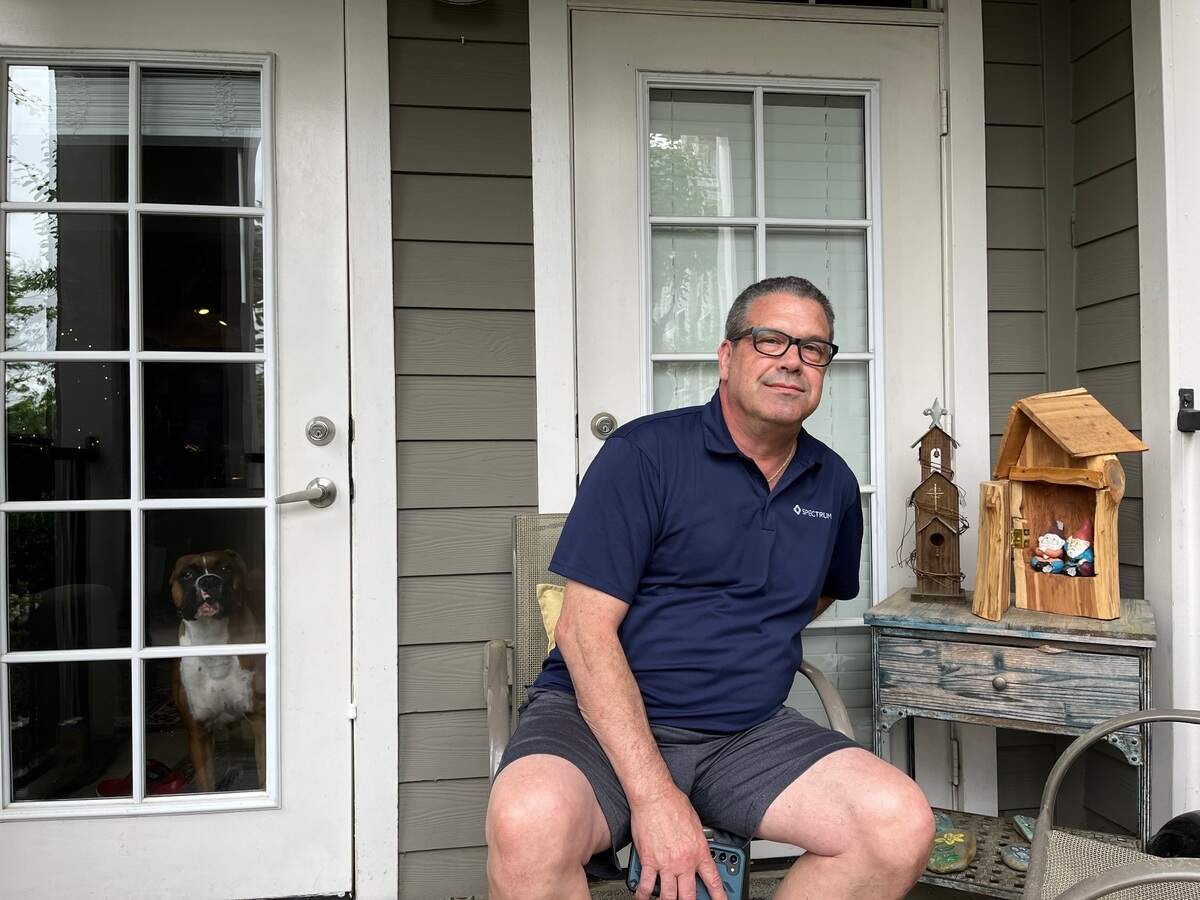
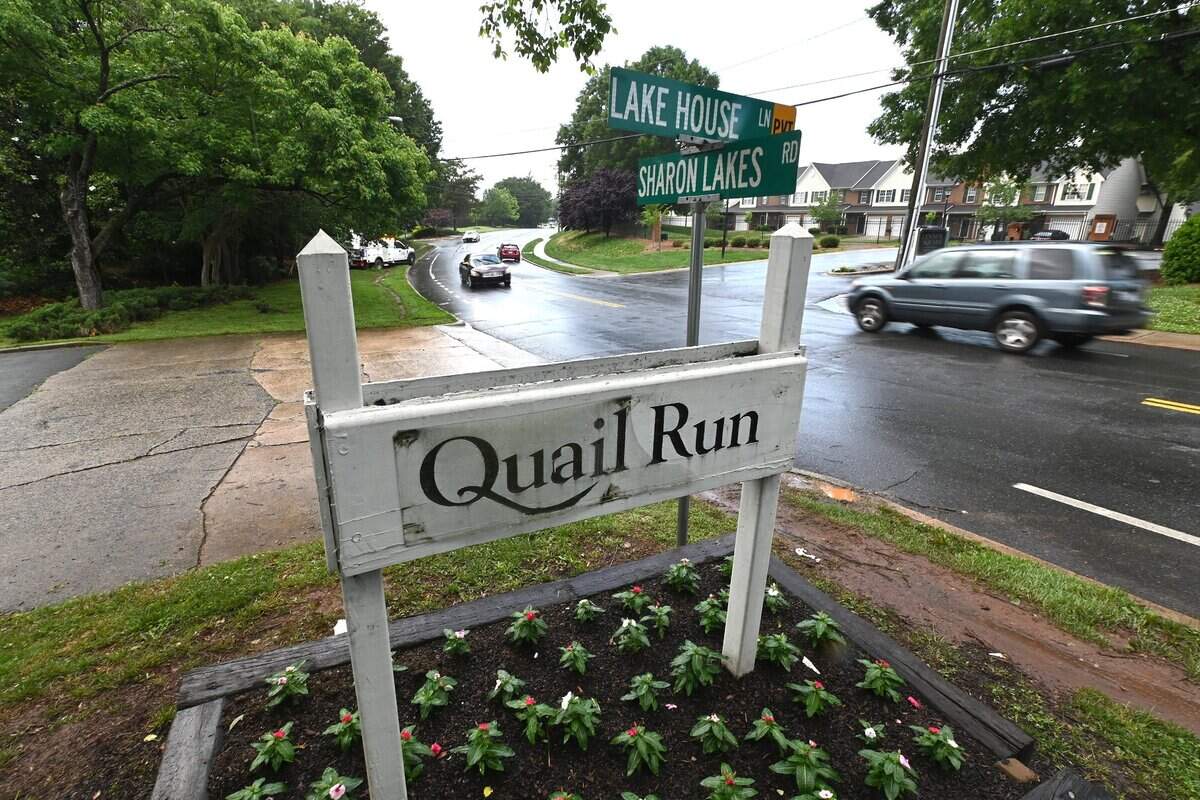
About five years ago, Joe Creed moved to the Quail Run Condominiums along South Boulevard and Sharon Lakes Road. The lure was the low cost and the walkability.
“I don’t know how long ago, but someone figured out exactly how convenient this area was... Quite a few people did,” Creed said.
He’s right. That area is packed with almost 1,600 apartment units and condos in a 0.3 square mile radius. That makes it one of the most densely populated communities in Mecklenburg County, according to a McClatchy analysis of the latest census data.
Looking at census tracts (small geographic boundaries) from the U.S. Census Bureau’s five-year American Community Survey covering 2019-2023, The Charlotte Observer and The Herald found the most densely populated areas in Mecklenburg and York counties. (Another census tool, this one from 2020, allows you to zoom in on any county or census tract to check local population density: https://maps.geo.census.gov/ddmv/map.html.)
The densely populated communities are in neighborhoods with public transportation, major roadways, grocery stores and restaurants. And some of these areas were already packed long before the current housing construction boom.
So where are these densely populated neighborhoods in the Charlotte region and what’s it like living there? We headed to several of these communities in Mecklenburg and York counties to find out.
How does the Census Bureau determine density?
First, a brief lesson on census lingo to explain how we get population density.
Each census tract varies in size, typically covers about 4,000 people and is reconfigured every decade based on population shifts.
Mecklenburg County has about 300 tracts and York has about 55.
Population density is calculated by dividing the total population of an area by its total land area (usually in square miles).
For example, the most packed area in Mecklenburg County is census tract 1.03 in uptown. The 0.01 square mile tract is bordered by the light rail and North Poplar, West Trade and West 7th streets. It has a population of about 2,000 people but a population density of more than 29,000 people per square mile.
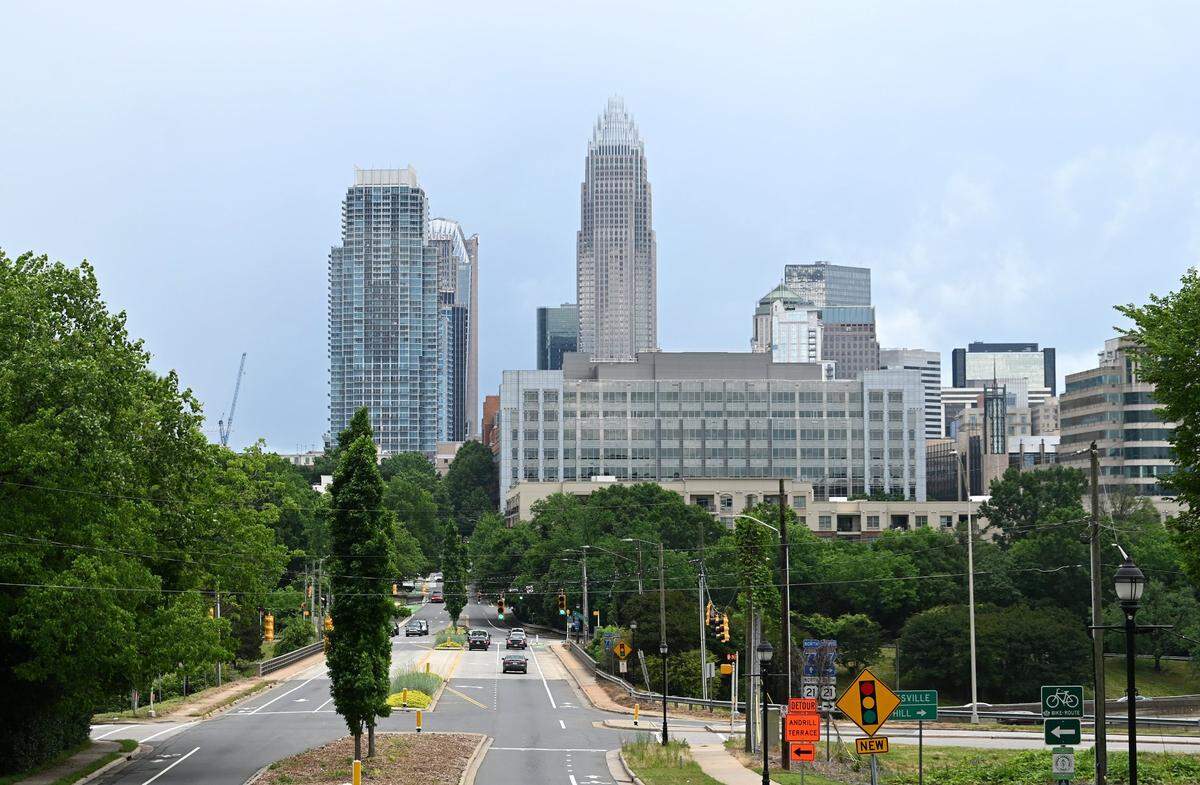
That’s a one-off number and would occur only within downtown areas with high-rise, multifamily buildings, according to Katie Zager, a research associate at the Charlotte Urban Institute.
On average, Mecklenburg County is home to 2,160 people per square mile and York is less densely populated at 424 people.
A tale of uptown and South Boulevard
Mecklenburg’s most densely populated areas are in uptown and along South Boulevard around the Starmount Forest neighborhood, , the papers’ analysis found.
Those areas have a population density of 8,000 people or more per square mile, nearly quadruple the county average. Several tracts reach beyond the 14,000s, a little over six times the average.
That uptown tract with a population density of 29,000 people per square mile is home to The Vue Charlotte, the tallest residential building in the state at 51 stories. But on a recent rainy evening, the area was pretty empty.
Chelsea Russo lives in Denver but her partner lives in The Vue, and is frequently in the area. She said while the apartment building has more than 400 units, it doesn’t feel like she’s constantly surrounded by people, even when the weather’s nice.
“It feels desolate for a moderately big city,” Russo said. But the nearby amenities are worth living in uptown, she added.
“Everything is within walking distance,” Russo said. “The supermarket, the light rail. It’s convenient.”
Heading south to where Creed lives in Starmount Forest, census tract 31.09 is bordered by South Boulevard, Sharon Lakes Road and Sharon Road West. It has a density of 14,500 people per square mile.
The area has several low-rise apartment and condo buildings.
Quail Run, for example, has 301 units. Nearby Anson at the Lakes Apartments has 694 units, Aurea Station has 384 units, The Reserve at Waterford Lakes Apartments has 140 units and the Sharon West Apartments has 72.
“Yes we’re packed in,” Creed said. “Don’t get me wrong. It’s well planned. There are a lot of pieces but the roads are nice. Appearance-wise it looks decent and it looks like there’s room.”
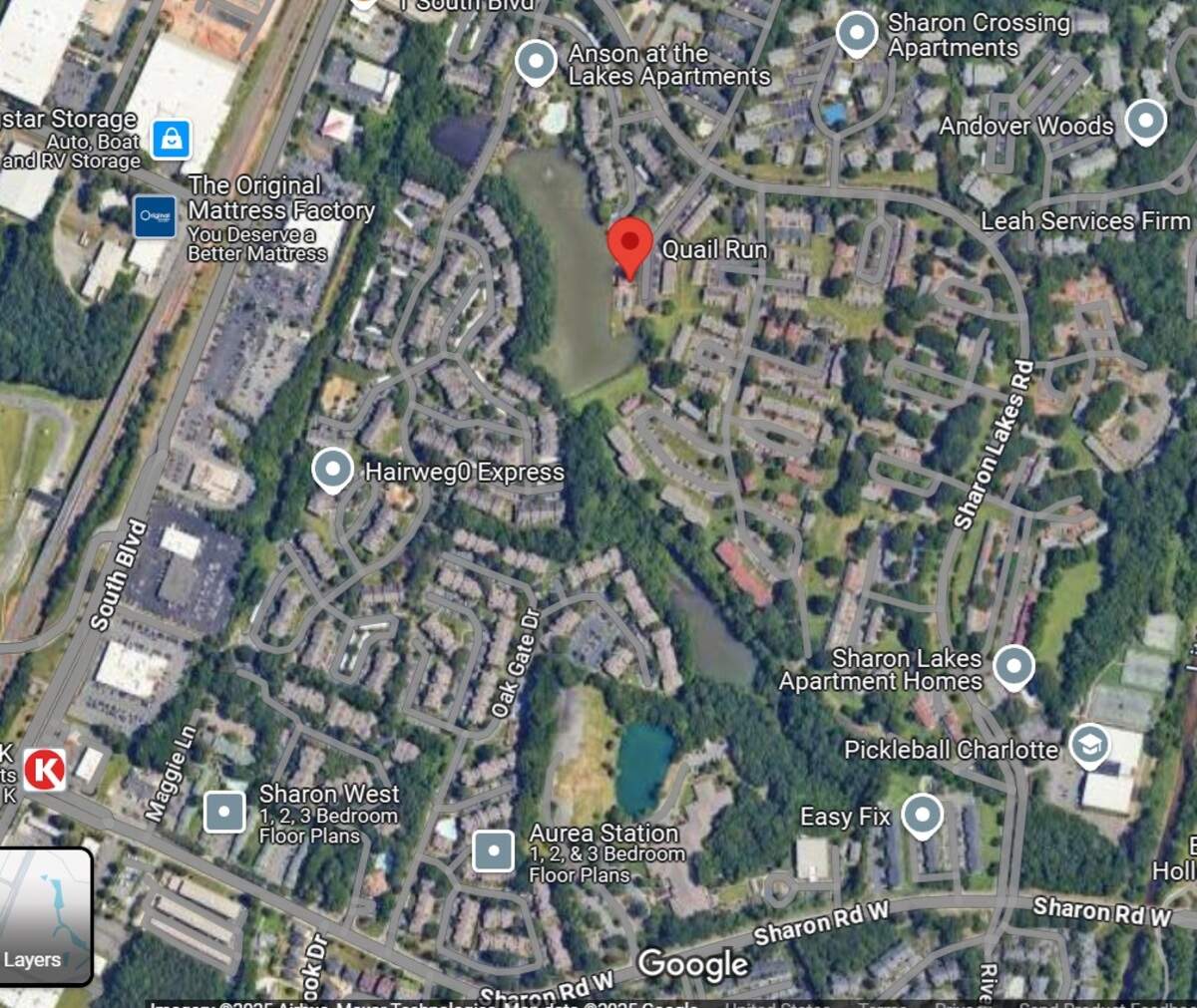
All of these housing units have been in the area since before the 1990s, Creed said. And while there’s plenty of people, there’s also plenty of amenities.
“I think one of the reasons this particular neighborhood is so dense is because it’s convenient to everything,” Creed said.
Fort Mill and Rock Hill’s densely populated communities
For all the attention on massive new subdivisions in Fort Mill and downtown redevelopment in Rock Hill, York County’s most densely populated places are in some of its most established neighborhoods.
Aside from Winthrop University, where thousands of people move in and out with each school year, the county’s most densely packed community sits north of Cherry Road in Rock Hill. A stretch from Ebinport Road to John Street, reaching north to India Hook Road, has nearly 3,800 people per square mile — almost nine times greater than the county average.
The Meadows off Dorothy Street has 125 duplexes right beside 106 condos at Cherry Farms and Farm Pond Lane. Westminster Towers has more than 200 senior apartments, suites or medical care rooms, and plans to build new cottages.
“When I moved over here, this was the divorced neighborhood,” said Bobby Mathis, who moved to a duplex on Cherry Meadow Lane in 2001. “Most everybody that lived here was either retired people or someone that was newly divorced.”
Units were smaller and more affordable then, he said, compared to other parts of Rock Hill. They still are. Rent averages about $100 a month less there compared to all of York County, according to the Census Bureau.
But Mathis said his home is ideally located.
“It’s near the hospital,” Mathis said. “I’m retired. It’s near a grocery store. That’s real convenient. The fire department is right up the road.”
Two years ago, Mildres Ortais moved from the Dominican Republic to the area, in the Matthews Estates neighborhood. Her son’s father came from New York. Ortais and her family of five have plenty of space and, as several area residents say, it’s quiet.
“The next neighborhood, I don’t know what’s happening there,” Ortais said. “I only know what’s happening here, and the quiet and peace we have here.”
Neighbors who say the cul-de-sacs keep their streets quiet also plan errand runs around rush hour.
But even with the traffic, neighbors find reasons to stay where they are. “A better life for my kids,” Ortais said. “And here I can have that.”
Traffic spreading around York County
City and road planners throughout York County push for connected streets now, but for decades builders filled their properties with cul-de-sacs. Of the nearly 2,500 homes north of Cherry Road, 64% were built before 1990.
Tonya Ervin moved to a duplex in The Meadows 18 years ago, on one of many cul-de-sacs in the area.
“I guess it’s because I’m Southern,” pointing to the small but well-landscaped space between her home and the next. “I miss having a little piece of a yard.”
Ervin worked at Winthrop University in financial aid nearly two decades ago. Now she works from home. The biggest change she’s seen is the most common complaint from neighbors — traffic.
Years ago Ervin could take a lunch break and zip around to a few spots in an hour. No more.
“If I have to go out, there’s no such thing as zipping around,” she said. “It’s like, you get one store and you’re back because that’s all the time you have.”
Long school pickup lines, large events and new developments make driving a challenge, even as there are many more stores and restaurants to choose from compared to decades ago. It takes much longer for Ervin to get back to her native Sharon, York or Clover in western York County now due to growth in those places.
And that’s using what back country roads are left. “It is nothing like it was,” Ervin said of York County. “It is population everywhere.”
Densely populated life in Fort Mill
The most densely populated area in Fort Mill isn’t one of the massive new developments like Elizabeth, Masons Bend or Waterside at the Catawba. It’s Regent Park.
The northernmost spot in Fort Mill was developed decades ago, known for its proximity to Carowinds and the former Praise The Lord Ministries property founded by Jim and Tammy Faye Bakker.
Connor Newsome moved to Regent Park almost three years ago so his wife would have a shorter commute to Catawba Ridge High School. Highly ranked Fort Mill schools were also a draw for the family, should it grow in coming years.
Fort Mill still gives off as much of a small-town vibe as a community around Charlotte can, Newsome said.
“It is growing as well,” he said. “But that’s just because the footprint of Charlotte itself can’t keep up with the influx (of people). So it’s starting to spread to all the outer areas like Belmont, Gastonia, Matthews, Monroe and all that.”
The more than 2,000-acre Anne Springs Close Greenway provides recreation, he said, and acts as a buffer against more congestion coming to the Regent Park area.
Regent Park has had its challenges, however.
The golf course many homes and condos were built around closed almost a decade ago. Homes and apartments took its place.
Now, there’s concern among many Regent Park homeowners about the planned Silfab Solar manufacturing site to the west. Residents have been vocal with concerns that Silfab will use potentially dangerous chemicals near a school; the company contends it’ll operate safely and according to all environmental rules.
And there’s always traffic, particularly from Carowinds Boulevard where it funnels to one lane nearing Regent Park. Interstate 77 at Carowinds Boulevard is the highest-traffic spot in South Carolina.
“I commute up to Charlotte for work, and it gets so much worse, so I can’t complain,” Newsome said. “I think it’s still at a very manageable level considering how much worse it can get the farther north we go.”
Ayrsley, Ballantyne West and North Charlotte communities
About 78% of Mecklenburg County’s census tracts have a population density of fewer than 4,500 people per square mile , even in high-growth areas near UNC Charlotte.
But some sections are hitting the 7,000- and over mark, or more than triple the average population density. Near the Hidden Valley neighborhood, two areas filled with apartment buildings have a population density of 8,500 and 9,400 people per square mile.
Along a portion of Independence Boulevard in East Charlotte, the population density is about 7,600 people per square mile.
And as much as Ballantyne has grown, most of the area has fewer than 4,500 people per square mile (except for a section in Ballantyne West that has close to 7,000 people per square mile.)
That’s home to the Providence Pointe development built in 2005, which has 425 homes, and the Legacy 521 Apartments built in 2016, which has 248 units.
In the Ayrsley Town Center within the Steele Creek neighborhood, the population density is hitting between 7,000 and 7,500 people per square mile. That’s by design.
The 180-acre mixed use development not only added more than 1,600 residential units but more than a million square feet of office, commercial and residential space, starting in 2003.
Mike Alfano has lived in the Gramercy Square at Ayrsley apartments for 12 years and has seen the area change rapidly.
“All of this was all fields,” Alfano said. “There’s hotels, restaurants, all kinds of things here. I can get my haircut here. Go to the dentist…I think it’s awesome.
“The only thing that bothers me is the prices are going up.”
Density populated areas outside Mecklenburg
The counties surrounding Mecklenburg are a mix of tightly-packed residences, parks, schools and businesses in their most crowded spots.
A Census Bureau density map based on 2020 data showed high-density areas ranged from 1,700 people per square mile in Lancaster County, South Carolina, to nearly 10,700 people in York County, at Winthrop.
The eastern bend in Lancaster County’s panhandle saw the most densely packed neighborhoods on the 2020 map. The area between Jim Wilson Road, Henry Harris Road, Waxhaw Highway and the Union County line envelops the massive Walnut Creek subdivision.
In Union County, a single square mile between Faith Church, Secrest Shortcut and Unionville-Indian Trail roads east of Indian Trail was the most densely populated at 3,098 people per square mile. The area was built up between 1980 and 2000. It has several large churches and fishing lakes, with Arbor Glen and Braefield neighborhood homes wrapped between them.
A stretch of land south of Davidson Highway between Huntersville and Howell Reservoir was Cabarrus County’s most densely populated community. It includes the Moss Creek and Skybrook neighborhoods, and had 4,002 people per square mile.
Robinwood Village and Willow Creek in eastern Gastonia were part of Gaston County’s most densely populated area at 4,473 people per square mile. The East Hudson Boulevard area also has Camber Woods homes, The Arbors townhomes and apartments at Avalon Park and Catawba Creek Villas.
‘Good’ density versus ‘bad’ density
The region’s growth rate remains a hot topic of debate.
The downside to density, said the Urban Institute’s Zager, is increasing it just because space is available. “If your goal is only density and nothing else, then you end up with these big homogeneous housing developments in the middle of nowhere,” Zager said. “That can lead to quality of life problems.”
However, the current densely populated areas in Mecklenburg and York counties aren’t in the middle of nowhere. They’re along light rail stops and in long ago developed areas.
But as the region grows, is there a limit to how many people can be packed into a space? We’ll have to wait for new data sets to arrive to see whether density has grown and if that represents a positive change.
To Zager, density leads to more housing and amenities, and can increase quality of life.
Just ask Creed and his neighbors.
“I can probably walk to two different grocery stores, a Hispanic grocery store and a Harris Teeter,” Creed said. “If I walk out, no matter what direction, there’s a store, restaurant, anything. The bus line is at the end of my block and if I walk up South Boulevard, I’m at the light rail.”
NC Reality Check reflects the Charlotte Observer’s commitment to holding those in power to account, shining a light on public issues that affect our local readers and illuminating the stories that set the Charlotte area and North Carolina apart. Have a suggestion for a future story? Email realitycheck@charlotteobserver.com