How this NC wildlife conservation center cares for the ‘underdogs’
AI-generated summary reviewed by our newsroom.
- Carolina Wildlife Center has rehabilitated 11,000 animals since opening in 2019.
- The center operates with 8 staff members, 30 volunteers and depends on donations.
- Staff treat up to 2,000 injured wild animals annually with intensive onsite care.
Over the winter, a beaver nicknamed Auggie was rolling in a pond, suffering from severe wounds and partial paralysis.
Wildlife rehabilitators at the Carolina Wildlife Conservation Center rescued the struggling creature and took turns spending the night with him. They slept on the emergency room floor with a heater. Auggie received affection along with medical care.
Morgan Rafael was among those who sat up with Auggie.
The 32-year-old started the nonprofit in 2019 to create a rehab center in the Charlotte area dedicated to wildlife. Trained in veterinary technology and zoological medicine, one reason Rafael opened the center was because so many people find hurt wildlife and try to care for them in their homes without the proper resources or expertise.
“There wasn’t a center like this in the area. You have animal lovers who don’t want wildlife around and so I just always wanted to stick up for the underdog,” Rafael told The Charlotte Observer. “It’s the perfect balance to being nurturing, getting to raise babies, but also having a lot of medicine and then also the conservation aspect is important to me.”
It didn’t happen overnight. Rafael also brought injured wildlife into her south Charlotte home workout room for a year before buying a horse farm and converting it into the center in eastern Lincoln County.
The center has 105 acres and 20 outside enclosures to rehab and release most mammals, reptiles and marsupials. The center’s work was in the spotlight recently when it tried to save an injured bobcat caught inside a car grill, the Observer reported. But it encounters dozens of animals in similar life-or-death situations daily.
As of mid-August, the center is caring for 167 animals, mostly four-legged creatures, such as opossums, but also turtles and bats. It takes in around 2,000 animals a year and has rehabilitated 11,000 animals since opening.
Rafael has a staff of six, plus two veterinarians and 30 volunteers. Staff work in shifts, with four people coming in the morning and three in the evening. The center receives up to 50 calls a day and volunteers can sign up to either answer calls from the center’s hotline, or transport animals.
The team works hard: New animal intake begins at 10 a.m., but just last week, Rafael admitted two turtles at 8 a.m.
“We don’t take holidays off,” Rafael said. “The animals don’t know it’s a holiday, so generally holidays are busier because people are out finding animals.”
When people bring injured animals from around the state, the center collects information — how long they’ve had the animal, who touched it and why they brought it in. Each animal is assigned a number and each person gets their animal’s number so they can track its progress online.
People have driven up to four hours one way to bring in an animal, Rafael said.
Funded mainly with donations, the Carolina Wildlife Conservation Center hopes to grow and educate people on the reality of wildlife species, Rafael said. But the center is celebrating some recent expansions.
Caring for the underdogs
Rafael is a licensed wildlife rehabilitator. Despite her background with animals, she shared there was never an urge to work with cats and dogs.
“I always wanted something that was underserved and wildlife is like the bottom of the bottom,” she said.
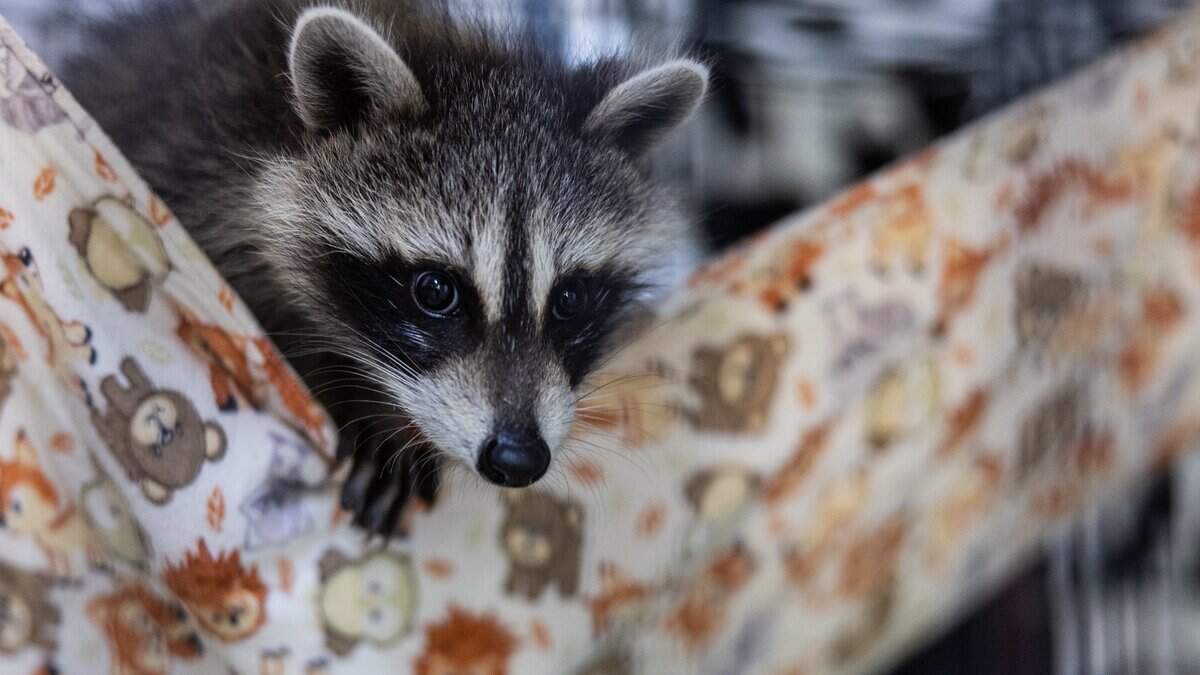
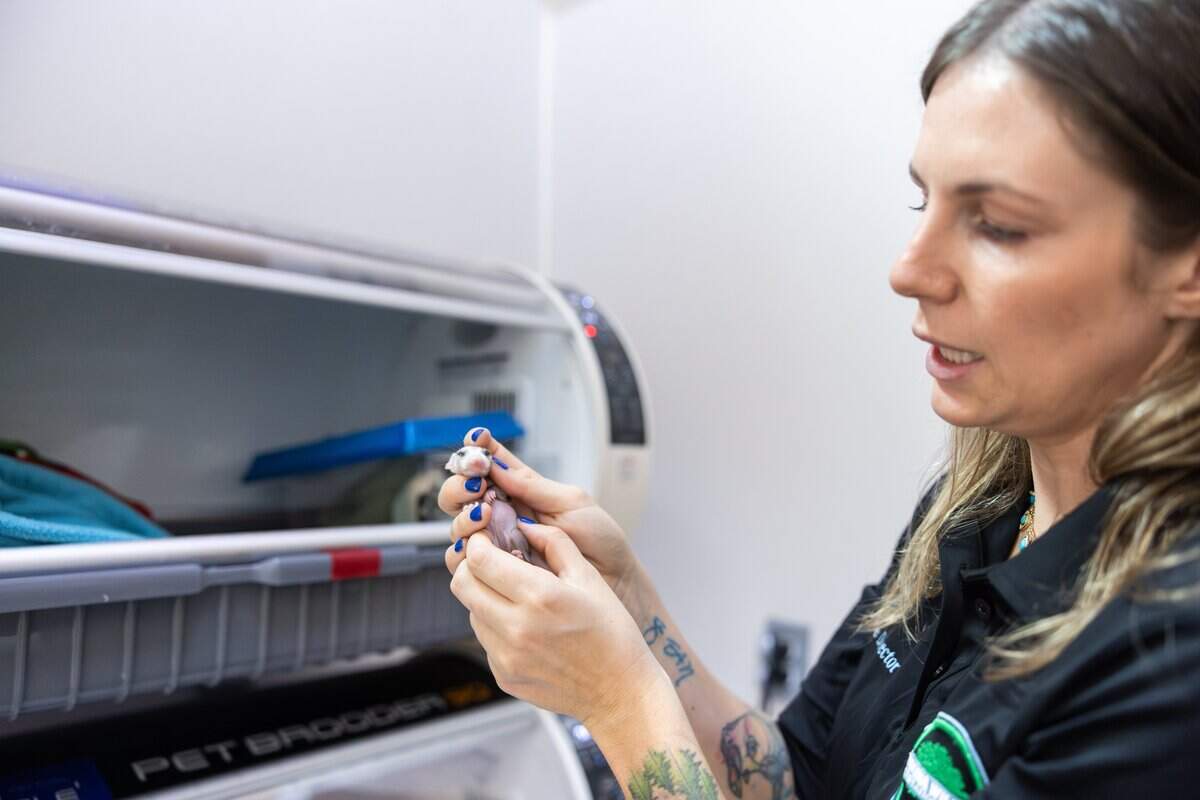
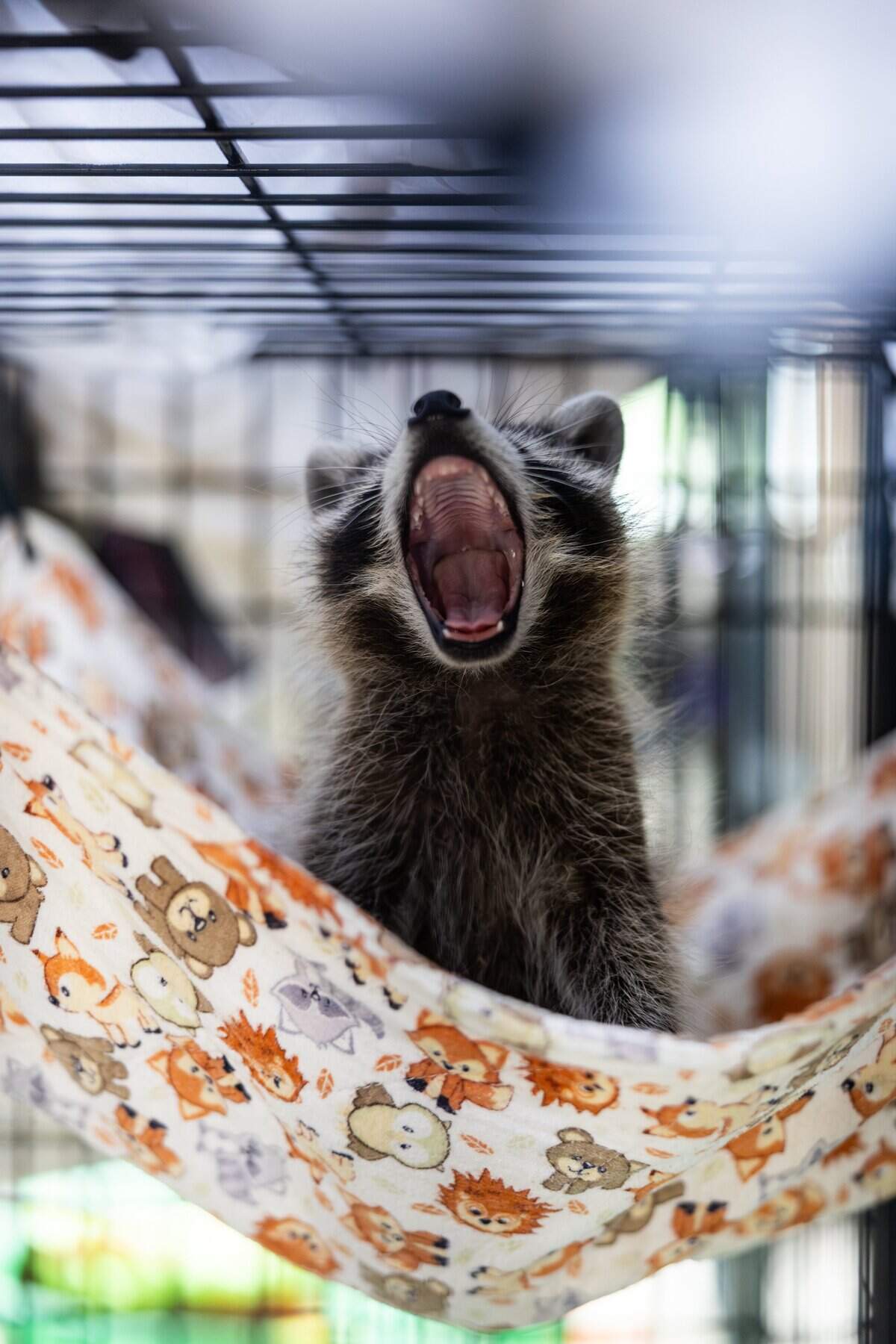
The converted horse barn holds the animals in need of constant attention, air conditioning or heat. It’s crowded in there with the skunks in a horse stable, injured raccoons, medicated turtles and the 55 opossums, with babies who are fed every three hours.
As animals grow, they are moved to bigger spaces.
The enclosed porch is an intermediate area that houses turtles and opossums so they can be outside but close enough to keep an eye on.
Each species is on a special diet and food is prepared in what once was a converted horse wash stall.
Paige Murdock, 29, a rehabilitator, said this is the best job she’s ever had.
“I always look forward to coming here and feeling like what I do matters,” Murdock said as she stirred a baby animal’s formula.
The Hickory native stumbled across this job, she said, not knowing wildlife rehabilitation was a salary-paying profession until she did volunteer work at the center.
“I think the biggest reason why I looked further past my volunteer work and looked for a career in this is because it gave me such a light every day,” Murdock said. “Just learning every single day about our native wildlife, ‘cause there were so many things I didn’t know before.”
Her favorite time is when the center releases the young foxes in the fall.
Murdock says the team anticipates catching glimpses of the foxes here and there, but she loves when the foxes actually come around, darting across the fields behind the center.
After rehabilitation, animals who can survive in the wild are released. Some are released around the land surrounding the center, while animals with home ranges, such as turtles and skunks, go back to the areas they were found.
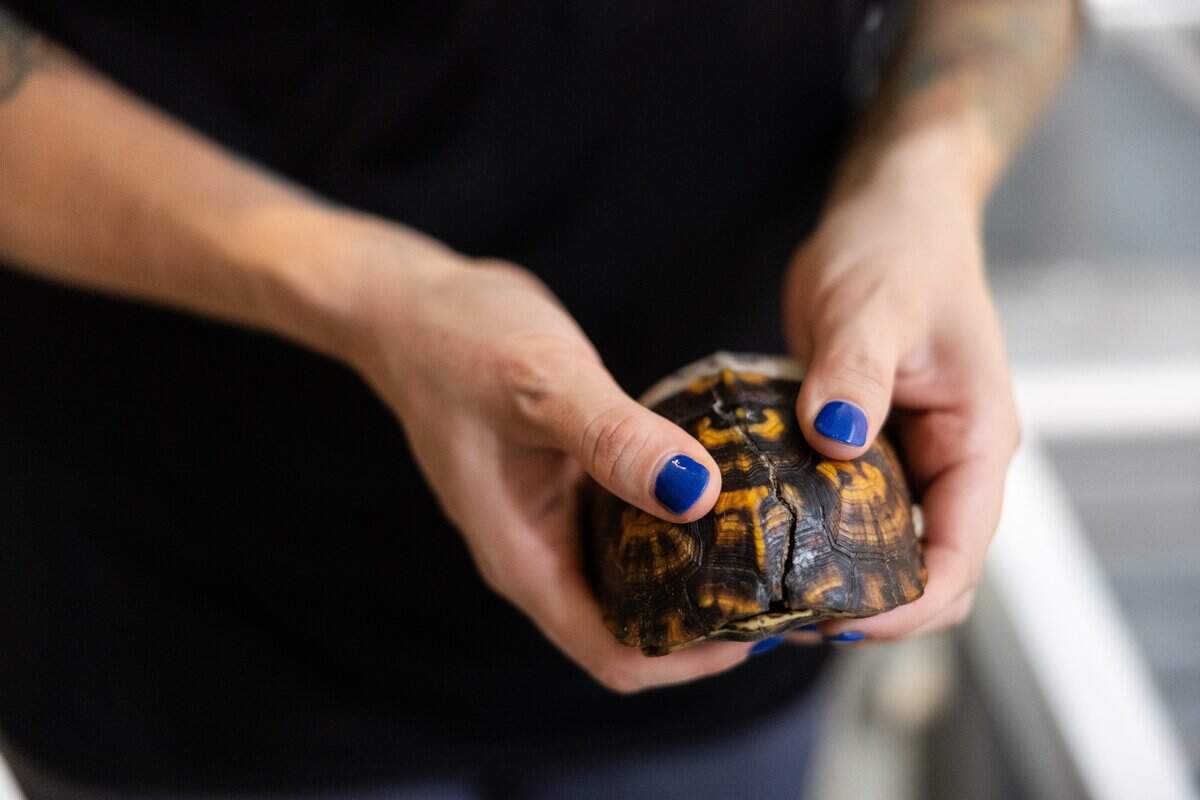
Rafael said the center is especially needed since the Charlotte area is constantly growing. For example, many of the box turtles at the center were hit by cars, lawnmowers, chewed by dogs or wrapped in fishing line. The center has also seen the effects of littering — helping raccoons with a can on its arm and a fox with a bottle on its head.
One animal, a snapping turtle, was hit by a car and has been treated for 30 months. When the animal arrived, it was completely paralyzed. At the center, this female turtle is undergoing wound treatments, electromagnetic therapy, laser therapy, pain management and physical therapy.
Many animals, such as snapping turtles, are misunderstood, Rafael said.
“So many people refuse to live with them. There’s so much fear around wildlife. We just want people to be educated and realize they’re not going to harm you.”
People think foxes will eat their cats and skunks will target them with their spray, Rafael said.
The 50 skunks brought in recently didn’t spray much and they are an easier species to care for, Rafael said. Skunks are great to have around, she added, because they eat snakes and yellowjacket nests.
Public outreach and social media
The wildlife hospital and center are not open to the public.
Visitors aren’t in the growth plan right now since the center is highly regulated and there is no set up for a separate visitor center, Rafael said.
Their main focus is to rehabilitate and release animals, but education is a big piece of saving wildlife, according to Rafael.
Carolina Wildlife recently started a program with two animals that it plans take to outside education programs. As a teaching element the center will use a groundhog, which is nonreleasable because of its size and inability to care for itself.
The center also relies on its social media platforms to educate people on wildlife.
Rafael said posts help to make people more aware of the personalities of animals.
“I think of social media as a way to educate and to make a difference globally,” she said. “We have followers from all around the world and I really try to use it as a platform to share these animal’s stories and make people see them as individuals versus just things or nuisances.”
The center receives calls from all over as a result of its social media presence.
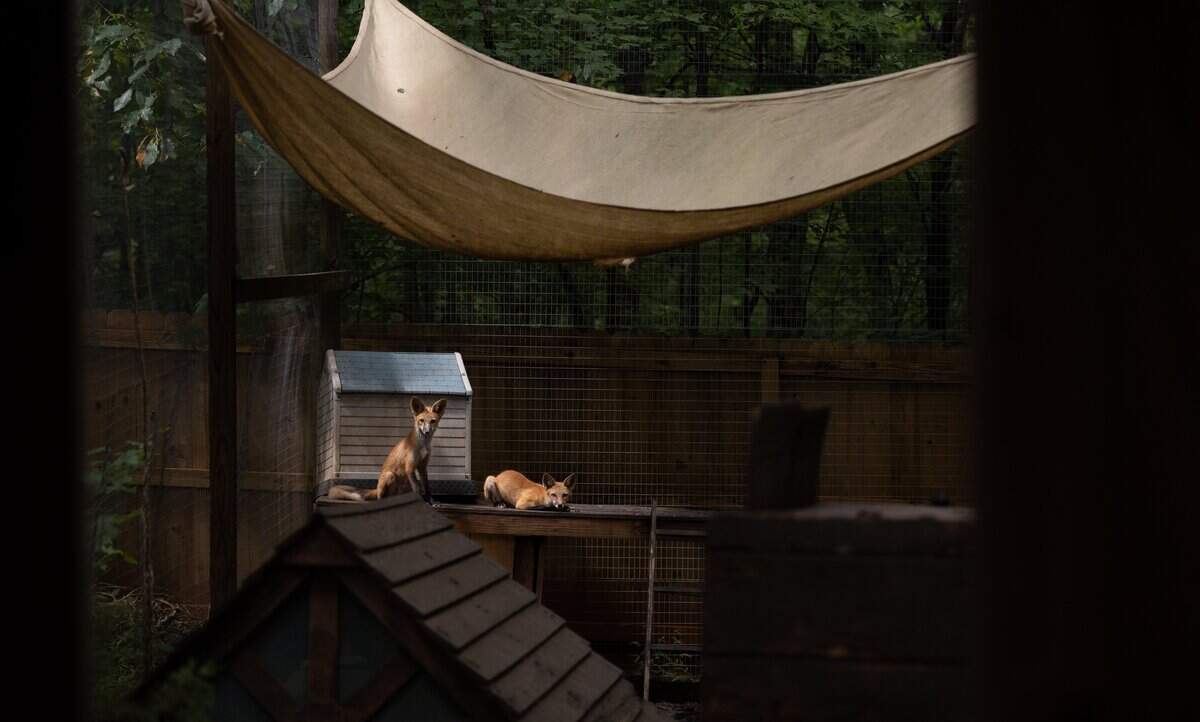
Social media can also ignite unwanted behavior, Rafael added.
Sometimes people try to copy what they see and cuddle raccoons, steal animals out of the wild to keep as pets or fail to use protection when interacting with animals. All of these can be dangerous, she said.
Carolina Wildlife also provides resources for humane eviction techniques so people who don’t want the raccoon in their attic or the groundhogs under their shed can learn ways to discourage the animal from being there and naturally move on.
“People think you can trap and relocate but you can’t,” Rafael said. “First of all, that’s not legal in North Carolina. Second of all, it’s inhumane.”
Funding a wildlife sanctuary
New enclosures, which are each designed for their species, are funded by gifts.
Bats now have a spacious enclosure where they can acclimate to their natural behaviors. The space that allows the mammals to fly and hang cost nearly $17,000.
Skunks also have a new space which goes 3 feet into the ground so they can dig.
The center wants each animal to perform its natural behaviors and feel safe.
“We’re creating a wild animal that’s gonna be most successful in the wild because what’s the point of rehabbing them to just put them out for fail,” Rafael said.
Another new space was built outside to be an area that can quarantine and produce heat in the winter and cooler air in the summer. It may also provide space to add a program to care for fawns, Rafael said.
The center also does not care for fowl, but there are places that do, including the Carolina Raptor Center located in the Lake Norman area and the Carolina Waterfowl Rescue in Indian Trail.
“One of the things that really helps us rehab at such a high level and have such a success rate is that we have access to medicine on site,” Rafael said.
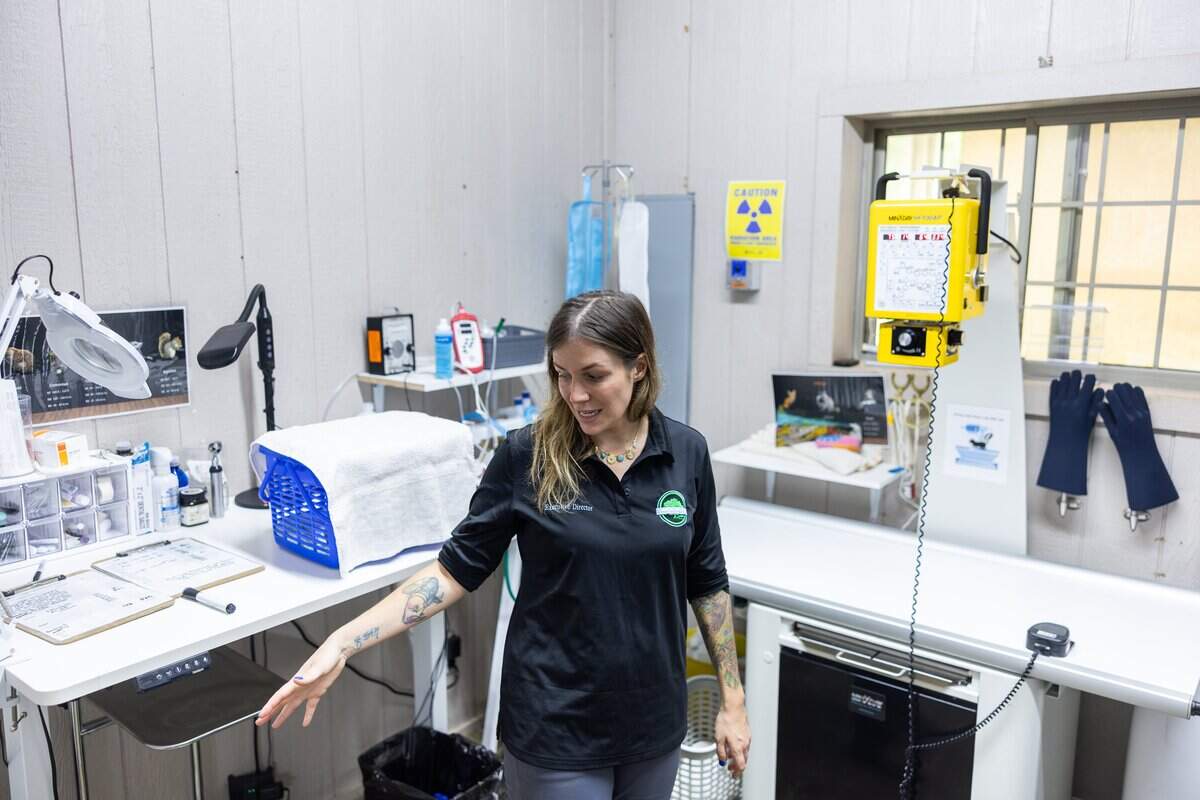
The center raised money to build the intensive care unit it has now, which gives the center the ability to diagnose, sedate and perform surgeries.
Its medical standing allowed veterinarians to sedate the bobcat in the field, give it anesthesia for safety and comfort, and later to euthanize it.
It also permits staff and animals to be vaccinated for rabies and canine distemper, a neurological virus that can cause seizures.
“We’re able to get hands on these animals and vaccinate and try to create herd immunity through vaccinating our animals when we release them,” Rafael said.
‘Look at the positive’
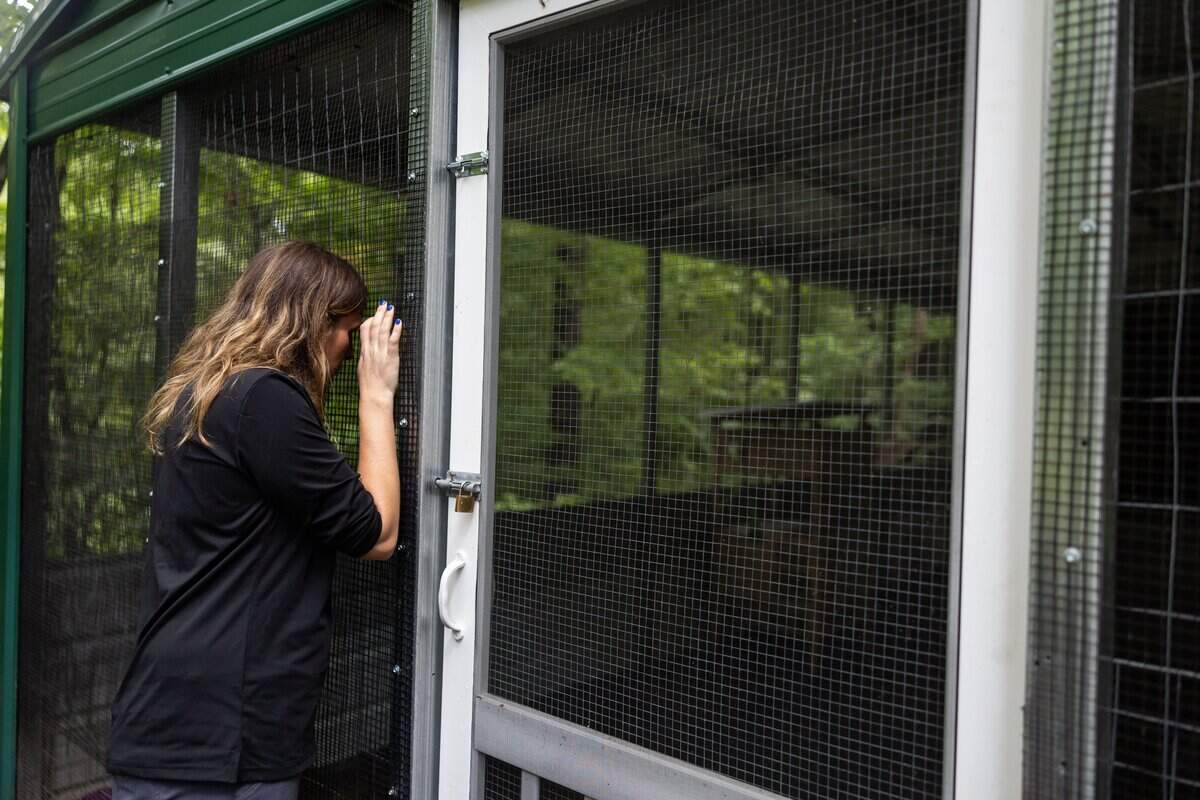
Rafael said the biggest challenge working with these animals is staying positive after seeing horrible circumstances.
“Sometimes it's really hard because we see a lot of suffering and a lot of abuse,” she said.
As many as 63% of animals brought to the center are hurt by humans.
Rafael believes it may be more than that because oftentimes people find animals hurt and don't know how it happened.
Animals come in after being shot with arrows or bullets, some people swerve to run over turtles or try to drown baby skunks.
“If you focus on the bad, you probably wouldn't stay in this job,” Rafael said. “These animals matter and that people do care.”
Rafael said she needed to keep a positive mindset when thinking about Auggie the beaver.
“He did end up having to be euthanized because of the extent of his injuries … but I think what's memorable about it is how hard our team fought.”
This story was originally published August 20, 2025 at 5:30 AM.