Border Patrol’s Greg Bovino moved out: Who is Trump commander with NC ties?
AI-generated summary reviewed by our newsroom.
- Federal agents from Chicago expected to move to Charlotte and New Orleans under Bovino.
- Bovino, raised in Western North Carolina, rose through Border Patrol ranks since 1996.
- His Midway Blitz in Chicago netted 3,200 arrests and drew a federal injunction.
READ MORE
Border Patrol in Charlotte
U.S. Border Patrol began making rounds in Charlotte on Saturday morning.
This follows recent Border Patrol activity in Chicago that made headlines, with some reports alleging agents violated people’s rights.
Expand All
After roving around U.S. cities, including Charlotte, a top Border Patrol commander and some Border Patrol agents are leaving Minneapolis after a second deadly shooting.
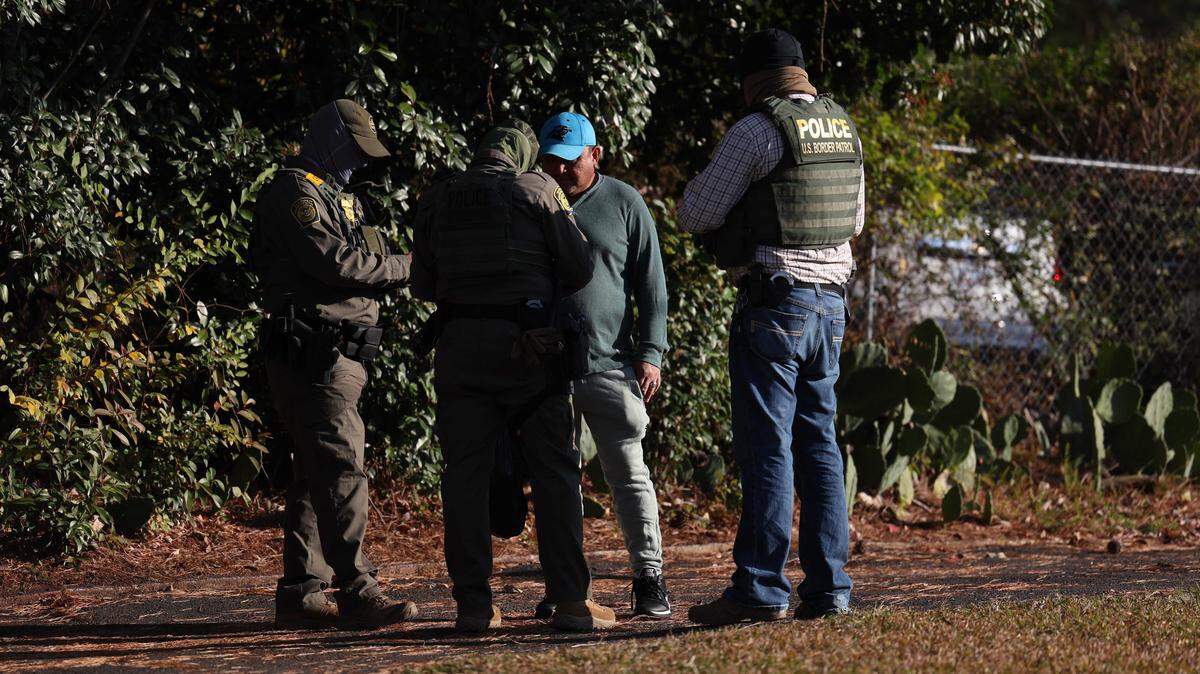
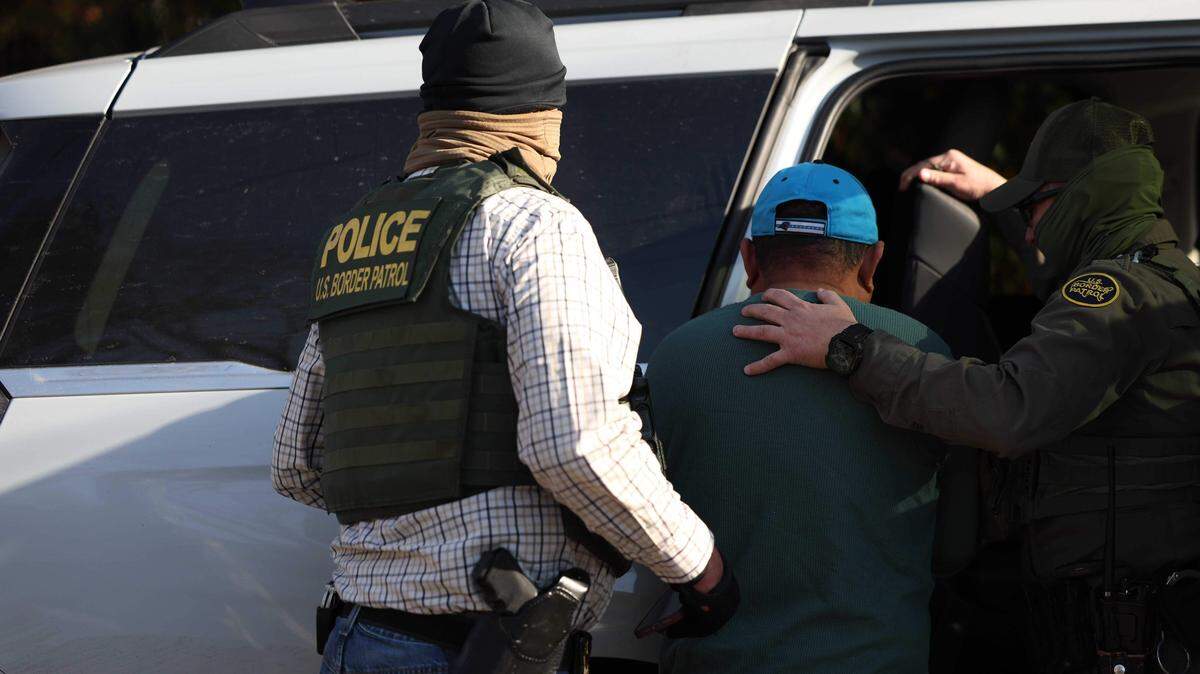
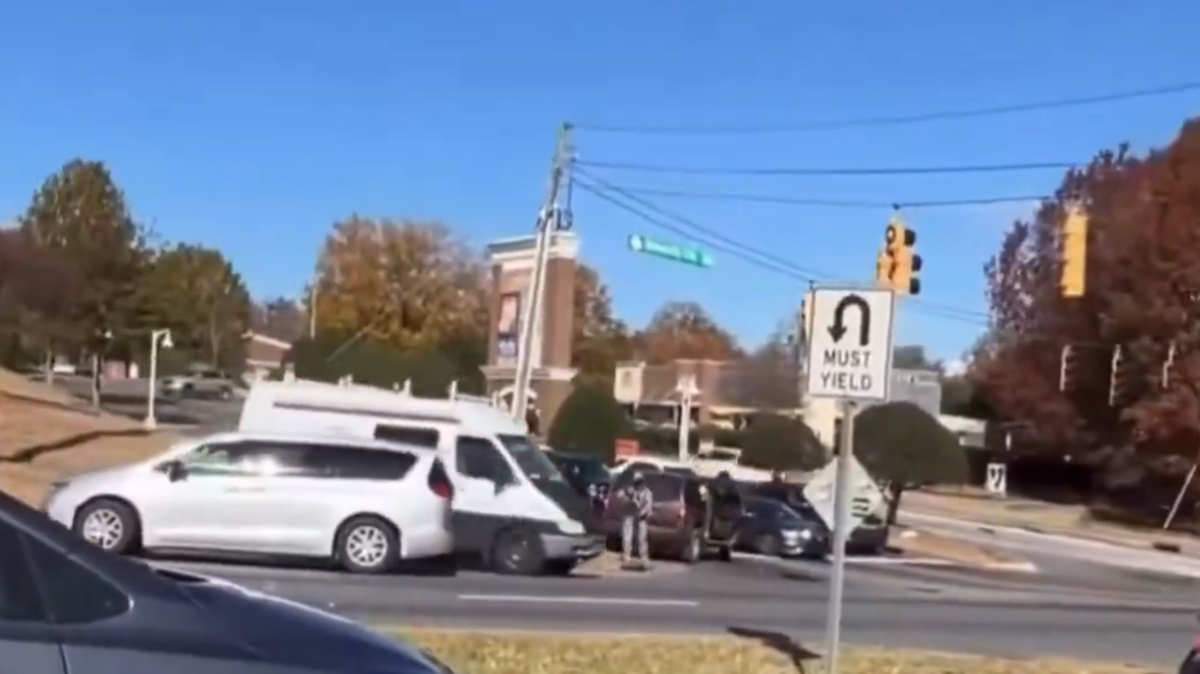
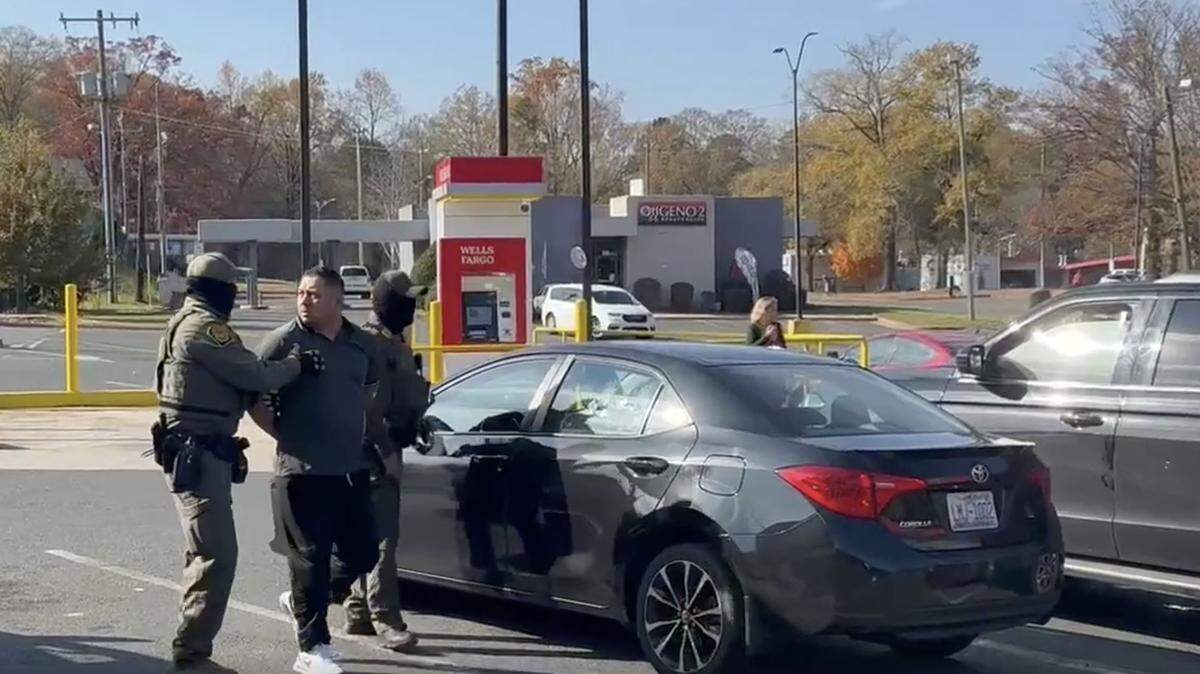
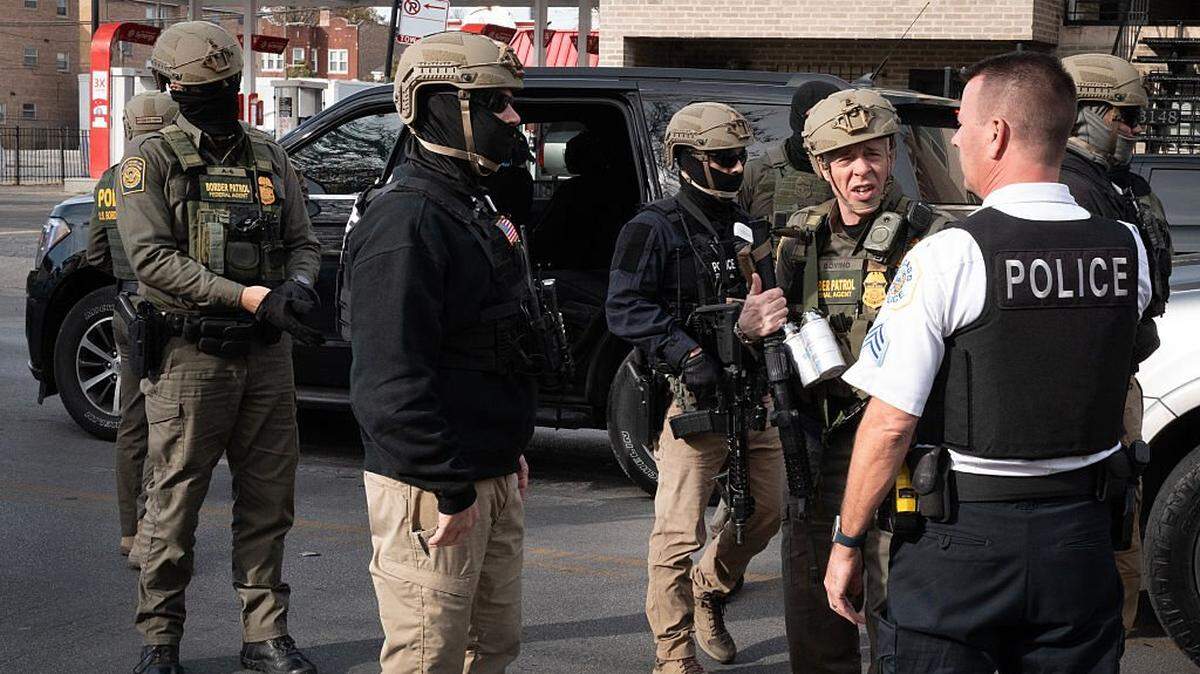
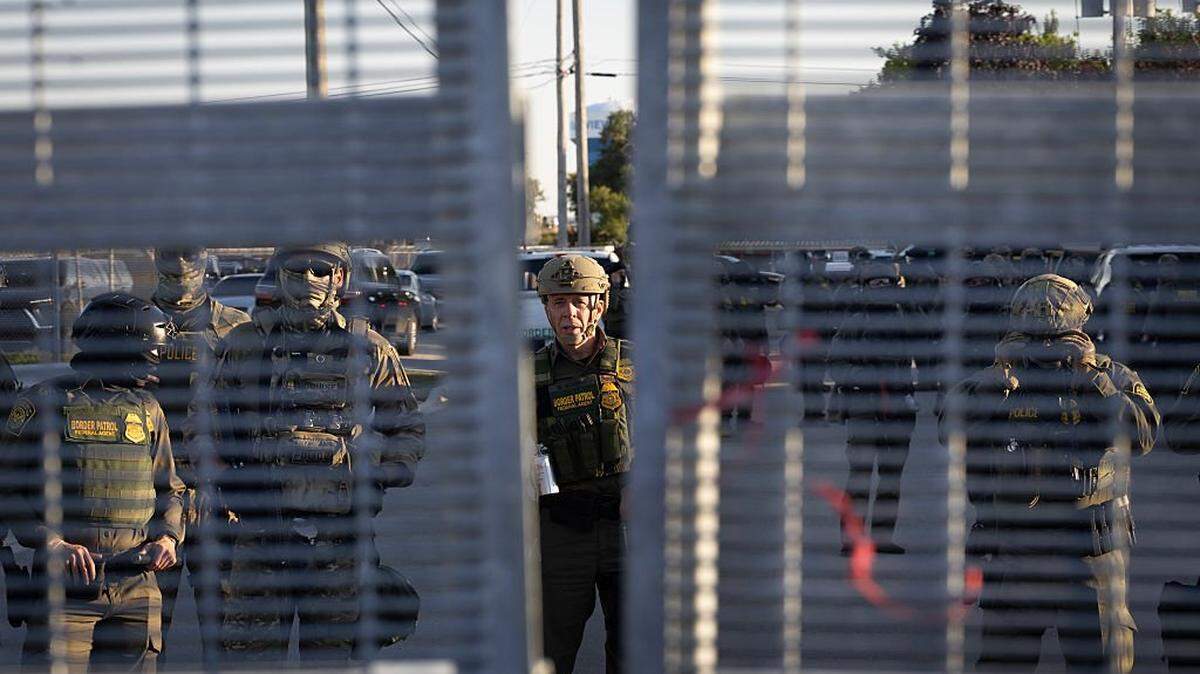
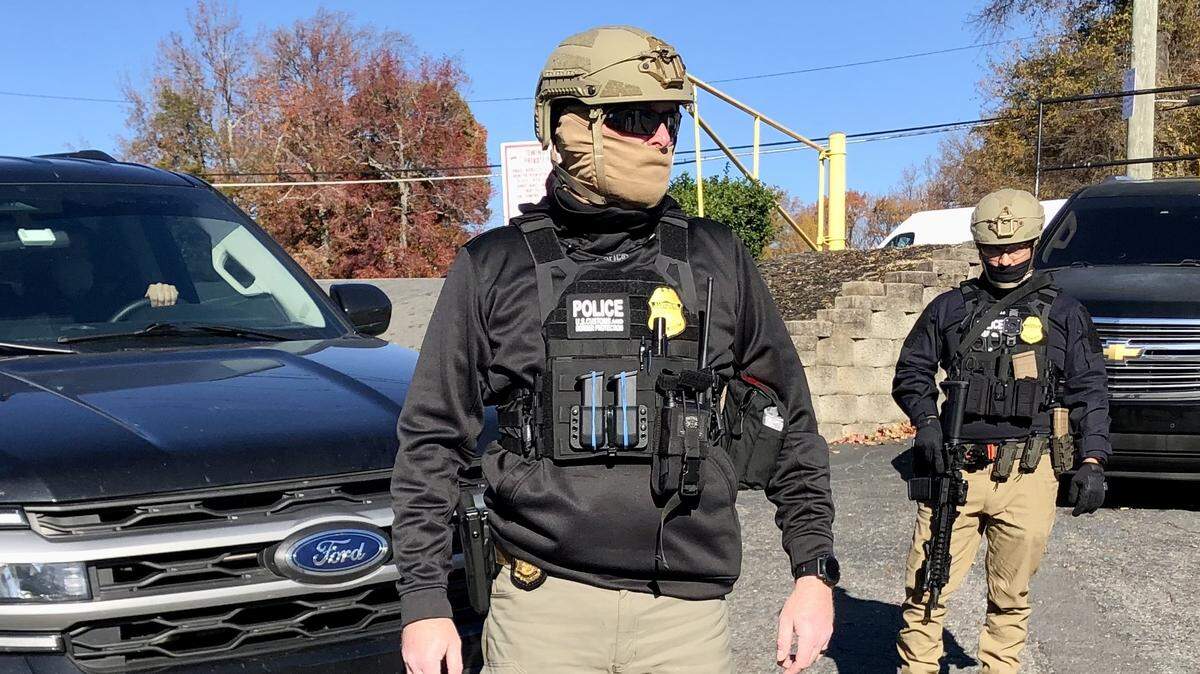
The person overseeing Border Patrol roundups in cities has been Greg Bovino, who has roots in North Carolina. Even before Bovino moved his agents into Charlotte, New Orleans and Minneapolis, he was known for his aggressive policing style and faced scrutiny for his tactics, including the use of tear gas by agents under his command during Chicago raids. In Charlotte, Bovino and his agents arrested hundreds of people, often stopping and questioning them in public, and released limited information about their charges.
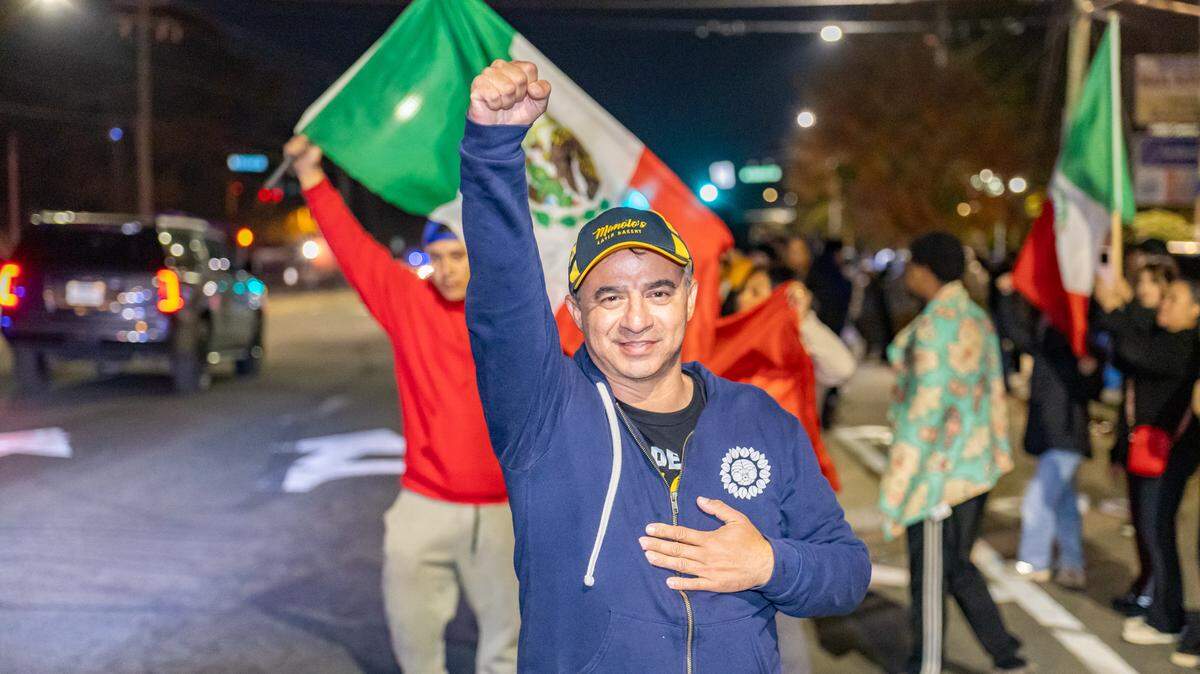
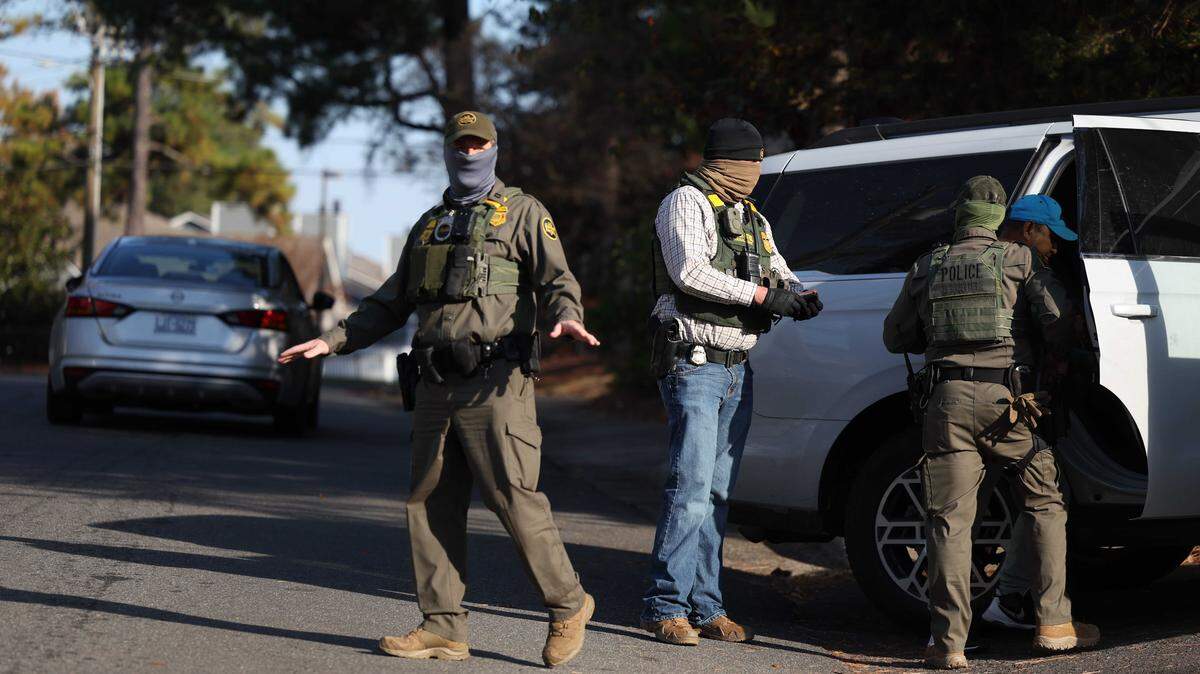
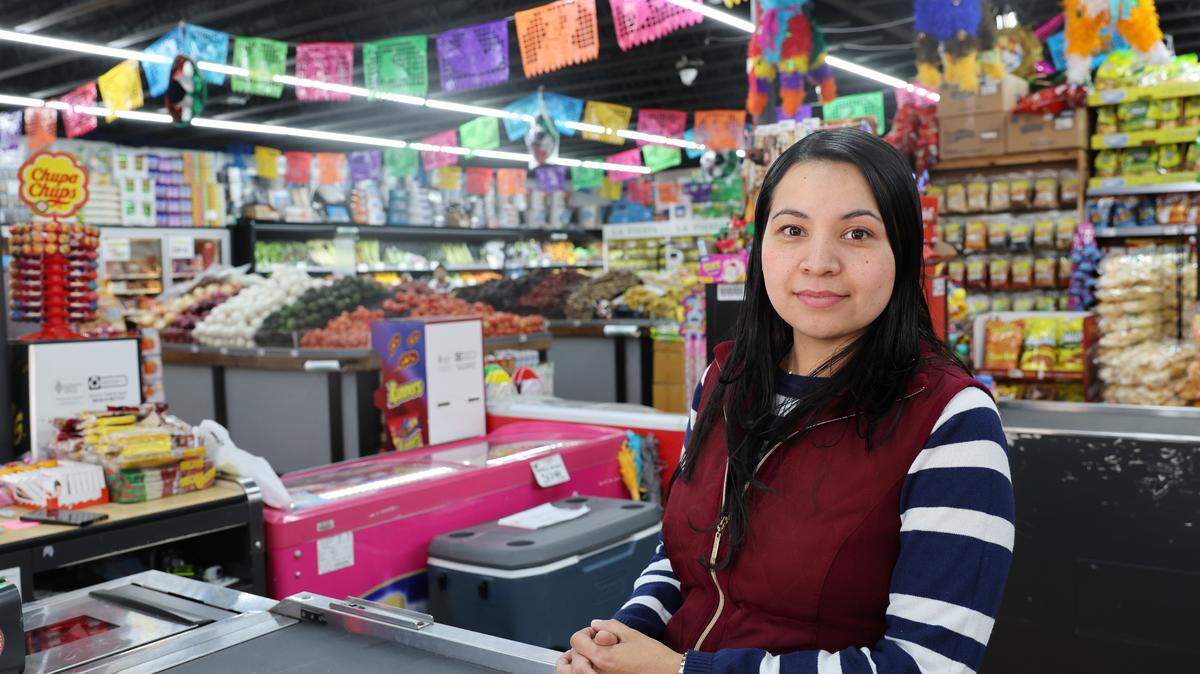
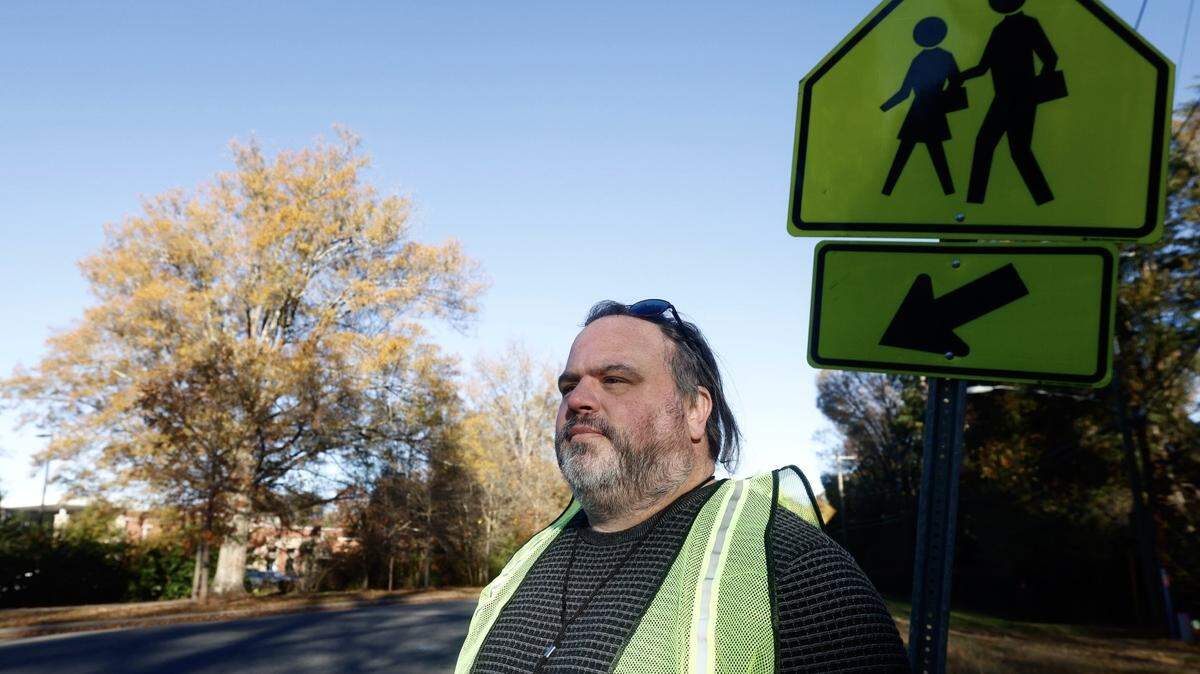
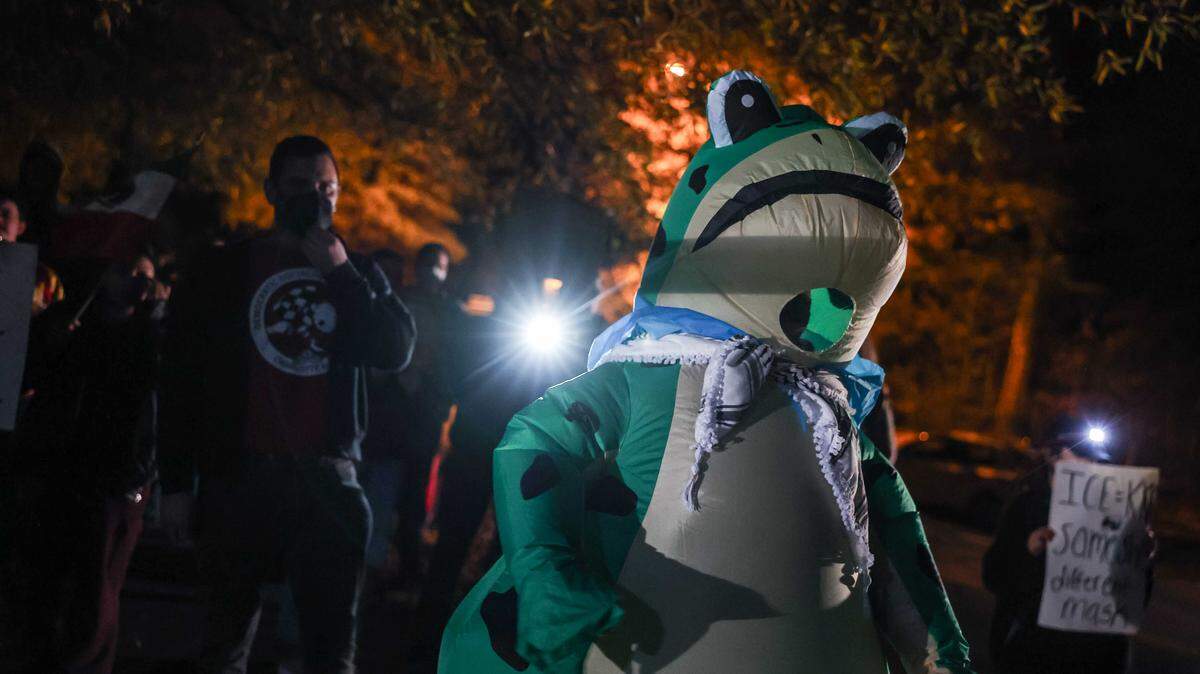
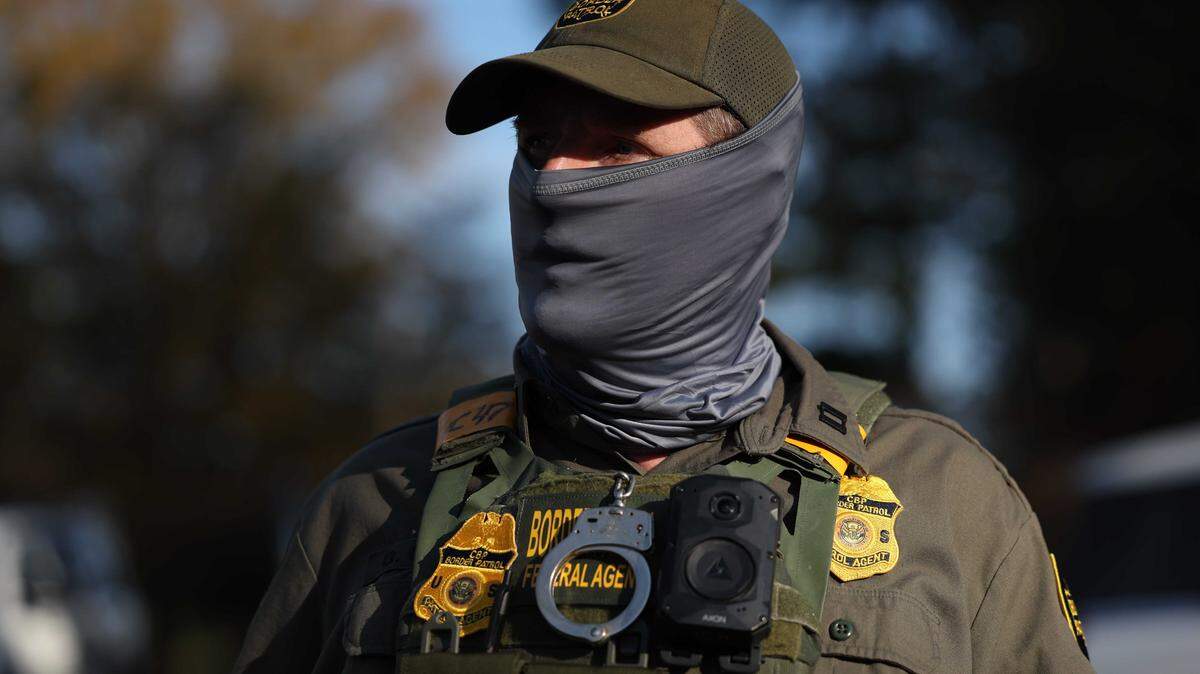
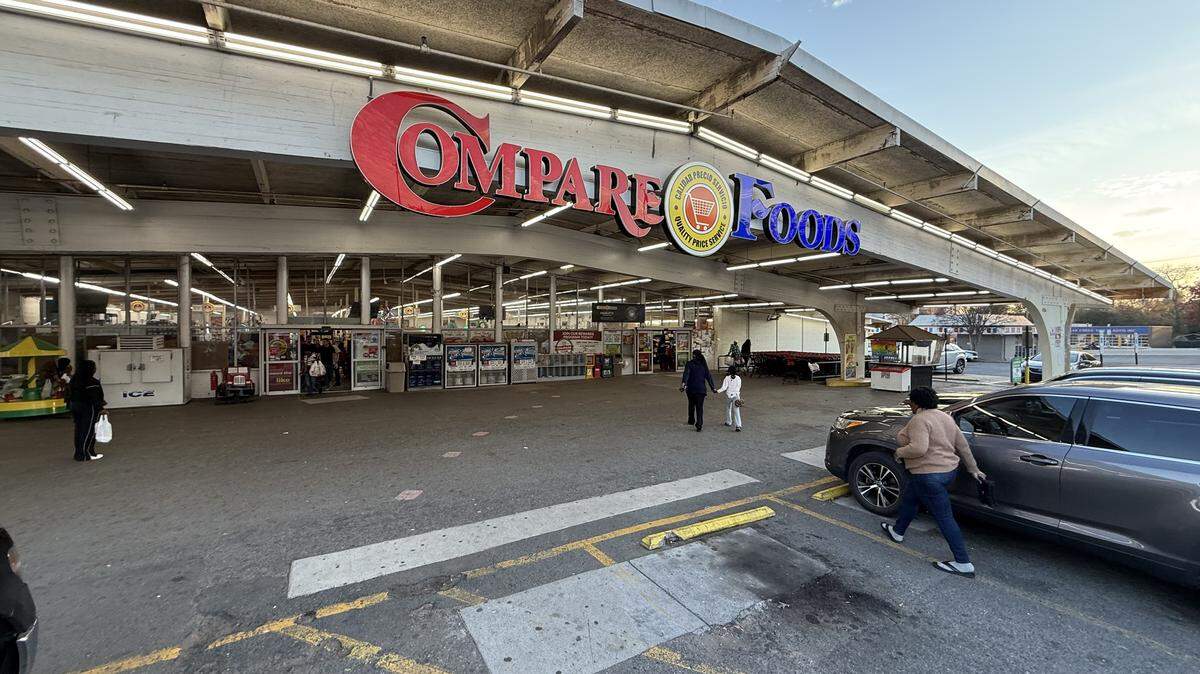
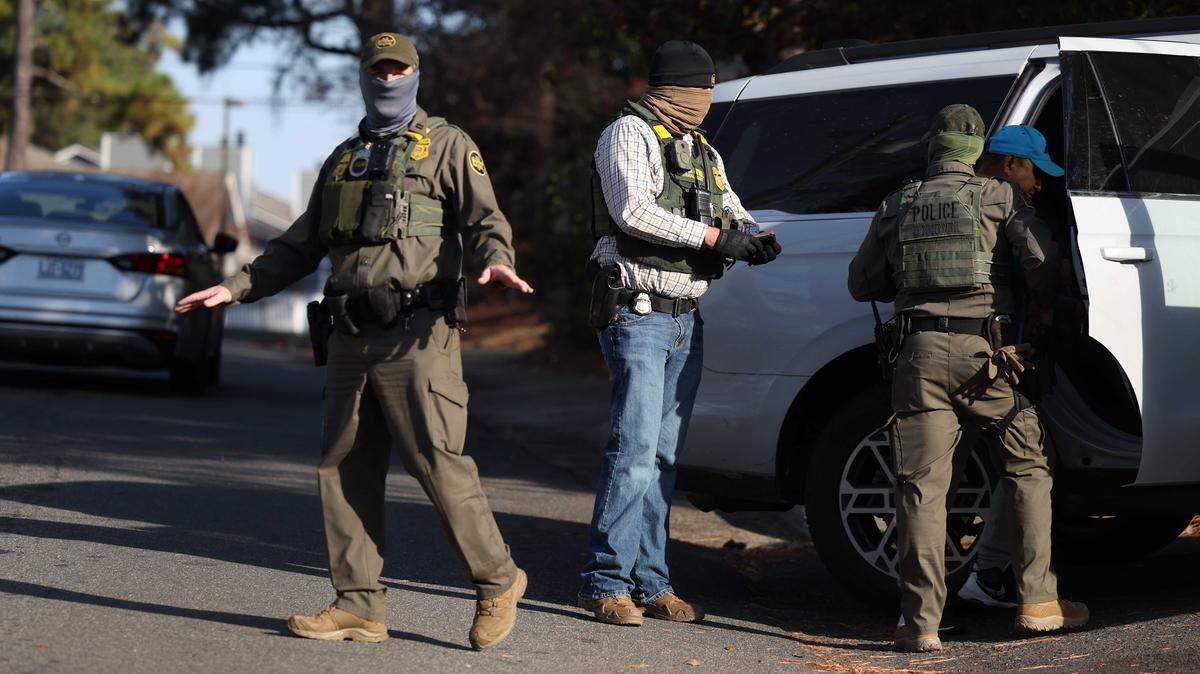
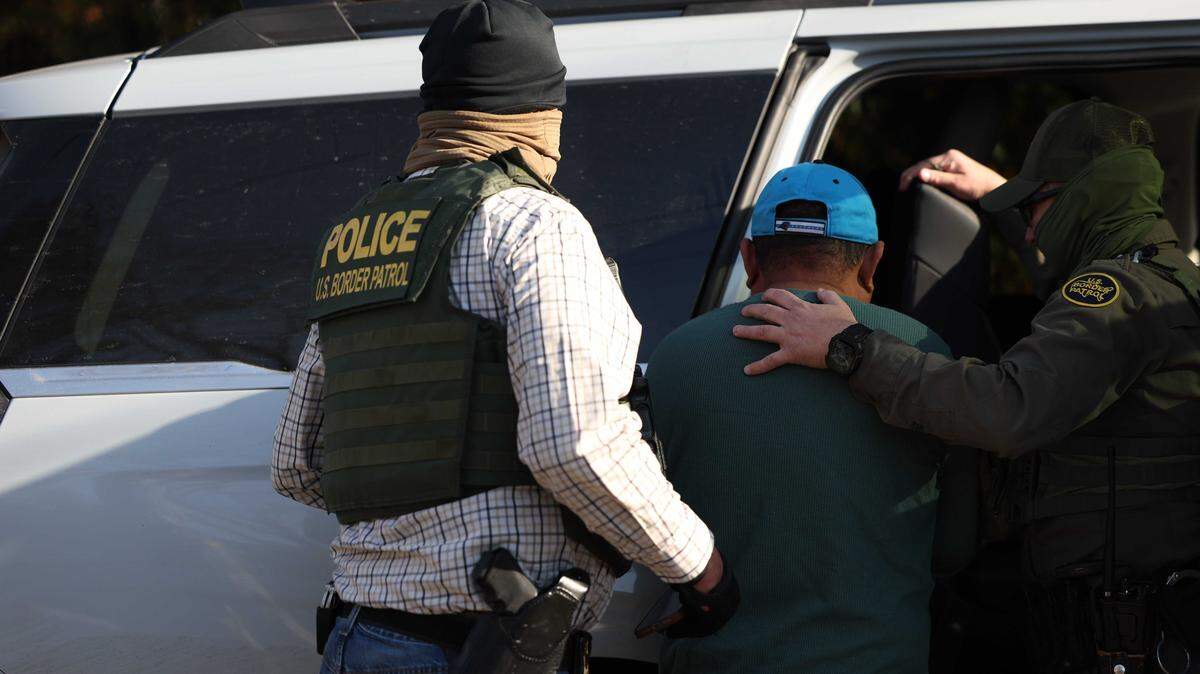
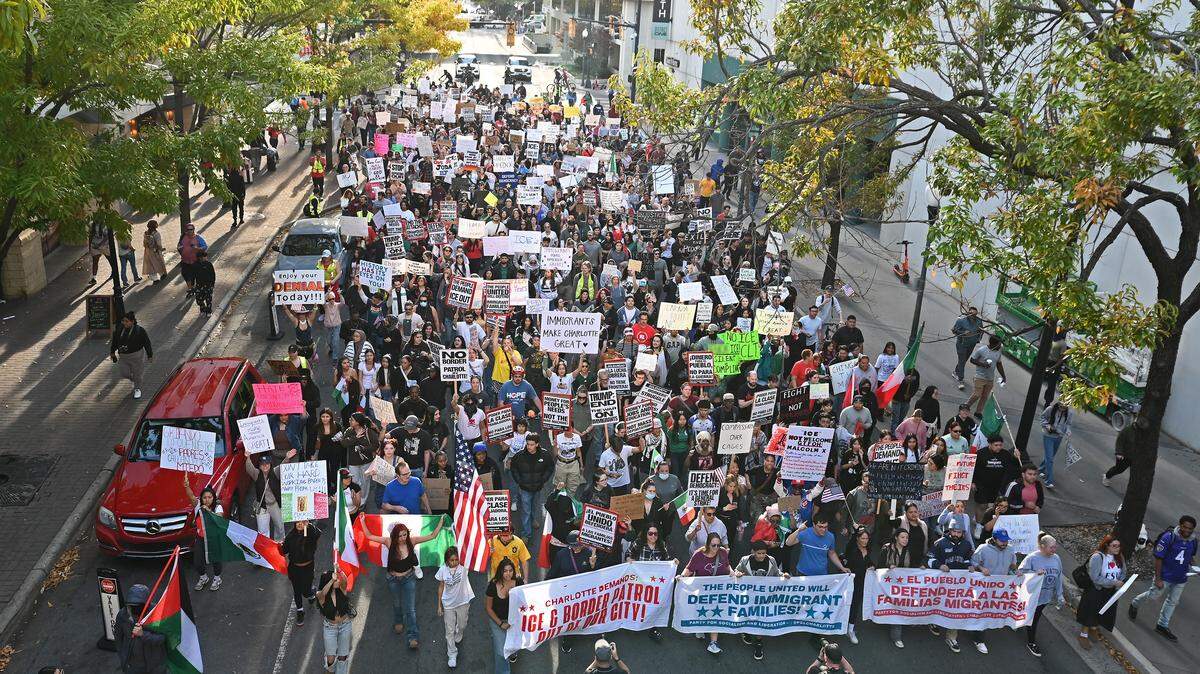
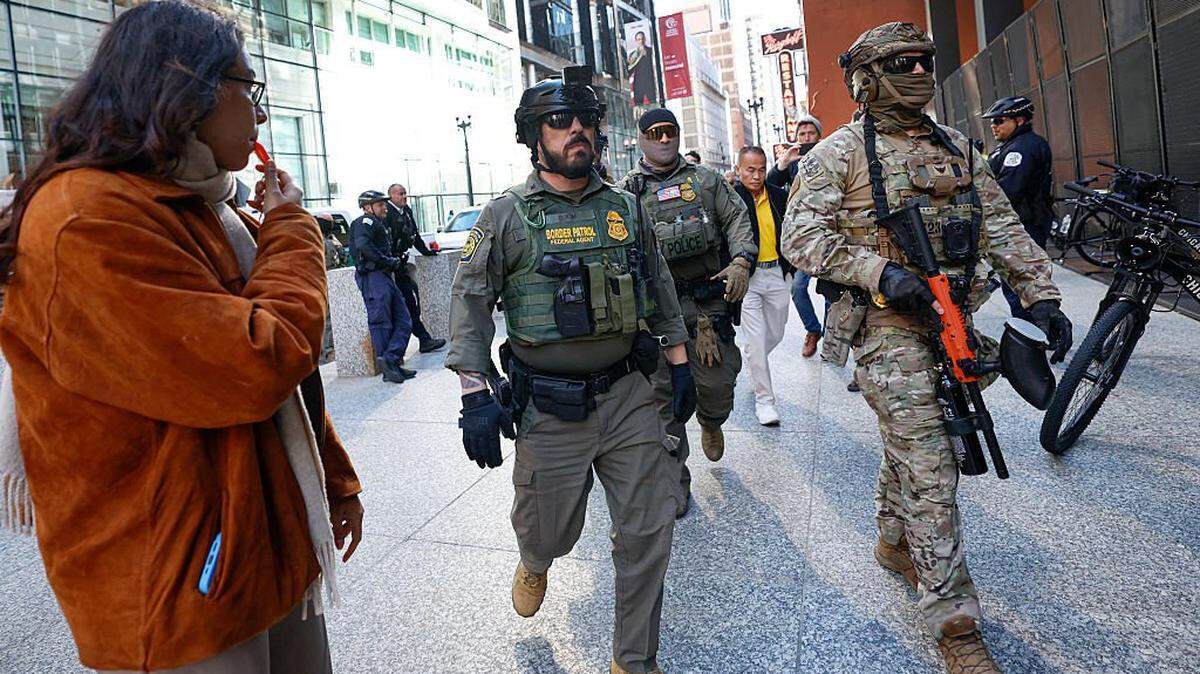
Federal agents targeted grocery stores, churches and residential areas. Masked federal agents in paramilitary gear worked out of large SUVs arresting people and prompting businesses to close, especially in east Charlotte. Families kept children out of school.
On Saturday in Minneapolis, immigration agents shot and killed a 37-year-old man named Alex Pretti in an incident that’s prompted national, bipartisan condemnation. The Atlantic and other news outlets are now reporting that Bovino has been removed from his role as “commander at large” of the Border Patrol and will return to his former job in California.
Here’s what to know about one of the country’s most prominent and controversial immigration enforcement officials.
He got his education in Western North Carolina
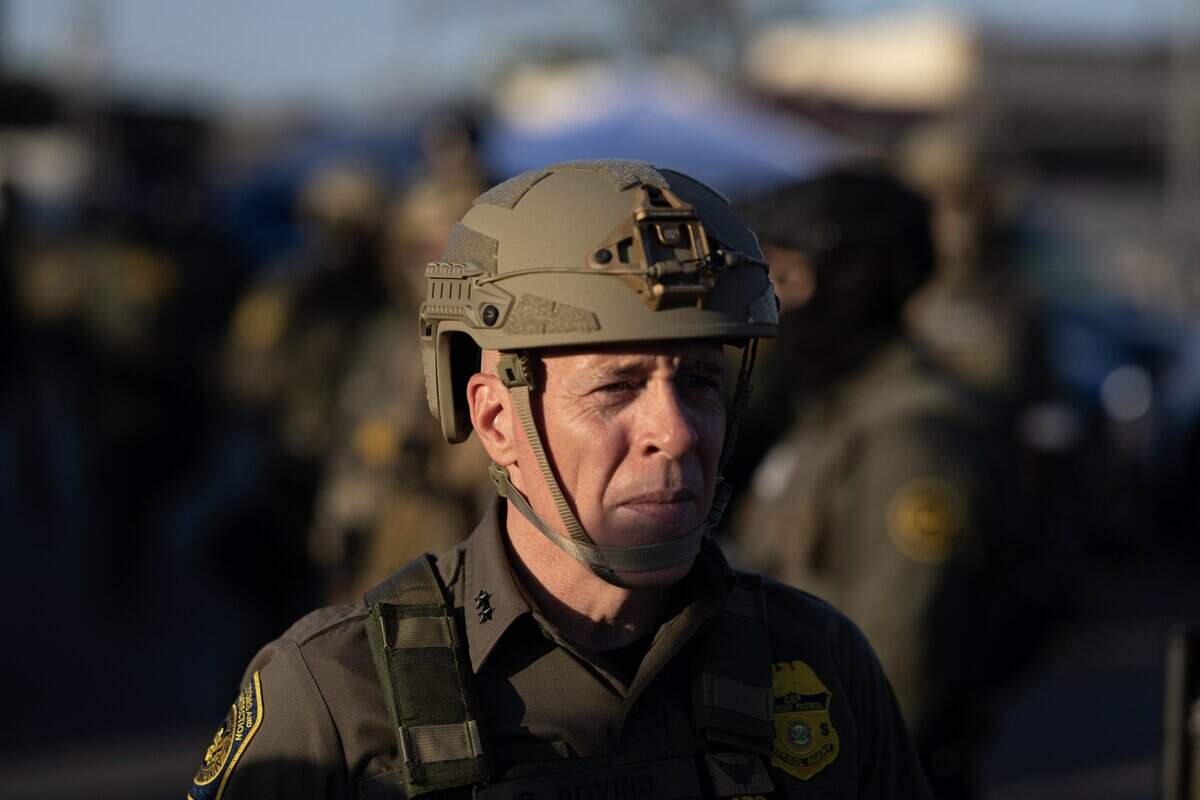
Bovino has deep roots in Western North Carolina. He attended Watauga High School in Boone before earning a bachelor’s degree from Western Carolina University and a master’s from Appalachian State University, according to his LinkedIn profile.
After finishing school, he joined the U.S. Border Patrol in 1996, beginning a nearly three-decade federal law-enforcement career.
He was known as Border Patrol’s ‘commander-at-large’
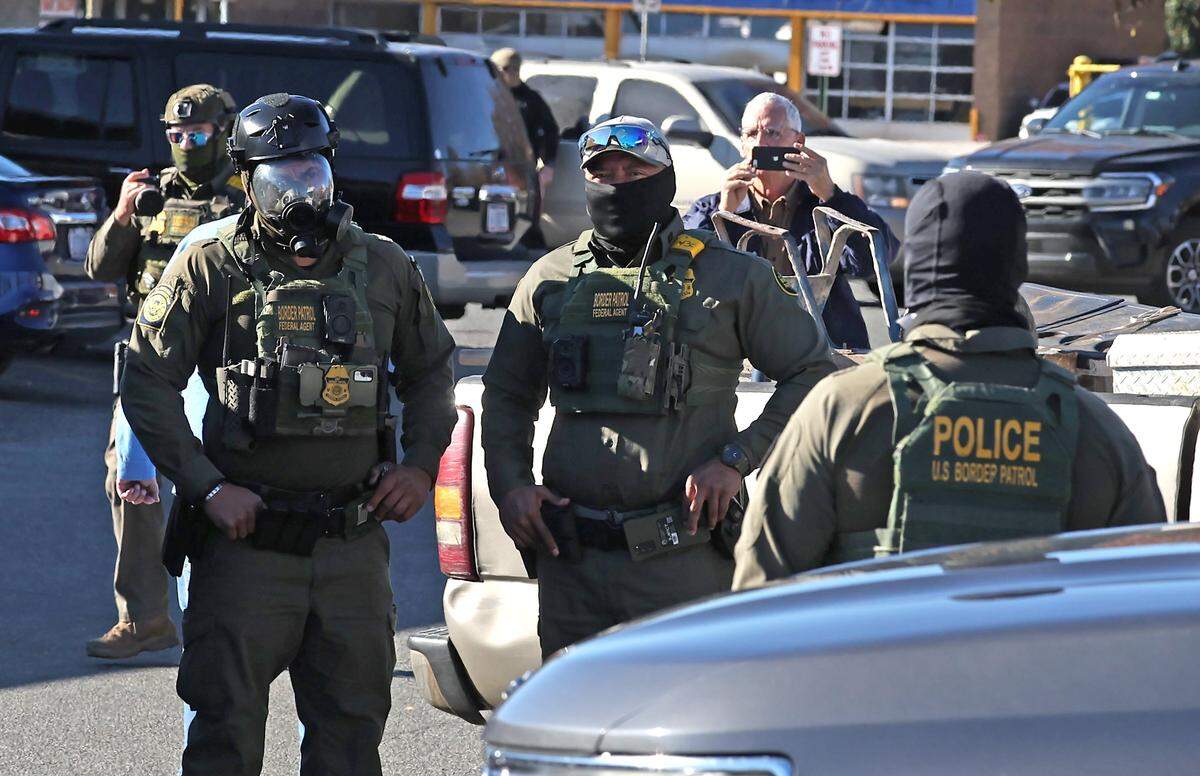
Bovino’s official title was chief patrol agent of the El Centro Sector in Southern California, but lately he has been referred to as Border Patrol’s “commander-at-large” by Homeland Security Secretary Kristi Noem.
He started his career in the U.S. Border Patrol in California’s El Centro Sector before he was named a senior agent in 1999 and a supervisory agent in 2002, according to The Week. He continued to move up ranks from there, becoming the assistant chief in the Special Operations Division at Border Patrol Headquarters in 2004, the patrol agent in charge of the Imperial Beach Station in California in 2012, and the chief patrol agent of the New Orleans Sector in 2018, Newsweek reported.
This year, he has become a central figure in the Trump administration’s expanded “interior enforcement” strategy, moving Border Patrol agents from traditional border zones into large cities.
Bovino’s latest target was Minneapolis, where Pretti and a woman named Renee Good were both shot and killed by immigration agents in separate incidents. Trump administration officials contended Pretti’s death was due, in part, to the fact that he was armed with a gun, but gun rights groups argue there’s no prohibition on legally carrying a gun to a protest, the Minnesota Star Tribune reported.
Bovino’s demotion is evidence the Trump administration is reconsidering its tactics after the killing, The Atlantic reported.
He directed Chicago’s aggressive immigration crackdown
As commander of Operation Midway Blitz, Bovino led a monthslong campaign in the Chicago area that led to more than 3,200 arrests, according to CBS News. Federal agents under his command patrolled city neighborhoods, suburbs and transit hubs, smashed car windows, and were captured on video firing tear gas at protesters.
Bovino publicly celebrated the results of the operation.
“We’re what I call now sanctuary busters. There are no sanctuaries. There will be no sanctuaries,” he told the Associated Press.
He defended his officers’ tactics as “exemplary,” even as local leaders and attorneys said they violated court orders limiting the use of force.
In October, Bovino said on X that he would “put Charlotte on the list” of places Border Patrol could send agents. The post was in response to a user named “Drthvder007” who said they would like to see Bovino’s team in the area. “Uptown need some attention???” Bovino posted.
His methods have faced court orders and public outrage
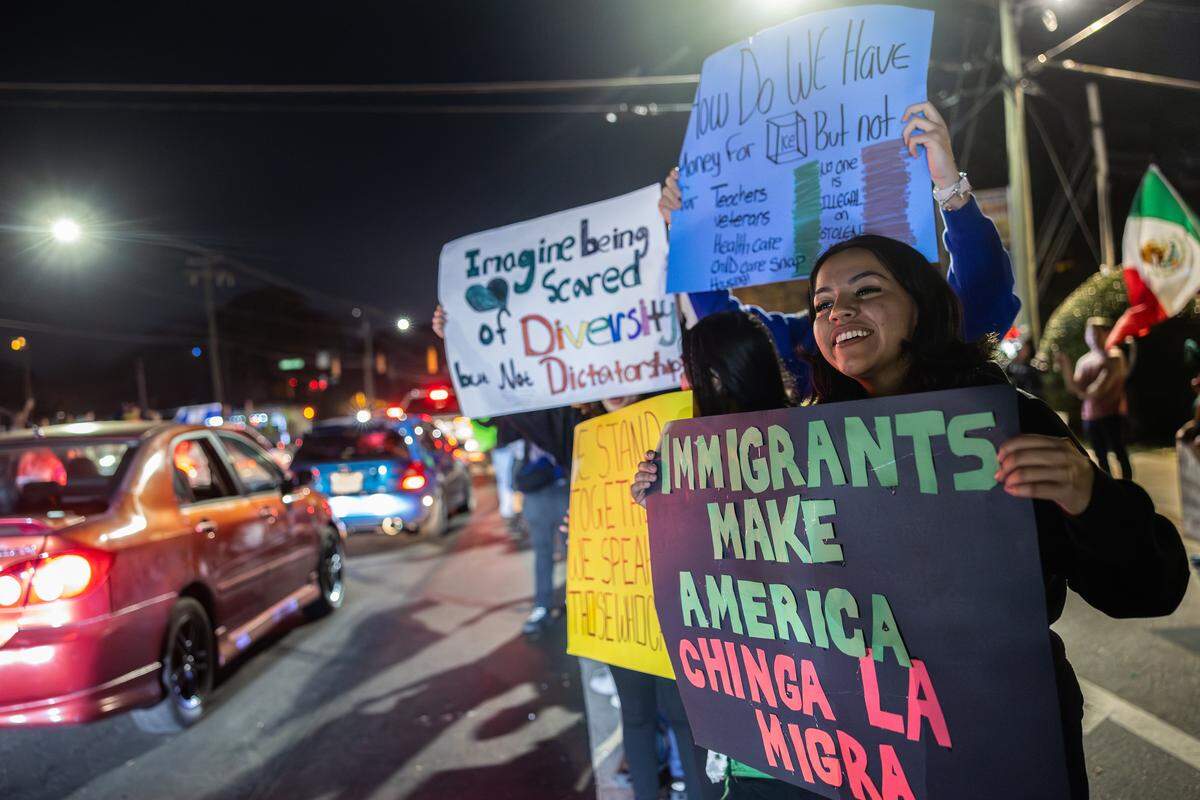
Federal judges have repeatedly scrutinized Bovino’s leadership, citing his agents’ use of aggressive street raids and chemical agents during enforcement actions.
In November, U.S. District Judge Sara Ellis issued an injunction that limited how federal agents can use force during Chicago’s immigration crackdown, AP reported. In her ruling, Ellis said Bovino lied when he claimed he was hit by a rock before throwing a tear gas canister into a crowd. She called his testimony “simply not credible” and cited video showing him tackling a man he said he had not touched.
The judge’s order requires agents to wear body cameras, show identification badges, and avoid using tear gas, physical force, pepper balls or other crowd-control weapons unless there is an immediate threat.
Bovino’s response has been unapologetic. He told AP that his teams use “the least amount of force necessary,” adding, “If I had more CS gas, I would have deployed it.”
This story was originally published November 12, 2025 at 12:15 PM.