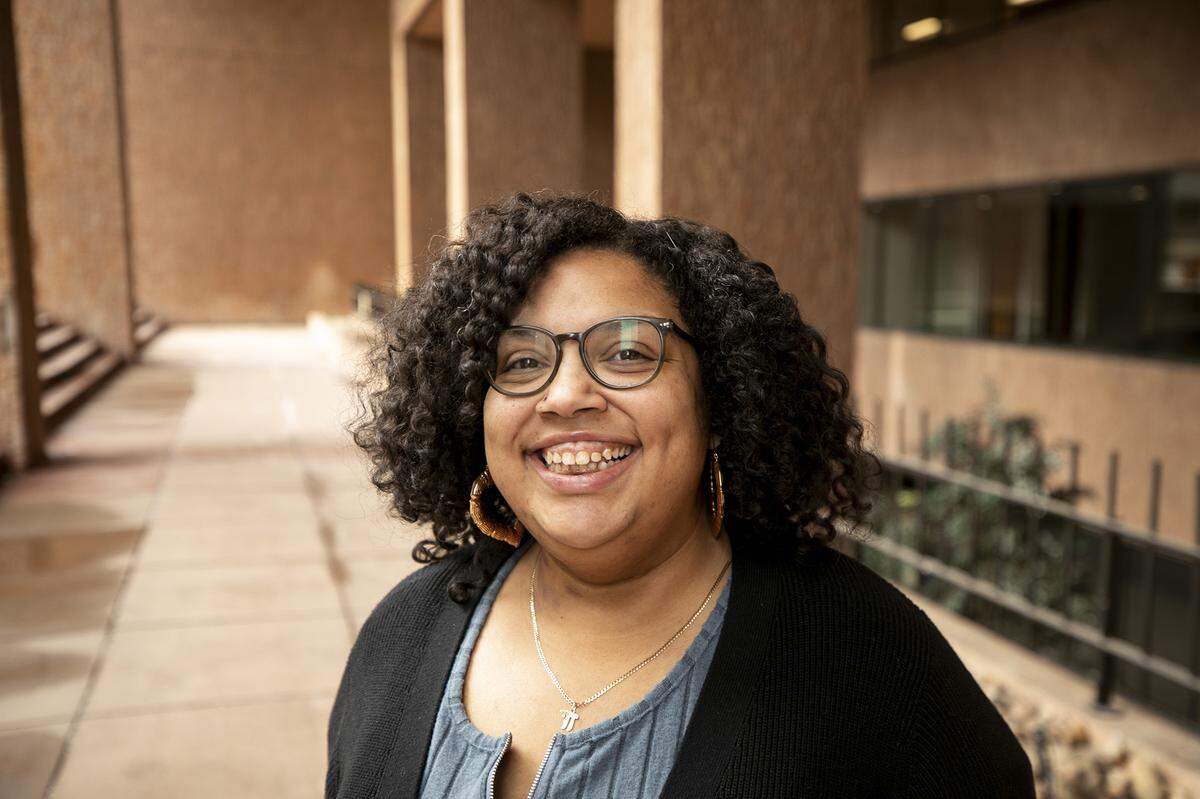
As homelessness rises in Mecklenburg, one family mourns ‘somebody’s somebody’
On a random day last September, Matthew Williams-Streat asked his family in Charlotte to collect cardboard boxes for him. An odd ask but for over a decade, the family had gotten used to his sporadic visits and his unusual requests.
But he was asking for a good reason, his sister Angette Williams said, shaking her head with a chuckle and incredulity.
“He was trying to build this homeless cardboard box fortress for everyone,” Williams said. “He said, I’m collecting all these boxes because when everything goes bad, I really want to have a place where people can come.’ ”
Williams-Streat was homeless. About 17 years ago, he left his home in Charlotte’s Beatties Ford neighborhood when he was around 18 years old, popping in and out over the years.
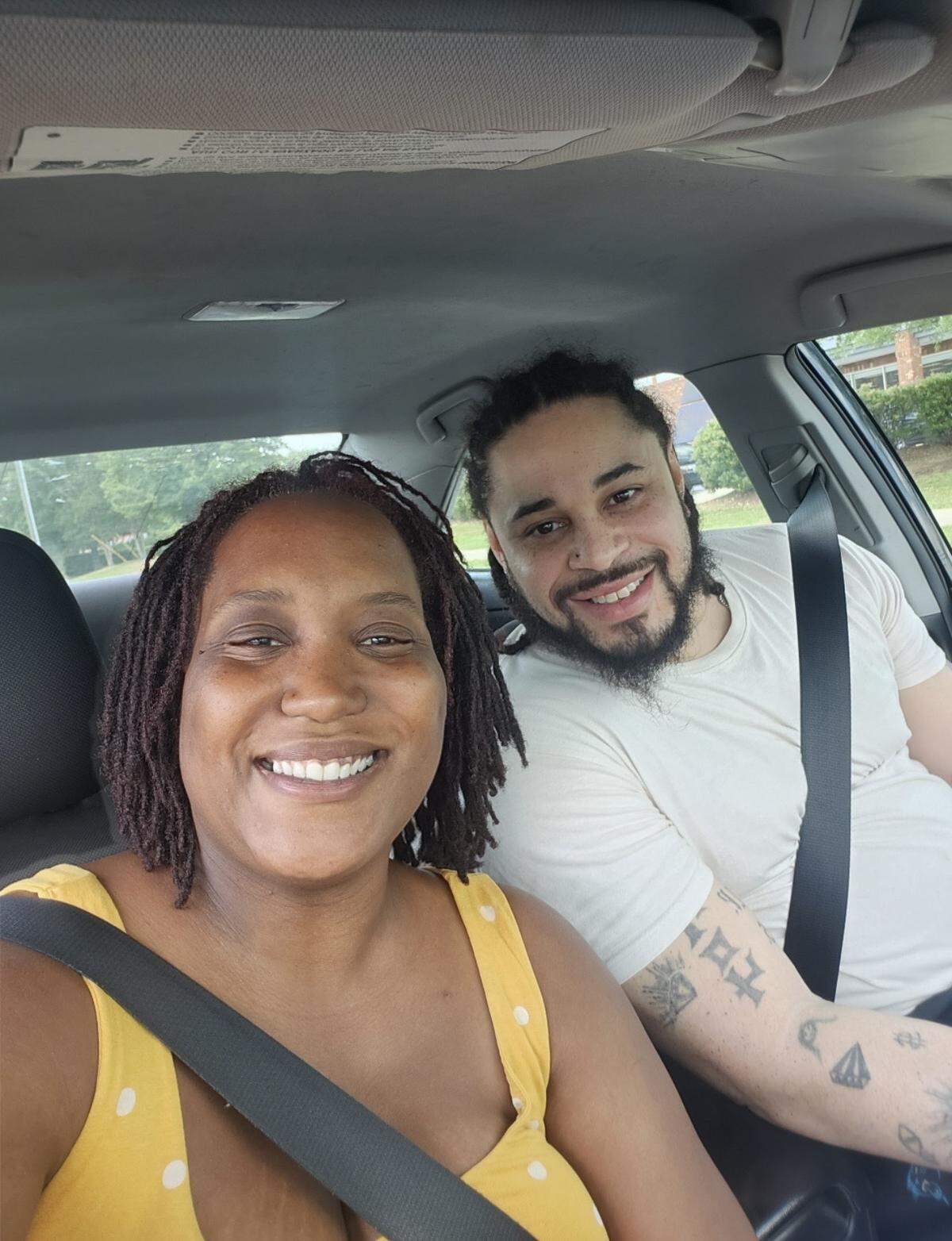
The fortress Williams-Streat was trying to build would be a home for himself and his friends living outside, he told his family. But he never came back for the boxes.
Williams-Streat, 35, died on Jan. 22. He was found under an overpass near Woodlawn Road and the Interstate 77 interchange during this year’s Point-in-Time Count, where volunteers survey and count individuals experiencing sheltered or unsheltered homelessness.
Charlotte-Mecklenburg Police ruled the death as an overdose. It’s the second time a person has been found dead during the count.
“The first time I realized he was homeless, for weeks, I’d say to myself, my brother is homeless. Do you hear those words?” Williams said. “It’s so hard to say. My brother overdosed on drugs and he was homeless. But homeless or not he was kind.
“And we pass homeless people all the time. That’s someone’s brother, someone’s dad, someone’s son, somebody’s somebody.”
Mecklenburg County’s growing homeless population
Williams-Streat struggled with addiction, had a history of crimes including larceny and perhaps a mental illness, too, Williams said. Her brother was never diagnosed. But Williams-Streat was a lot of things, Williams said. Despite his faults, he did try to look out for people when he could.
He was also among the growing population of people experiencing homelessness in Mecklenburg County.
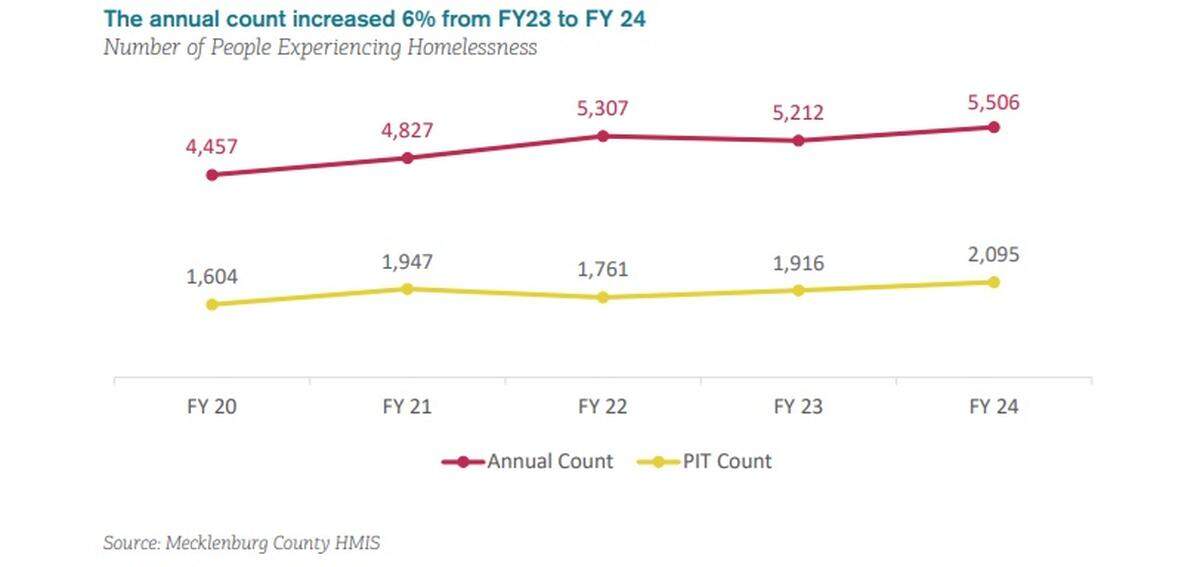
Over 5,500 people experienced homelessness at some point during the 2024 fiscal year, according to the county’s State of Housing Instability and Homelessness report, released in February. That’s a 6% increase from the end of the 2023 fiscal year. The fiscal year runs from Oct. 1 through Sept. 30.
As of March 31, the number of people experiencing some form of homelessness sits at 2,482, according to the county’s dashboard.
The story of an unhoused man in Charlotte
The homeless experience isn’t a monolith. But this is the tale of Matthew Williams-Streat.
Of the 444 people living outside during the 2025 PIT Count, about 42% reported having a substance abuse disorder and 48% reported having a mental health challenges, according to the county.
Williams-Streat was one of them.
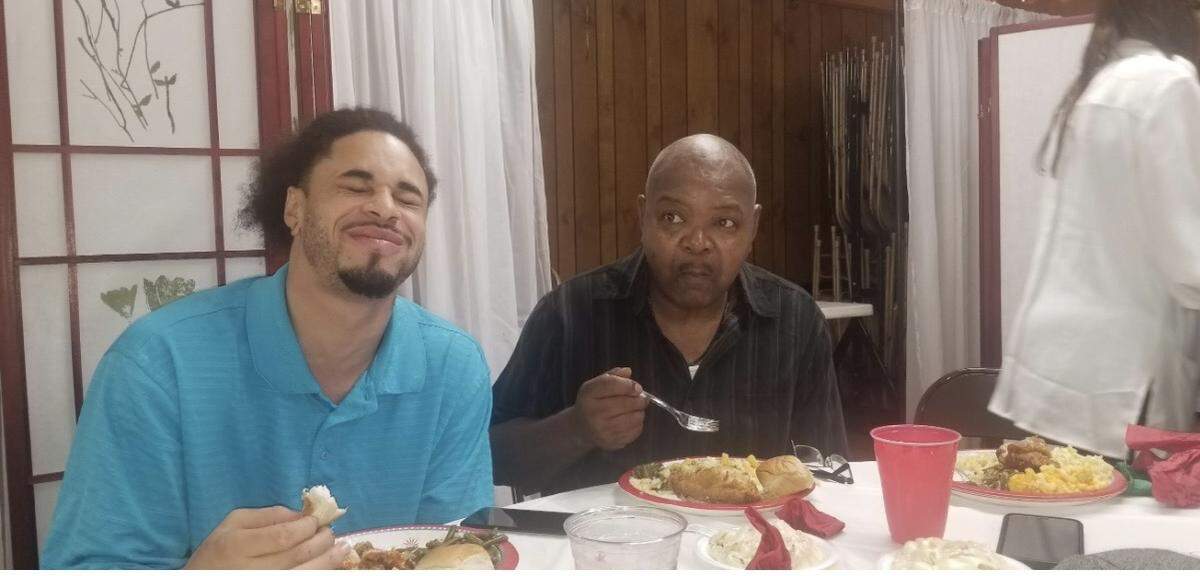
“Sometimes you can love someone from a distance to keep yourself safe,” Williams said. “It is hard to watch someone you love so much self-destruct.”
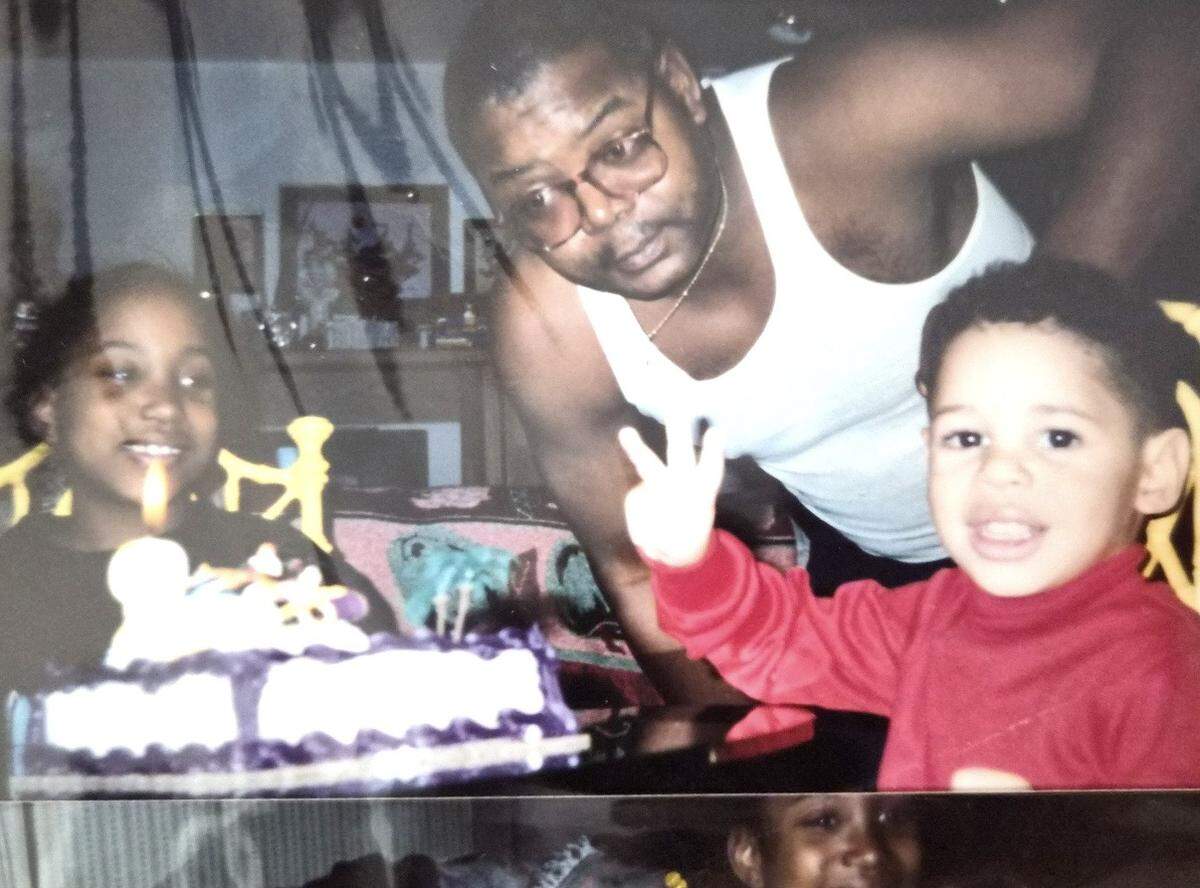
But in the Williams’ living room, pictures of Williams-Streat adorn the walls. He’s all smiles, a testament to his free spirit, said his dad, Gregory Williams.
“My favorite memory of Matthew is just having a son,” Gregory Williams laughed because most of the family is made up of women, girls and cheerleading competitions. “Just getting to watch him mow the lawn and do what dad does.
“I had to eulogize my son and that was painful. I was mad. Matthew had choices.”
Two things can be true at the same time, Angette Williams added. Her brother had choices, but an insufficient system is still at play.
Roof Above, a nonprofit focused on ending homelessness, ended its substance use treatment program for men in July due to financial and operational challenges. And emergency shelter space is sparse in the county due to declining exit rates and a lack of beds.
‘He died on me’
Angette and Gregory Williams are unsure how Williams-Streat’s death factors into the issues of homelessness, mental health or substance abuse. Does his death represent bad decisions or a lack of access?
Both can be true.
In February, Williams-Streat’s family held a service for his passing. Williams didn’t really know what to write in her brother’s program.
Williams-Streat loved to cook. He sang in the choir, participated in gymnastics and swimming, and loved art. He even dabbled in tattooing for a bit. And he always had a joke at the ready, accompanied by a mischievous smile.
“He made me laugh even when I didn’t feel like it,” said Williams-Streat mother, Angela Williams.
That’s what Angette Williams focused on when she wrote her brother’s obituary. The smiling photos and his contagious laugh.
Even talking about Williams-Streat’s faults, the family chuckled in their living room and Matthew laughed back in the photos.
But the idea of Williams-Streat dying on the street haunted Angette Williams, she said. Could they have done anything different?
No. Matthew was who he was, Gregory Williams said.
He could light up a room or push the room into darkness. But Williams-Streat was Angette’s brother. He was Gregory’s son. He was somebody’s somebody
.“The love never stopped,” Angette Williams said. “Regardless, the love never stops.”
Gregory Williams chuckled. The family is big on laughing through pain instead of crying.
“Boy, I was mad. We just threw out the boxes we were collecting for Matthew,” Gregory Williams said. “Matthew always asking, ‘Dad, can I keep clothes here. Dad, keep the boxes.’ His clothes are still here. He never made it back. He died on me.”
This story was originally published May 4, 2026 at 5:15 AM.