‘Waiting for another one’: At Myers Park High, grief became part of growing up
Suicide is a major theme in the following story. If you or someone you know is experiencing a crisis, help is available. In the U.S., you can call or text 988 to reach the Suicide & Crisis Lifeline, or visit 988lifeline.org for confidential support.
-
Next week, thousands of Myers Park seniors will walk across the stage at Bojangles Coliseum as classmates, parents and teachers cheer from the stands.
Many will be carrying people who should still be there with them.
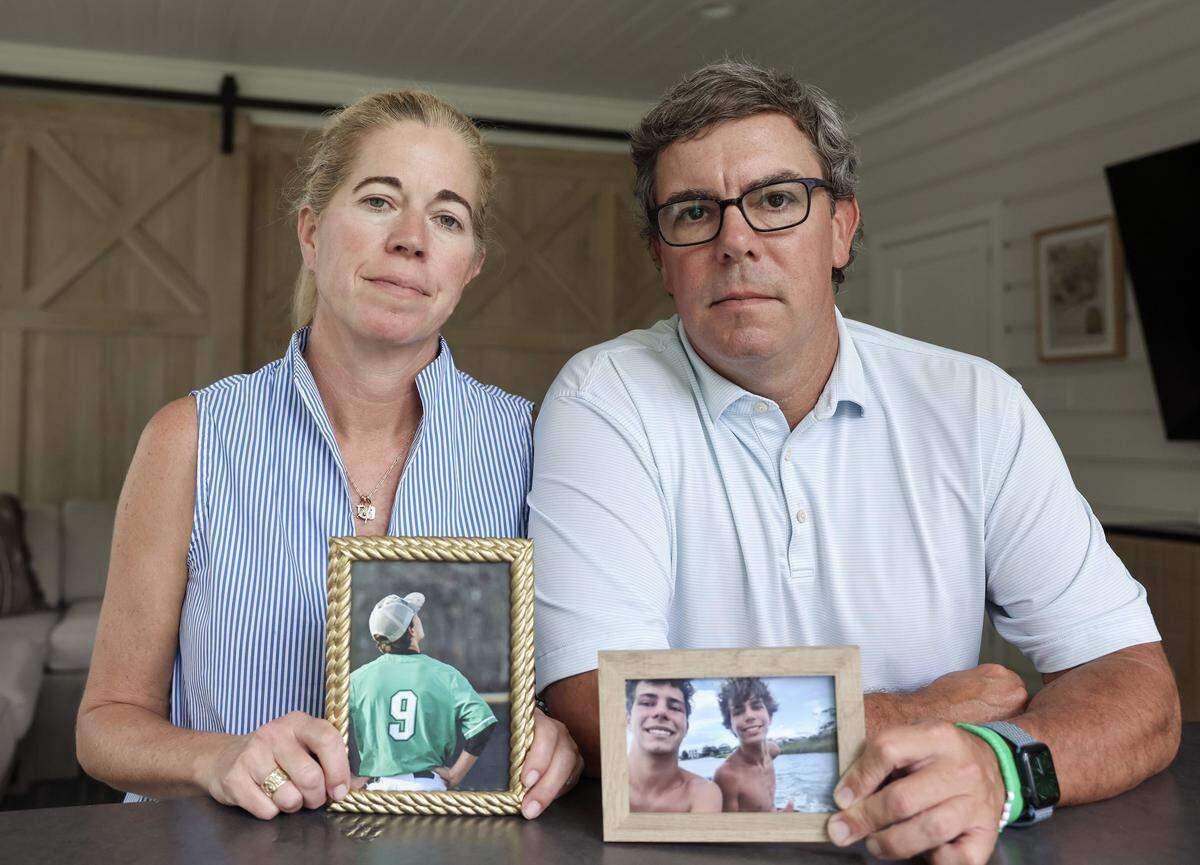
Friends of Abby Fleming will wear ladybug pins in memory of the girl who took her own life early in her sophomore year, on Sept. 13, 2023. Friends of Parker South will wear pins adorned with a “9,” representing the baseball number worn by the senior who took his own life last Nov. 11.
They were two teenagers now remembered through the tiniest of symbols, and for close friends of theirs, graduation day will be extraordinarily bittersweet.
“Every time I moved up a grade, I thought about her,” says graduating senior Anna Blake, Abby’s best friend. “We’d had plenty of conversations about our futures and everything. ... So now — it just feels like I’m leaving her behind, in a way.”
But even those who didn’t know Abby or Parker might find themselves feeling a mix of powerful emotions as their high school careers wind down. Commencement will mark the end of their time at a place that, over the past five years, has seen eight Myers Park students or recent graduates die by suicide — a wave of repeated tragedy that students, parents and mental health professionals say significantly altered the emotional atmosphere of navigating one of Charlotte’s largest and most celebrated high schools.
By almost any measure, it is a startling concentration of tragedy for a single school community.
“I think people talked about the affluent place we live in,” says Sloane Poth, who graduated from Myers Park in 2024. “At the same time, it always felt like a mystery.
“People were always like, ‘Why our school?’”
Several weeks of reporting by The Charlotte Observer — including interviews with grieving families, current and former students and parents, and mental health professionals with ties to Myers Park — reveal a picture far more complicated than any single explanation.
‘It’s The Myers Park Thing’
With more than 3,400 students, Myers Park is among the largest high schools in North Carolina and has long been regarded as one of Charlotte-Mecklenburg Schools’ flagship campuses.
The school routinely ranks highly in the region academically, offering both Advanced Placement (AP) and International Baccalaureate (IB) coursework, dozens of athletic programs, hundreds of clubs and extracurricular activities, and a student body large enough that teenagers can seemingly find almost any niche.
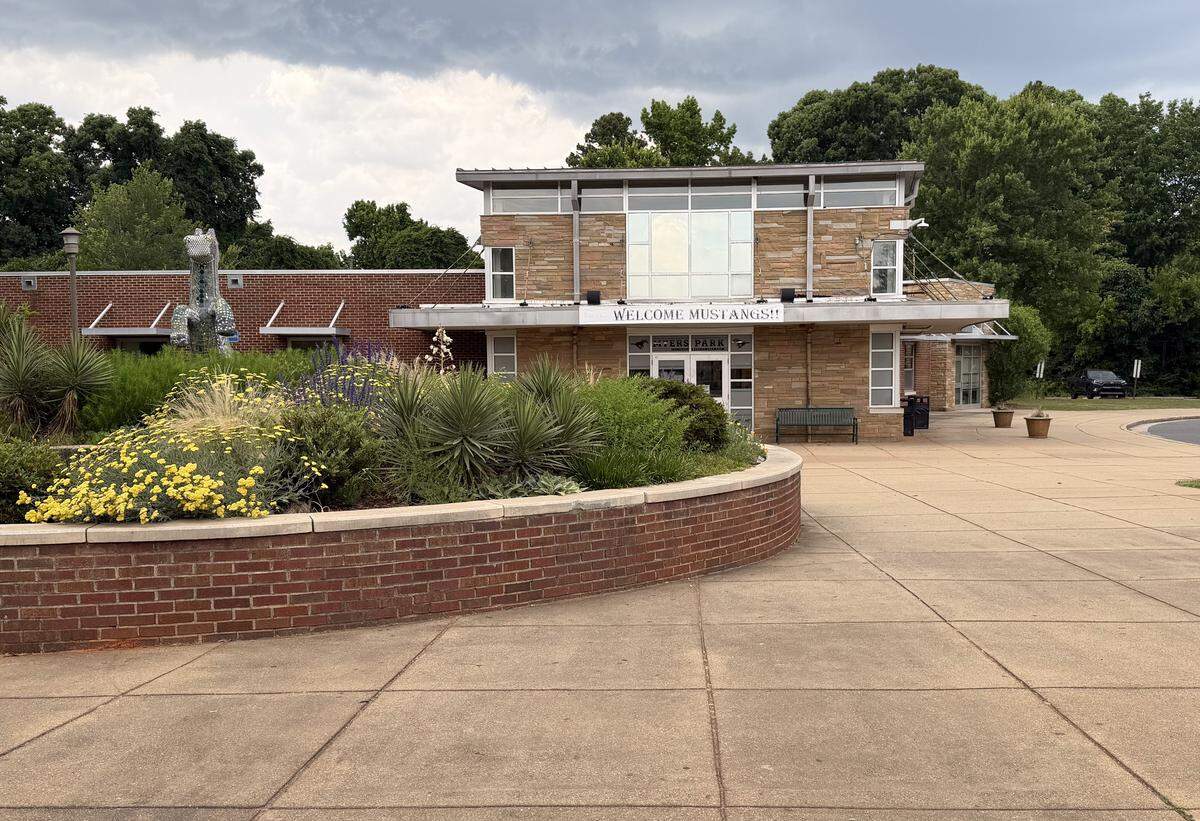
Yet a school large enough to offer endless options can also leave some students feeling anonymous or disconnected. And it is in that tension — between opportunity and isolation — that some believe the more complicated story begins.
“Everyone’s pushed so hard to be the perfect little Myers Park kid,” says Maggie Huff, who graduated from the school a year ago.
“It’s The Myers Park Thing, where everyone goes to Chapel Hill, they meet their husband, they move back to Charlotte, they have kids, they send their kids to Myers Park, their kids go to Chapel Hill, they meet their husbands, they move back to Charlotte. … So it becomes this thing where it’s like, ‘Oh, no, well, if I don’t do that, and I don’t live in Eastover and have my golden retriever, nothing’s gonna work out.’”
“At some point you get so burnt out,” she continues. “But then being burned out doesn’t feel like an option, because everyone else is still doing everything.”
Some current and former students say the pressure often becomes most acute inside the rigorous IB program for 11th- and 12th-graders (and which, as of 2022, included 130 full-diploma students, according to the school’s website).
“I jokingly called it ‘The Stress Olympics’ to my friends,” says Charlie Whitmire, a 2024 Myers Park graduate and IB program alum. “It almost became like a badge of honor — like, ‘Oh, I have so much on my plate. Look how little sleep I’m getting’ instead of it being like, ‘What are we doing to mitigate this?’ and ‘Are we looking after ourselves?’”
‘It’s kind of like impending doom’
CMS did not respond to the Observer’s requests for records tracking student deaths by suicide by school within the district.
But Charlotte psychologist Amanda McGough, a suicide-prevention specialist who has worked with Myers Park students and families, puts it plainly:
“Eight in four and a half years is, in fact, above what we would expect, statistically speaking.”
For the record, there is some nuance to those statistics.
According to the Observer’s reporting, six enrolled Myers Park students died by suicide over the course of less than five school years, beginning with then-sophomore Coble Ishee on Oct. 10, 2021, and ending with senior Parker South on Nov. 11, 2025. During that same period, two Myers Park graduates also took their own lives within months of finishing school.
After each death, the atmosphere on campus would shift dramatically, even if only temporarily.
Current and former students, for example, recall a number of desks being empty for several days after Parker died.
“It definitely feels empty when that stuff happens,” says graduating senior Jack Stoutenger, “and it feels like everyone’s quieter. It’s quieter at school.”
Yet the rhythms of high school kept moving.
Tests still happened. Practices still happened. College applications still had deadlines. Even while entire friend groups were still emotionally reeling, students say, there was often an unspoken pressure to return to normalcy quickly. And perhaps most disturbing, students say they eventually became numb to the news of another suicide after a while.
Says Jake Wood, who graduated last year: “It’s not really surprising anymore, when you see the Myers Park Instagram posts that someone has died.”
Maria Martinez agrees. “It sucks,” says the 2024 graduate. “It really sucks. It hurts us to our cores, and it’s horrible. Of course you don’t want that to happen. ... But you’re kind of just numb to it now. You’re so used to it. It’s like, Oh, well — another one.”
With that numbness, however, came something equally troubling beneath the surface: dread.
For example, students say it became well known that before making school-wide announcements about student deaths, administrators often summoned close friends of the victims to the office first — which meant even something as ordinary as hearing your name called during class could trigger a flash of panic.
“You’re just waiting for another one to happen,” Martinez says. “It’s kind of like impending doom.”
The bottom line, many current and former students say, is that they were psychologically changed in ways the adults around them may not have fully understood.
How the kids who died lived
The victims came from different social circles and different grade levels, and their stories resist any single clear pattern.
(The Observer is only identifying victims whose parents consented to being named, or have been made widely public.)
Abby Fleming had blond curls that spilled over her shoulders and “was a crocheting whiz,” says her mother, Lara Fleming — someone capable of making bags, hats and sweaters for friends and even for her dog, Olive, without using patterns. If you met someone Abby loved, you might find a friendship bracelet on their wrist that she had given them.
Brad and Lara Fleming say Abby was thriving before COVID, struggled with the isolation of virtual learning, recovered, and did well until she experienced the pressures of Myers Park’s social culture.
Parker South was a popular senior who in addition to baseball loved to ski, whether it was in his mom’s hometown of Sun Valley, Idaho, or just up the road at Appalachian Ski Mtn. He was known for extraordinary warmth and compassion, a kid his father describes as someone who would go out of his way to check on a friend if he thought they were having a hard time. His parents say they saw zero signs that Parker himself might be struggling.
In fact, Bo and Danielle South maintain their son’s experience at Myers Park was overwhelmingly positive, and that the school has treated them with the utmost care and respect since his death. They even considered declining an interview because, Bo says, they “just can’t be associated with something that’s going to show (Myers Park) in a bad light, because they don’t deserve it; they deserve the opposite, honestly.”
Coble Ishee, meanwhile, loved running but threw himself into a wide variety of sports, from surfing to golfing to skateboarding — and his parents laugh when they say “he was undeterred by whether his skill matched his enthusiasm.” He had a mop of red hair and a budding interest in photography. But during the final months of his life, they say, he struggled intensely during the pandemic.
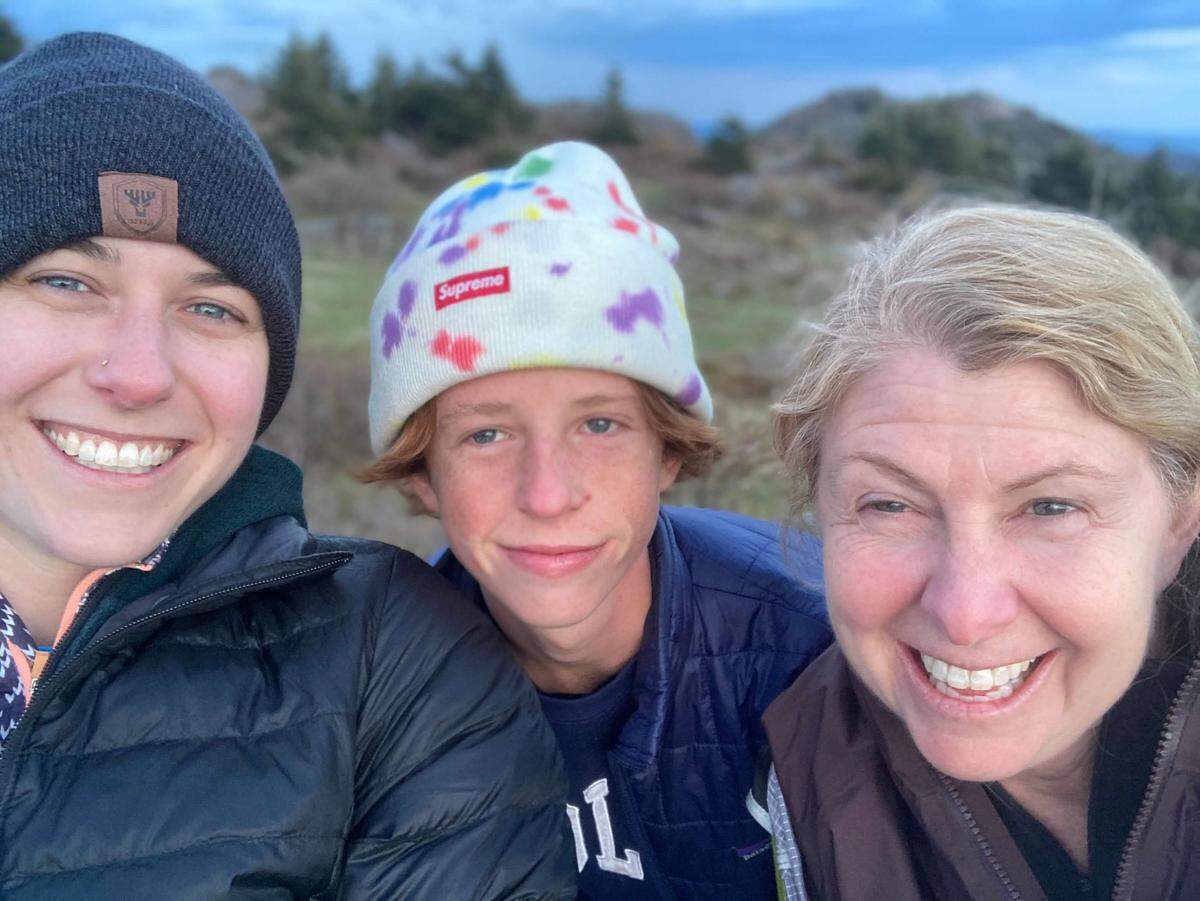
Over the past four years, Coble’s mother, Jennifer Branca, says she has developed empathy for administrators attempting to navigate repeated student deaths. She also laments the fact that even a family actively trying to get help for their struggling teenager — like she and Coble’s father Trey had — often face an overwhelmed and fragmented adolescent mental health system.
But Branca believes the concentration of deaths demands deeper reflection.
“After Parker died,” she says, “an article came out about a Bank of America investment banking analyst who died of a heart attack.
“I remember thinking, ‘Wow. If eight investment-banking analysts at Bank of America — not at Wells Fargo, not at Truist, but just at Bank of America — had died, somebody would be investigating that.’”
‘A very, very, very tough ask’
When initially contacted by the Observer, Myers Park principal Robert Folk declined an interview but invited us to submit questions he said he’d answer for this story. He ultimately did not respond to them after CMS provided us a lengthy statement in lieu of making anyone at the district or the school available for comment.
“Charlotte-Mecklenburg Schools is committed to supporting the mental health, safety and well-being of every student — a focus that remains central to our work each day,” CMS said in its statement. “Across our schools, we have layered systems of support that include education, crisis response, counseling services, staff training, student engagement and partnerships with mental health professionals and community organizations.”
Danielle South also pointed out that specific steps have been taken at Myers Park, including a partnership with local mental health professionals; regular meetings of the Mental Health Matters Committee (an initiative driven by students, parents, school staff, and community partners); and work being done with the Society for the Prevention of Teen Suicide.
But perhaps the most visible incarnation of this at Myers Park is its Wellness Center, established in the fall of 2023 and funded by the family of Jason Huff, another student at the school, who took his own life less than six months after Coble died.
In a story published on CMS’s website in March 2024, the new center was described as “a calming, home-like environment where (students) can retreat, relax, de-stress and de-escalate.”
Some students said they appreciated the effort behind the space, which is open during lunch, overseen by (the school says) counselors and volunteers, and includes lounge seating, games, mindfulness activities and support programming aimed at promoting students’ well-being.
Others, however, question whether it adequately matches the scale of what students have been experiencing emotionally. Several students and parents say school counselors were often being asked to function as mental health responders even though much of their work is centered on academics, scheduling and graduation requirements.
More broadly, families and students acknowledged the difficult realities facing schools with students in crisis: Teachers are not therapists. Counselors are often overwhelmed. Teenagers frequently hide distress.
“I think there’s this perception that the schools have more capacity to help in these situations than they actually do,” Danielle South says. “But there’s just not. I mean, especially at a high school, with the demands on the teachers and the lack of resources and time — I mean, it’s just really very, very, very difficult to put anything meaningful into place.
“Kids aren’t going to come before school, they’re not going to come at lunch, they’re not going to come after school. It has to be done between 7:15 and 2:15, and it’s just a very, very, very tough ask.
“The school is not a therapeutic institution. It’s just not.”
A mother and son who felt unseen
Several students and parents described the public response to Parker South’s death as especially visible and communal, particularly compared with some earlier losses.
Part of that may have reflected Parker’s unusually broad social presence at Myers Park, and many we interviewed also said the school has appeared to evolve — and in some cases improve — its approach to grief and crisis response over the past 4 1/2 years.
But while the Souths vigorously defend Myers Park, there is at least one parent of a victim who believes the culture of the school fundamentally failed her emotionally vulnerable child.
“I feel like my son was never seen there, and he left a lot of writing. He felt the same way,” says the mother, who doesn’t want his name publicized, or hers, for fear of the narrative about his life and death being distorted.
In her view, his death, and others, did not feel so mysterious or difficult to explain.
They felt, to her, like the predictable outcome of an environment her son experienced as emotionally isolating, hypercompetitive and deeply lacking in compassion.
A month before he took his own life, she says, she and her son met with a guidance counselor and an assistant principal at Myers Park after months of trying unsuccessfully to help him feel connected at school. She recalls leaving the conversation feeling as though the message was that Myers Park simply might not be where he found his people.
“To me, that is just cold.”
Like Parker South and Abby Fleming, her son will be absent from this year’s graduation ceremonies. There will be no effort, however, to make sure pins are being worn on classmates’ gowns in his memory. She believes that will be representative of that invisibility her son felt at the school.
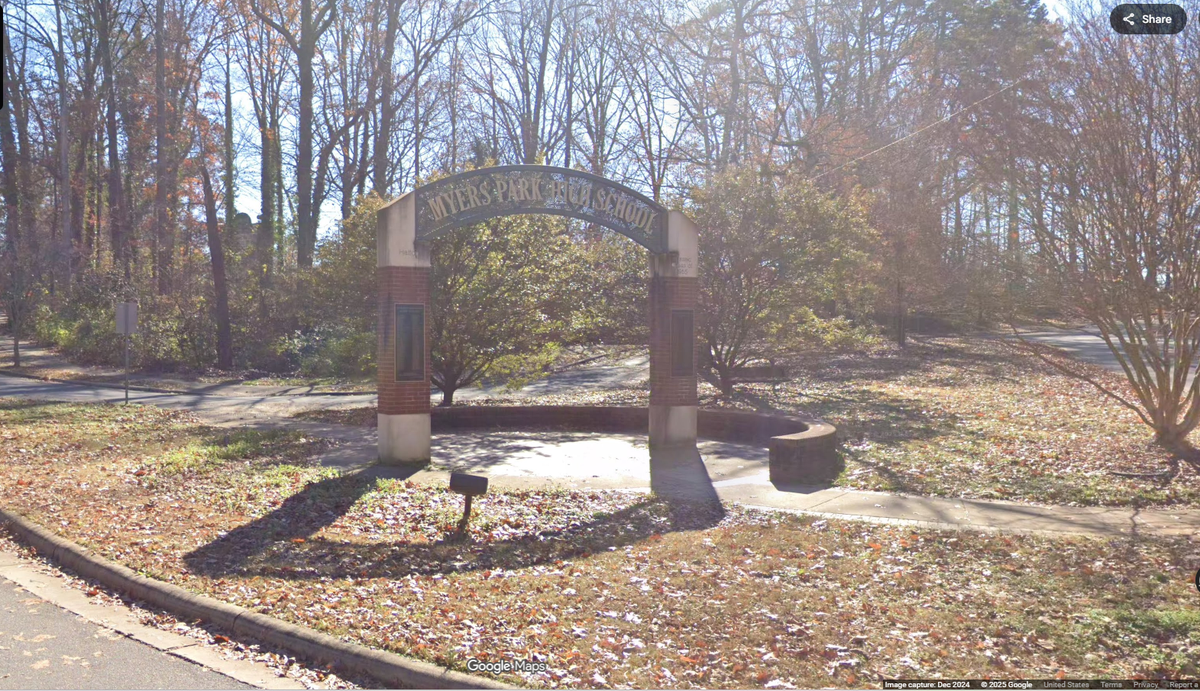
Folk, the Myers Park principal, was quoted in an Observer op-ed earlier this year as saying he’d been to all the students’ memorials; and this mother confirms that after her son died, Folk did attend the service. “But I didn’t even receive a card from any of his teachers — nothing. And none of his peers reached out — nothing,” she says. “So I don’t have a warm feeling about Myers Park.”
“It’s like validation,” she continues, “of what (my son) told me: They don’t care.”
‘How do we start to teach them?’
For that mother, it has become impossible to separate her family’s experiences from the larger question of why so many Myers Park students had died.
But even the mental health professionals we spoke with who found the concentration of tragedies at the school deeply troubling cautioned against reducing them to any single explanation, even if there might be a desperate human urge to do so.
“I don’t think there’s something at Myers Park that is creating this atmosphere that’s particularly toxic,” says Kate Weaver, the executive director of the National Alliance on Mental Illness’ Charlotte chapter.
“So instead of wringing our hands over, you know, ‘thoughts and prayers,’ we should be asking ourselves: What are we going to do as a community? …
“We’ve got this situation in which people are struggling silently, and if we can blow that up into a space that we’re talking about it, and it becomes just part of the fabric of our lives — that it’s okay to talk about it, it’s okay to seek help before a crisis, it’s okay to be on medication, it’s okay to go see a counselor — that, to me, is the most important thing we can do for the community.”
While the number of tragedies at Myers Park is deeply troubling, Jennifer Branca, Coble Ishee’s mom, believes young people everywhere are struggling, and that society in general needs to find more effective and compassionate ways to help them.
“How do we have a real sense of community, and provide real support to one another?” Branca asks, “and what are we teaching our children about true kindness? Not the word kindness, not the platitudes.
“How do we start to teach them — really — to love each other?”
Pins with ladybugs for Abby and the number “9” for Parker at Myers Park’s graduation are a start.
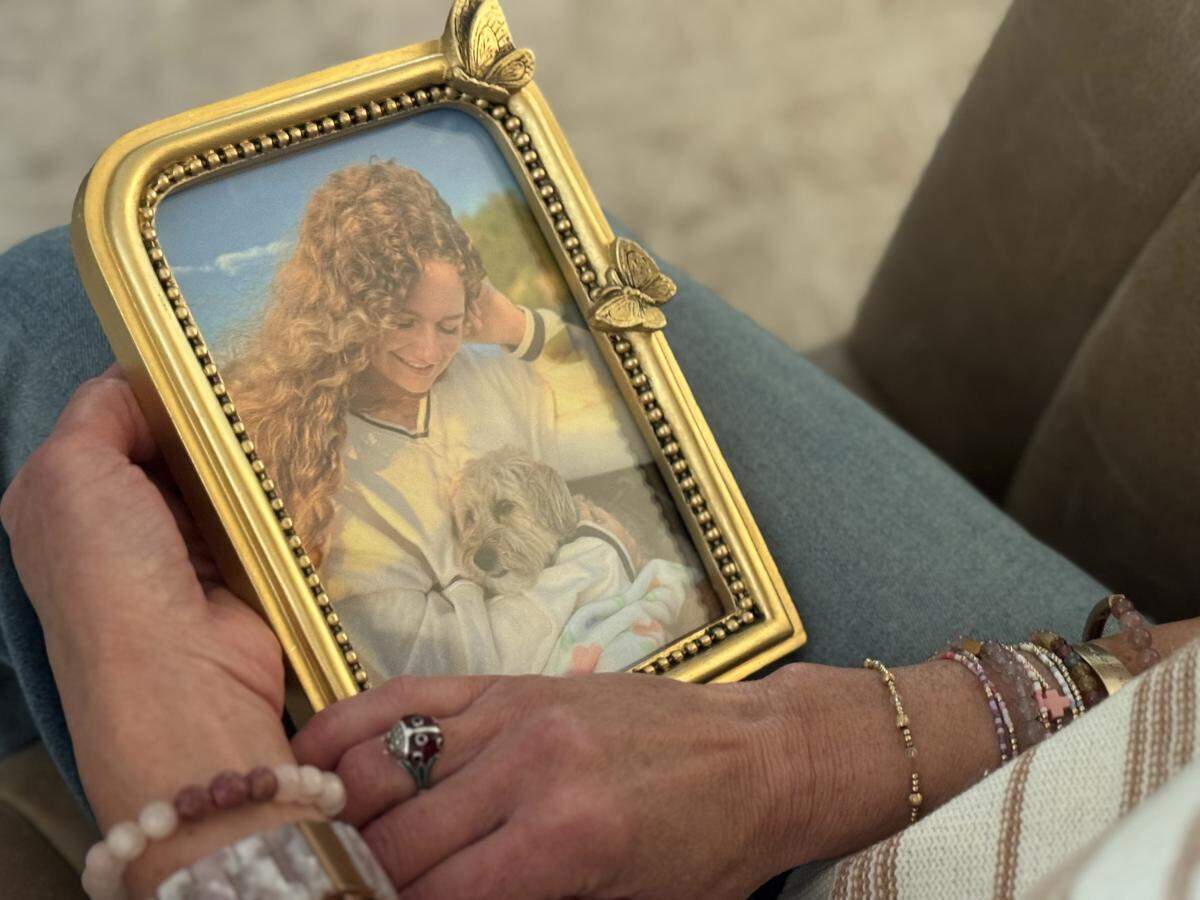
In fact, Lara Fleming has been asking her daughter Abby’s friends to take one for themselves and four more that she hopes they’ll give “to the kids — even if we as Abby’s parents don’t know them — that have been supportive of you during your grief. Because that’s important to us, that you have been supported during your grief.”
Still, those kinds of gestures are only a start.
And as Myers Park’s seniors move through next week’s celebration, out of the school and toward the next chapter of their lives, the community will be left continuing to confront the same difficult question it has wrestled with for years:
How can the school’s entire community work together to make sure struggling teenagers feel seen before they become memories?
If you or someone you know is experiencing a crisis, help is available. In the U.S., you can call or text 988 to reach the Suicide & Crisis Lifeline, or visit 988lifeline.org for confidential support.
Coming Thursday
Read stories about how to recognize mental health struggles your teen may be covering up, and what grieving Myers Park High School parents most want others to understand.