
Despite CMPD’s request, 911 calls of shop owner from deadly shooting will be released, judge rules
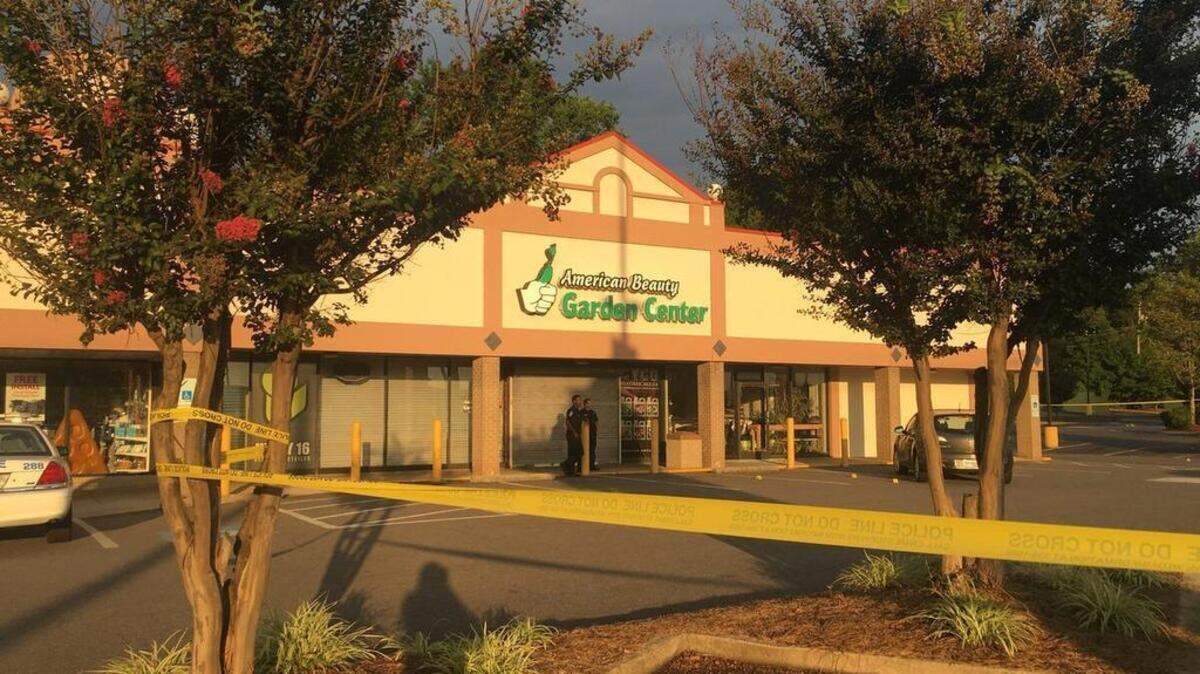
A judge ruled Thursday that 911 recordings will be released in the case of a Charlotte garden center owner, who called 911 to say he had shot someone trying to break into his business, according to Charlotte-Mecklenburg police.
A grand jury is expected to decide Monday whether the business owner will be indicted, officials said, and Judge Jesse Caldwell decided the tapes should be released at 8 a.m. Tuesday.
This was the first time in 10 years the Charlotte-Mecklenburg Police Department made a motion to suppress the release of 911 tapes, Judy Emken, an attorney for CMPD, said in court. Those recordings are public record in North Carolina.
The business owner, 49-year-old Alan Brett Corder, has been charged with voluntary manslaughter. Police said he shot and killed 20-year-old Justin Tyler Anderson after seeing security footage of him breaking into the garden center.
Less than three hours after the shooting, early in the morning of Aug. 6, a CMPD news release said the business owner called 911 to say he was responding to the scene and then called back, a few minutes later, to say he shot someone.
The Observer and at least five other news outlets filed public records requests for the release of the 911 tapes, and CMPD filed a motion to avoid releasing them on Aug. 10.
In court Thursday, lawyers trying to prevent the release had to argue their case without directly discussing the contents of the tapes, because members of the public, including reporters, were present.
The lawyers argued that if the grand jury and, eventually, Corder’s trial jury saw news coverage of the tapes, they might not be able to give Corder a fair trial.
“There’s a particularly prejudicial statement that’s prejudicial against the defendant (in the tapes),” Assistant District Attorney Bill Bunting said.
Charlotte lawyer George Laughrun, who is representing Corder, said his client deserves to be tried inside the courtroom and not in the press.
He said he worried the tapes would have an outsize influence on public opinion if they’re one of the only pieces of information available before Corder’s trial.
Attorney Jon Buchan, who was representing the Observer, WBTV and WSOC, argued that members of the jury often decide cases they’ve heard about in the news. During the jury selection process, he said, lawyers from both sides can ask potential jurors questions and determine which jurors can be fair.
“We’ve had 10 days of (news) coverage in this matter ... no one has suggested it was unfair, sensational or inflammatory,” Buchan said.
In announcing his decision, Caldwell said the law presumes that jurors can be trusted to do the right thing and put aside outside information they’ve heard. Jury selection is useful, too, he said.
“I don’t have any doubt that Mr. Laughrun, with his skills, can ferret out people who are being honest about the influence (of news coverage),” Caldwell said.
This story was originally published August 16, 2018 at 5:25 PM.