
Fact check: Questions and answers about immigration, ICE and more in Charlotte
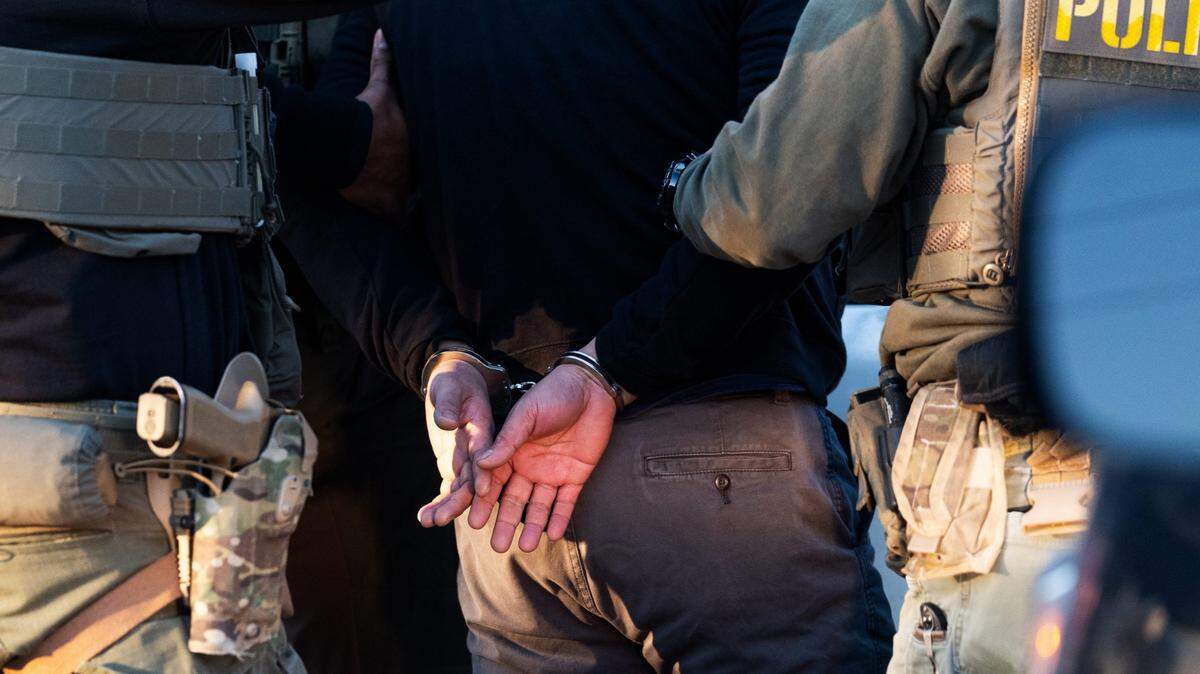
President Donald Trump’s mass deportation campaign is ramping up.
There’s a deluge of immigration news nationally and in Charlotte. Here’s an overview of what’s happening.
What has changed in 2025?
A lot.
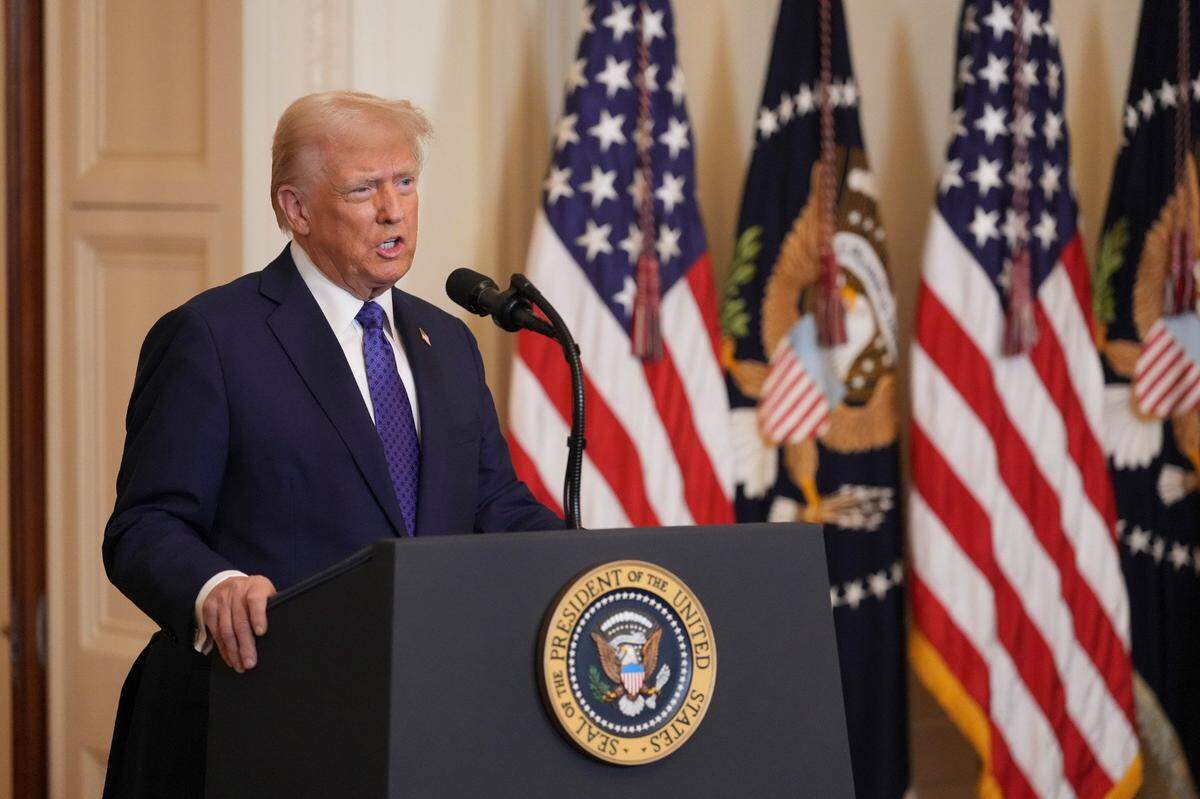
The president is using the Alien Enemies Act to speed up deportations; until now, that law has been used only in war.
“We cannot give everyone a trial,” Trump has said.
Legal experts challenge that position and point to the Fifth Amendment, which says that no person should “be deprived of life, liberty, or property, without due process of law.” The Fourteenth Amendment gives extra protection in the states.
For immigrants, their attorneys and their advocates, there is growing fear. In March, for example, The Charlotte Observer reported that more people were visiting the Honduran consulate here with plans to return to that country or get their children dual citizenship there. Fewer were there seeking passports.
What else is happening in Charlotte?
The federal government used to help fund nonprofits that represent children in immigration court. The new administration cut that funding and is being sued for that. Staff with the Charlotte Center for Legal Advocacy, a nonprofit law firm that received that funding, are worried children might have to make their case to a judge on their own.
The United States Refugee Admissions Program has been paused, cutting off most refugees from coming to the United States. The Charlotte Observer reported in March on people from Afghanistan who were close to coming to Charlotte, fleeing persecution, through the program before Trump halted it. They are stuck hiding in Pakistan. There’s a lawsuit over the administration pausing the refugee program, too.
ICE arrested four people outside the Mecklenburg County courthouse last month, alarming some lawyers and leading Sheriff Garry McFadden to again call for the agency to work with him. It’s “very unusual” for the federal agency to conduct arrests outside the courthouse, said Eddie Thomas, who oversees the violent crimes team at the local public defender’s office. He remembered that happening once or twice during Trump’s last administration. Trump’s border czar, Tom Homan, told Observer partner WSOC to expect more arrests outside a courthouse.
What is happening in Charlotte’s immigration court?
Most people who come to the United States without documentation — or who are suspected of that — are guaranteed due process in immigration court through the Constitution, it has long been understood.
But Charlotte’s immigration court, like others around the country, is heavily backlogged. Attorneys who represent migrants have said the court needs more funding.
Soon after Trump won reelection, local immigration attorney Andrés López said there were two ways to carry out a mass deportation campaign: Either Congress could give more funding to immigration court so due process could happen at a quicker pace, or the government could outright deny that due process.
Experts say the president has chosen the latter course.
Who got arrested outside the Mecklenburg courthouse and why?
We know little about the four men.
McFadden issued a news release on April 24 saying that he witnessed one of them being arrested. ICE later shared the four men’s names: Oscar Lopez, Jose Ortiz, Jose Nicolas Martinez and Miguel Sanchez Vega.
ICE claimed that McFadden did not “honor” detainers for Lopez and Ortiz.
We asked ICE for more information, but the agency has not answered our questions. We don’t know:
The ages of the four men or where they live.
What ICE meant when it said Lopez’s and Ortiz’s detainers were not “honored” by the sheriff’s office.
If the four men are facing federal criminal charges.
Why Sanchez and Nicolas were arrested.
What are Mayor Vi Lyles’s thoughts on ICE’s actions in Charlotte?
We asked Lawrence Corley, a spokesperson for Lyles, if the mayor would like to comment on the arrests of four men outside the courthouse. She declined.
Instead, Corley said in a statement that the Charlotte-Mecklenburg Police Department “has no role in federal immigration enforcement. The CMPD enforces state and local laws; ICE enforces federal immigration laws.”
Charlotte is not a sanctuary city, he said.
Sen. Thom Tillis called Mecklenburg County a “sanctuary” county. True?
The term is used liberally by Tillis and other politicians.
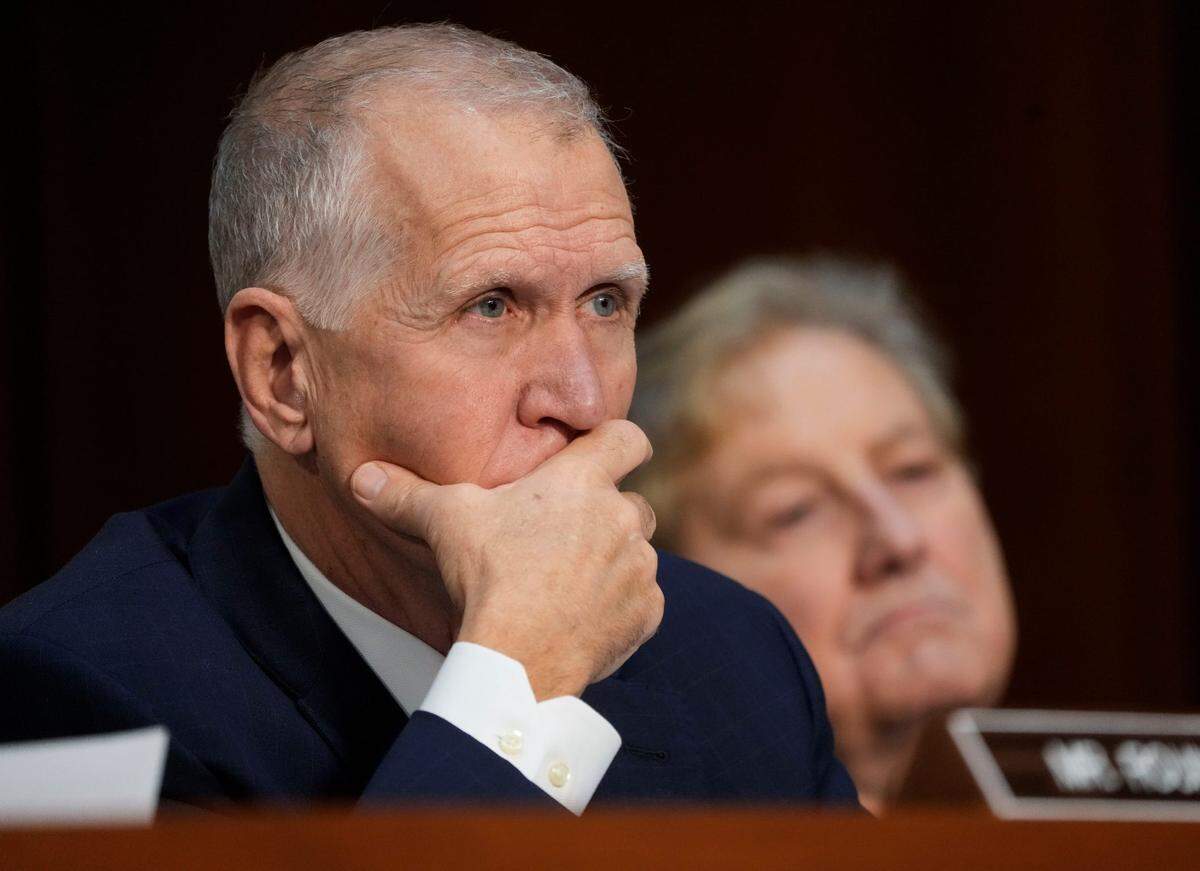
In a social media post labeling Mecklenburg and eight other North Carolina counties as sanctuaries, Tillis said they “refuse to cooperate with federal law enforcement and instead shield dangerous criminal illegals.”
Some other places have embraced the term. In 2017, then-California Gov. Jerry Brown signed a bill making the state a “sanctuary state” and barring local law enforcement from asking people about their immigration status. It also blocked police from being deputized as immigration agents and from holding people in custody for an extra amount of time.
There are no such laws in North Carolina. In fact, state law requires sheriffs to honor ICE’s requests that people be held for 48 hours when they’re found to not have legal status required to be in the United States. (Those requests are called “detainers.”)
”To be clear, the sanctuary policy of Mecklenburg County was implemented by one person: Sheriff McFadden,” Tillis’ senior advisor, Daniel Keylin, said in an email Thursday.
Keylin pointed to a standoff between a SWAT team and Honduran national Luis Pineda-Ancheta in 2019. McFadden did not honor ICE detainers at the time, meaning Pineda-Ancheta was released from the jail, the Observer reported then.
But the sheriff now says he is honoring ICE’s detainers. A bill requiring it, House Bill 10, became law last year.
Is McFadden following the law when it comes to ICE?
Ever since House Bill 10 became law, it appears so.
McFadden’s staff checks whether someone booked in the county jail is legally in the United States, his office told us . When they are not, they send a notice to ICE through a computer system. If ICE wants that person, the agency can collect them up to 48 hours after the notice.
The sheriff’s office has been sending notice to ICE, but ICE has asked for a phone call.
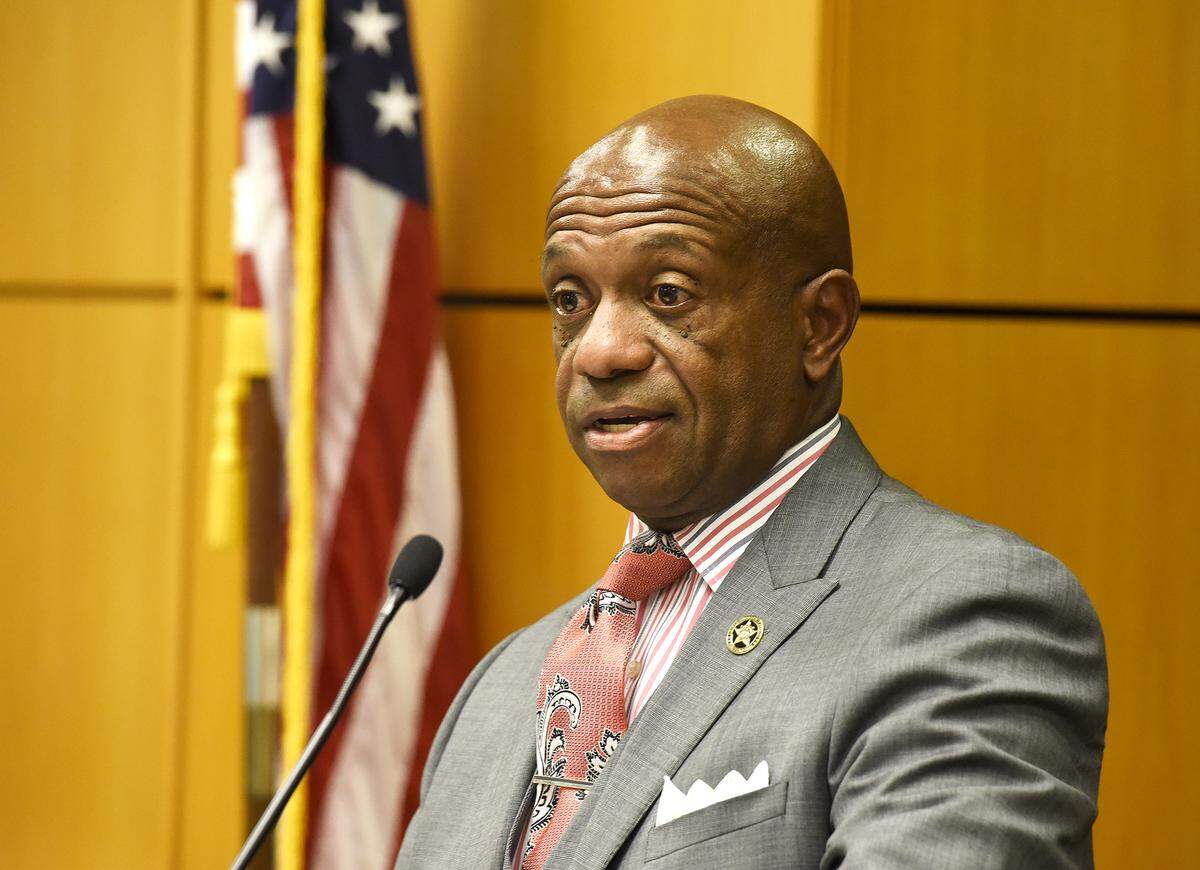
McFadden accuses ICE of not doing what is needed. Since House Bill 10 passed in December and required the sheriff to hold people, ICE failed to pick up 163 people who were held at the agency’s request, McFadden’s office said in March.
What will House Bill 318 do?
House Bill 10 already required sheriffs to honor ICE’s detainers. House Bill 318, which passed the state House last week, would require sheriffs to do more to notify ICE.
The North Carolina Sheriffs’ Association backs it, and most sheriffs in North Carolina do, longtime Sheriffs’ Association executive vice president and general counsel Eddie Caldwell said.
“ICE would prefer for that 48 hours (notice), instead of being at the front end of the process, to be at the back end of the process when the person is about to be released,” Caldwell said. It’s a “procedural” fix, he said.

The new bill would also expand the criminal offenses that require sheriffs to try to determine the legal status of a person under arrest. They would have to notify ICE if they cannot determine someone’s status.
The North Carolina ACLU told the Observer that House Bill 318 will “not make our state safer.”
“This harmful bill will strain already limited law enforcement resources, increase racial profiling of black and brown communities, and continue to erode the trust between immigrants and the protective services they should be able to rely on,” Policy Analyst Sammy Salkin said. “Immigrants in North Carolina should not have to live in fear of being detained, deported, or separated from their families.”
Which Democratic state House member from Charlotte joined Republicans to back the ICE bill? And why?
The vote fell mostly on party lines, but Charlotte Democrat Carla Cunningham supported House Bill 318.
She wants McFadden to do more to work with ICE, the Raleigh News & Observer reported.
Do immigrants commit more crime than other people?
No.
Research shows quite consistently and across the political spectrum that it’s just not true.
Northwestern University found in a study that, over 150 years, immigrants have been less likely to be incarcerated than U.S.-born citizens.
The liberal Brennan Center for Justice had similar findings and added that the same is true for undocumented immigrants.
“The evidence is overwhelming that immigrants in the United States have had a lower crime rate than native-born Americans since at least the 19th century,” according to the libertarian Cato Institute. “When people learn that fact, they aren’t surprised that legal immigrants have a lower crime rate than native-born Americans, but they are surprised that it’s also true for illegal immigrants.”
Ryan Oehrli covers criminal justice in the Charlotte region for The Charlotte Observer. His work is produced with financial support from the nonprofit The Just Trust. The Observer maintains full editorial control of its journalism.
This story was originally published May 5, 2025 at 5:00 AM.