A seat at the table? Women are underrepresented in UNC system’s top leadership
READ MORE
19 for 2019: Some of the N&O’s top reads of the year
Expand All
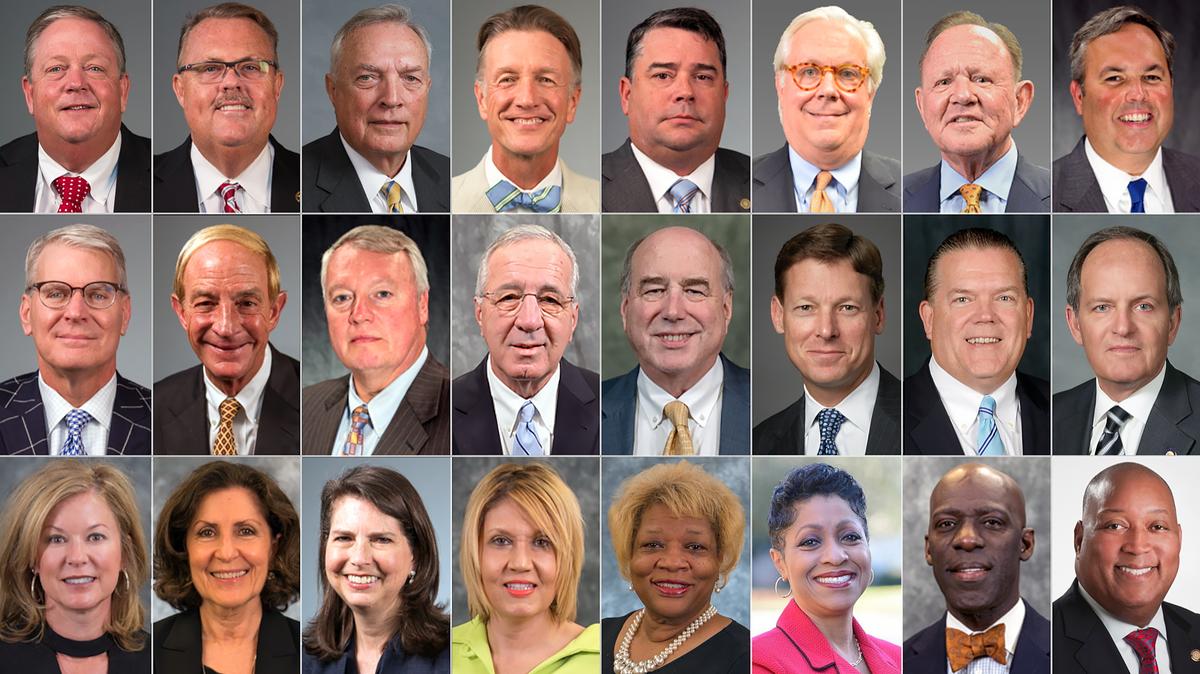
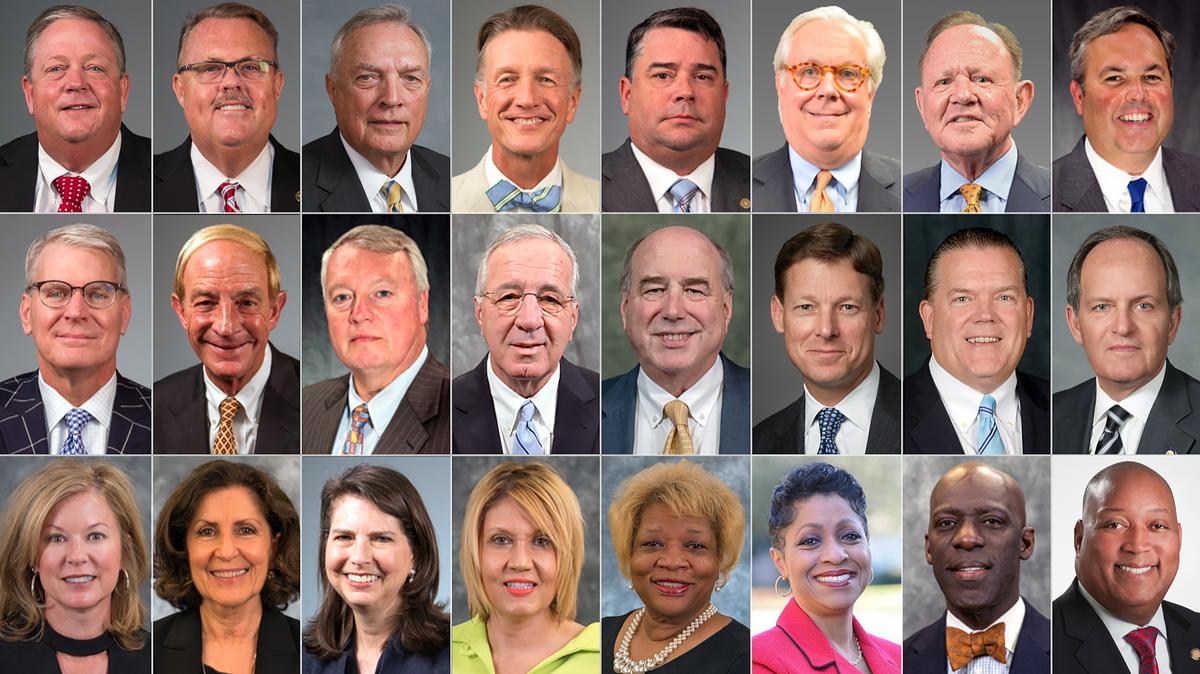
Randy, Darrell, Louis, Phillip, Leo, Thomas, Thomas, Reginald, James, Mark, Terry, Marty, Steven, Alex, Doyle, David, Robert, Adam, Temple, Dwight and Michael.
These are the 21 men that sit on the 26-person UNC System Board of Governors. Nineteen of the 21 are white.
Wendy, Pearl, Kellie, Carolyn and Anna.
These are the five women who also have a seat at the table.
The leaders of the UNC System, those who hold the power to make decisions and set policy at North Carolina’s 16 public universities, do not reflect the demographics of students or residents they serve.
Men hold the majority of positions of power but women make up the majority of students. White men make up 73% of the board but only 25% of students. There are three black board members (11.5%), while 20% of students are black.
The number of students of color enrolling in UNC System schools is growing by thousands each year. And the percentage of white students has been steadily declining each year for the past five years, down 5% from 2013 and 7% from 2009, according to UNC System enrollment data.
When the opportunity came to replace two white male board members recently, with the departures of Rob Bryan and former board chair Harry Smith, the state legislature selected a black man and another white man.
But what does it matter if university leadership isn’t diverse?
“A greater variety of perspectives around the boardroom table leads to a better, stronger and more engaged and prepared board,” said Henry Stoever, president of the Association of Governing Boards of Universities and Colleges. “That board has a greater ability to see potential pitfalls or opportunities because of their difference in experiences.”
And diverse boards will often better align with the student body and the institutional mission, he said, which is ultimately what the Board of Governors is trying to accomplish.
The board recently called for an investigation into ex-East Carolina University interim Chancellor Dan Gerlach after he was out drinking at popular bars near campus and then later drove home. Gerlach initially defended his behavior as being approachable, but some experts said it was an inappropriate way to connect with students.
The board and interim president Bill Roper were tasked with evaluating whether Gerlach was still fit for the job, which he was pursuing permanently. Ultimately, Gerlach resigned before the investigation was complete but the discussions among leaders deciding Gerlach’s fate probably would’ve been different with more women involved.
“The more diverse your team is, the higher it’s going to function. There’s no question in my mind about that,” said Elon University President Connie Book. “If everyone around the room is the same gender or the same race I’m going to get fairly homogeneous thinking.”
Diverse boards and cabinets means more diverse responses about the situations that universities are trying to tackle and more diverse thinking about strategy, said Book, who is the first female president at the private university.
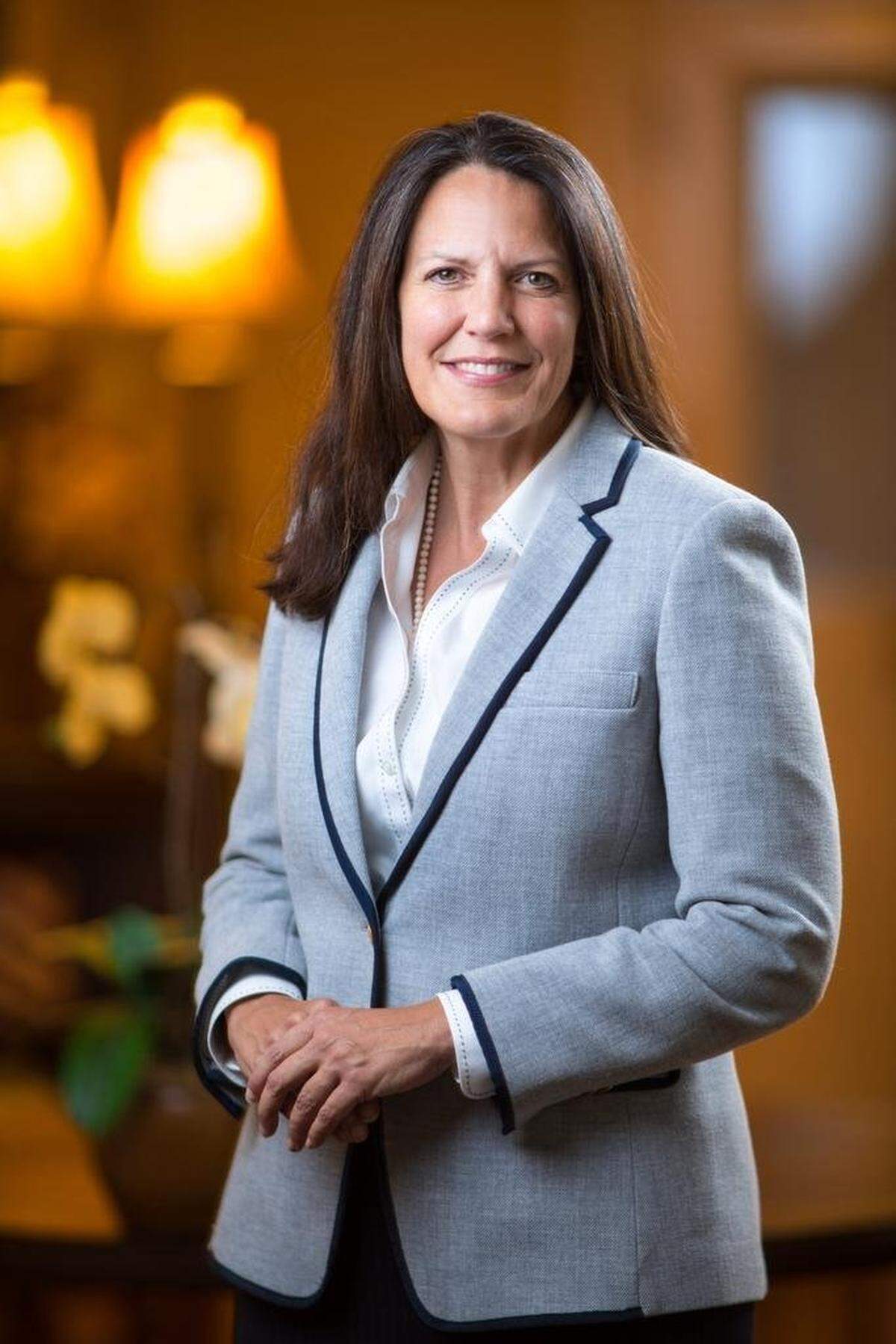
It also provides a greater understanding of the constituencies that universities serve as student bodies are increasingly more and more diverse, she said. And problems or mistakes stem from people not knowing what questions to ask.
“It’s not that I knew information and made the wrong choice, it’s that I didn’t have the awareness,” Book said. “One element of being a successful leader is that you’re always trying to improve your situational awareness, and one of the key ways we do that is by building our teams and being diverse.”
Lynn Pasquerella, president of the Association of American Colleges and Universities, said it’s invaluable to have women and people from diverse backgrounds represented on boards because of the decisions they make.
Boards are often determining the allocation of scarce resources and influence what university administrations focus on, including Title IX and equity issues.
“We know that if you are someone who has experienced sexual harassment as a woman, racial harassment as a person of color or anti-Semitism … that will inform what you can bring in terms of your expertise to board service,” Pasquerella said. “We know that diversity of perspective will lead to stronger governance.”
‘Not just skin color’
Despite the small number of women and people of color on the UNC System Board of Governors, vice chair Wendy Murphy said the board is more diverse than it may appear because members come from different backgrounds and parts of the state.
“Diversity is not just skin color,” Murphy said. “You try to look at everything.”
In education, Murphy said, diversity might be women in science, veterans or male teachers. And she pointed out that the board has African-Americans, a Native-American woman, and people from rural North Carolina, the mountains and the coast.

“I’ve never really seen a time while I’ve been on the board that no one was listened to,” Murphy said.
Murphy said she doesn’t see a disconnect between the makeup of the board and the student body as a problem.
“We’re not going to do this for you because you’re female and this because you’re a male,” Murphy said. “At the end of the day, everybody needs a degree and a job. I think we’re trying to make a decision on what’s best for students in the system and not just focus on one group.”
Elizabeth City State University Chancellor Karrie Dixon, who spent 10 years working as senior administrator at the UNC System Office, said diversity is important but does not have to be exclusive to race.
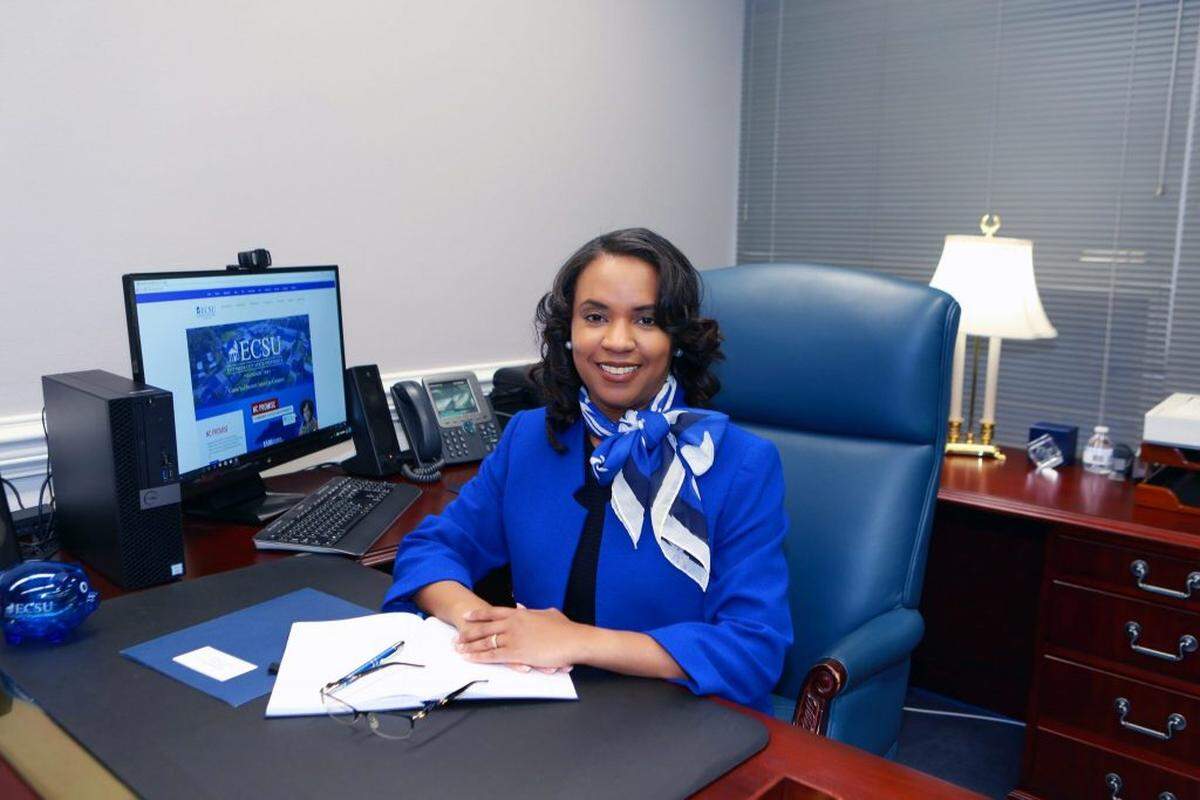
“Having people think differently is an added plus to any conversation around developing policy and shaping policy,” Dixon said.
“When I talk to board members and trustees, if they don’t understand something they’ll ask and that’s an opportunity to inform or educate,” Dixon said. “It resonates and it becomes part of their decision-making process because they voice those concerns after they understand them.”
How did we get here?
The number of women serving on college and university boards has increased over the past 50 years.
In 1969, about 12% of board members nationwide were women. That number is up to about 32% nationally, Stoever said, referring to Association of Governing Boards of Universities and Colleges reports. But over the past 20 years, that number hasn’t moved much.
“While we’ve made progress, we have a long way to go,” Stoever said.
Stoever said the figure has been stagnant primarily because it hasn’t been a priority. But another reason is the recruiting sources that the governors’ staffs, state legislatures or boards themselves are using.
“[They] have not been considering diversity as a component of the skill sets and experiences that are required to serve in the boardroom,” Stoever said. “We have unconscious bias that impacts everyone’s decisions.”
The 24 voting members of the UNC System Board of Governors are elected by the North Carolina General Assembly to staggered four-year terms. The General Assembly is also majority white and majority male.
The board has shrunk in the past couple of years, from 32 members to 24 members, at the behest of the state legislature. When the bill was signed by Gov. Rov Cooper in 2017, Republican supporters said the smaller board would be more efficient. Democrats argued the board’s lack of diversity could get worse, The News & Observer previously reported.
In addition to setting policy and developing and governing the statewide university system, the board elects the president of the system. The UNC System president hires the chancellors, including interim leaders, at each of the 16 campuses and the North Carolina School of Science and Mathematics in Durham.
Stoever said when people are looking to fast track hiring decisions it’s easier to think about what they’ve done in the past and do it again. And they tend to choose people that look like them or have similar experiences.
Another challenge is that people are selected based on political connections or because of their capacity to contribute financial resources to an institution, Pasquerella said. And that often leaves women out.
She said our society also needs to change its definition and image of a good leader, which has favored men.
“We value, as a society, authoritarian, autocratic leadership and not the more authentic, collaborative, consensus-building leadership that women are more likely to exercise,” Pasquerella said. “We judge women on their appearance, on their likability and on their past achievements, whereas we judge men on their potential.”
More female students, fewer female leaders
The chancellors across the UNC System are more diverse than the board and better reflect the makeup of the campuses they lead.
About 30% of the system’s 16 universities are led by women, and the majority of leaders are white. At the same time, all but two campuses have more female students than male students.
Appalachian State, UNC-Asheville, Elizabeth City State and Western Carolina all have female chancellors. Peggy Valentine is the interim at Fayetteville State.
Last year, two more women were on that list, with Margaret Spellings as the UNC System President and Carol Folt as the chancellor of the system’s flagship UNC-Chapel Hill.
Spellings 3-year tenure was marked by a contentious relationship with the board that challenged her authority, the News & Observer reported at the time of her departure.
Folt suddenly resigned after ending the months-long debate over the Confederate monument Silent Sam that stood on UNC’s campus and was toppled by protesters in August 2018. The board wasn’t privy to her decision when she announced her departure. The board then pushed her out of her job earlier than she had planned to leave.
Spellings was replaced by former UNC Health Care CEO Bill Roper and Folt was replaced by Kevin Guskiewicz, both of whom are interim leaders and white males.
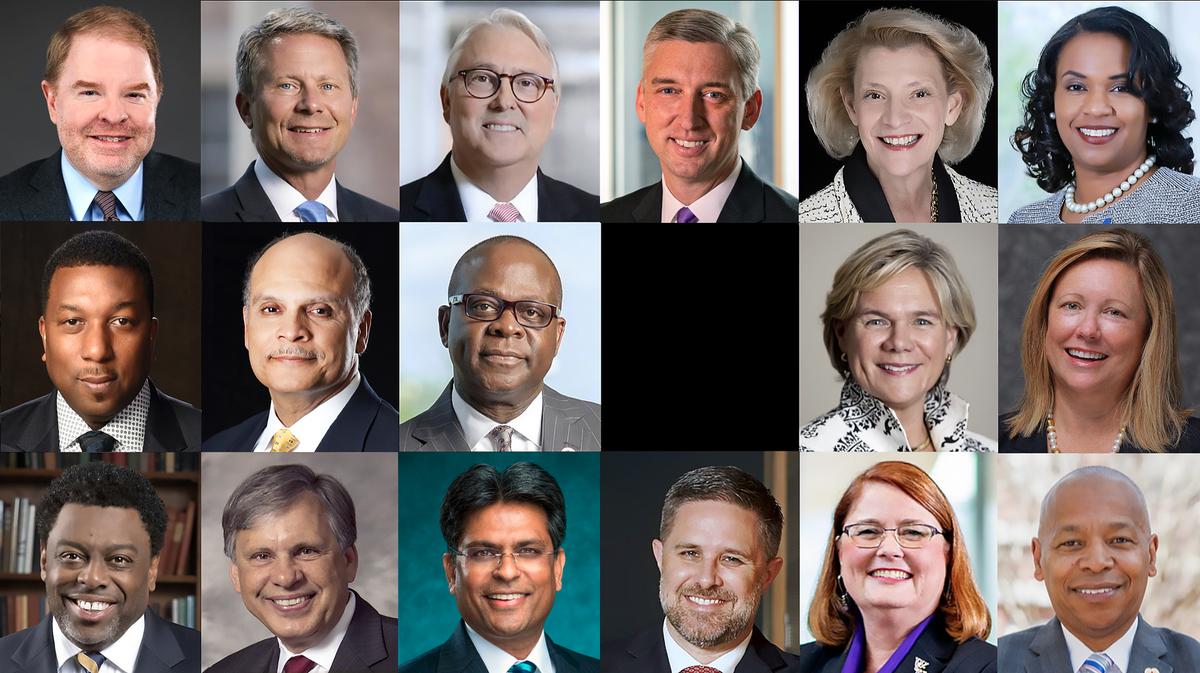
The system’s five HBCUs and UNC-Greensboro have black chancellors. Jose Sartarelli, who’s Brazilian, leads UNC-Wilmington and Robin Cummings, a Native-American, leads UNC-Pembroke. Elizabeth City and Fayetteville State have black female leaders and majority black and majority female student bodies.
All UNC System schools have a majority female student body except for NC State and UNC Charlotte, which each are just under 50% women.
East Carolina, UNC-Chapel Hill, North Carolina A&T, N.C. Central, UNC-Greensboro, UNC-Pembroke, UNC-Wilmington, UNC School of the Arts and Winston-Salem State have male leaders, but a majority female student body.
“It is sometimes daunting to be in a room and you’re the only person in the room that is a female,” said Kelli Brown, chancellor of Western Carolina. “You just have to remind yourself that you’re an equal.”
She said it’s a situation that a lot of women, Latinos and African-Americans find themselves in often. It happened to her recently at the Southern Conference presidents meeting, where she was surrounded by only male presidents.
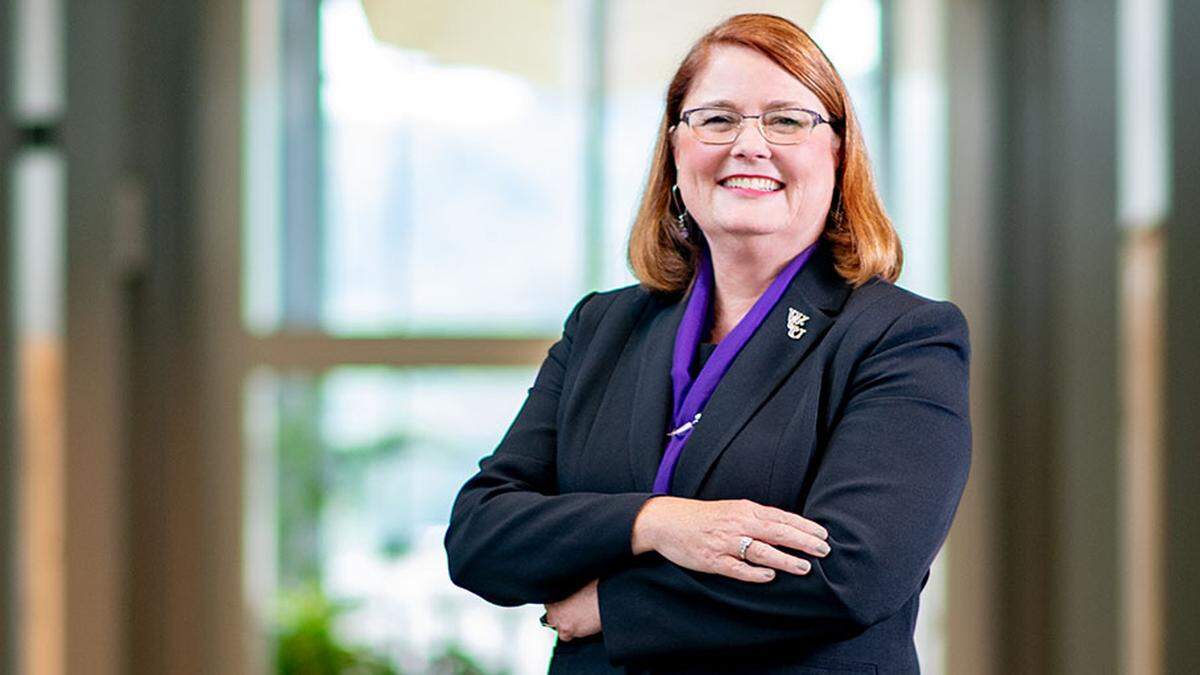
Brown, who is Western’s first female chancellor, said having women at the table is important because they think differently about situations, particularly ones around people. She said women bring a different context to management and personnel issues.
“If there are issues around a crisis situation and there’s no women sitting around the room I’m sure that there are things that are being missed as far as how would we maybe respond ... or how do we react to the situation,” Brown said.
A significant challenge to improving diversity in higher education leadership is that people need to be able to see themselves in faculty and administrative roles if they are going to aspire to them.
“The fewer women there are, the less likely it is that women are going to be able to see themselves doing that work or imagining themselves in those roles,” Pasquerella said.
Women who are in those leadership positions now are a key part of opening the door for each other.
“If we don’t help each other then how do we expect that to happen?” Dixon said. “You have to be willing to pass the baton.”
Students have made clear they want diverse leaders by voting for women and students of color in their student government elections.
Among the 16 UNC System student body presidents, six are women (38%) and the majority are students of color. Half of the 14-person UNC System Student Cabinet is made up of women and the majority are students of color.
How do we get more diverse leaders?
Women recruiting and sponsoring other women is not the only way to make change.
Because men outnumber women as CEOs of companies and university administrators and leaders, those males need to embrace bringing women in, Book said.
“The way that room gets more diverse is the leaders decide to make it so,” Book said. “It’s just that simple.”
They may not be able to make it as diverse as they need it right away, she said, but they can build in a pipeline so that in 24 months it is.
Such a pipeline is being built through a program within the human resources department at the UNC System, according to Dixon. She described it as a process for chancellors to identify women and people of color on their campuses to groom for higher level administrative positions when there’s a vacancy at a campus. Dixon said Spellings tapping her for the chancellor position at Elizabeth City is an example of that.
The responsibility also lies with the state legislators or governors who are appointing members to university boards.
Stoever suggested the possibility of making a policy, similar to the NFL’s Rooney Rule, that would require boards, search committees and legislators to interview minority candidates for leadership positions or include women in the candidate pool.
And as corporations, local governments and communities continue to shift demographically, higher education boards will shift as well because they typically draw from top leaders in those areas, Stoever said.
“You need to expand your criteria and expand your sources in which you’re recruiting from,” Stoever said. “The more that happens that includes diversity candidates, the more we’re going to see change.”
There will be more opportunities down the road for the state legislature to build a more diverse board as several members’ terms end in 2021. And the board is currently searching for a permanent system president, who could hire as many as five chancellors at universities across the system that are open positions.
Those people in power who shape higher education in North Carolina could take advantage of these key moments to give more women and people of color a seat at the table.
This story was originally published November 26, 2019 at 6:54 PM with the headline "A seat at the table? Women are underrepresented in UNC system’s top leadership."