UNC journalism school’s namesake says his concern about hire won’t affect his giving
READ MORE
The hire and the fury: Nikole Hannah-Jones at UNC
Read all of The News & Observer’s coverage of the University of North Carolina’s decision to hire the Pulitzer Prize-winning New York Times journalist and the controversy that ensued.
Expand All
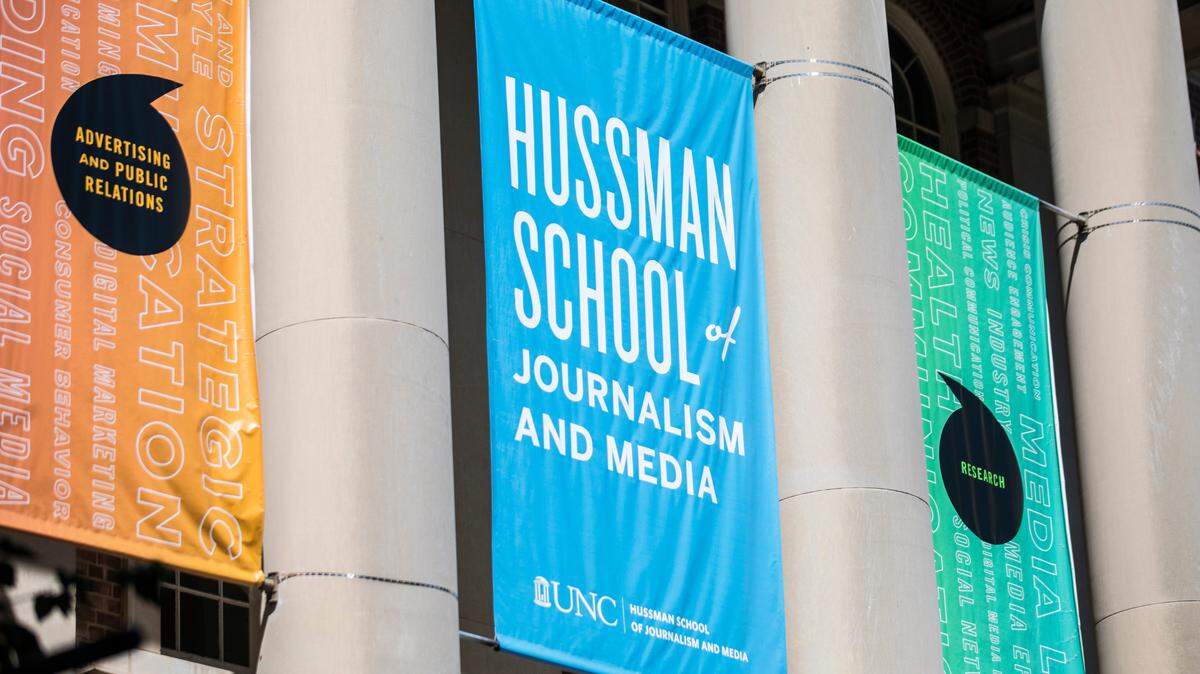
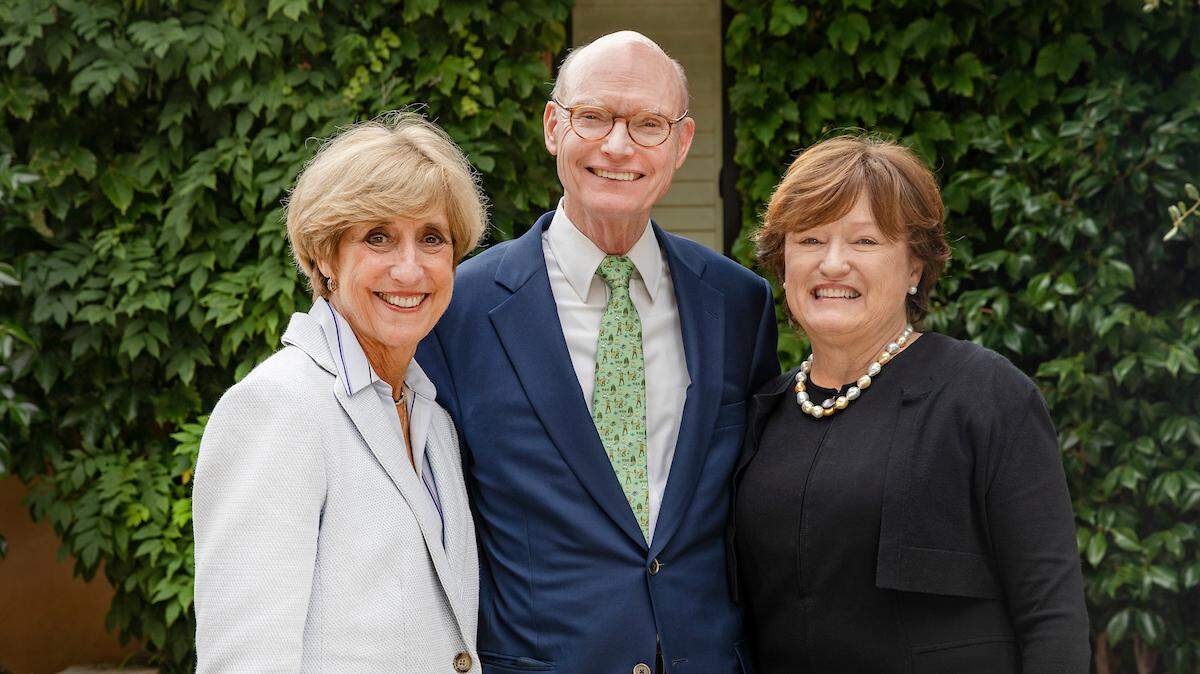
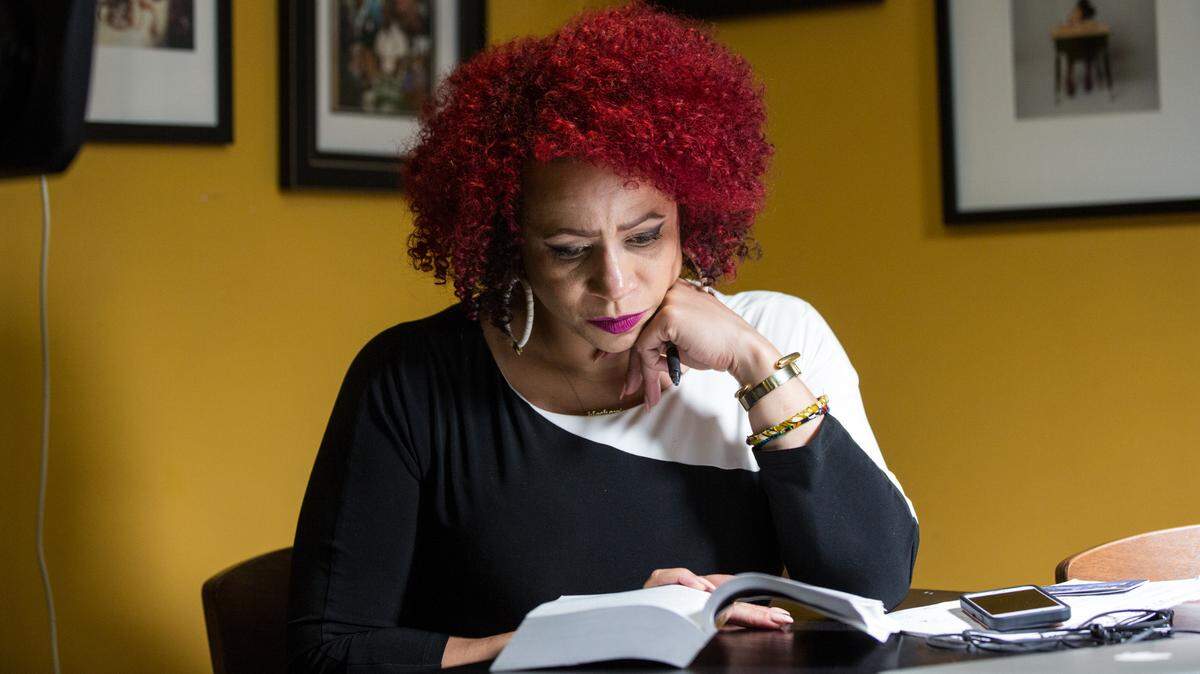
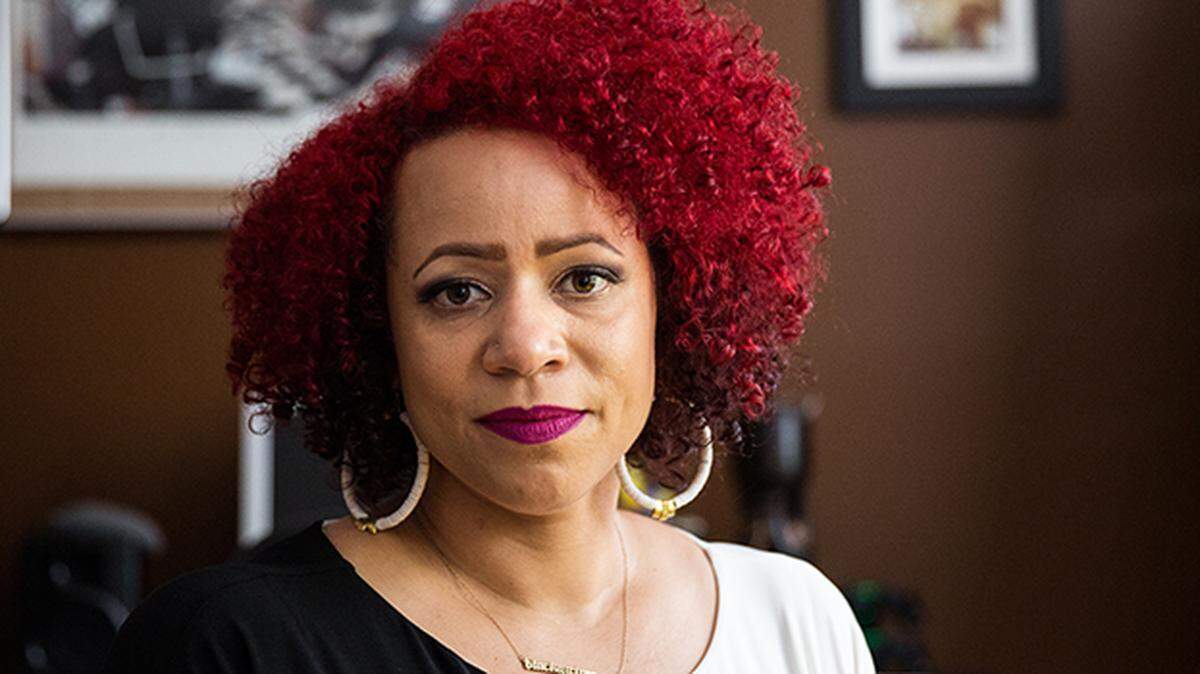
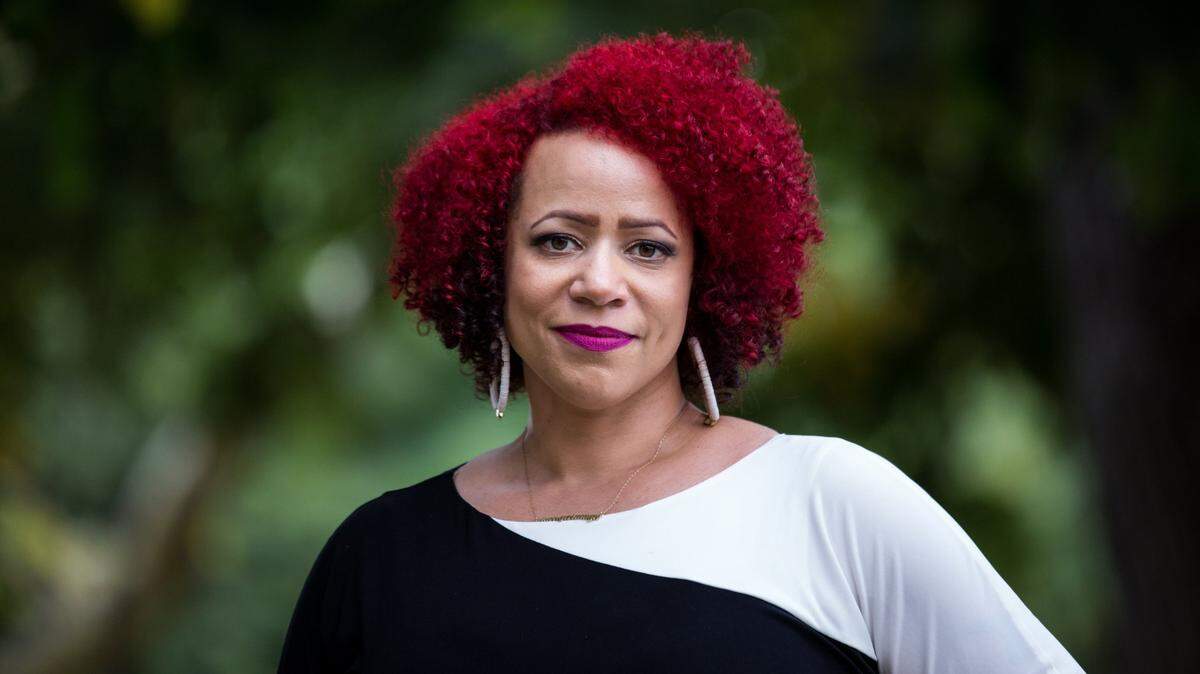
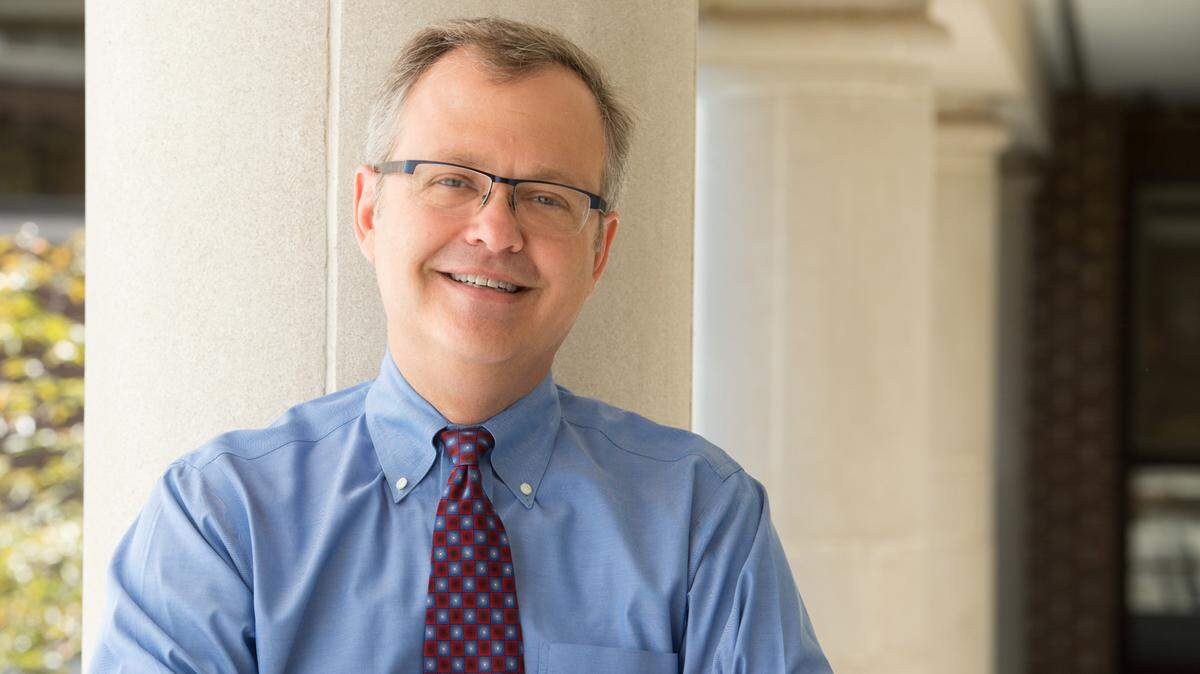
The UNC-Chapel Hill journalism school’s top donor and namesake says his “concerns haven’t gone away” about the hiring of journalist Nikole Hannah-Jones. But Walter Hussman Jr. said those concerns won’t affect his $25 million pledge to the school.
Hussman said he stands by emails he sent to top university officials last year expressing his qualms with Hannah-Jones, the Pulitzer Prize winner who is set to join the UNC-CH faculty in the Hussman School of Journalism and Media this summer.
The hire ignited a national conversation about academic freedom, race and politics in higher education over the past two weeks.
“I was not trying to say ‘do not hire Nikole Hannah-Jones,’” Hussman said.
He said the hire was never going to affect his financial contributions to the journalism school and still won’t.
“I don’t think donors should have a say in who gets hired or who gets terminated in the faculty,” Hussman said. “And I don’t think any university worth its salt should allow that.”
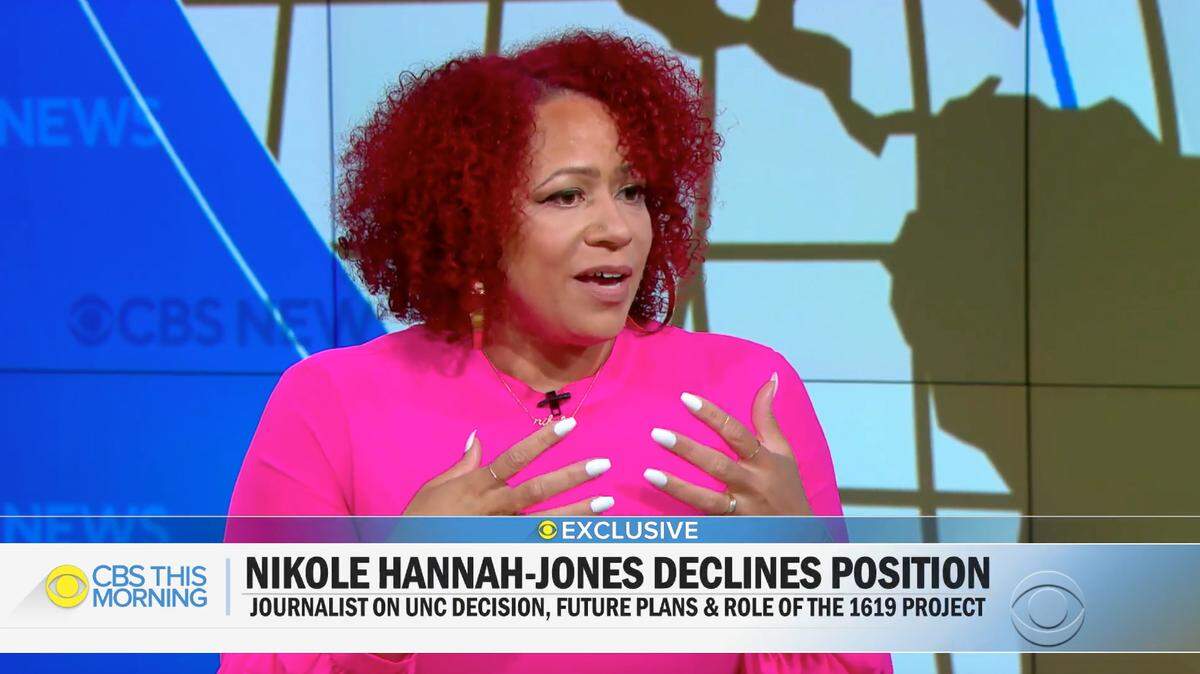
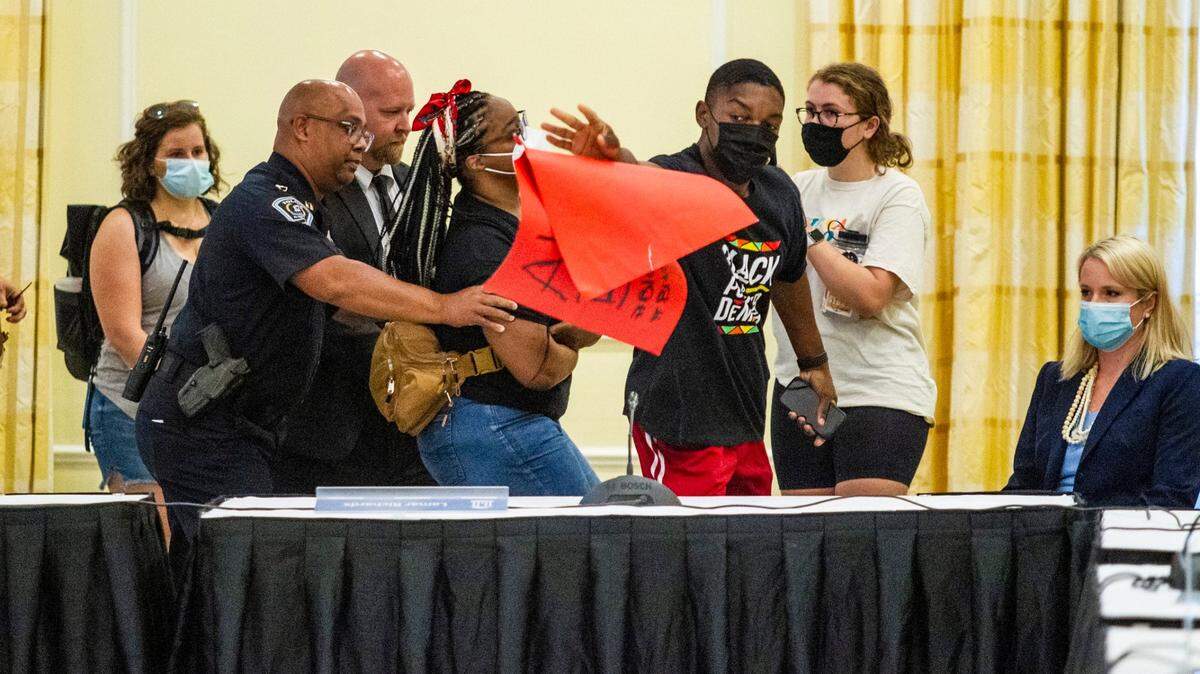
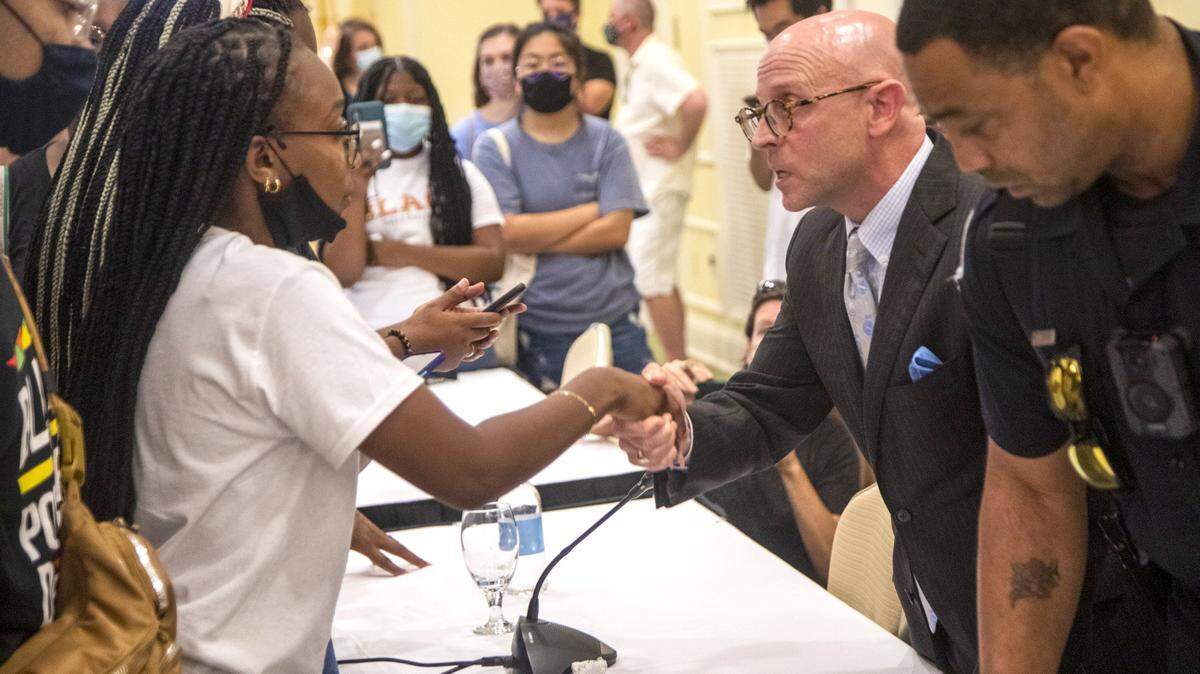
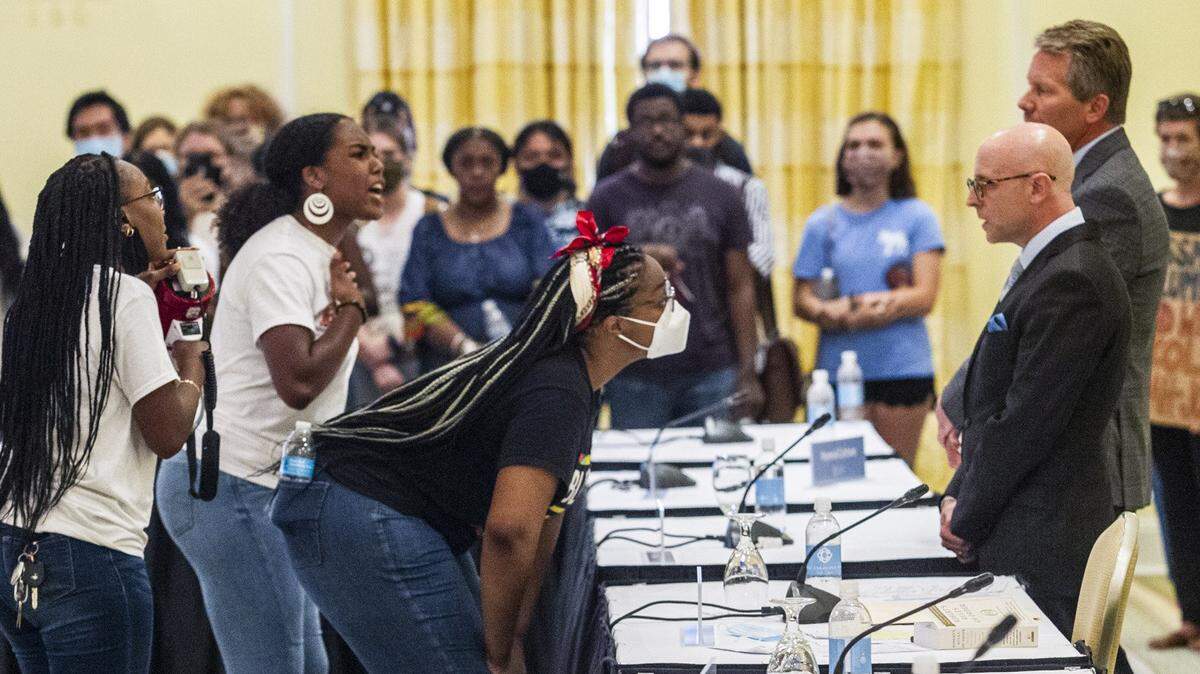
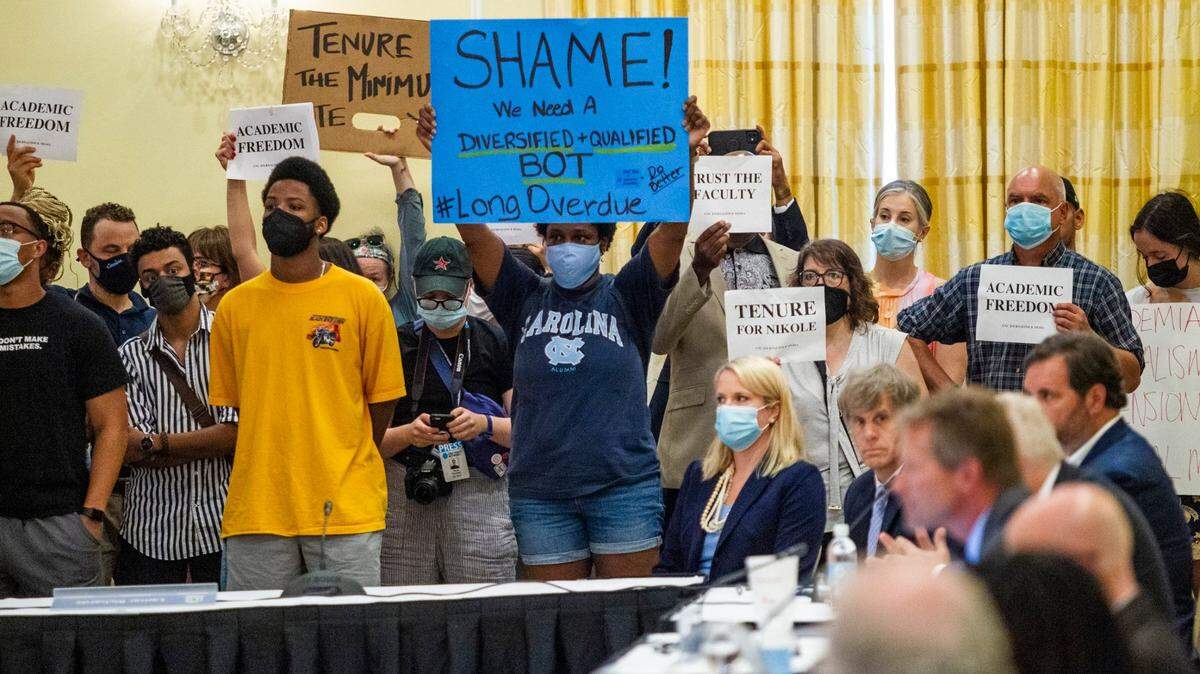
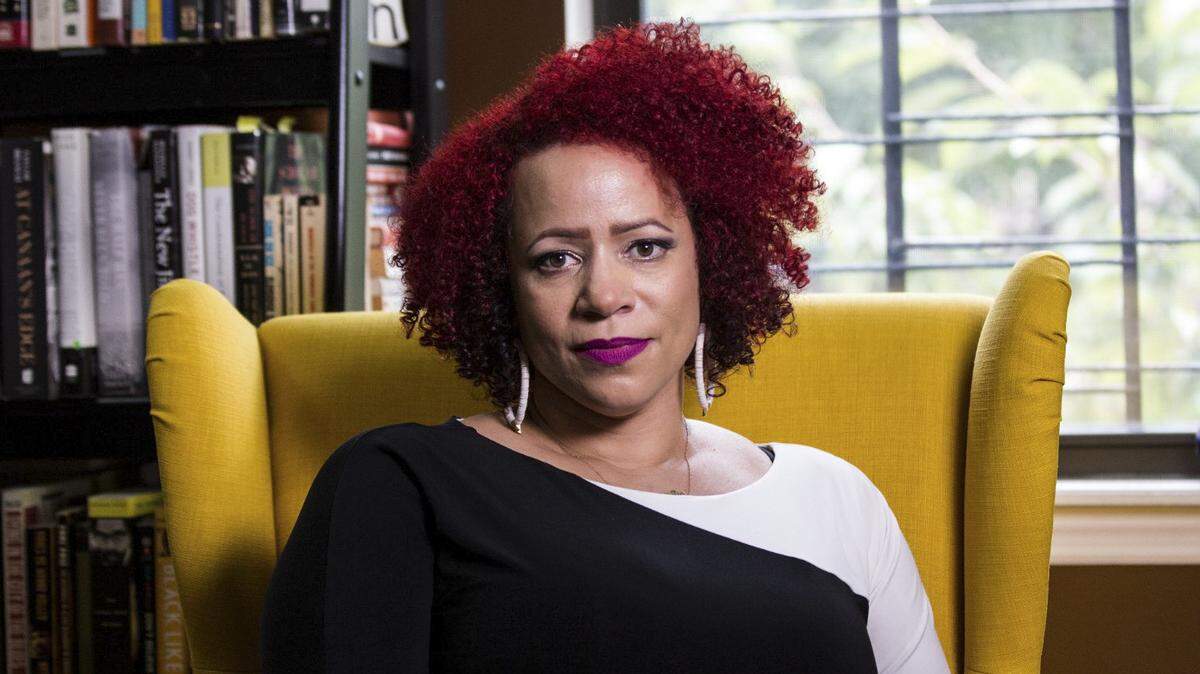
The UNC-CH Board of Trustees failed to grant tenure to Hannah-Jones, a Black woman, as the Knight Chair in Race and Investigative Journalism and is facing the threat of a federal lawsuit over its decision.
Hannah-Jones is best known for her work on The 1619 Project, which explores the history and legacy of Black Americans and slavery. The project has been debated by politicians and criticized and defended by historians since it published in The New York Times in 2019.
Hussman, a Carolina alumnus and publisher for Arkansas Democrat-Gazette, told The News & Observer he wanted to share his research and reservations with university leaders, as any donor or alumnus should do.
“I just made my concerns known,” Hussman said, “Whether people accept them or reject them is up to them, it’s not up to me.”
Hussman’s emails to university officials were first reported by The Assembly, a digital magazine in North Carolina.
“My hope and vision was that the journalism school would be the champion of objective, impartial reporting and separating news and opinion, and that would add so much to its reputation and would benefit both the school and the University,” Hussman wrote in one email. “Instead, I fear this possible and needless controversy will overshadow it.”
Concerns with Hannah-Jones and The 1619 Project
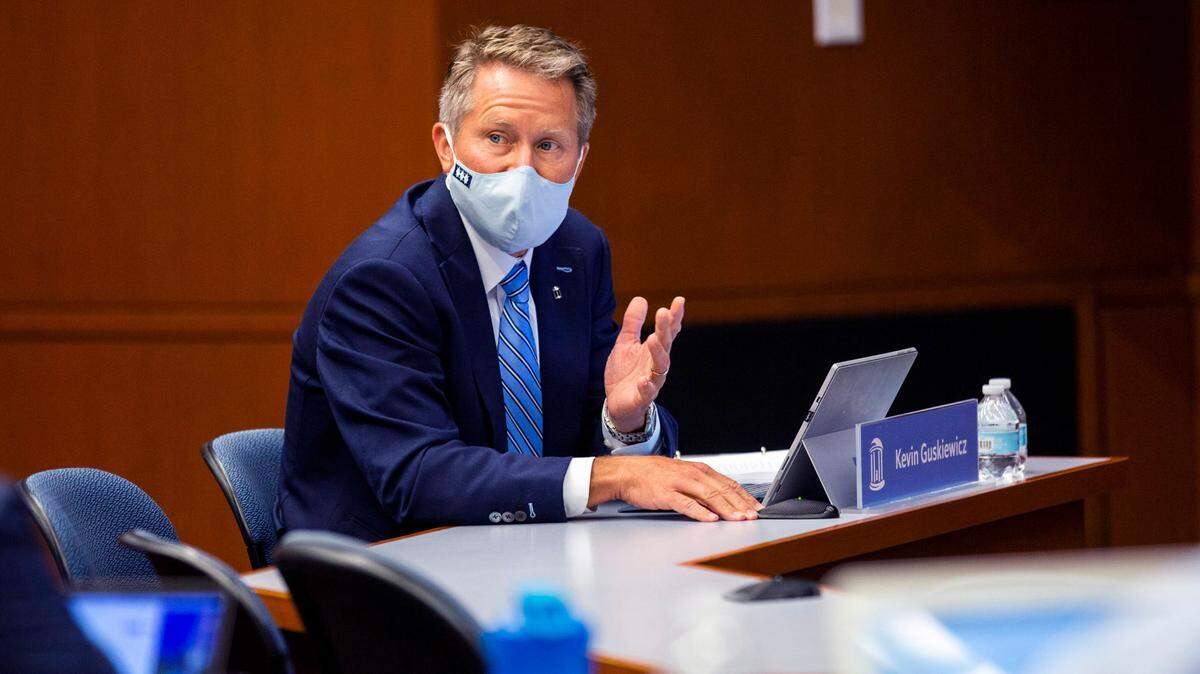
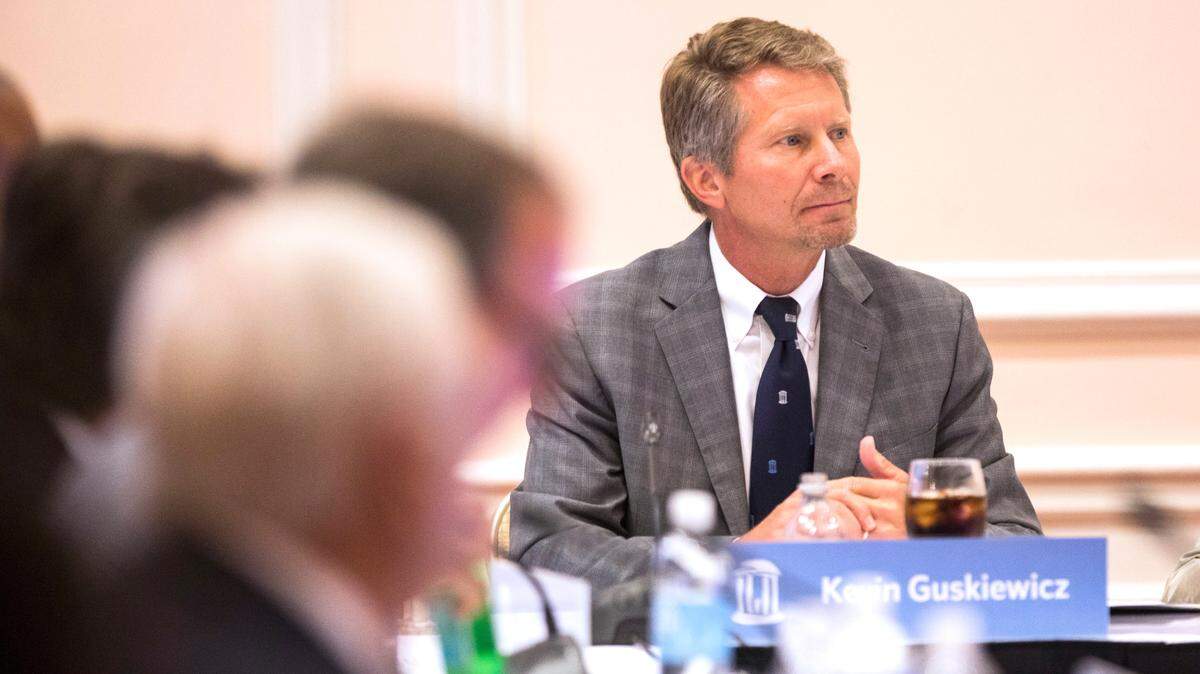
Hussman said he sent four emails to David Routh, vice chancellor for university development; Susan King, the dean of the journalism school;and Chancellor Kevin Guskiewicz expressing concerns about hiring Hannah-Jones and her work.
He also talked to a member of the Board of Trustees about the issue and shared his emails with that trustee.
The UNC-CH Board of Trustees approves faculty appointments for tenure, and the board is currently reconsidering tenure for Hannah-Jones.
The News & Observer has requested, but has not received, copies of Hussman’s emails from the university. Hussman said he’s considering publishing them himself. He described the content, but did not share the emails with The N&O.
When King initially told Hussman she was trying to hire Hannah-Jones last summer, Hussman told King he had reservations because of Hannah-Jones’s work on The 1619 Project. But he wanted to do more research on the project and read more of her work to “better understand where she was coming from,” he said.
Hussman said one of his complaints is Hannah-Jones’s statement that the country’s founders fought the American Revolution to preserve slavery. That claim was disputed by a historian who helped fact-check the project and by some historians who criticized it. Ultimately, The New York Times clarified the statement, but stood behind the basic point that it was a motivating factor for some colonists.
“I worry about the controversy of tying the UNC journalism school to the 1619 project,” Hussman wrote in a December 2020 email to King, copying in Guskiewicz and Routh, The Assembly reported.
“Based on her own words, many will conclude she is trying to push an agenda, and they will assume she is manipulating historical facts to support it,” Hussman wrote. “If asked about it, I will have to be honest in saying I agree with the historians.”
More than 150 historians and UNC-CH faculty have defended Hannah-Jones’s work, and she was inducted into The Society of American Historians after the project was published.
Hussman said he also disagreed with a line in the essay that said “For the most part, black Americans fought back alone.” He listed the efforts of white Freedom Riders, protesters and journalists in the South who “advocated for civil rights when it was highly unpopular.”
Hussman said that claim “denigrated the efforts of a lot of people who fervently believed in the equality of Black people.” And he explained that opinion in an email in September to Routh, Guskiewicz and King, according to The Assembly.
Hannah-Jones tweeted part of that email saying “Just, wow: ‘Long before Nikole Hannah Jones won her Pulitzer Prize,” Hussman, the biggest donor to UNC’s journalism school, wrote, “courageous white southerners risking their lives standing up for the rights of blacks were winning Pulitzer prizes, too.’”
Hussman also brought up Hannah-Jones’s story in New York Times Magazine explaining the reparations owed to Black Americans. He said he wasn’t taking a position for or against reparations, but it’s a “highly contentious, highly controversial” issue.
He said he’s “afraid for the journalism school” if Hannah-Jones is a leading advocate for reparations because it might overshadow the school’s values of journalism.
Asked whether he trusts the decision of the dean and chancellor in hiring Hannah-Jones, Hussman said he still has the same concerns.
“Maybe after she’s there awhile, maybe I won’t be concerned or maybe I’ll be more concerned,” Hussman said. “I don’t know, that’s really up to her.”
Donor influence on hiring
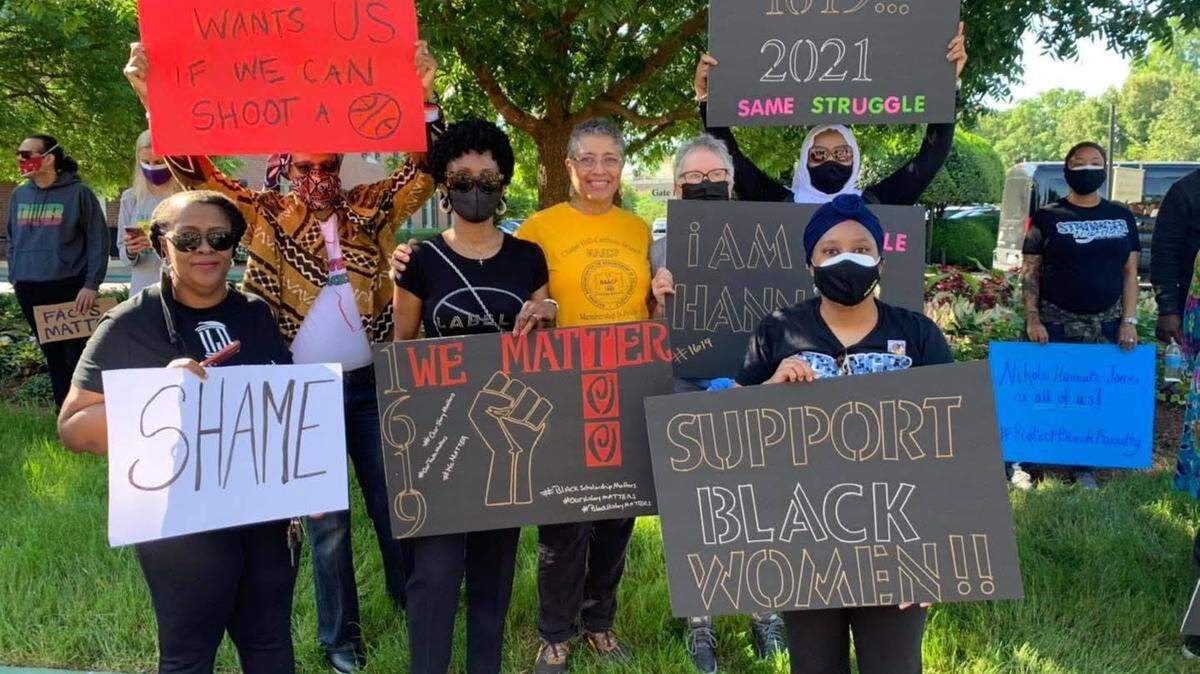
UNC-CH faculty have been staunch supporters of Hannah-Jones by advocating for her work, approving her candidacy for tenure and calling on the board to reconsider her appointment.
Journalism professor Deb Aikat, who serves as an elected member of the Faculty Executive Committee, said UNC faculty are livid with Hussman’s emails and say it affects the school’s integrity.
“A donor is trying to influence who we hire and that’s problematic. Period,” Aikat said.
Regardless of Hussman’s intentions, Aikat said this isn’t just any donor or UNC graduate calling about something they disagree with.
“Walter Hussman’s opinions come with a $25 million ticket and his name is associated with the school,” Aikat said.
Instead of making a public statement, Hussman was privately nudging important people, according to Aikat. If Hussman didn’t want to influence it, he would’ve kept quiet, Aikat said.
King listened to Hussman’s concerns but said Hannah-Jones’s would be a positive thing for the school and for the university, according to Hussman. And they agreed to disagree, he said.
King was unavailable for an interview Tuesday, but said in a statement referencing the article in The Assembly that she’s been very frank with Hussman and always will be.
“The faculty decide who is invited to join the school and what we teach,” King said. “I have also been clear that the values of academic freedom and philanthropic distance are as important as core journalistic values. We are guided by all three.”
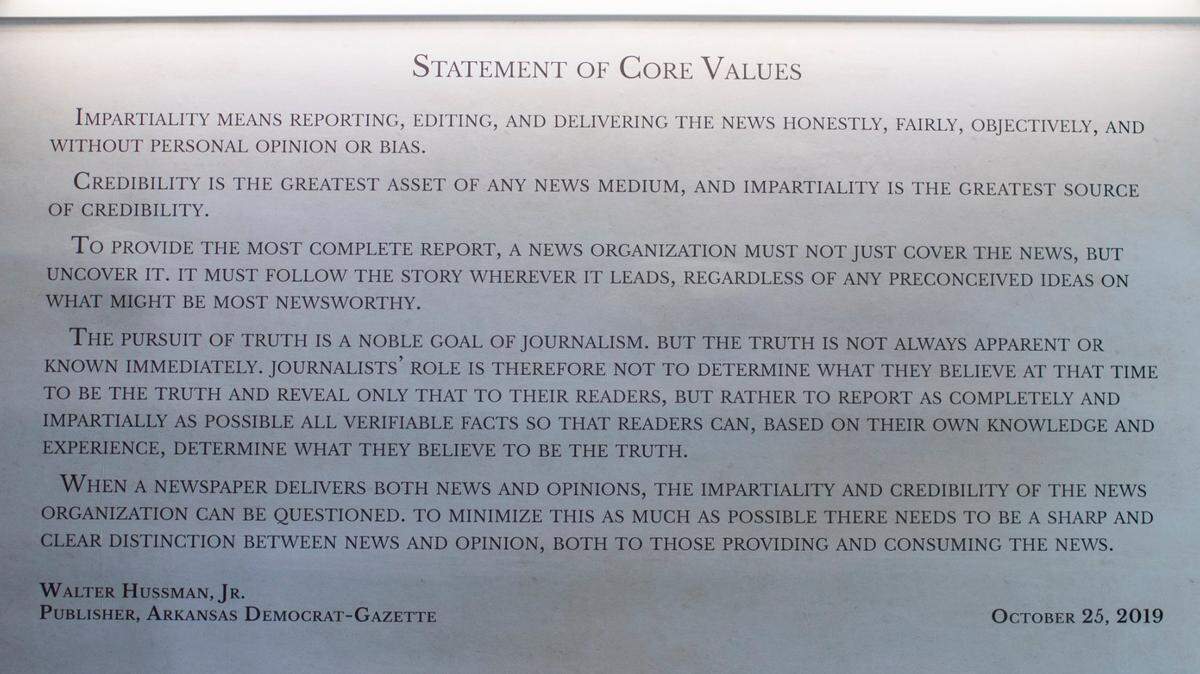
Hussman’s core values are printed in the entryway of Carroll Hall at the journalism school and will later be etched in the granite.
“Impartiality means reporting, editing, and delivering the news honestly, fairly, objectively, and without personal opinion or bias,” according to Hussman’s statement of core values.
Hussman said he doesn’t know if Hannah-Jones represents those core values or goes against them, but he’d like to talk with her about what she thinks of them.
Hannah-Jones could not be reached for comment Tuesday.
New chief diversity officer at UNC
Amid this controversy, UNC-CH has hired Leah Cox as its new vice provost for equity and inclusion and chief diversity officer. The university has been conducting a national search to fill this position for months.
Cox is currently the inaugural vice president for inclusion and institutional equity at Towson University in Maryland.
She will advise the chancellor’s and provost’s offices on building “a campus community in which all students, faculty and staff know that they belong,” Guskiewicz and Provost Bob Blouin said in the campus announcement.
Cox will also help establish “accountability metrics” and collect data and points of view to “assess the current campus culture and climate, set goals and mark progress.”
While at Towson, Cox developed and implemented new hiring practices to improve diversity among faculty and staff. She also established institution-wide diversity, equity and inclusion trainings and educational programs on implicit bias and anti-racism.
Cox will start at Carolina on July 19.
This story was originally published June 1, 2021 at 6:42 PM with the headline "UNC journalism school’s namesake says his concern about hire won’t affect his giving."
.JPG)