Explained absences: What’s behind increasing number of CMS teacher departures?
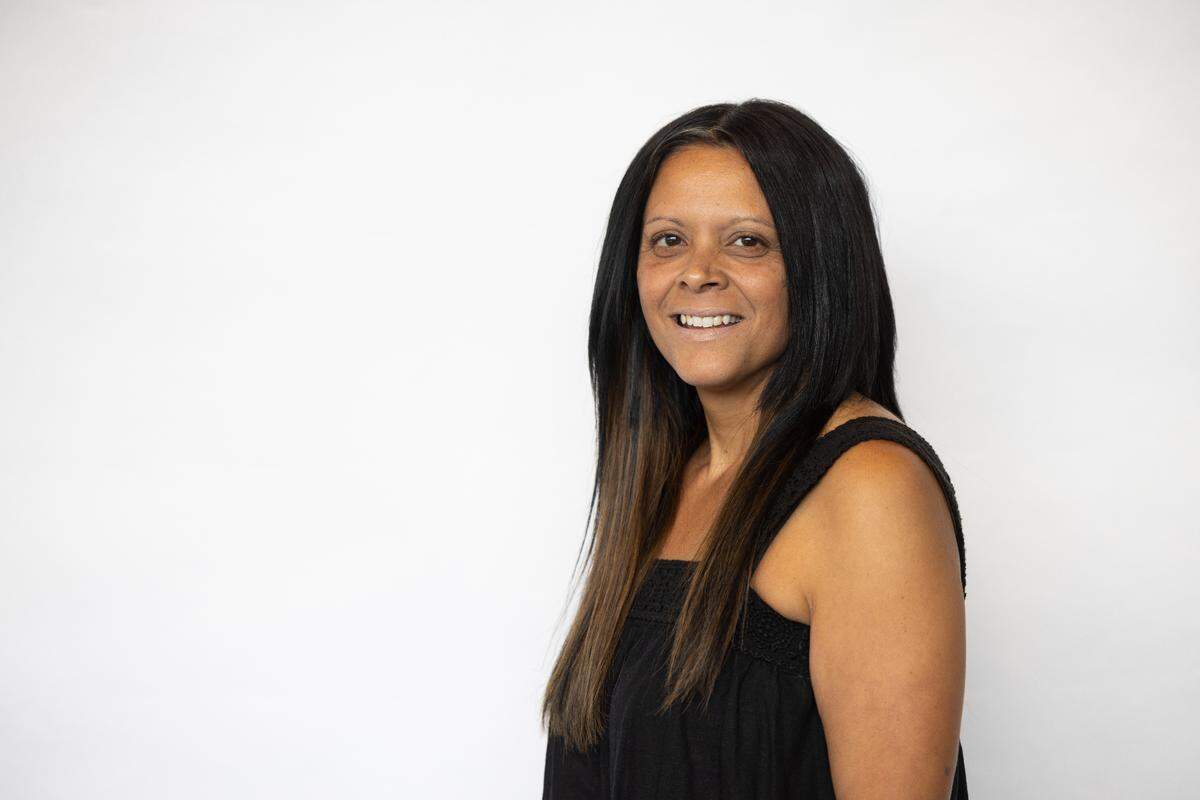
Third-year teacher Vita Borjas never enrolled in a traditional education program in college, but Charlotte-Mecklenburg Schools is increasingly leaning on teachers like her as thousands of positions turn over from year to year.
CMS began the new school year last week like many other districts in North Carolina — with hundreds of teacher vacancies and classes taught by people who aren’t fully licensed. The dilemma doesn’t surprise experts, who forecast more teacher departures to come, but it has left districts with the challenge of finding and keeping teachers in classrooms.
Borjas, a 24-year-old teacher at West Charlotte High School, is fully licensed, but she didn’t start out that way. She earned a bachelor’s degree in psychology with a minor in child development at Florida State University. She transitioned into teaching through Teach For America, a program that recruits diverse leaders early in their careers to teach in a public school.
“I actively use the material I learned in college surrounding child psychology and development and within my experience gained as a Teach For America Corps member to inform my teaching practices today,” said Borjas, who teaches in the social studies department.

Christine Pejot, chief human resources officer for CMS, told The Charlotte Observer the district has about 1,600 “beginning teachers” — people with 0-3 years of classroom experience — out of roughly 9,000 teachers. It’s not uncommon for CMS to have that number of beginning teachers, she says.
Pejot estimates 84% of the district’s teaching residents, which are non-education majors licensed through an alternative pathway, come from other positions within CMS, including teaching assistants, guest teachers and substitutes. One of them is a secretary.
What’s behind the turnover?
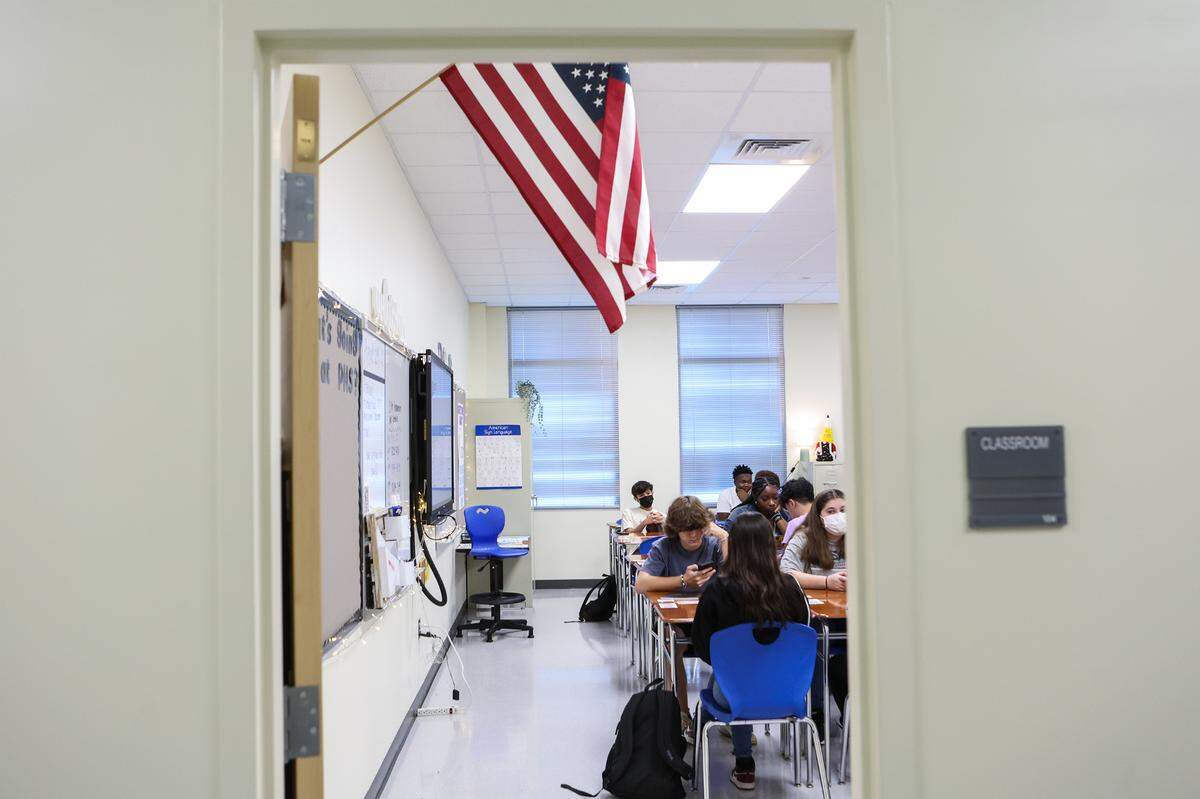
CMS teachers cite various reasons they left the district — some left education altogether — during the 2021-22 school year, including worries over student performance, their own health and staffing shortages.
“We need to improve teacher compensation, give them reasonable workloads, and respect them as highly trained professionals,” said Justin Parmenter, a language arts teacher at the South Academy of International Languages in Charlotte.
The state’s Teaching Working Conditions survey given every two years also showed more than 20% of CMS’ 9,000 teachers were concerned about the social-emotional health of students.
When school opened Aug. 29, CMS had 390 teacher vacancies and 53 of its 181 schools fully staffed. Cassie Fambro, a CMS media relations specialist, told the Observer last week there have been an additional 77 teacher resignations since Aug. 17. Last year, 524 teachers left between Aug. 1, 2021 and Oct. 18, 2021.
Brenda Berg, who leads a nonprofit that launched and helped fund a state teaching recruitment initiative, says she’s surprised the numbers aren’t worse because of “the great resignation.”
”It obviously is adding more stress to some of our students who are struggling to overcome the lost instructional time from the last few years,” said Berg, the president and CEO of BEST NC.
Berg says she anticipates an increase in resignations statewide this year — in the 20% range based on data from the North Carolina Association of School Administrators.
“CMS doesn’t look that different from other urban districts,” she said.
The state’s school districts were short more than 4,400 teachers heading into the first day of classes, according to the North Carolina School Superintendents Association, nearly double what was reported one year ago.
Last year, districts reported about 2,355 teacher vacancies, with the highest number reported in elementary grades.
“We were already losing teachers before the pandemic due to years of General Assembly policies which have made a career in public education less attractive,” Parmenter said. “The COVID-related stresses have simply accelerated an existing problem.”
The top reason given by CMS teachers who left between July 1, 2021 and June 30, 2022 was wanting a career change, according to exit interviews.
Boosting the pipeline
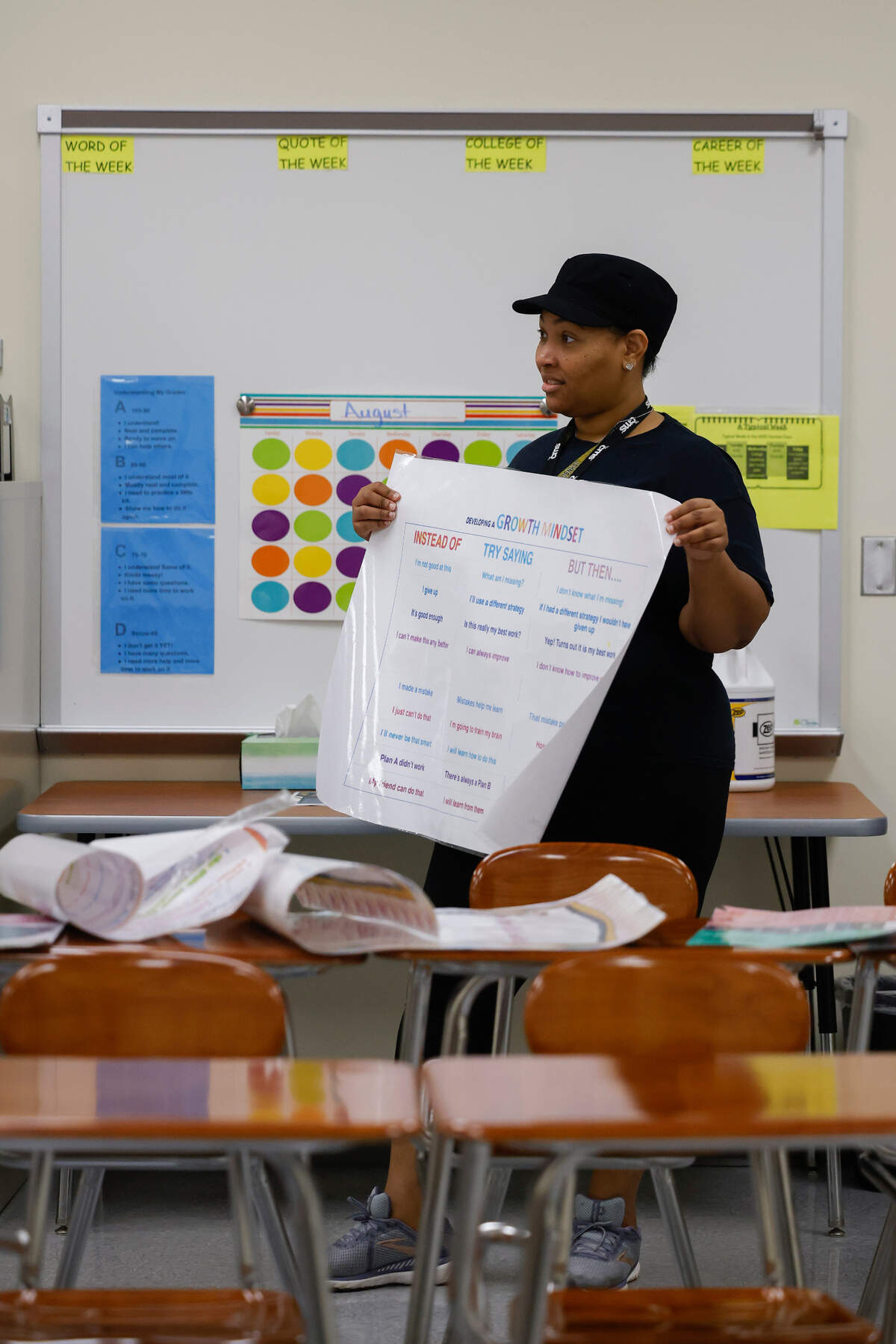
Educators say districts such as CMS face two challenges while combating the shrinking teacher pipeline: finding ways to better support those who find non-traditional paths into the profession and getting more students to attend traditional programs.
Jack Hoke, the executive director of the North Carolina School Superintendents’ Association, said school districts report they have 3,618 people teaching while still completing requirements for a license. That’s almost double compared with 1,942 people for the 2021-22 school year.
In 2015, Berg said, 22% of new teachers came into the profession in a nontraditional education program. Now that percentage is 37%.
“We do not have data on what industries they are coming from, but we do know that they are a more diverse candidate pool both based on gender and race,” Berg said. “Although many extraordinary teachers come through the lateral entry or ‘residency’ route, this is generally a difficult path into teaching and it has a much higher attrition rate than traditionally prepared teachers.”
Hoke wouldn’t make a value judgment on whether the quality of teaching suffers when a non-licensed is at the head of a classroom. But he said residency licensed teachers — those still working to complete requirements — have a bachelor’s degree, a 2.7 GPA and have completed the coursework required by the State Board of Education or passed content area exams required by the state.
Hoke echoed Berg in saying that residency licensed teachers have a higher attrition rate.
Berg’s group launched TeachNC in collaboration with the NC Department of Public Instruction because officials recognized the need for improving the perception and attraction of the teaching profession.
The initial idea, she told the Observer, was to increase interest in the teaching profession through an ad campaign.
“What we quickly learned is that there are actually a lot of people who want to be teachers, but they face insurmountable barriers to get there,” Berg said. “For example, many people don’t understand the complicated process to enter the profession and get licensed, where they can find an effective and affordable educator prep program, or where there are even jobs available.”
TeachNC’s website offers a “one-stop-shop” for information about teacher preparation programs, licensure, school districts and a statewide job board. People who are interested in teaching can schedule a time to talk with a North Carolina teacher or a licensure expert to answer their questions.
TeachNC has more than 13,000 users. More than 2,000 users entered an educator preparation program in the first two years, Berg said.
Ways to become a teacher
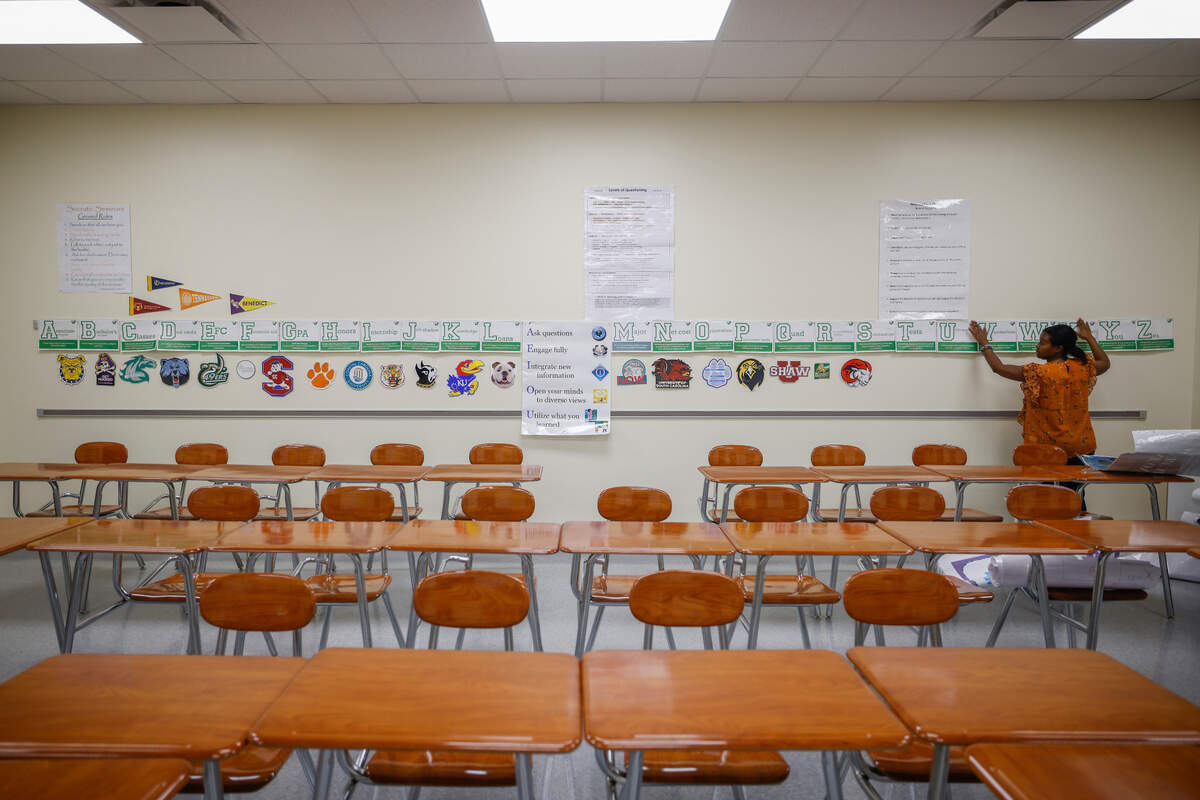
CMS has several pathways to teaching, including a one-year emergency teaching license. Hoke suggested districts partner with their community college to encourage students in both institutions to become teachers.
“For North Carolina, we need to focus on making education a preferred career choice so that we begin to rebuild the pipeline of those wanting to credential as an educator,” Hoke said.
While the country has seen a decades-long decline in enrollment in traditional education programs, North Carolina may be seeing the fruits of its labor.
“In fact, we have seen a 40% increase (in the number of people enrolling in a traditional education program) in the last two years of reported data,” Berg said. “Some of this can be attributed to TeachNC, but the numbers speak to an overall emerging interest in the teaching profession.”
Borjas, the teacher at West Charlotte High, says young teachers need to stay positive and advises them to remember to reach out to educators around them.
“There is so much that we can learn from those who have taught for a year in terms of how to teach our subjects creatively and how to engage with students in meaningful ways,” Borjas said. “Ultimately collaboration is key.”
How to keep teachers from leaving

Teachers want to be heard. That’s the message the NC Department of Public Instruction received after a record response — 92% — to this year’s statewide job survey. In CMS, teachers from all of its schools participated with a 69.4% response rate.
“It is very important to make us feel valued and seen and heard,” said Leslie Neilsen, a social studies teacher at Community House Middle School. “I hope that our leadership understands this and works to include us in decision making as well as creating positive work environments and incentives that reflect this.”
Thirty percent of CMS teachers say they spent a quarter of instruction during 2021-22 reteaching prior grade academic standards, and 38% estimated their students’ academic progress was one year behind. During the 2021-22 school year, 42% reported that students’ need for social/emotional/mental health support was “much more than before.”
Neilsen says districts need to shift to embrace a “new normal” and appreciate the job teachers are doing amid more challenges.
“If we don’t feel valued, the teacher shortage will just continue to grow exponentially,” Neilsen said.
This story was originally published September 2, 2022 at 6:00 AM.