As monkeypox cases grow, how are Charlotte-area colleges protecting students?
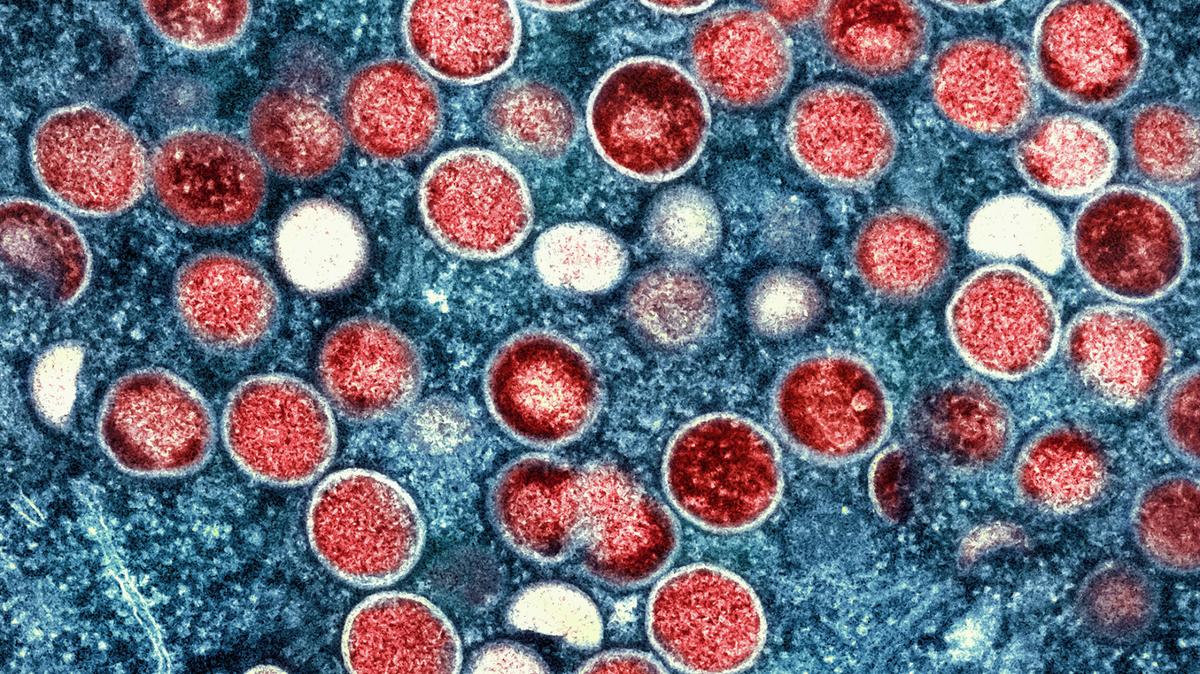
Thousands of students returned to Charlotte-area college campus amid spread of a new virus, and the institutions are relying on information campaigns and advanced planning to ward off cases.
Monkeypox is a virus in the same family as smallpox, but the symptoms are usually milder. It causes a rash that goes through several stages before healing and may look like pimples or blisters, the Centers for Disease Control and Prevention says.
Of the 346 confirmed monkeypox cases in North Carolina, 142 have been located within Mecklenburg County, data show. The health department indicated Tuesday that the overall number of hospitalized monkeypox patients has risen to seven.
Across the state, 37% of monkeypox cases are in people ages 18-29, according to NC Department of Health and Human Services.
The Mecklenburg County Health Department says it hasn’t recorded any cases at four-year colleges in Charlotte.
Here’s what colleges are doing to keep the case number at zero.
UNC Charlotte
UNC Charlotte, the second-largest college by enrollment in North Carolina, says it’s working to stay ahead of monkeypox outbreaks by keeping students informed and having plans in place in case a student who is living in university housing is diagnosed with the virus.
The university has a page dedicated to monkeypox information on its Nine Nation Cares website to ensure students’ questions are answered, Buffie Stephens, media relations director, told The Charlotte Observer. The university will not conduct contact tracing, and leave it up to local public health officials.
Officials recommend vaccinations for people who have been exposed to monkeypox and people who are at higher risk of being exposed to monkeypox — anyone who has had close contact in the past two weeks with someone who has been diagnosed with monkeypox and gay, bisexual or transgender individuals who are sexually active or people living with HIV. Standard isolation protocols are in place to provide food and care to students who have to isolate in on-campus housing.
UNC Charlotte also “is testing potential protocols in its wastewater lab that would be effective in establishing a reliable surveillance system for monkeypox to help inform public health responses,” Stephens told the Observer.
“We are committed to the health of our campus community, and that includes equipping our faculty, staff and students with the resources they need to keep themselves safe,” UNC Charlotte Chancellor Sharon Gaber told the Observer. “As we learned from Covid-19, we know that good information and increased awareness can help contain the spread of disease.”
UNC Charlotte isn’t alone.
Johnson C. Smith University and Davidson College
Johnson C. Smith University added guidance for monkeypox to its “returning to campus” guide, and Davidson College sent students and employees a message in August about how the virus is spread and prevention measures. Davidson also is offering students counseling services both online and in-person.
“Together, we can keep the Davidson community safe by limiting skin-to-skin contact, obtaining a vaccine if you have an increased risk of exposure, and reducing stigma,” the college said.
At Johnson C. Smith University, students are encouraged to visit the health center if they display any signs or symptoms of monkeypox. A team of administrators meets “when necessary” to discuss developments in the spread and strategies related to quarantine, a university official said in an email to the Observer.
Davidson College recommends vaccines for people who might have an increased risk of exposure. Vaccines can also be used immediately after viral exposure, its message to students and employees says.
Officials with Queens University of Charlotte did respond to a request for information about how they’re handling monkeypox.
Officials with Central Piedmont Community College could not be reached for comment.
This story was originally published September 8, 2022 at 6:00 AM.