How do we keep our teachers? Join us online for a candid community conversation.
This live event has ended. Click here to watch the replay, or watch on YouTube and Facebook.
As challenges in education forced by the pandemic (masks, COVID vaccines and remote learning) begin to fade, teachers and school districts now must shift their attention to another dilemma — short staffing.
For the past year, teachers have been leaving the profession in record numbers. In August, 300,000 teacher vacancies across the country existed in public education — 377 were in Charlotte-Mecklenburg Schools, when the school year started. Since last year, the district lost 2,100 teachers who resigned or retired. Why is this happening? Suddenly this historically rewarding profession is no longer attracting or retaining talent, which likely will have long-term effects on our children and society.
To discusses the causes, concerns, consequences and solutions, The Charlotte Observer is holding a candid conversation with educators and the community during a virtual event Nov. 17 at 6 p.m. called “How do we keep our teachers?”
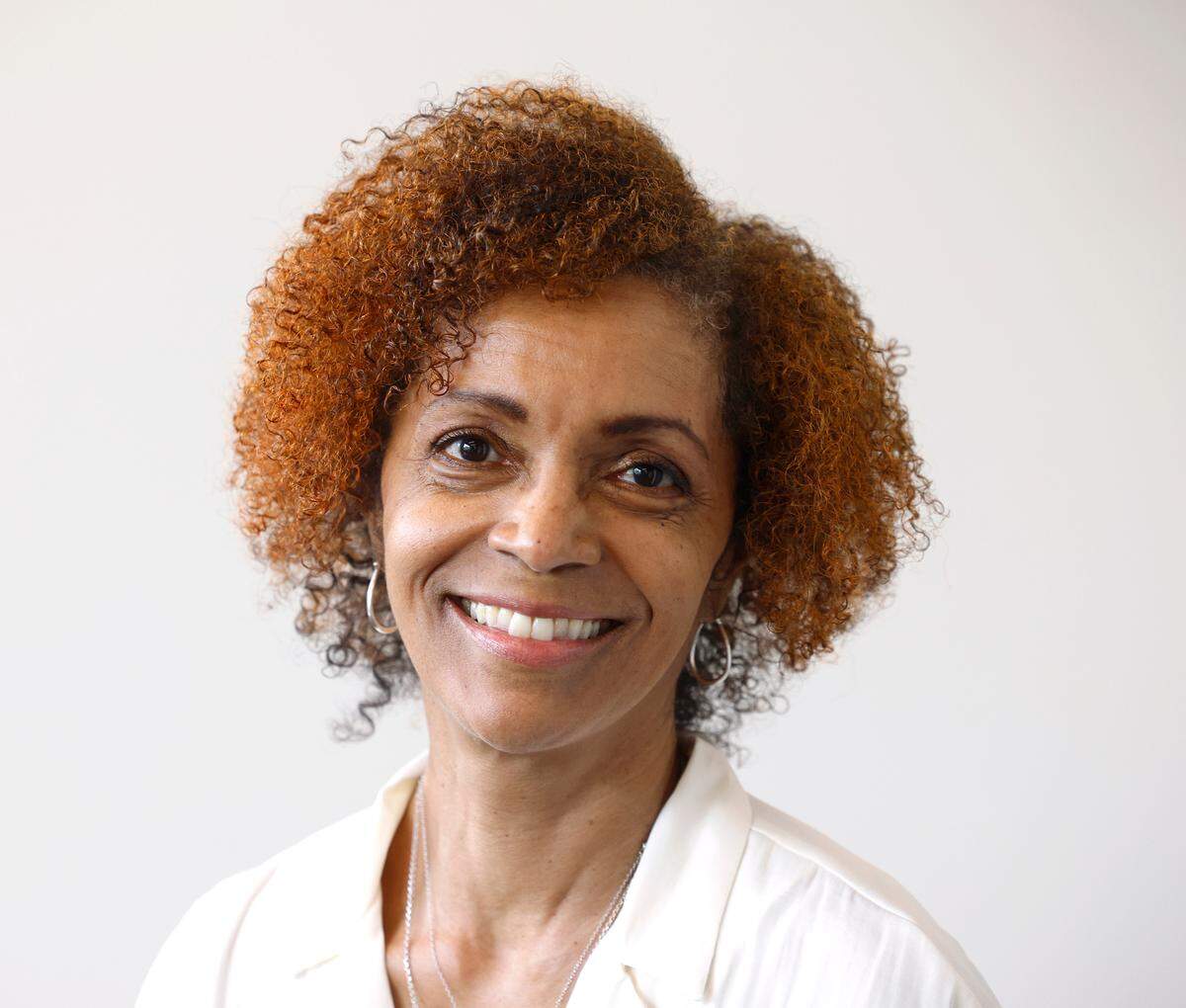
Our panelist are: Leslie Neilsen, an 11-year veteran teacher in Charlotte-Mecklenburg Schools, Rae LeGrone, a fine arts educator with Charlotte-Mecklenburg high schools since 2013 and Malcolm B. Butler, the dean of the Cato College of Education at UNC Charlotte. Charlotte Observer education reporter Anna Maria Della Costa will moderate the discussion.
Low pay, long hours and changing careers are among the reasons they’re leaving. Gun violence at schools has been occurring at a dizzying frequency. How subjects and what topics — slave history, Black history, science, even math — are being taught in schools now are under intense scrutiny.
Lesson plans or materials no longer are a teacher’s purview as certain books are questioned, or banned. Meanwhile, school districts desperately seek to fill those vacancies, with other professionals or former military, for example.
It can be said teachers are asked be mentors beyond their job description. Since the pandemic, that demand increased exponentially. Teachers are expected to serve as social workers or mental health counselors, but where is the support for them?
We hope to hear from readers, parents, students and other teachers during this important conversation. Questions for the panelists may be submitted below:
WANT TO JOIN ONLINE?
When: Thursday, Nov. 17, 6:00 -7:30 p.m.
Where: Click here to register. You will be able to watch live from our website, or on our YouTube and Facebook pages.
Cost: Free
This story was originally published November 11, 2022 at 10:00 AM.