During UNC lockdown, some professors continued to teach. Is that university policy?
READ MORE
UNC Shooting
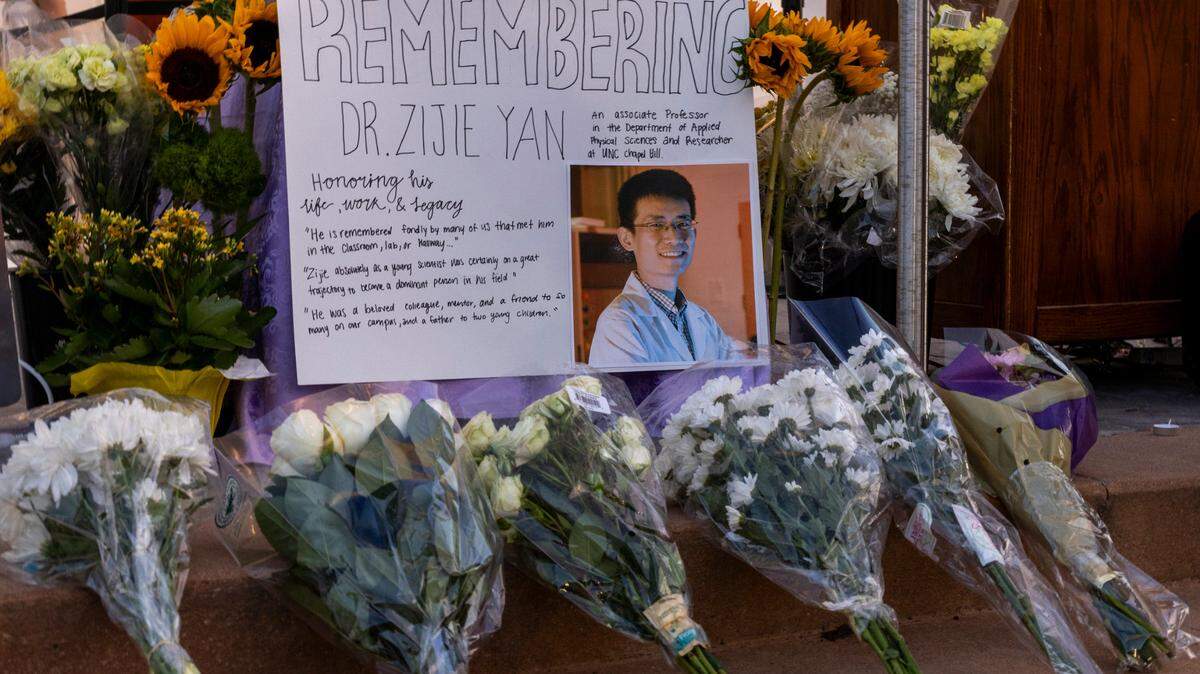
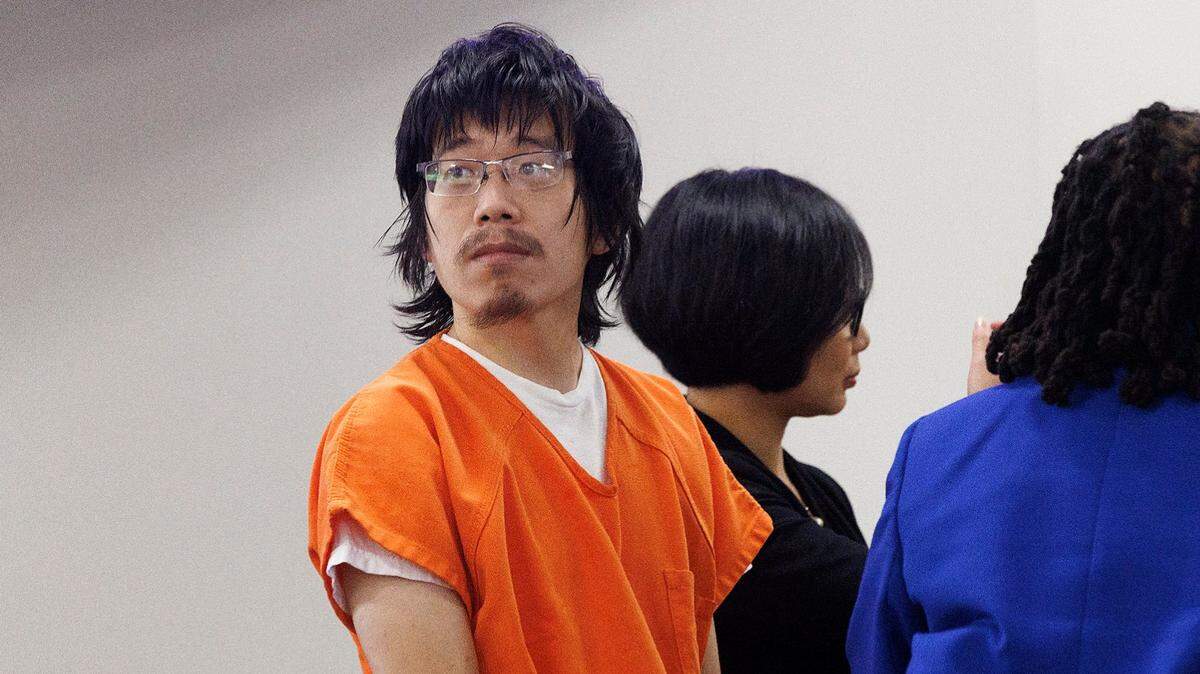
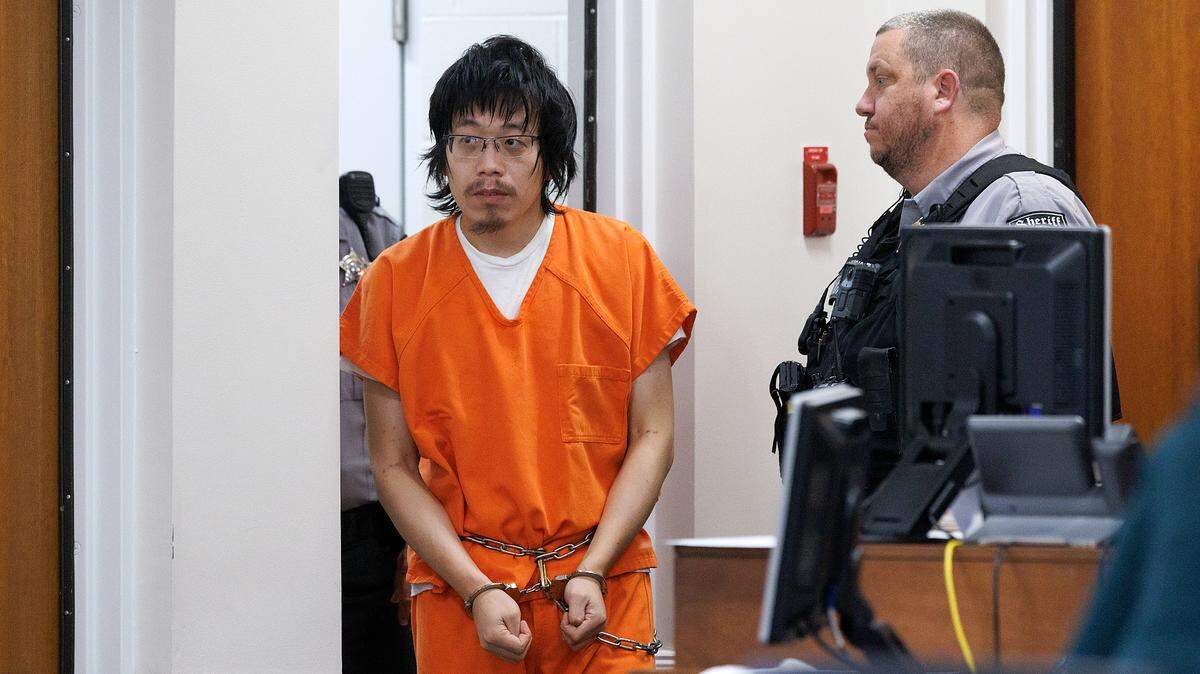
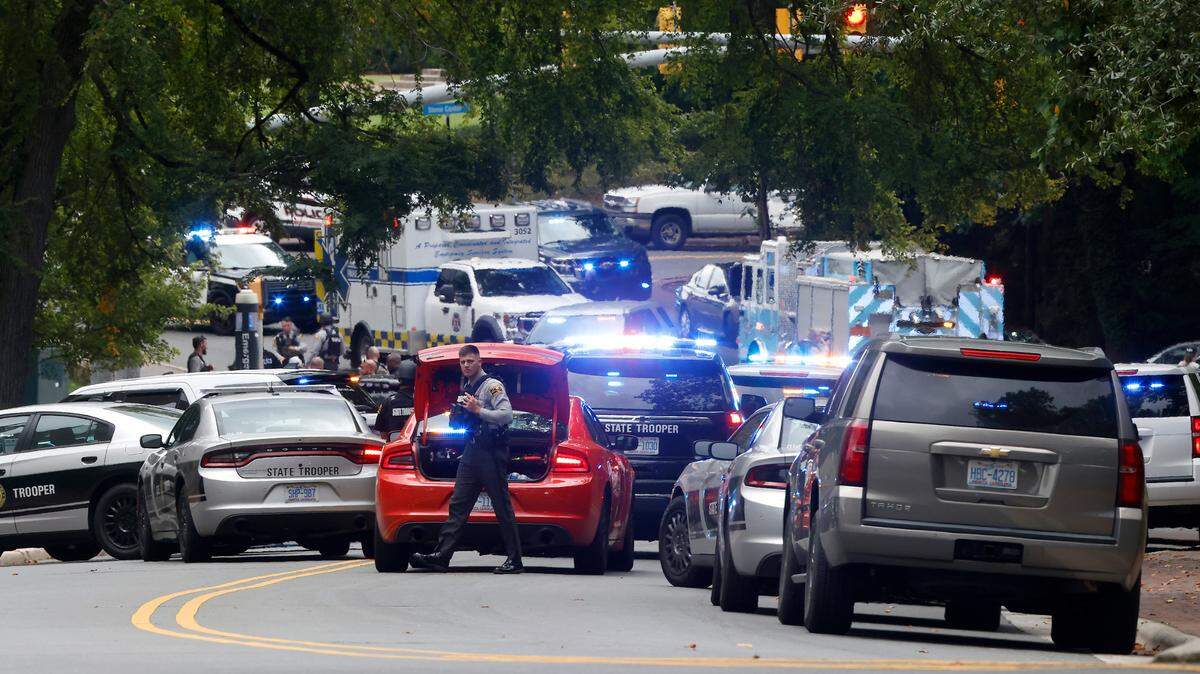
UNC professor Zijie Yan was fatally shot Aug. 28, 2023, in Chapel Hill, NC,, prompting an hourslong lockdown and questions about campus security. Yan’s graduate student has been charged with his murder. Here is ongoing News & Observer coverage about the killing, the campus response and the aftermath.
Expand All
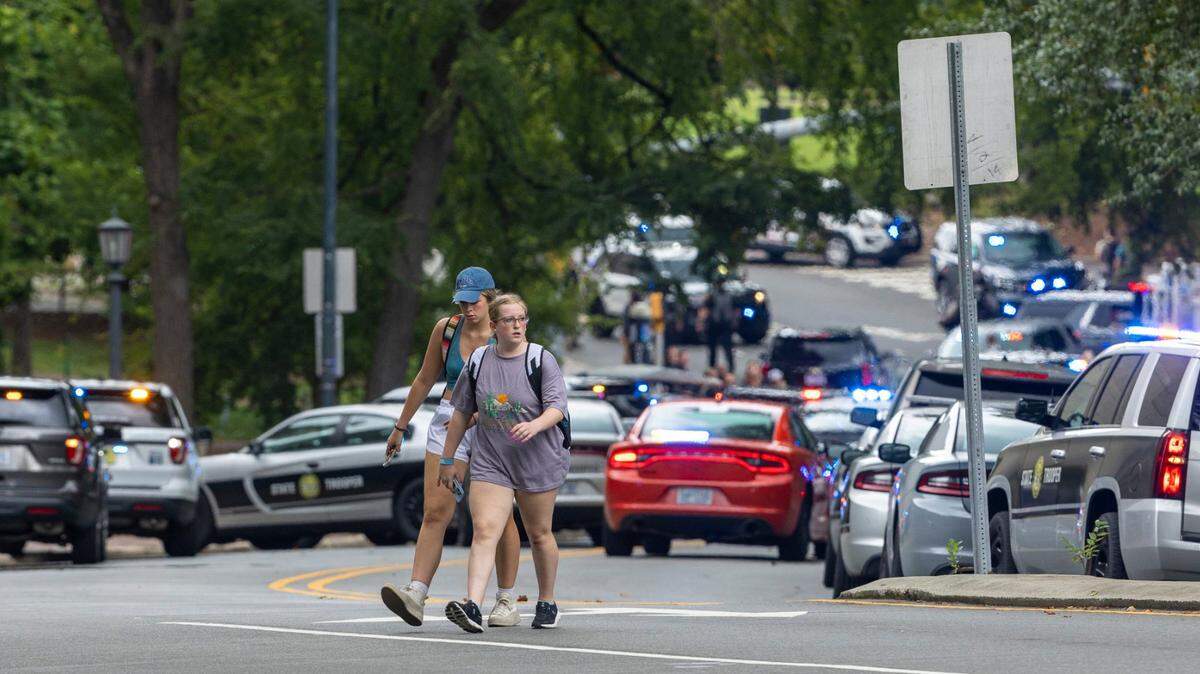
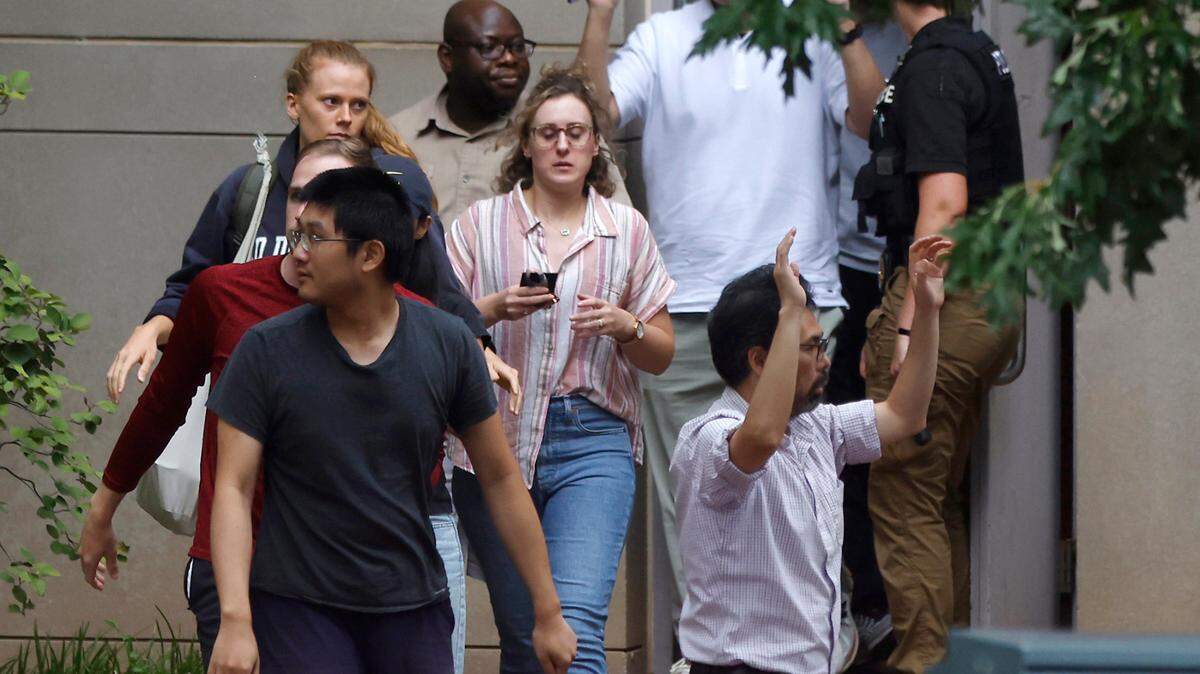
Alexander Cross had just entered his 1 p.m. law class on Monday when he received the first Alert Carolina message on his phone indicating there was an armed and dangerous person on the UNC-Chapel Hill campus.
Cross, 22 years old and a first-year law student at the university, immediately raised his hand and informed his professor of the warning, he told The News & Observer Wednesday.
But instead of stopping instruction and hiding — as many students, including Cross, have practiced during lockdown drills growing up — the professor continued to teach throughout the rest of the roughly one-hour class period, Cross said.
When the class period ended, the class remained in the lecture hall, given that the order to shelter in place was ongoing — and would last for another two hours before the “all clear” was issued around 4:15 p.m. The professor eventually let some students leave the classroom to use the restroom, but locked the door immediately behind them and only unlocked it when they returned, Cross said.
Cross’ and his law classmates’ experiences Monday don’t appear to be anomalies.
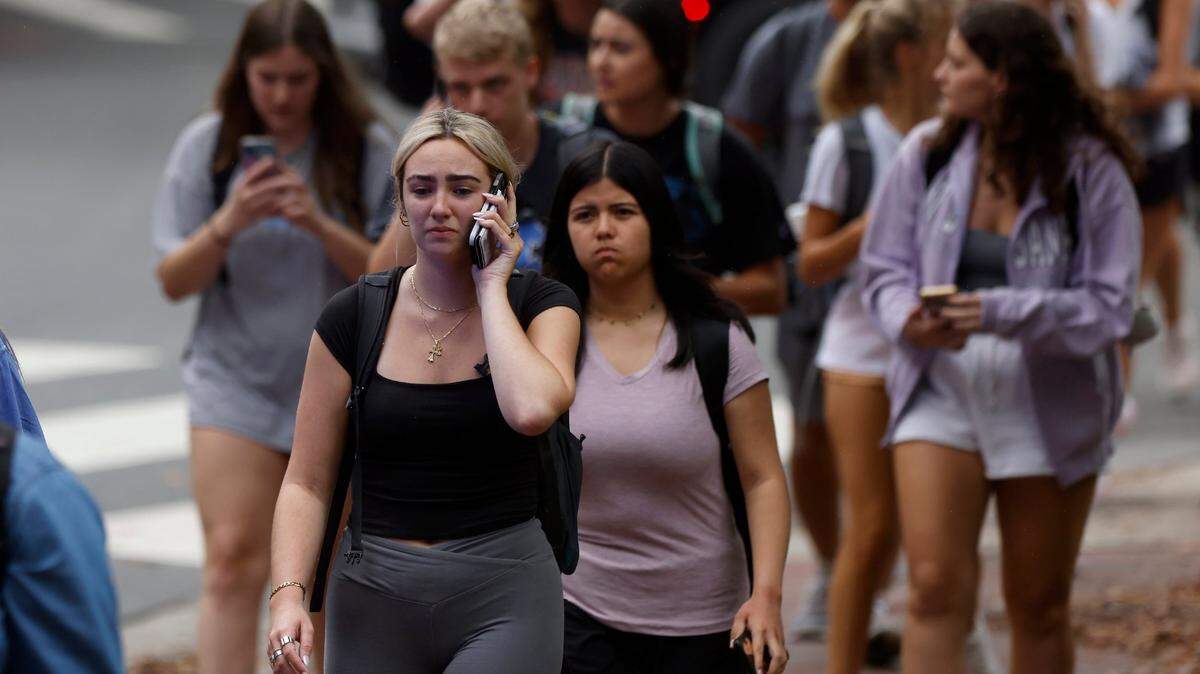
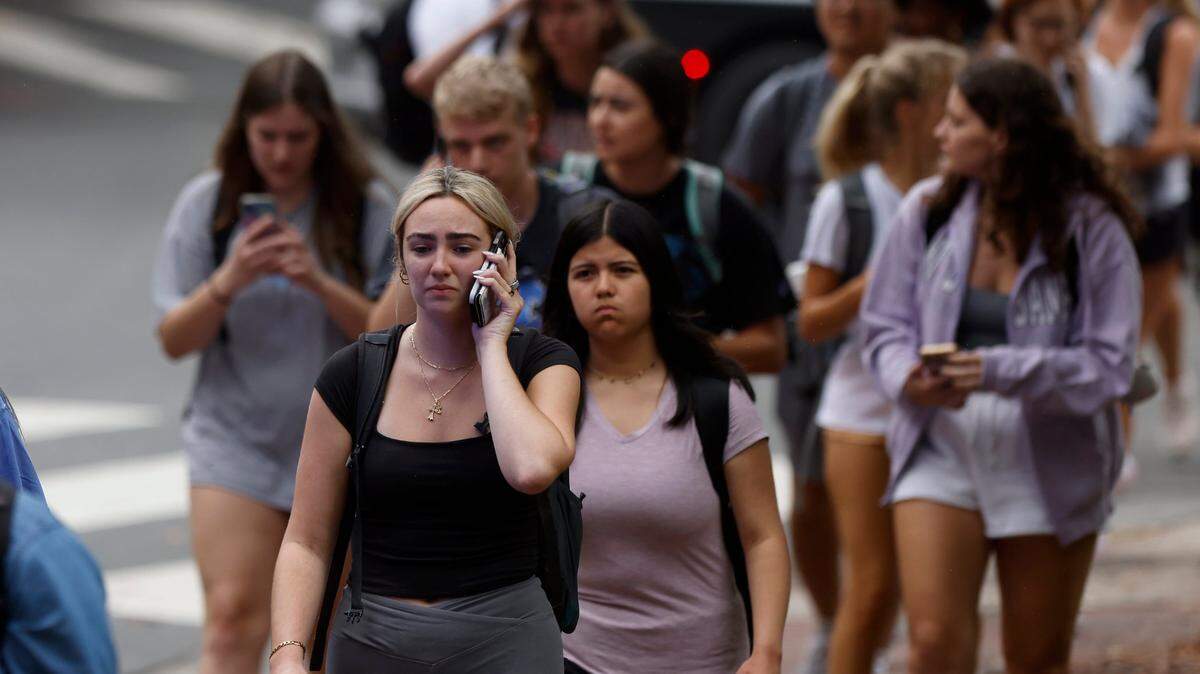
During the lockdown and in the hours and days afterward, several students, including Cross on Tik Tok, took to social media to share their experiences, with some recounting that professors continued to teach — or attempted to hold class another way, such as over video call on Zoom — during the ordeal.
Another student, Elaine Jimenez, a journalism student, told The N&O her professor “continued with class because she didn’t know what was going on.”
A university guide created for faculty to prepare for emergencies, available online and updated in January, appears to indicate professors should stop teaching if there is an emergency on campus or in the classroom during instruction. In a script the guide says faculty should read aloud or paraphrase to students at the beginning of each semester, faculty are directed to say, “If there is an emergency, I will stop teaching right away.”
The faculty guide, as well as the university’s emergency action plan, also includes protocol for whether people should be let in or out of a classroom during an active assailant situation. The emergency action plan was last updated two years ago.
In an email, UNC media relations told The N&O that the university does not have a policy requiring faculty to pause instruction during emergencies, but doing so “is recommended.”
The media relations office also said “there is no mandated or required emergency response training for faculty” at the university.
Generational differences in experiencing lockdowns
Cross said his professor told the class that Monday was his first-ever lockdown — reflecting a stark generational difference between the professor and the students, many of whom have likely participated in active shooter drills since grade school.
Cross said it “feels like common sense” to him to stop instruction and hide during lockdowns, citing what he had been taught about such situations growing up.
“But I guess people who haven’t grown up in the age of school shootings, maybe it’s less common for them,” he said.
While the university’s emergency preparedness guide for faculty directs faculty members to “provide leadership if an emergency occurs,” it also appears to rely on students’ prior experiences and training.
“As you probably know from your own experience, pre-K through 12th-grade students prepare in advance for emergency situations,” says the guide’s script for faculty to read to students. “As college students, you too need to think in advance about emergency situations.”
The News & Observer was not able to reach the professor for his account of what happened. UNC faculty chair Beth Moracco told The N&O she did not want to discuss the issue as a representative of the faculty because the level of preparation faculty receive varies widely across campus.
At the urging of students, Cross said, the law professor locked the doors to the roughly 80-seat lecture hall shortly after they received the first alert message. “Clearly thinking through his options,” Cross said, the professor then asked if the group of 45 students was comfortable with him continuing to teach, depending on what additional alerts from the university indicated about the threat and their safety.
In the roughly 20 minutes before the next alert was issued — which urged people on campus to “continue to shelter in place” — the professor, at the request of a student who appeared to feel “comfortable being being vocal in that moment,” continued his lecture, Cross said.
The professor gave other students an opportunity to say if they did not wish to continue class, Cross said. But Cross noted he and others in the class were scared by the situation unfolding on campus and did not feel comfortable to speak up in the moment.
Cross said it was difficult to pay attention to the lesson, as he felt his safety was potentially in danger and he was distracted by trying to understand what might have been happening on campus. He and other students continued to monitor alerts from the university, with some raising their hands to inform the class and their professor of updates as they became available, he said.
Cross said his professor’s decision to keep teaching gave him “a mixed bag” of feelings.
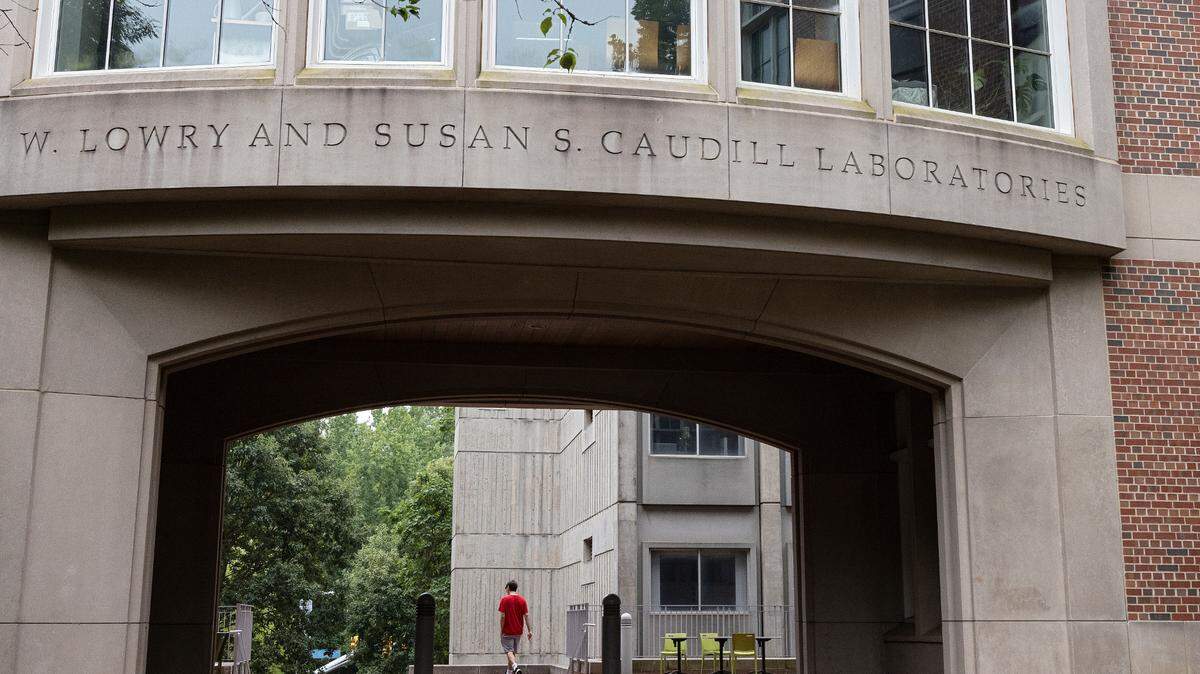
Cross, who moved to Chapel Hill less than a month ago, didn’t have an immediate sense of how far his classroom, in the law school building on Ridge Road, was from Caudill Labs, where Monday’s fatal shooting took place.
“On one hand, the professor and a handful of students deciding that continuing on with instruction is appropriate made me feel like ‘OK, maybe they know campus better than I do. Maybe we’re in less danger than I thought,’” Cross said.
“But then also on the other hand, it’s like, if we are in as much danger as I think we might be,” keeping the lights on and the professor and students continuing to talk and participate in class could have drawn an active shooter’s attention to the class, putting them further in danger, Cross said.
Students exited classroom to use restroom
When Cross’ roughly one-hour class period concluded around 2:15 p.m., the university was still on lockdown — and would continue to be for about two more hours, with repeated warnings to shelter in place issued throughout.
Cross said his professor seemed unsure at first whether the class should stay sheltered in the lecture hall or leave, since class had ended. Students, including Cross, informed the professor that it was likely best to stay put, Cross said.
As the lockdown continued, it became clear students would soon need to use the restroom, Cross said, as they had been drinking water for most of the time. Cross said his professor was hesitant to let students out of the classroom, telling the first student who asked that they should only go if it was truly urgent.
Eventually, when a student said they urgently needed to use the restroom, the professor agreed to let them use the one directly across the hall, Cross said. The professor informed the students he would be locking the door behind anyone who left, and would only unlock it when they returned. Cross himself eventually left briefly to use the restroom, he said.
The university’s emergency action plan offers guidance and procedures for letting people into classrooms and other sheltering locations, including asking those entering to leave their belongings outside of the rooms and having them show their waistline to reveal if they could be hiding a weapon.
Cross did not recall the professor following those protocols, but said he generally felt fine with how the professor handled it since the lockdown lasted several hours and the professor locked and monitored the door when each student left.
The guide for faculty also leaves room for case-by-case decisions: “The circumstances and environment at specific locations varies, so exercising independent judgement and discretion, in the interest of safety for you and those around you, remains an understood and necessary option,” it reads.
How the university prepares students, faculty
Cross and other students who spoke to The N&O following Monday’s shooting said they did not feel adequately prepared by the university for a shooting or other emergencies on campus.
It appears faculty are supposed to have a role in that preparation. Monday’s shooting happened at the beginning of the second week of classes for the fall semester. The university’s faculty preparedness guide directs faculty to “clearly cover basic emergency preparedness techniques during the first week,” noting that “10 minutes of pre-planning can save lives.”
Cross did not recall receiving any information on emergency procedures from the university or his professors in the month that he has been in Chapel Hill, he said.
At a press conference Tuesday, UNC Police chief Brian James said the university tries to provide everyone on campus with information about emergency procedures “as much as possible.” UNC Chancellor Kevin Guskiewicz also listed several ways the university provides the information, including by providing in-classroom QR codes that faculty can scan to see a website of emergency protocols and resources.
“It’s very important that each person that either works or takes classes in a building ... is aware of what to do in a situation like this,” James said.
James said emergency preparedness information is also included “in much of the initial orientation information for our incoming students each year.”
Katie Fiore, a first-year student from Asheville who spoke to The N&O on campus Tuesday, said she received “no formal training” on emergency situations during her orientation program.
University media relations told The N&O that links to campus safety resources are disseminated through a campus-wide email at the beginning of each semester and in other messages about safety throughout the year. This semester’s email was sent Aug. 22, the university said.
The university’s campus safety website includes a link to emergency preparedness trainings for faculty and students, but they are not required. Active assailant training is available to faculty and “any campus entity” upon request, media relations said, and the information is also presented to faculty and staff groups, such as the Employee Forum and the Faculty Council.
Cross said he hopes the university uses the experiences of Monday and improves its training and response to emergency situations. He would like more comprehensive training to be required for all faculty and campus leaders, he said.
“This is my stance for any emergency situation — tornadoes, fires, floods from hurricanes,” Cross said. “I would group an active shooter situation under the same amount of ... basic training to have, that I think everybody in any position of authority or leadership should have training on this.”
This story was originally published September 1, 2023 at 12:07 PM with the headline "During UNC lockdown, some professors continued to teach. Is that university policy?."