Flames at 2,000 degrees charred a South Park building. What else can high heat destroy?
READ MORE
SouthPark Fire
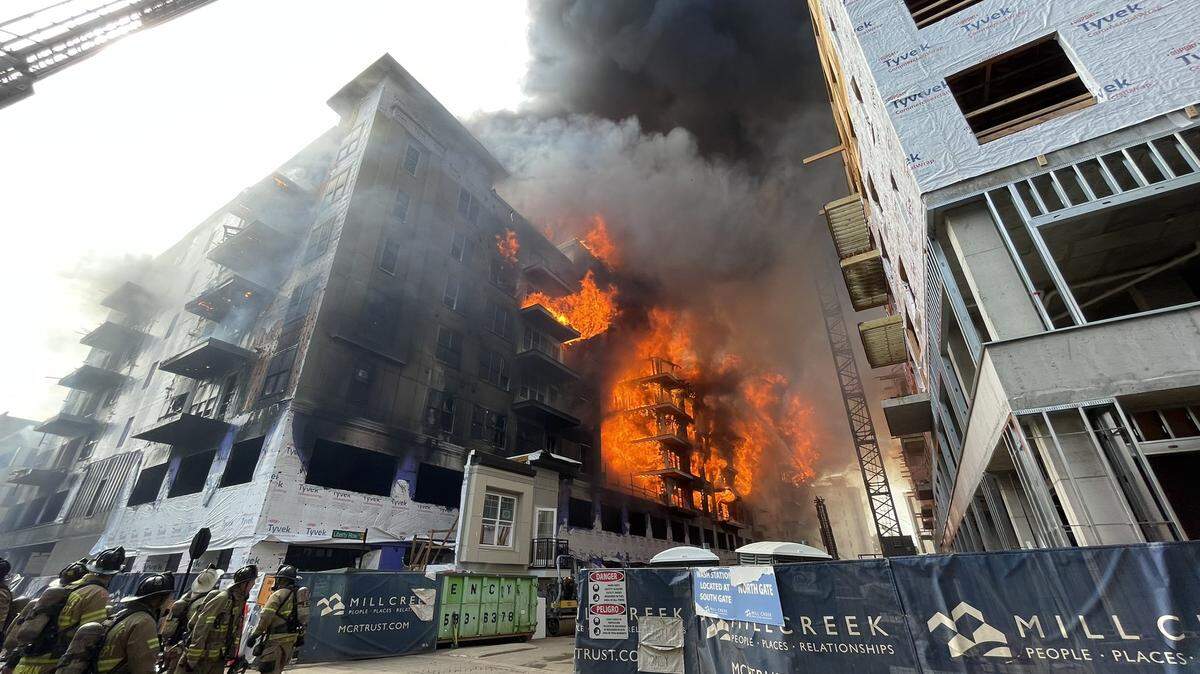
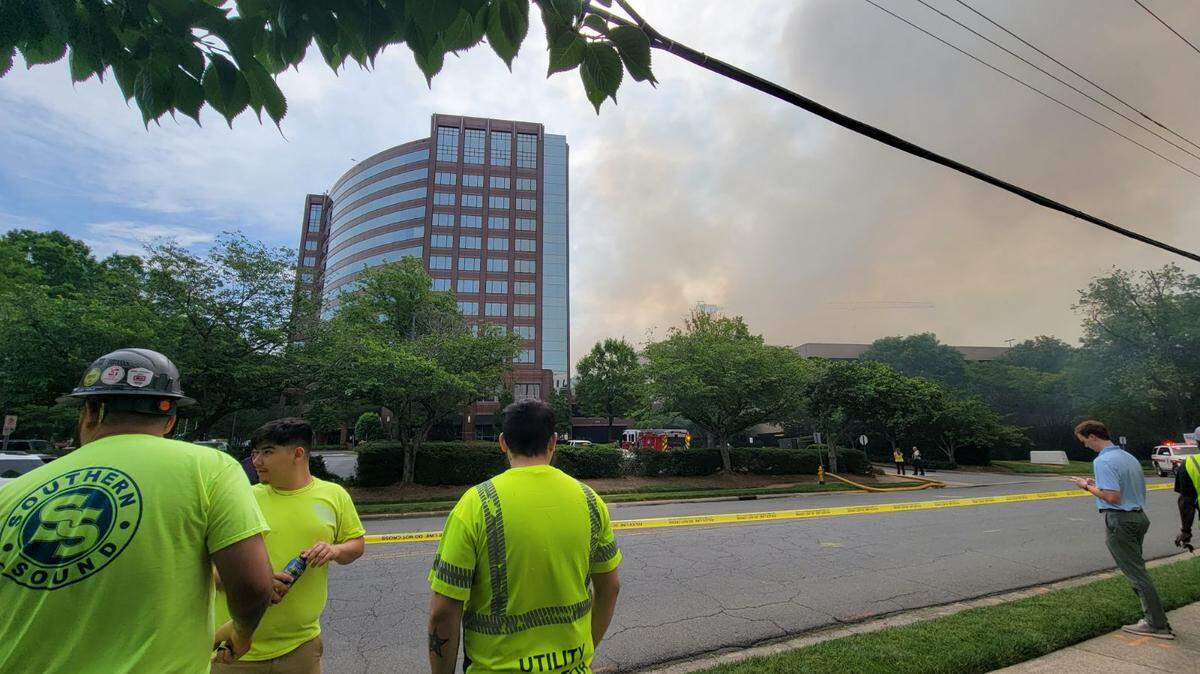
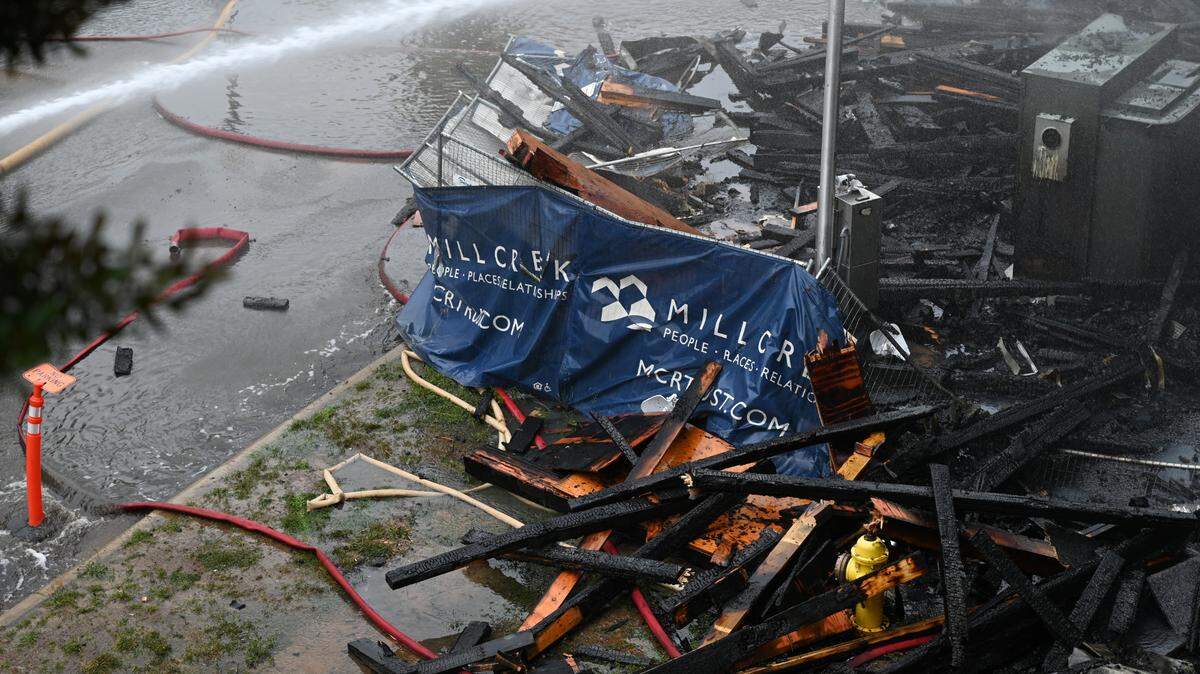
On May 18, 2023, a five-alarm fire broke out at a construction site in SouthPark. Two men died as a result of the blaze.
Expand All
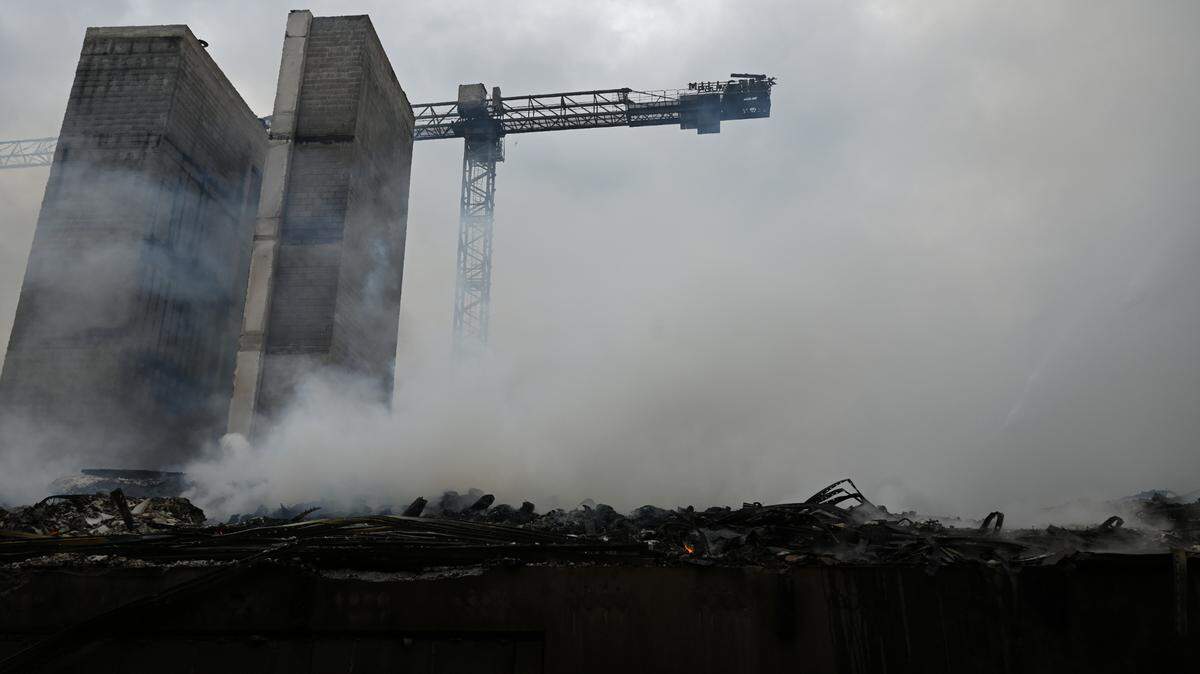
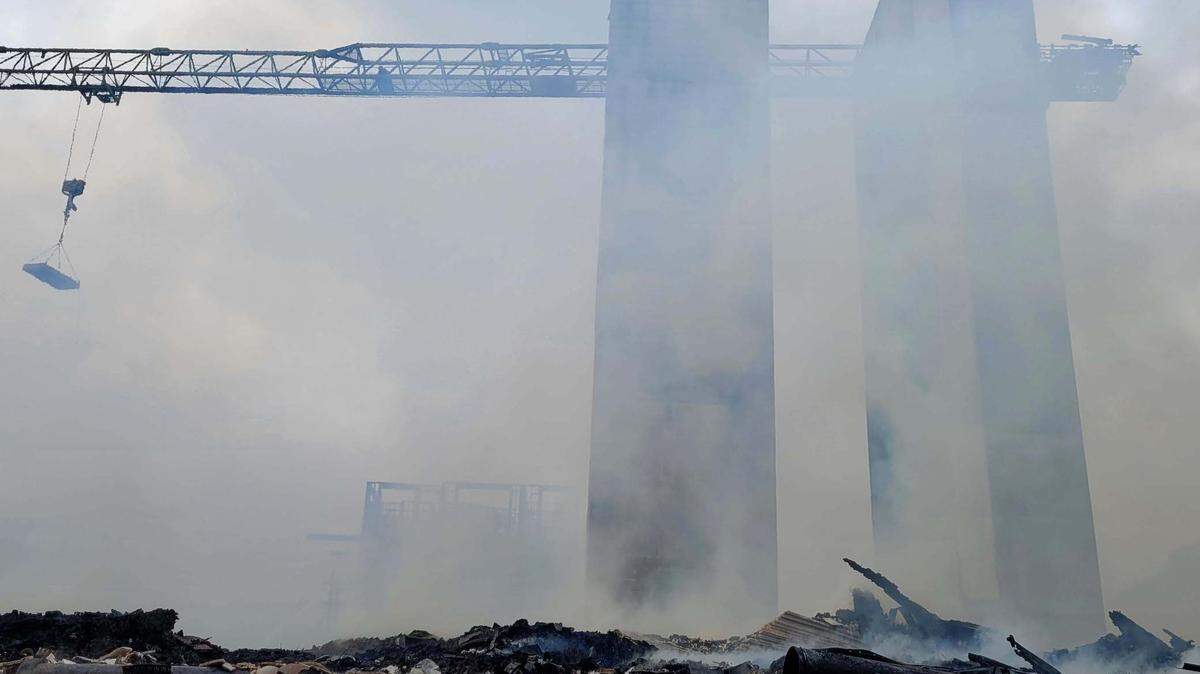
A massive fire that spread across at least two structures and threatened others in Charlotte’s South Park neighborhood Thursday morning reached temperatures above 2,000 degrees, officials said.
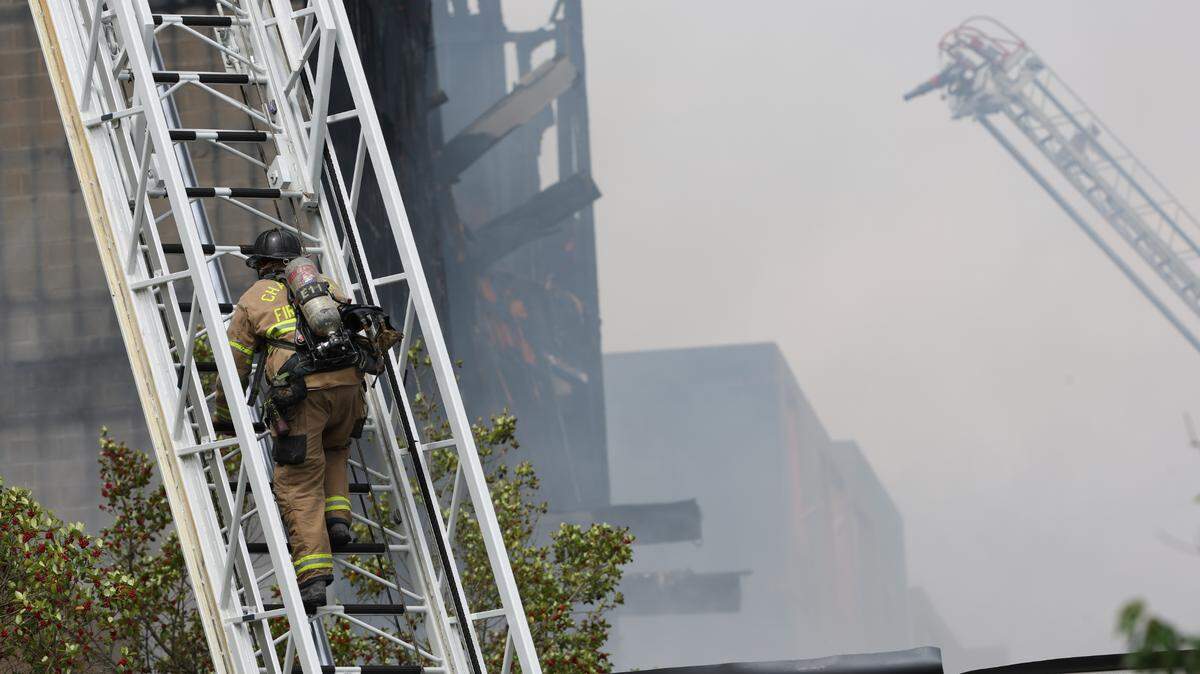
The blaze — which shut down multiple roads into the afternoon and left at least one person with “life-threatening injuries” — was initially reported by Charlotte Fire at about 9:15 a.m. as a two-alarm fire before becoming a five-alarm fire. More than 90 firefighters ultimately responded, Charlotte Fire officials said at a press conference.
It’s uncommon for fires to reach 2,000 degrees, as most house fires burn at around 1,500 degrees, according to Firefighter Insider, an online resource for information about fire safety. Fires in structures full of flammable materials can reach temperatures upwards of 3,500 degrees.
What can a 2,000-degree fire destroy?
Fires burning at 2,000 degrees can destroy nearly anything in their path.
Paper will autoignite at temperatures between 424 and 475 degrees, according to Safe and Vault Store, a company that manufactures fire-resistant safes.
Some precious metals, such as silver and gold, won’t burn, but both have melting points under 2,000 degrees, and electronics with magnetic components can be damaged in temperatures as low as 125 degrees.
According to the University of Washington, metals like aluminum, brass, bronze, copper, lead, tin, and zinc can melt at temperatures below 2,000 degrees.
What temperatures are a danger to humans?
Though tolerance varies from person to person, a wet-bulb temperature (the temperature your skin would be if you were constantly sweating) of 95 degrees is the limit of human tolerance, Zach Schlader, a physiologist at Indiana University Bloomington, told MIT Technology Review.
The body can become hyperthermic in extreme heat, leading to symptoms like rapid pulse, change in mental status, faintness, and coma, according to the National Institutes of Health.
This story was originally published May 19, 2023 at 2:10 PM.