
NC, party of none: Unaffiliated voters are now the state’s largest voting group
READ MORE
The party of no party
Elections in North Carolina are close. Like, recount close. Unaffiliated voters may soon pass Democrats as North Carolina’s largest voting group. These independents already outnumber registered Republicans. Who are they and why do they keep on growing? This is The N&O’s special report.
Expand All

NC, party of none: Unaffiliated voters are now the state’s largest voting group
More young people than ever are registering as unaffiliated voters. Here’s why I did.
Here’s what NC voter information is public, and how to update your registration
See how party affiliation has changed in NC, and where the unaffiliated outnumber partisans
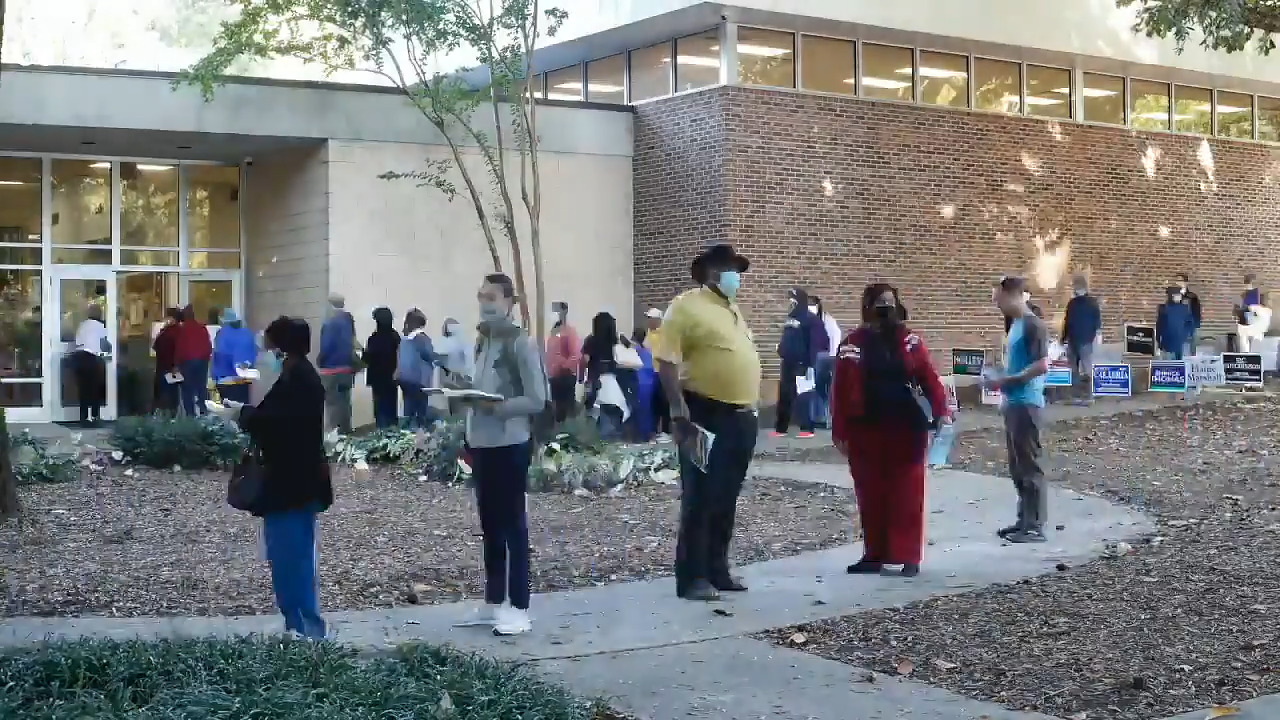
Are you an unaffiliated voter in North Carolina? Take our poll
The largest group of voters in North Carolina don’t belong to a political party.
Driven by newcomers and new voters, unaffiliated voters are 2.5 million strong and growing. They now make up 34.6% of voters, just ahead of Democrats with 34.5%, and have already passed Republicans, who make up 2.19 million, or 30.3%, of the state’s 7.2 million total voters.
Republicans have remained relatively steady in their share of registered voters, while Democrats’ share has dropped as the number of unaffiliated voters keeps rising.
The unaffiliated have passed Democrats this election year, ahead of the May 17 primary election. They passed registered Republicans in 2017.
Are they really unaffiliated? Or just Democratic and Republican voters who want to be able to vote in whatever primary they choose? Are they from here, or did they move here? Are they younger or older? Does the Obama-Trump voter exist?
Unaffiliated voters, just as their designation shows, aren’t all the same. But they tend to be newcomers and younger voters, Western Carolina University politics professor Chris Cooper said.
While some unaffiliated voters switched parties, those are a small proportion, Cooper, director of the Public Policy Institute at WCU in Cullowhee, said. There are about 100,000 switchers every year.
“It’s not really the switchers. It’s newcomers to the state, and young people,” he said.
You can see some of the patterns in areas of the state with college campuses, including Boone and Chapel Hill. “College campuses are full of unaffiliated voters,” Cooper said.
There’s a misconception in both major political parties that the unaffiliated are swing voters, said Stephen Wiley, director of the North Carolina House Republican Caucus.
“Unaffiliateds just are not, for the most part, they are not a persuadable bloc of voters,” Wiley said.
They can vote as partisan as voters do who are registered with a party, but that can change election to election, he said.
Obama-Trump voters
Elections in North Carolina are close. Like, recount close. So unaffiliated voters are the difference between a W or an L.
Saying that the state went for both Obama and Trump is a shorthand description of it being a politically purple state.
The margins in elections can be very small, so are there actual Obama-Trump voters?
Meet Kathy Ditscheiner, 50, who served in the Marine Corps. She’s an Obama-Obama-Clinton-Trump voter.
Yes, really.
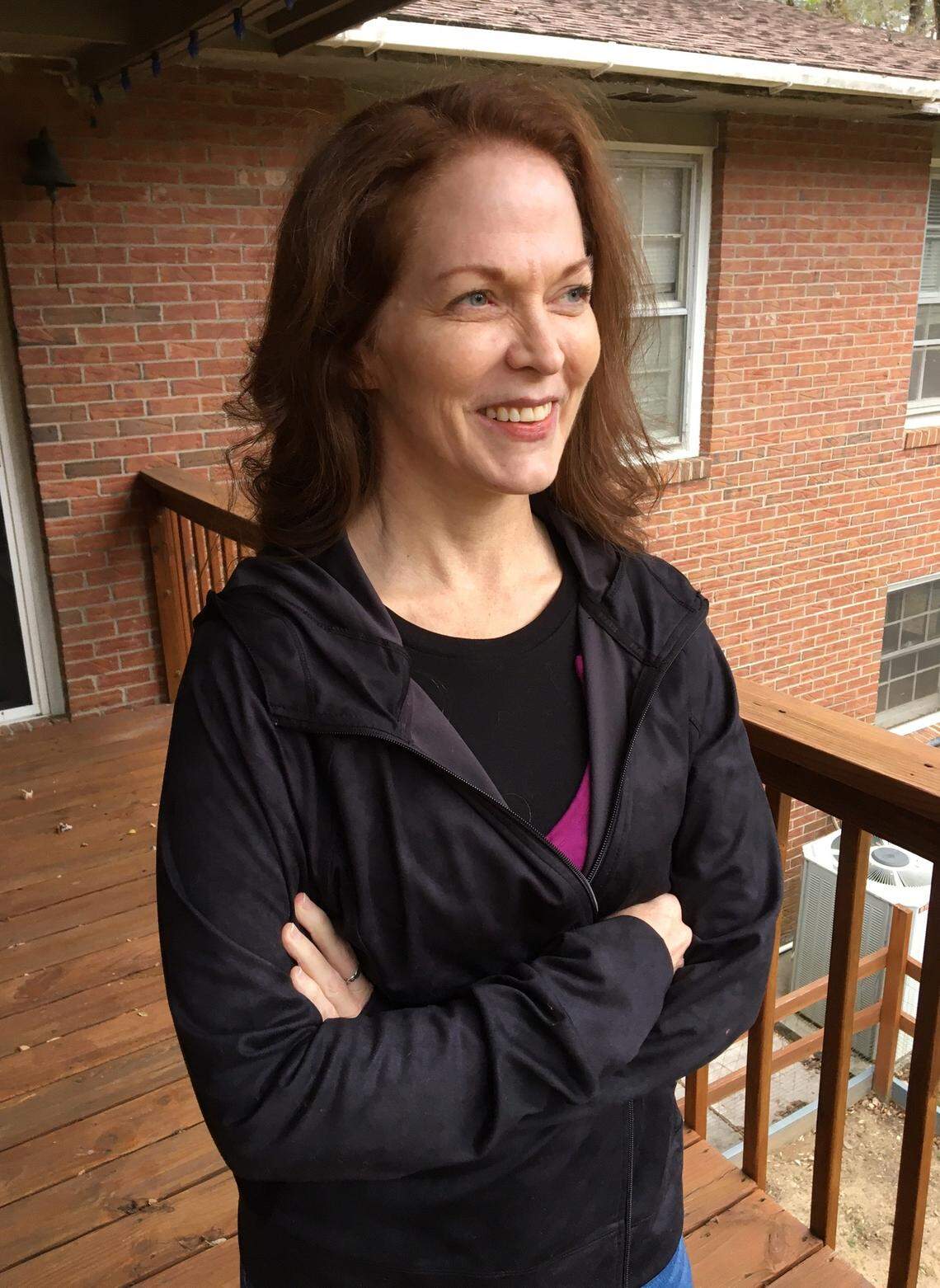
In Henderson County, where she lives, unaffiliated voters have already taken the top spot in voter size, followed by Republicans, then Democrats.
Ditscheiner grew up in the Northeast and was a registered Democrat when she joined the Marines, living in several places before settling in Hendersonville around 2008, when she first voted for Obama. That’s the same time she switched to unaffiliated.
She wanted to be able to choose candidates based on policies, not party. Still, she mostly voted Democratic, aside from local elections where she voted based on the individual candidate.
“Being a veteran, I tend to shift more toward people who are backing (veterans) issues. I voted for Trump this last round because he had produced more with veterans,” she said. Her vote was also about Second Amendment rights and immigration policy, she said. But her immigration stance is nuanced, as is her position on abortion. As far as LGBT rights, she doesn’t support the conservative view.
After listing off some of her policy positions, Ditscheiner answered with a question: “Is that a moderate?”
That’s the thing about unaffiliated voters. They’re not all the same.
Voting for Trump doesn’t mean she necessarily likes other Republican politicians, though, including Rep. Madison Cawthorn, who is her member of Congress and lives down the road from her. He’s getting on her last nerve, she said.
She can’t stomach Trump as a person, she said, calling him a misogynist at heart and a showman. Her vote was all about policies. And she didn’t see President Joe Biden supporting enough veteran policy.
“I hate to say it, I was voting for the lesser of two evils,” she said.
For unaffiliated voter Kristen Havlik, Trump was what first drove her away from being a Republican.
Havlik, 32, was registered as a Republican until the 2016 presidential election, when Trump was the GOP nominee.
“Trump ran in 2016 and I’m like, well, I’m not voting for that dude, so I registered as a Democrat so I could vote for Hillary (Clinton) and since then my views have moved even further to the left,” Havlik said.
Democrats, she said, are “just as bad as Republicans. They are bought and paid for by corporations — only interested in money and not people.”
This past year she dropped Democrat for unaffiliated on her voter registration.
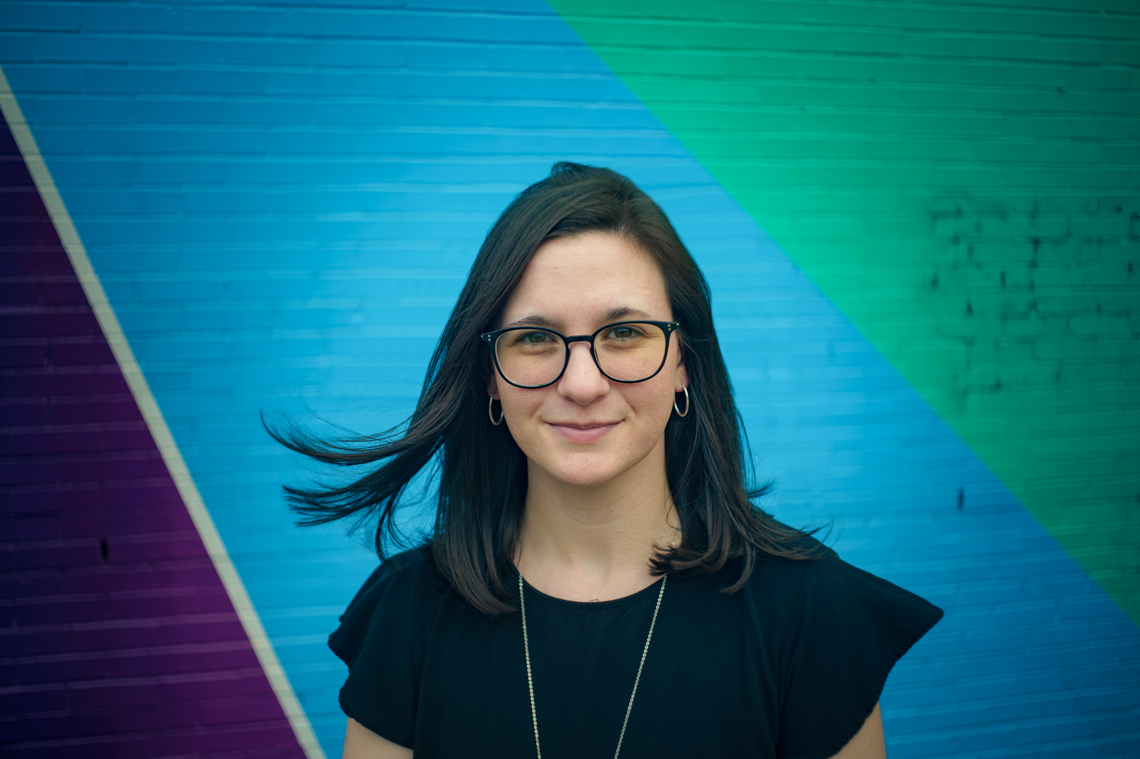
Aside from Trump, Havlik said more education, life experience and a belief in human rights led her politics to move to the left.
She works for the New North Carolina Project, which works to get more people of color engaged in the voting process and help Democratic candidates win. Havlik said health care is one of the issues important to her, and said COVID-19 exacerbated it.
The Republican Party has lost Havlik for good, but Democrats are still likely to get her votes.
“I would never vote Republican ever again in my life just because they are so far gone in my opinion,” she said. Havlik said conservatives are very different than they were 10 or 15 years ago.
“They’re not even interested in helping themselves,” she said, referring to Republican voters who are poor or working-class. She said they don’t care about people.
Havlik said she’ll most likely keep voting for Democrats, however, though her “overall views are farther past their vision for the future.”
Switching primaries
Other unaffiliated voters started off that way, and still vote for candidates on both sides of the aisle.
Most of Maggie Monty’s neighbors, in Rutherford County, are Republicans. A neighbor of hers in Union Mills is running for sheriff as a Republican and she thinks he’ll do a good job, so she’ll probably vote for him.
Monty is retired at 62 and does “a little bit of farmwork and critter-sitting.” She lives in what she describes as a very rural area.
She’s from Connecticut and registered there unaffiliated, just as she did here. She likes that she can vote in both primaries in North Carolina, which was not the case in Connecticut.
Unaffiliated voters can choose to vote in a Democratic, Republican or Libertarian primary or cast a nonpartisan ballot when that’s available.
Monty has voted in both of the two major parties’ primaries over the years.
“I tend to lean a little more to the left I suppose now, at this point in my life. I’ve voted both Democrat, Republican and Independent.”
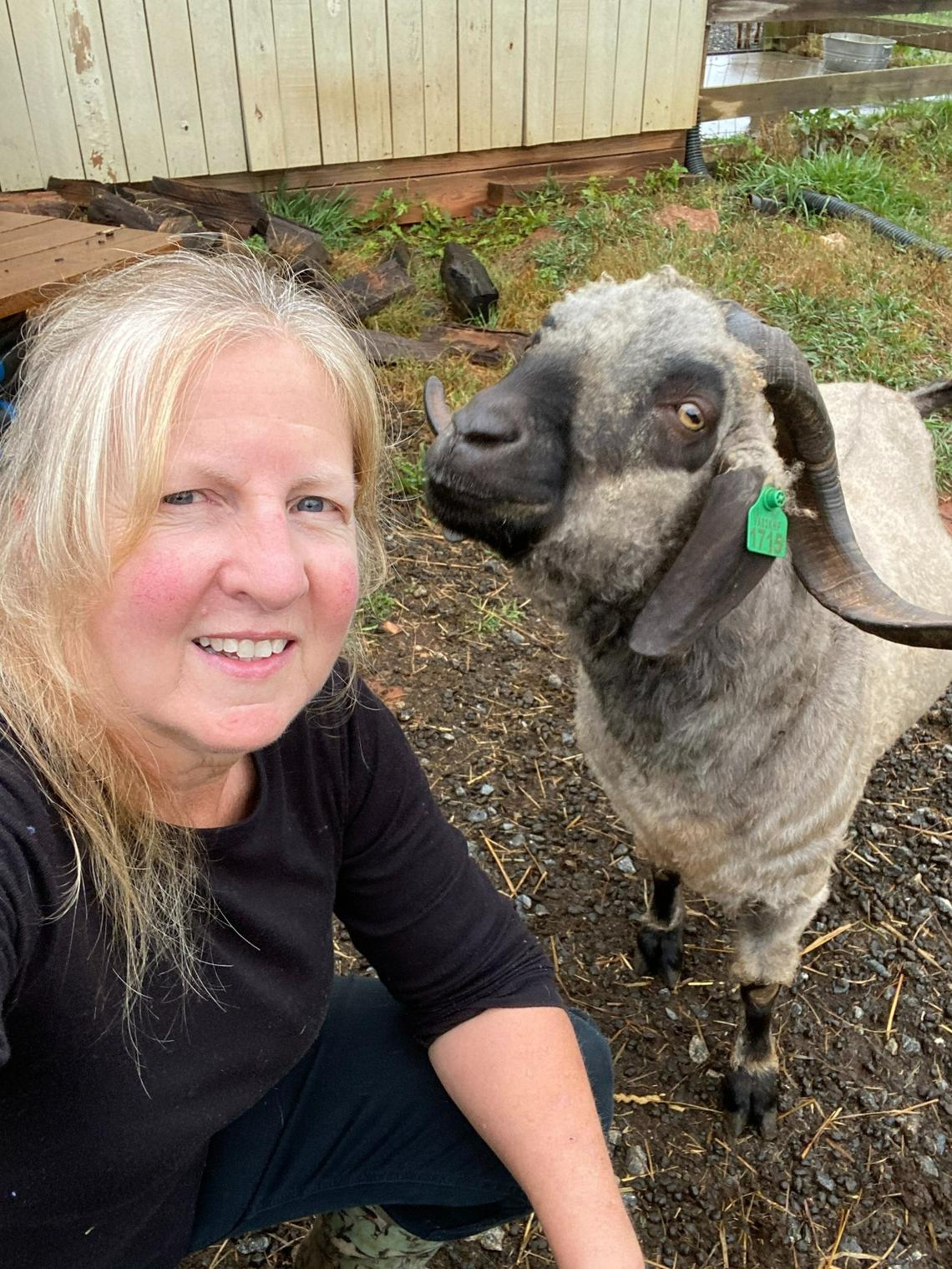
There’s more to being unaffiliated than just the primaries, she said. There’s a flexibility that comes with it.
“I try to focus on what it is (the candidates) are trying to accomplish,” Monty said. “I can meander to any given side in all areas.”
She has anti-war, anti-conflict sentiments, she said, but still voted for President Ronald Reagan for his first term in 1980, even though he was a hawk.
The first time Monty donated money to a presidential campaign was in 2020, to Biden.
“Not for any undying love for the man, but I wasn’t pleased with how the former guy was handling things, especially the virus.”
Monty doesn’t have key issues that determine her vote.
“Not really. I kind of like to believe in all human rights,” she said, with family members who are gay, who are Black and who are Latino.
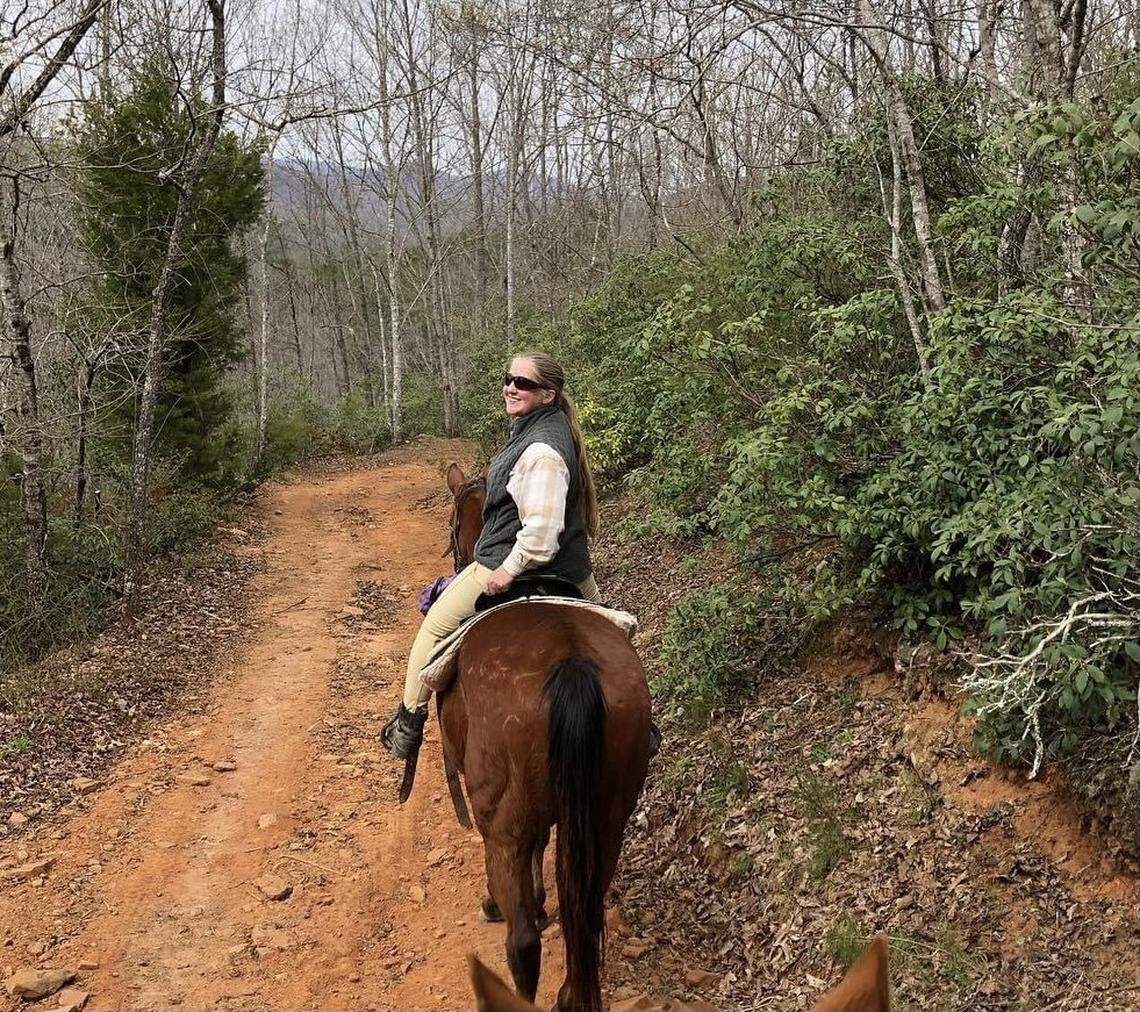
Brian Horton of Wake Forest said the first time he voted in a primary as unaffiliated, the attendants weren’t sure what ballot to give him. In the end, he got to vote on a bond, he said.
He changed his affiliation from Republican to unaffiliated around 2008, the 39-year-old said, and his personal views have become significantly more liberal.
“For me, being unaffiliated is a matter of choice. No one should be able to expect my vote because of party affiliation,” Horton said.
No ‘downsides’ to being unaffiliated
The appeal of registering as unaffiliated and voting in either primary wasn’t always that way.
“The parties did this to themselves,” Cooper said. First, the Republicans opened up their primaries to unaffiliated voters in the late 1980s, and then the Democrats followed suit in the mid-’90s. Since then, there’s been a steady increase of unaffiliated voters.
That’s not the only factor. Younger people, in general, don’t join organizations like older generations did, Cooper said.
Cooper shared more details in an academic paper on the rise of unaffiliated voters that he co-wrote last year with Whitney Ross Manzo of Meredith College, Susan Roberts of Davidson College and Michael Bitzer of Catawba College.
Cooper predicts the unaffiliated will overtake Democrats by the summer.
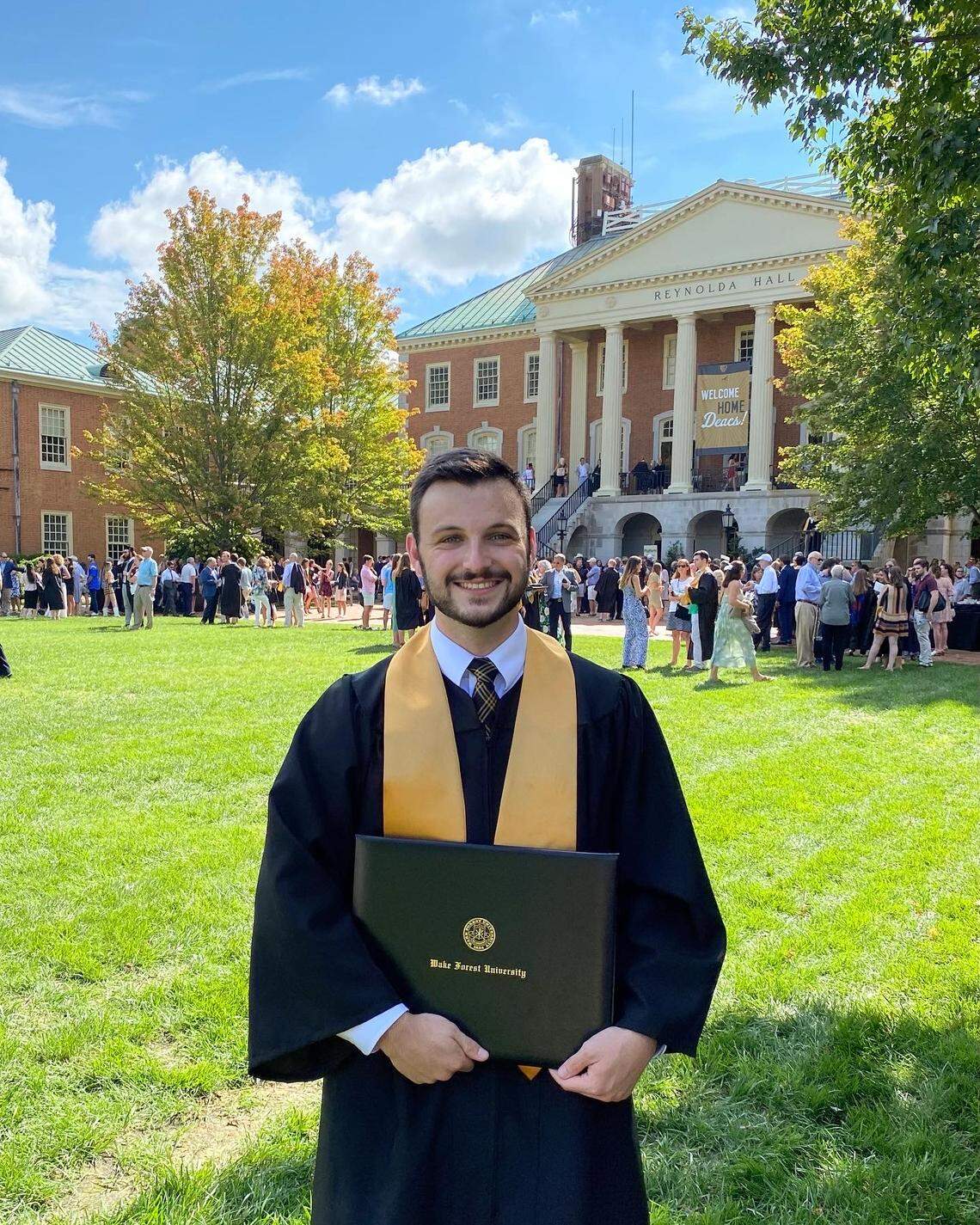
Jay Sherrill, 24, of Statesville, was old enough to vote in 2016 and registered unaffiliated. He said there were no apparent downsides to register that way, and it fits his politics.
“I have always been more moderate in my political views,” he said. He has voted in both Republican and Democratic primaries, picking the candidate who is closer to his views even if he didn’t support them in the general election. And he has voted for candidates of both parties in local elections.
Sherrill graduated from Wake Forest University in Winston-Salem in 2020, and has been working remotely during the pandemic doing investigations and policy research for a Washington, D.C., law firm.
“There are a lot of issues for my generation that don’t always cleave to one party or the other,” he said, and being unaffiliated means you have flexibility. He also doesn’t plan to run for office.
“A lot of unaffiliated voters I know are more moderate and have concerns about the far side of either party. In a way, this is a small way to push back against those extremes,” Sherrill said.
Mary Stanford Pitkin said she and her husband, both in their late 60s, have been unaffiliated all their lives. When they moved to Charlotte from Connecticut in 1994, that didn’t change.
“We just don’t feel the need to tie ourselves to a party. We also tend to donate directly to candidates rather than a party,” she said. If they had to pick a party to vote in a primary, they’d probably go Democrat, she said. She tends to vote Democratic, she said, aside from voting for a third-party candidate in a presidential election many years ago.
“With the right getting further and further right, to a disturbing degree, we will probably always vote blue from now on, but will remain unaffiliated,” Pitkin said.
Other unaffiliated voters consistently vote for candidates of both major parties.
Seth Palmer, 35, who lives outside Fuquay-Varina in Wake County, has been unaffiliated about 13 years and describes himself as a political moderate. He grew up in Wilmington and moved to Wake County to go to N.C. State University in 2004. He registered then as a Democrat, then switched to unaffiliated in 2010. Palmer said the biggest reason was not to be pigeon-holed in one party.
“When I was a partisan registered, I didn’t vote straight ticket and I don’t vote straight ticket (now),” Palmer, who works in public relations, said. “I’ve voted across the party lines more times than I can count.”
“For me, it’s always been more about the candidate than the race. Having a particular party platform allows for a narrowing perspective,” he said.
Unaffiliated newcomers to NC
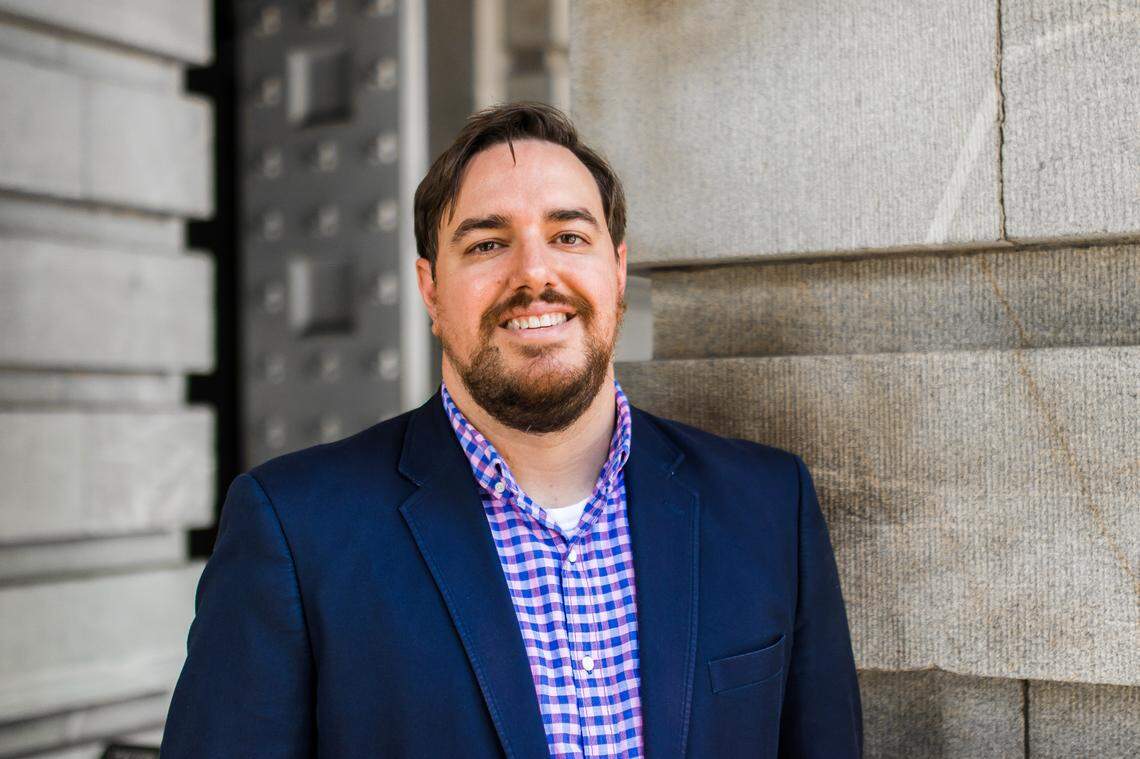
Unaffiliated voter Ruth Parlin, 66, lives in Flat Rock and is one of the newcomers to the state that Cooper said is driving the shift. Parlin came here in 2017 and retired after spending much of her career as a law librarian in Manhattan.
“I pretty much vote in everything, and I typically vote Democratic,” Parlin said. But she didn’t register as a Democrat “because I don’t want to be a Democrat.”
Her politics are farther left.
“One of my big problems with Democrats is that they choose such terrible candidates,” she said. She thinks Biden is, and Obama was, a terrible president, and that Trump’s term was “the most horrifying four years.”
“I don’t want to be affiliated with either of these parties,” Parlin said.
But did she vote for Biden, then?
“Oh, sure.”
Parlin said her vote matters more in North Carolina than in bluer states because the state is split between the two major parties.
She said she doesn’t know what message the rise of unaffiliated voters sends to the major parties because those voters are all pretty different. Both parties are beholden to corporate interests, she thinks.
“I don’t know if it sends any message at all, honestly. But it helps me feel more righteous,” she said.
What the parties can do
What the steady increase of unaffiliated voters means for the two major parties is that it may become more and more difficult finding people to run for office and the workers and volunteers who help elect them. Cooper said it will become a real problem for the candidate pipeline because most candidates come up through the party system. And it’s not just the party’s money, but the party’s networks, he said.
State Sen. Natalie Murdock, a Durham Democrat active in state party leadership, said Democrats have to make their case why people should register as Democrat, or at least sell them on the value of the party and its positions.
“I’m an older millennial, and millennials and Gen Z do not want to be in a box,” she said.
For candidates, Murdock said the advantage to running as a party member means they get support in the general election.
“They can essentially walk into a system that is ready-made as opposed to starting from scratch,” she said.
Cooper said the parties need to do a better job of saying why they matter organizationally.
He referenced a Thomas Jefferson quote from 1789: “If I could not go to heaven but with a party, I would not go there at all. Therefore I protest to you I am not of the party of federalists. But I am much farther from that of the Antifederalists.”
The shorthand for that, he explained, is that even when you don’t like either party, at the end of the day you still tend to like one better than the other.
For more North Carolina government and politics news, listen to the Under the Dome politics podcast from The News & Observer and the NC Insider. You can find it at https://campsite.bio/underthedome or wherever you get your podcasts.
This story was originally published March 2, 2022 at 6:00 AM with the headline "NC, party of none: Unaffiliated voters are now the state’s largest voting group."
.jpg)