Politics & Government

Key dates: Explore North Carolina’s recent climate legislation and executive orders

Duke Energy’s Marshall Steam Station on Lake Norman is transitioning from coal to a mixture of coal and natural gas to reduce greenhouse gas emissions.

READ MORE


A vehicle to fight climate change

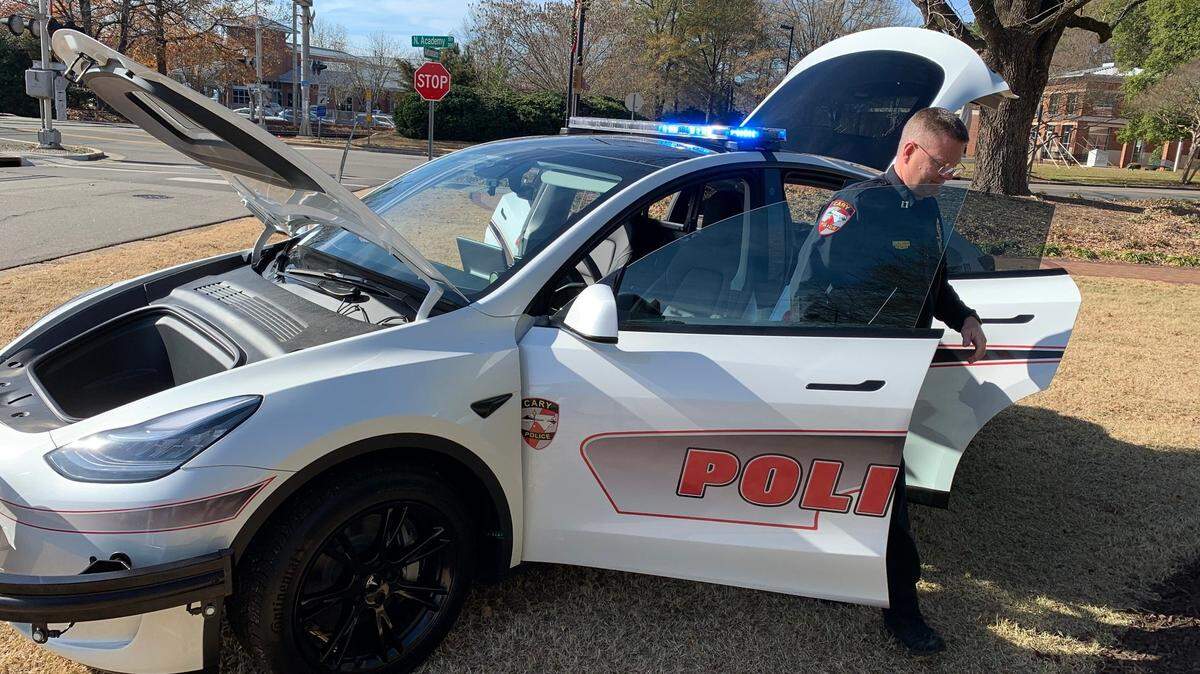
A 2018 executive order from Gov. Roy Cooper was North Carolina’s most ambitious approach to fight climate change in more than a decade. The plan forecast a future that is likely to be powered by renewable energy and driven by electric vehicles. But is the state meeting those goals? Are consumers and car dealers embracing zero-emission transportation? And can lawmakers cross the political divide to enact additional guidance for the state’s future?

Expand All

Here are some of the key events that led to Executive Order 80 and actions that have grown out of or been influenced by the order:

This story was originally published April 17, 2022 at 5:58 AM with the headline "Key dates: Explore North Carolina’s recent climate legislation and executive orders."
Related Stories from Charlotte Observer
Adam Wagner
The News & Observer
Adam Wagner covers climate change and other environmental issues in North Carolina. His work is produced with financial support from the Hartfield Foundation and Green South Foundation, in partnership with Journalism Funding Partners, as part of an independent journalism fellowship program. Wagner’s previous work at The News & Observer included coverage of the COVID-19 vaccine rollout and North Carolina’s recovery from recent hurricanes. He previously worked at the Wilmington StarNews.
Get unlimited digital access
#ReadLocal

Try 1 month for $1

CLAIM OFFER

A vehicle to fight climate change

A 2018 executive order from Gov. Roy Cooper was North Carolina’s most ambitious approach to fight climate change in more than a decade. The plan forecast a future that is likely to be powered by renewable energy and driven by electric vehicles. But is the state meeting those goals? Are consumers and car dealers embracing zero-emission transportation? And can lawmakers cross the political divide to enact additional guidance for the state’s future?