Mecklenburg County OKs affordable housing deal, protections against income discrimination
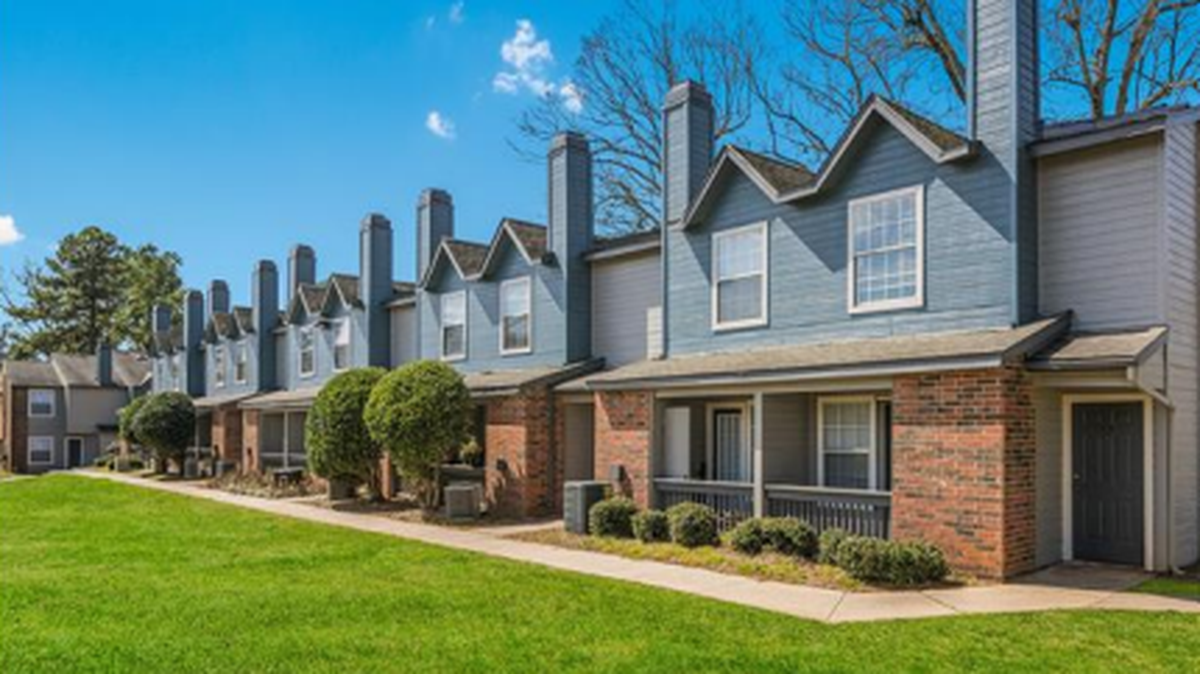
Mecklenburg County joined the City of Charlotte in creating source of income protections for renters in local government-subsidized housing.
The policy, approved by the Board of County Commissioners on Tuesday, is intended to protect people who pay for housing with vouchers, a federal subsidy that helps renters with monthly payments. Under the new policy, owners of county-supported housing approved in the future could receive thousands of dollars in fines if they fail to comply in a timely manner.
Properties covered by the policy include:
▪ Affordable housing developments receiving county-provided subsidy or financial incentives including conveyance of real estate for affordable housing production.
▪ Market-rate housing or units part of a project receiving county infrastructure reimbursement incentives.
Mecklenburg County and the City of Charlotte are the only local governments in North Carolina to implement protections against source of income discrimination.
County officials approved the policy unanimously, some raising both hands to show their excitement. They hope to see these protections enacted at the federal level.
The commissioners attended the National Association of Counties’ annual conference in August and successfully introduced a policy resolution for the creation of federal non-discrimination legislation to prevent landlords from discriminating based on source-of-income.
The National Association of Counties is expected to advance the resolution before Congress, the White House and federal agencies.
Filling an affordable housing gap
Charlotte severely lacks affordable housing — just 1 percent of apartments in Mecklenburg County rent for less than $1,000 per month.
While Section 8 vouchers, also known as Housing Choice vouchers, provide additional support, one in five renters who get a voucher return it after failing to secure housing within the search period. Under the federal housing program, renters in Charlotte can wait up to eight years before it’s their turn for a voucher and then have 180 days to find housing.
A 2018 Urban Institute study commissioned by HUD shows widespread discrimination by landlords who refuse to accept vouchers. Tenants fared better in cities that had protections.
After approving the protections, Charlotte joins a list of cities such as New York, Chicago, Boston and Denver that already have protections in place.
Going hand in hand with source of income protections, on the same night the board approved $3.2 million toward 20 years of rental subsidy for 44 units at Peppertree Apartments, located on Central Avenue near Kilborne Park. The decision is to help preserve naturally occurring affordable housing, known as NOAH, in an area where rents are relatively low compared to the infamous pricey Charlotte rental market.
.png "image (18).png")
The units the county is subsidizing are reserved for households who make 30% of the area’s median household income. In Mecklenburg County for a family of four, that’s $26,500 for a family of four in Mecklenburg County according to 2021 U.S. Department of Housing and Urban Development guidelines. Mecklenburg County also approved a 20-year loan of $4 million for the project.
The decision comes after the newly elected Charlotte City Council voted to give $8 million to Central NOAH LLC to buy and renovate the 292-unit apartment complex and subsidize units.
This story was originally published September 22, 2022 at 5:30 AM.